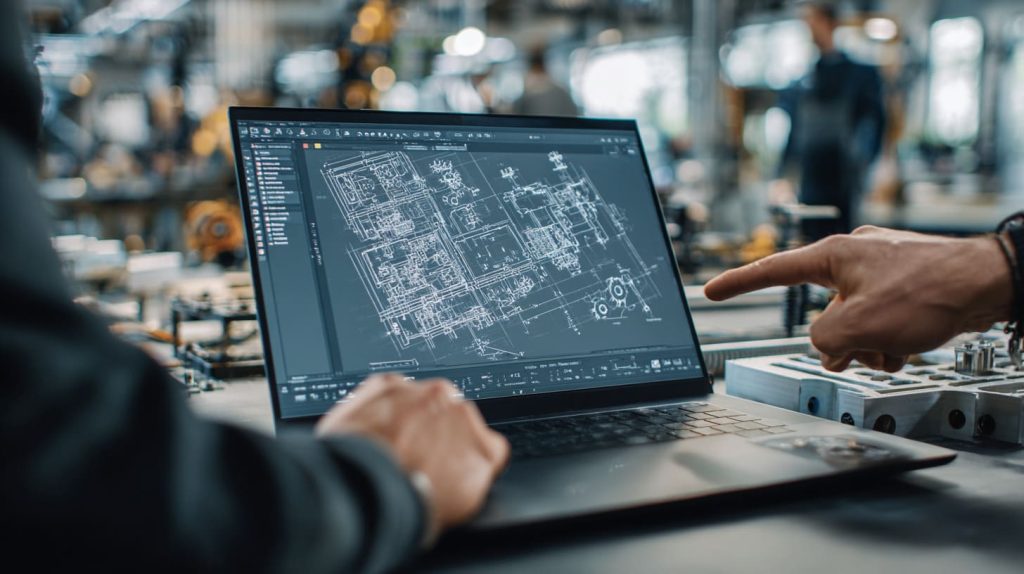
It usually starts with a drawing. Someone sends me a CAD file with a clean design, asking, “Can you help me extrude this?” And almost always, right after we review wall thickness, tolerances, and finishing—one question hangs in the air: Should I use 6061 or 6063 aluminum?
It sounds technical, but it’s actually a very human question. You’re balancing cost, looks, strength, and how quickly that part gets out the door. The wrong choice could mean rough edges, structural failure, or wasted stock sitting in your warehouse.
Aluminum extrusion, simply put, is the process of shaping heated aluminum through a mold to create long, consistent profiles. It’s the backbone of modern framing, electronics, architecture—you name it. But the properties of that extrusion depend entirely on what alloy you use.
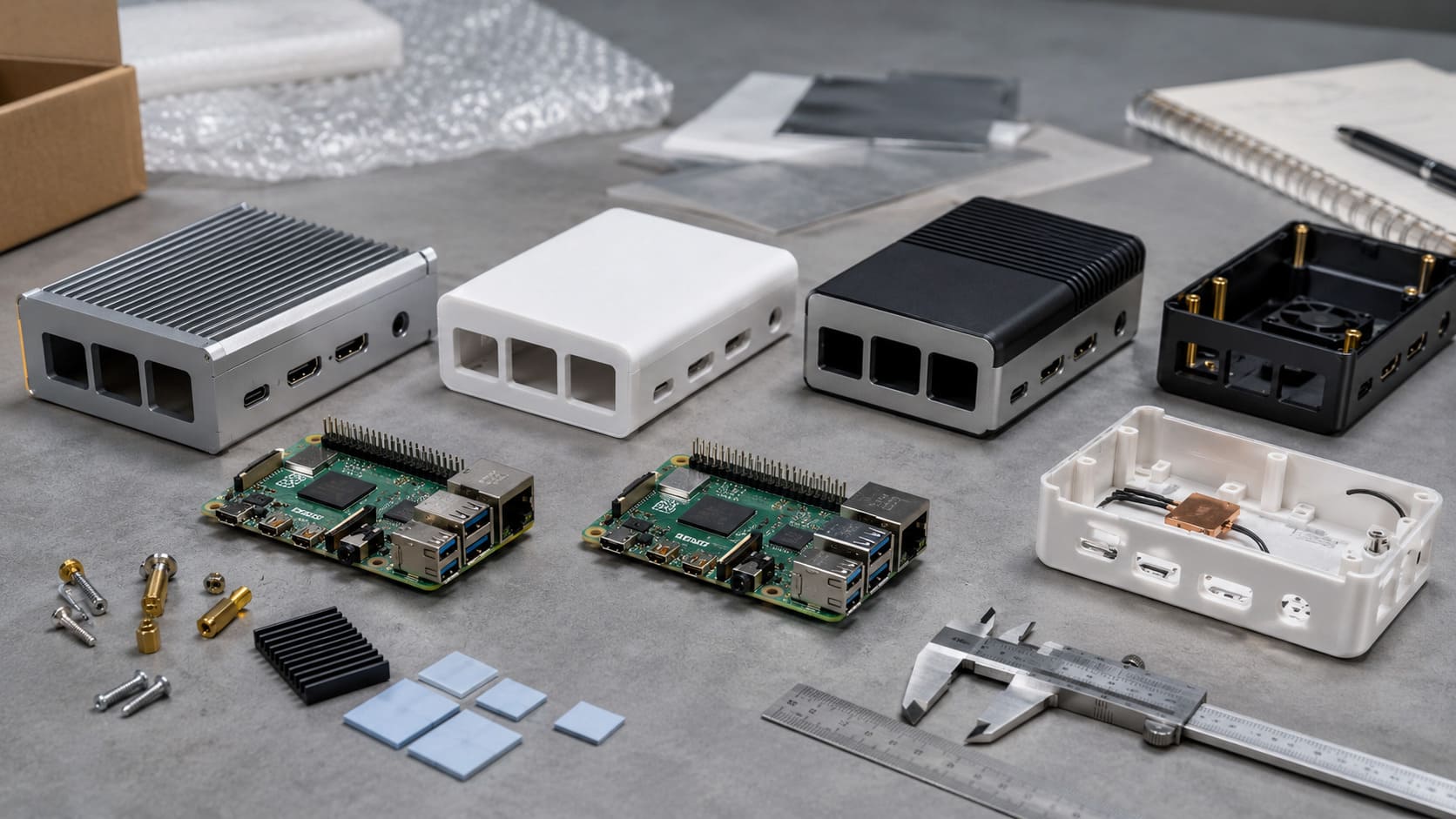
In the world of extrusion, two numbers come up again and again: 6061 and 6063. Both are popular. Both work in many cases. But they behave differently in ways that really matter—especially when you're running B2B custom projects or building stock for retail kits like Raspberry Pi enclosures.
So let’s break it down. Not just the numbers, but the real decisions behind them.
What Are 6063 and 6061 Aluminum Alloys?
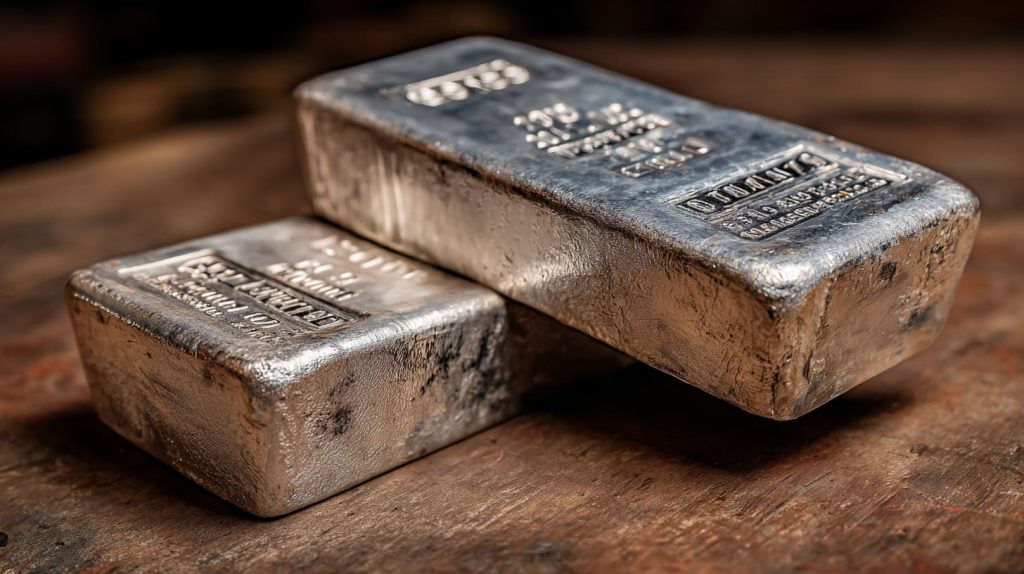
I remember the first time a client asked me the difference. He said, “Vincent, just tell me which one won’t break on me.” At that moment, I realized many buyers just need clarity, not jargon. Let’s clear that up.
6063 Aluminum Alloy
What It Is
6063 is an alloy made mostly of aluminum. It has small amounts of magnesium and silicon.
How It Works with Extrusion
This alloy shines when you want smooth surfaces and clean shapes.
Temper and Performance
Temper means how the metal is treated after forming.
Here’s a simple table you might find useful:
| Temper | What It Means | Typical Use |
|---|---|---|
| T5 | Cooled and then heated slightly | Basic strength |
| T6 | Cooled and then fully heat‑treated | Best overall strength |
Keep this in mind. The temper changes how the metal behaves.
6061 Aluminum Alloy
What It Is
6061 has aluminum, magnesium, and silicon too. But it also has a bit of copper. That small change gives it more strength.
Strength Build Up
6061 gets stronger when you heat treat it carefully. That’s why most people use it in T6.
Where It Shows Up
You see 6061 in heavier parts. Think frames, supports, or pieces that take real stress.
When you compare 6063 and 6061 side by side, you get a sense early on why one might work better in certain situations.
Key Mechanical Properties Comparison
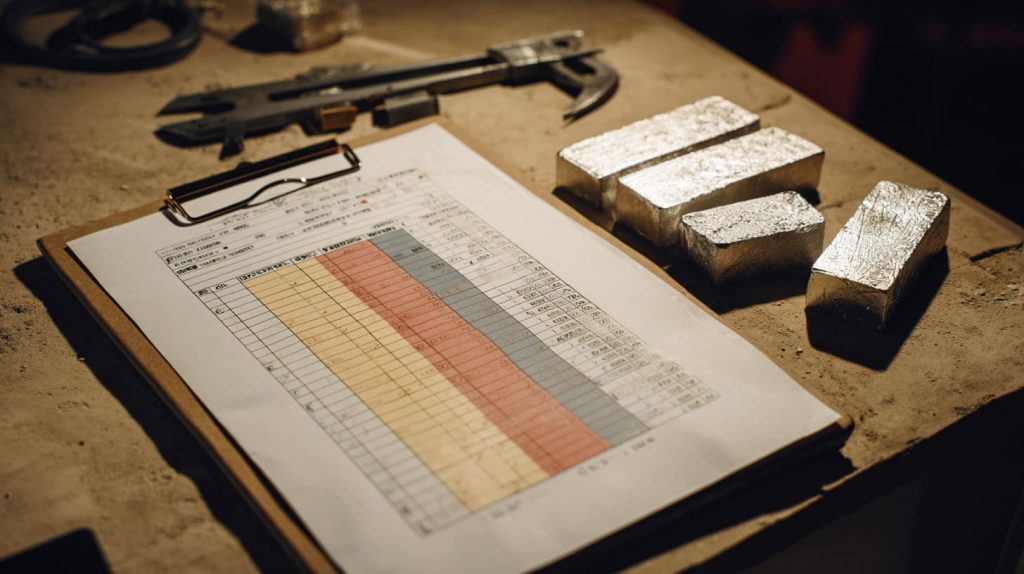
I like to think of this section as a face‑off. Let’s look at the real traits that matter when designing or buying parts.
Strength and Hardness
6061 is generally stronger. You feel this when you try to bend or dent it. If you’ve ever dropped a frame made from 6063, you’ll notice it flexes a bit more.
- 6061 → Higher tensile strength
- 6063 → Enough strength for many lighter parts
If strength is your priority, you lean toward 6061.
Corrosion Resistance
Now, this was surprising to me when I first tested parts outdoors.
6063 tends to resist rust and corrosion slightly better than 6061. Outdoors, under moisture or salt air, 6063 holds up nicely.
Think of:
- Doors
- Window frames
- Outdoor trims
These often use 6063 just because it keeps its look longer.
Extrudability and Surface Finish
This is where 6063 shines.
- 6063 pushes through molds more easily.
- It gives a smoother surface.
- Better for parts you want to anodize or paint.
6061 extrudes fine too. But it’s not as smooth as 6063. If finish quality matters a lot to you, this is key.
Machinability and Weldability
I’ve worked with both on CNC machines.
- 6061 machines easier because it holds shape well.
- Welding is also simpler on 6061 for many fabricators.
6063 still welds fine, but it needs attention around heat. Too much heat can change its strength.
Extrusion Process Considerations

By now you might be thinking “Okay, but how do these differences matter in real production?” Let me break it down with clear examples and tables.
Ease of Extrusion and Profile Complexity
6063 is like soft clay. It flows into shapes easily.
That means:
- Thin walls
- Complex curves
- Small details
All come out clean.
6061 is stiffer. That means it can take thicker or heavier shapes. But it gets tougher when profiles get too thin.
Here’s a quick comparison:
| Feature | 6063 | 6061 |
|---|---|---|
| Thin Walls | ★★★★☆ | ★★☆☆☆ |
| Smooth Detail | ★★★★☆ | ★★★☆☆ |
| Thick Sections | ★★☆☆☆ | ★★★★☆ |
Surface Treatments and Finishes
Let me tell you a little from my workshop.
When a part goes to anodizing, 6063 almost always comes back with a nicer surface. The color is even. It feels smooth. That’s partly why I tend to recommend it for visible parts.
6061 can also be anodized. But sometimes, it shows tiny lines or patterns that come from the extrusion.
Heat Treatment Effects
Temperature changes metal behavior. It’s a fact I saw when testing parts beside my furnace.
6061 heat treatment boosts strength. It makes the alloy tougher. But it also makes it a bit harder to shape afterward.
6063 heat treatment helps too. It increases strength slightly, but its real benefit stays in surface quality.
Application-Based Comparison
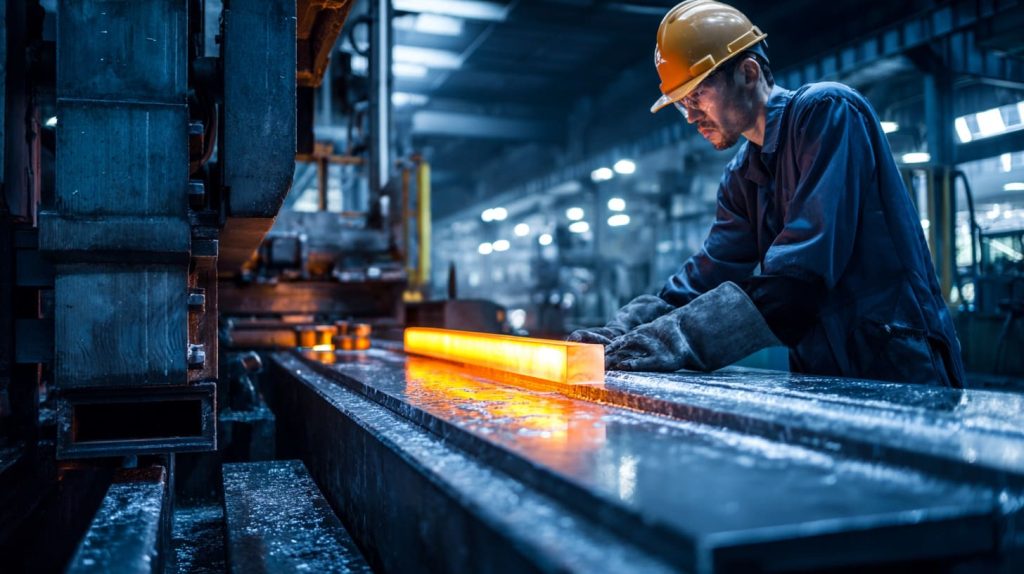
Here’s where we start matching parts to reality. I’ll share real examples from past orders.
Architectural and Decorative Uses
A customer once ordered custom window trims for a boutique hotel. They needed clean lines and perfect finish.
We chose 6063. It delivered smooth finishes and held paint well. The final look made the designer smile.
This material works well for:
- Frames
- Rails
- Decorative trims
Structural and Load‑Bearing Uses
I remember a robotics client asking for support beams that could hold heavy loads.
We went with 6061.
Why?
Because it handles stress better. It didn’t flex under weight. It stayed solid.
Use this alloy for:
- Frames
- Heavy support
- Load‑bearing parts
Industrial and Marine Uses
In marine settings, corrosion matters. I once shipped parts to a boat shop in South Korea.
6061 combined decent corrosion resistance with strength. It didn’t just look good. It lasted.
For industrial gear or tough environments, 6061 often wins.
Cost, Supply, and Practical Factors
I won’t lie. Price and stock matter. They matter a lot.
Material Cost Differences
Usually, 6063 costs a bit less than 6061. Not huge, but noticeable if you buy in bulk.
Here’s a simple cost view:
| Alloy | Typical Cost | Best For |
|---|---|---|
| 6063 | Lower | Aesthetic parts |
| 6061 | Higher | Heavy duty parts |
If your project runs on tight budget, 6063 can be attractive.
Lead Time & Stock Availability
I learned early that some alloys sit in stock more often than others.
6063 is very common in extrusion shops. So it often ships faster.
6061 can be less available depending on the profile size.
If timing matters, ask your supplier about stock before you finalize alloys.
Decision Guide: Choosing Right Alloy
Sometimes a simple table tells the story better than words.
Strength vs Formability Decision Matrix
| Priority | Best Choice |
|---|---|
| Strength | 6061 |
| Surface finish | 6063 |
| Thin detailed parts | 6063 |
| Load bearing | 6061 |
| Outdoor corrosion resistance | 6063 |
Ask yourself:
- Do I need strength?
- Do I need a clean look?
- Am I under budget pressure?
Your answers guide your choice.
Project Examples with Alloy Recommendations
- Lightweight frames → pick 6063
- Heavy supports → pick 6061
- Mixed applications → sometimes we use both
This pattern helped me many times when advising clients like Jacky. It might help you too.
Summary of Key Differences
Here’s the quick breakdown before we wrap up:
| Feature | 6063 | 6061 |
|---|---|---|
| Strength | Moderate | High |
| Surface finish | Excellent | Good |
| Extrudability | Best | Good |
| Machinability | Good | Better |
| Weldability | Good | Excellent |
| Cost | Lower | Higher |
Conclusion

Choosing between 6063 and 6061 doesn’t need to be confusing. You just need to know your priorities.
If your part must look great and have smooth lines, go for 6063.
If strength and heavy duty use matter more, go with 6061.
And if you ever need help choosing, ask your supplier early. Good communication saves time and money.
From my years working with clients around the world, the right material choice always leads to better products, smoother production, and happier customers.
Vincent Li
MaidaTech
vincent@maidatech.com
https://Raspberrypicase.com