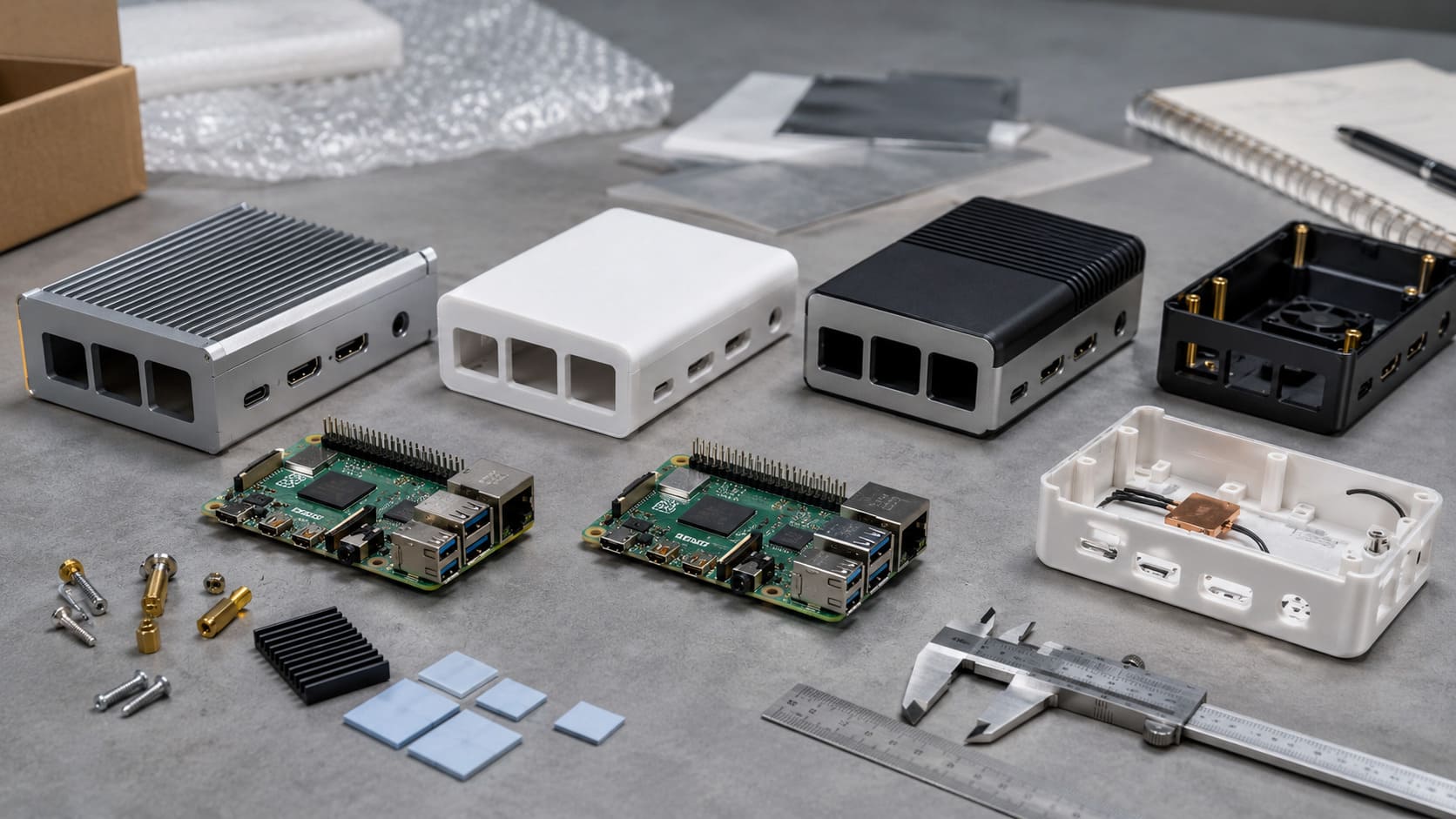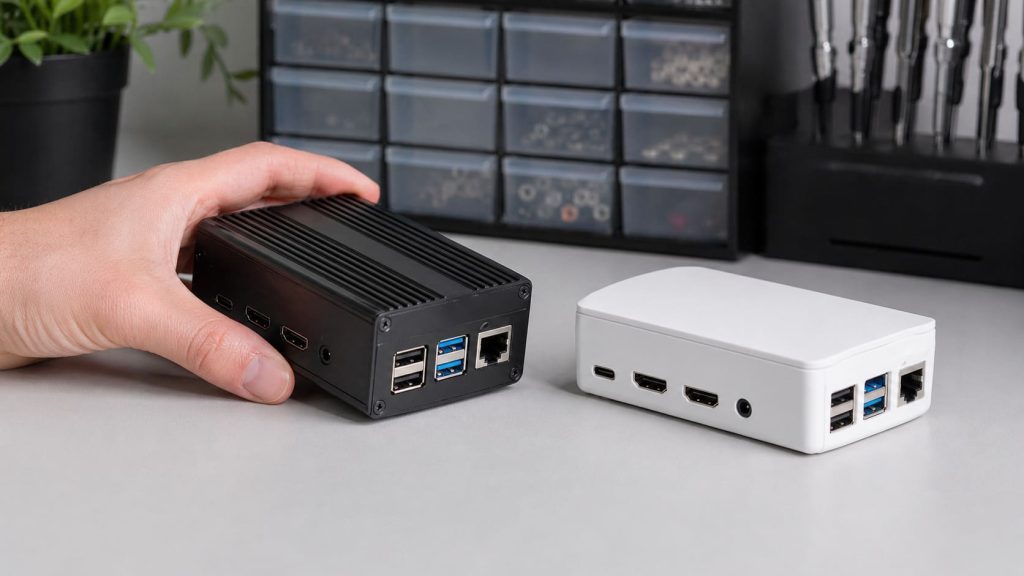
A metal Raspberry Pi case can make a product feel more serious before the customer even opens the box.
That is the power of material.
When a buyer holds an aluminum case in his hand, he may think, “This feels premium.” The surface is cool. The weight feels solid. The edges look clean. The product does not feel like a cheap hobby kit anymore. It feels like something that can sit on a desk, inside a cabinet, or beside an industrial machine without looking out of place.
I understand this feeling very well.
Many of my re-brand customers sell Raspberry Pi cases on Amazon, local online stores, or through their own channels. They do not only sell a case. They sell confidence. They sell a small promise that says, “This product is better than the normal plastic one.”
So metal becomes attractive.
A Belgian buyer once asked me for a full black aluminum Raspberry Pi case with his own logo engraved on the top cover. His idea was clear. He wanted the product to look more expensive. He wanted better photos. He wanted the customer to feel the quality in the first three seconds.
That made sense.
But later, we had to slow down and ask a less exciting question:
Will this metal case actually work better for his customer’s use?
That is where the premium choice can backfire.
A metal Raspberry Pi case can be strong, beautiful, and useful. But it can also block wireless signals. It can increase short circuit risk. It can trap heat if the design is poor. It can raise cost without giving the end user a clear benefit.
For me, the real problem is not metal or plastic.
The real problem is choosing a case material only by feeling.
A case is not only a shell. It affects heat, signal, safety, assembly, cost, shipping, and customer reviews. A beautiful case can still create ugly problems if it is used in the wrong project.
I usually judge this type of project by asking one simple question first: Will the material help the user in real use, or will it only make the product look better in photos?
This article is not written to say metal is bad.
That would be too simple.
I want to show where metal Raspberry Pi cases shine, where they fail, and when plastic cases may quietly do a better job. If you are an engineer, ODM buyer, wholesaler, re-brand seller, or Amazon shop owner, this can help you avoid a very common mistake:
Paying more for a premium material that creates more problems than it solves.
Let’s start with why metal feels so attractive in the first place.
What Makes Metal Raspberry Pi Cases Feel Like a Premium Choice?
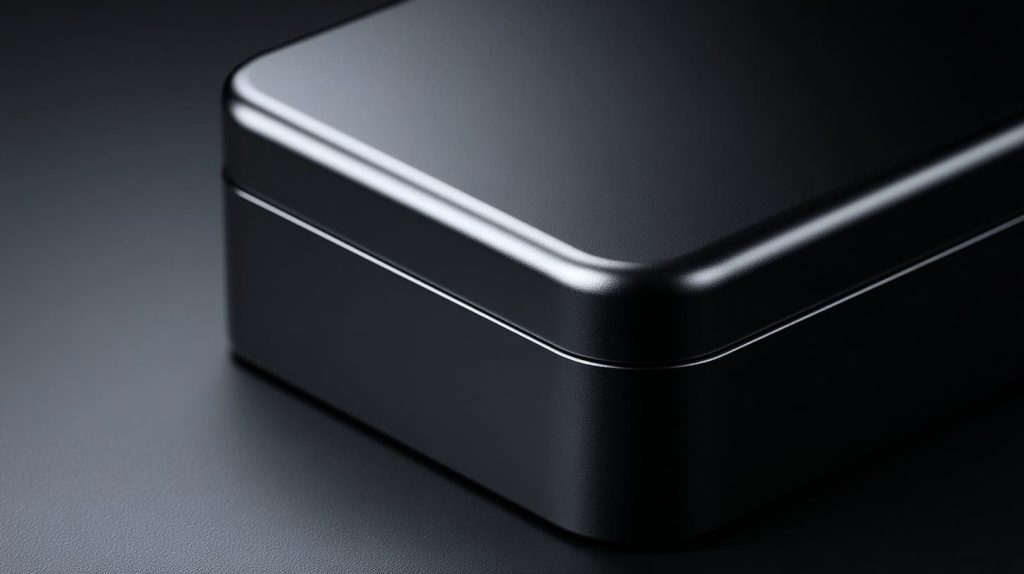
Metal has a strange magic in product design.
Even before we talk about thermal performance or structure, metal already wins emotionally. A metal case feels heavier. It looks cleaner. It gives the product a more professional mood.
I have seen this many times when buyers compare samples.
They pick up a plastic case first.
Then they pick up an aluminum case.
Their face changes a little.
They may not say much, but I can already see the thought: “This one feels better.”
That first impression matters, especially in B2B re-brand business. If a reseller wants to build a product line with his own logo, he usually wants the case to look different from the cheapest products on the market. Metal helps him do that quickly.
For a real order, I do not treat that feeling as meaningless. Appearance can affect sales. But I also do not let appearance make the whole decision, because a nice hand feel does not always mean a better user experience.
Visual and Branding Advantages
A metal Raspberry Pi case usually has a cleaner and more industrial look.
This is useful for:
- Amazon product photos
- Retail packaging
- Local brand positioning
- Business customer projects
- Industrial-style Raspberry Pi kits
- Premium maker kits
- Small batch ODM products
A black anodized aluminum case with laser engraving can look very sharp. The logo can feel more permanent than a printed sticker. The product can look like a small industrial computer instead of a simple Raspberry Pi accessory.
That can help re-brand customers.
For example, if Jacky from Belgium sells Raspberry Pi kits under his own brand, he may want the product to stand out from common transparent plastic cases or low-cost ABS cases. A metal case gives him a more serious story to tell.
He can say:
- The case is made from aluminum
- The surface is anodized
- The logo is laser engraved
- The product has a premium industrial look
- The case feels strong and durable
These points are easy for customers to understand.
But here is the catch.
A better-looking case can attract the customer once. A bad signal or high temperature can lose the customer forever.
That is why I always separate sales value from use value.
| Buyer Goal | Why Metal Helps | Hidden Question I Still Ask |
|---|---|---|
| Better product photos | Metal looks clean and premium | Will the real user need WiFi or Bluetooth? |
| Higher retail price | Aluminum feels more valuable | Does the function support the higher price? |
| Stronger brand image | Engraved logo looks professional | Will the case create after-sales problems? |
| Industrial feeling | Metal looks more serious | Is the project really industrial, or only styled that way? |
A metal case is strong in visual storytelling.
But the story must still match the product.
Structural and Material Strength
Metal cases are usually more rigid than plastic cases.
This can matter when the case may face pressure, vibration, or rough handling. A metal enclosure can resist bending better. It can protect the Raspberry Pi board from external damage. It may also feel more stable when used with cables, brackets, or mounting screws.
This is one reason many industrial customers like aluminum cases.
They do not want a case that feels soft. They do not want clips to break easily. They do not want the enclosure to deform during installation.
A metal Raspberry Pi case can help in these situations:
- Factory control cabinets
- Small edge computing devices
- Wall-mounted units
- Machine monitoring projects
- Rugged desktop devices
- Semi-industrial Raspberry Pi systems
But material strength is not the whole story.
A strong case with poor internal design can still damage the board.
If the standoffs are wrong, the board may bend.
If the internal clearance is too tight, the ports may not align.
If the screws are over-tightened, the PCB may face stress.
So when I look at a metal case drawing, I do not only ask, “Is the shell strong?”
I ask:
- Is the PCB supported correctly?
- Are the connectors aligned?
- Is there enough clearance around the board?
- Are the screw posts safe?
- Can the user assemble it without forcing the board?
- Is the metal surface kept away from risky contact points?
A case can be strong outside but unfriendly inside.
That is a small detail many buyers miss.
Thermal Expectations and Marketing Claims
Many buyers choose metal because they expect better cooling.
This is not wrong.
Aluminum can conduct heat well. A well-designed metal case can help move heat away from the Raspberry Pi processor. Some cases are designed with thermal pads that connect the chip area to the metal body. The whole case then works like a passive heatsink.
That can be useful.
But this is where marketing can make the story too simple.
Many product pages say things like:
- “Excellent heat dissipation”
- “Full aluminum cooling case”
- “Passive cooling design”
- “No fan needed”
- “Better thermal performance”
These claims sound good. But the real result depends on design.
A metal case does not cool well just because it is metal.
It needs:
- Good contact between chip and case
- Correct thermal pad thickness
- Enough surface area
- Proper airflow around the case
- Accurate internal height
- No air gap between heat source and metal surface
A poor metal case can become a warm box.
It may feel hot outside, but the chip may still run hotter than expected if the thermal path is weak. The metal body may also trap warm air around the board if there is no smart ventilation.
Here is a simple way to view it:
| Cooling Factor | Good Metal Case | Poor Metal Case |
|---|---|---|
| Chip contact | Thermal pad touches chip correctly | Thermal pad too thick, too thin, or missing |
| Heat path | Heat moves into case body | Heat stays around PCB |
| Surface design | Fins or large surface area help cooling | Smooth closed box limits heat release |
| Air movement | Openings or outer airflow help | Heat builds up inside |
| Assembly tolerance | Contact is consistent | Contact changes from unit to unit |
This is why I do not accept “metal equals better cooling” as a full answer.
Metal is only one part of the cooling system.
The next part is design.
And that is exactly where problems start.
Where Metal Raspberry Pi Cases Can Backfire

A metal case can look like the safer choice at the quotation stage.
It feels stronger.
It sounds more premium.
It looks easier to sell.
But after the product is shipped, the user does not live inside the quotation sheet. He lives with WiFi problems, hot surfaces, difficult assembly, and returns.
This is where a beautiful aluminum case can suddenly become a headache.
When I review a metal Raspberry Pi case project, I pay close attention to what the case may damage quietly: signal, safety, heat path, and cost structure.
Signal Interference and Wireless Performance Loss
This is one of the most common problems.
Metal can block or weaken WiFi and Bluetooth signals. A Raspberry Pi may still work inside a metal case, but wireless performance can become unstable. This matters a lot when the final product depends on wireless connection.
For example:
- Smart home hubs
- IoT sensors
- Remote control devices
- Wireless monitoring systems
- Bluetooth audio projects
- Education kits using WiFi setup
- Raspberry Pi camera systems connected by wireless network
A customer may not complain about the case material directly.
He may say:
- “The WiFi is weak.”
- “The device disconnects sometimes.”
- “Bluetooth pairing is unstable.”
- “The signal is worse than the old version.”
- “It works when the cover is open, but not when closed.”
That last sentence is painful.
Because the case did not look like the problem at first.
A metal enclosure can act like a shield. This can be useful for EMI control in some projects, but it can hurt wireless communication if the design does not plan for it.
A few possible solutions include:
- External antenna design
- Plastic window area
- Antenna cutout
- Hybrid plastic + metal structure
- Moving the wireless module away from metal walls
- Testing signal strength before mass production
But each solution has a cost.
Some solutions affect appearance. Some affect mold or CNC design. Some need extra components. Some need the customer to accept a different structure.
| Use Case | Metal Case Risk | Better Design Choice |
|---|---|---|
| WiFi-based smart hub | Weak signal through metal shell | Plastic case or external antenna |
| Bluetooth controller | Pairing issues | Plastic window or plastic housing |
| Industrial wired device | Low signal need | Metal may be fine |
| Desktop media player | WiFi may be needed | Test both wired and wireless use |
| Education kit | Users expect easy setup | Plastic may reduce support issues |
This is why I ask about connection method very early.
If the product mainly uses Ethernet, metal may be fine.
If the product depends on WiFi, I slow down.
Short Circuit and Assembly Risks
Metal conducts electricity.
This sounds obvious, but it becomes a real issue when the internal space is tight.
A Raspberry Pi board has many small components, solder points, pins, and connectors. If the board touches the metal case in the wrong place, there can be a short circuit. Sometimes the problem appears immediately. Sometimes it appears only after vibration, pressure, wrong assembly, or a user modification.
That is dangerous for B2B projects.
A re-brand seller may not control how every end user assembles the product. A beginner may use the wrong screw. A technician may forget an insulation washer. A customer may add a HAT board and reduce clearance. Someone may push the board into place with too much force.
Then the metal case becomes less forgiving.
Plastic does not solve every problem, but it is usually safer around electronics because it is non-conductive.
For metal cases, I usually check:
- Standoff height
- Screw length
- PCB edge clearance
- Insulation washers
- Internal surface finish
- Contact area around GPIO pins
- Extra clearance for HAT boards
- Whether the case allows easy wrong assembly
This last point is important.
A product should not only work when assembled by an expert. It should be hard to assemble incorrectly.
If the user can easily put one long screw into the wrong hole and touch the board, the design is not friendly enough.
| Risk Area | What Can Go Wrong | Practical Check |
|---|---|---|
| Screw holes | Screw touches PCB trace | Confirm screw length and standoff height |
| PCB bottom | Board contacts metal base | Use correct spacers or insulation layer |
| GPIO area | Pins touch cover | Add clearance or protective design |
| User assembly | Wrong part used | Make screw sizes easy to identify |
| Add-on boards | Extra height causes contact | Ask if HAT modules will be used |
A metal case is not only a shell.
It becomes part of the electrical environment.
That means small design mistakes can become real product failures.
Heat Trapping Instead of Heat Dissipation
Many buyers choose metal for cooling, but cooling can fail if the heat path is not right.
I have seen samples where the aluminum case looked strong and heavy, but the internal design did not guide heat properly. The chip had no good contact with the case. The cover was closed tightly. The air inside became warm. The case looked premium, but the board still ran hot.
This is a strange problem because the buyer may feel the outside of the case getting hot and think, “Good, the case is moving heat.”
Sometimes that is true.
Sometimes it is only half true.
If the case is hot but the chip is still too hot, the design is not doing enough. Heat needs a controlled path from the chip to the case, then from the case to the outside air.
A metal box without this path is just a warm room.
For Raspberry Pi cases, the cooling result depends on:
- Processor load
- Case shape
- Thermal pad contact
- Ventilation
- External airflow
- Surface area
- Ambient temperature
- Whether a fan is used
- Whether the case is mounted in a closed cabinet
A case used on an open desk is different from a case mounted inside a small machine box.
That detail matters.
| Design Situation | Likely Result |
|---|---|
| Metal case with good chip contact | Better passive cooling |
| Metal case with no thermal path | Heat may stay near PCB |
| Closed metal case in hot cabinet | Heat may build up |
| Metal case with fan and vents | Stronger cooling |
| Plastic case with good airflow | May perform better than poor metal case |
This is why I do not judge cooling only from material.
I judge the whole thermal path.
If the project needs real cooling, I prefer a sample test before mass production. It is better to find a heat problem on one sample than on 2,000 finished units.
Increased Cost Without Real Functional Gain
Metal cases usually cost more than plastic cases.
The cost may come from:
- Aluminum material
- CNC machining
- Die casting tooling
- Anodizing
- Sandblasting
- Laser engraving
- More packaging protection
- Higher shipping weight
- More inspection steps
For premium products, this cost may be acceptable.
But for wholesale projects, cost pressure is real. A buyer may want a metal case because it feels better, but the final customer may not pay enough extra for it.
This is where a “premium” decision can quietly hurt profit.
If the user only needs a low-cost Raspberry Pi case for education, basic projects, or kit bundles, metal may not add enough value. The customer may choose the cheaper plastic kit. The reseller then gets stuck with a product that looks nice but moves slowly.
I have seen buyers focus too much on unit price difference and forget the full cost.
The full cost includes:
- Case price
- Shipping cost
- Packaging cost
- Return risk
- Support cost
- Slower sales risk
- Inventory pressure
| Cost Area | Metal Case | Plastic Case |
|---|---|---|
| Unit cost | Usually higher | Usually lower |
| Shipping | Heavier | Lighter |
| Surface defects | More visible on anodized finish | Usually more forgiving |
| Retail price | Can be higher | Usually more price-friendly |
| Return risk | Higher if signal or heat issues occur | Lower for wireless-friendly use |
| Profit control | Better only if market accepts premium price | Better for volume sales |
This is why I ask buyers about their selling channel.
Amazon buyers behave differently from industrial project buyers.
A local shop buyer behaves differently from an OEM customer.
A premium case is only premium when the market is willing to pay for what it brings.
If not, it is just a heavier cost.
When Plastic Raspberry Pi Cases Perform Better
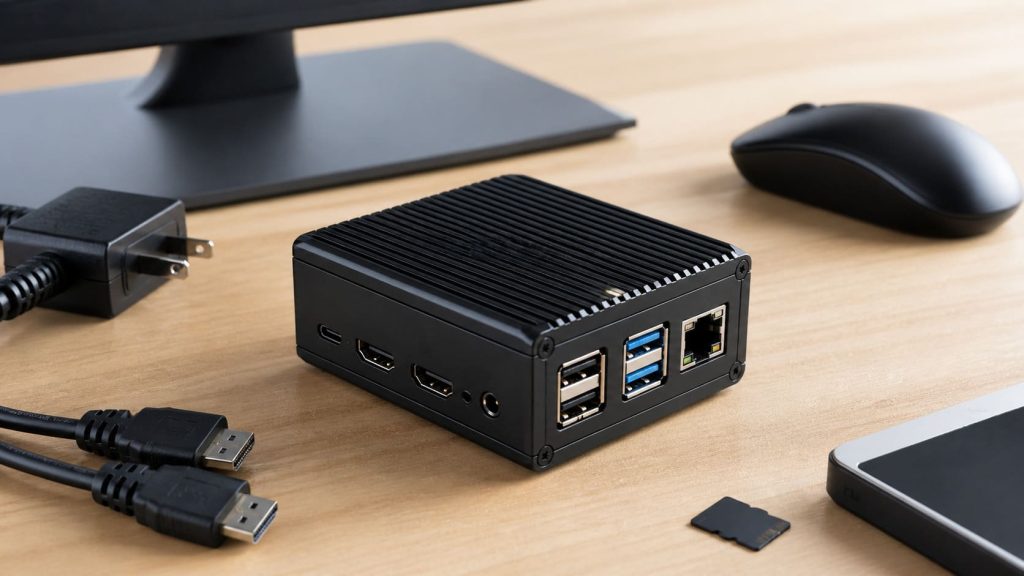
Plastic cases do not always get enough respect.
Many buyers hear “plastic” and think “cheap.” I understand why. Some low-cost plastic cases feel thin. Some have poor fit. Some use weak clips. Some look like toys.
But a well-designed plastic Raspberry Pi case can be a very smart product.
It can be safer. It can be lighter. It can support wireless signals better. It can be easier to customize for volume projects. It can also reduce after-sales problems for sellers.
I often choose plastic not because it is cheaper, but because it matches the real use better.
That is a different way to think.
Wireless-Friendly Design
Plastic does not block WiFi and Bluetooth like metal does.
For many Raspberry Pi applications, this is a big advantage.
A user may place the device behind a TV, inside a classroom, beside a router, on a shelf, in a smart home system, or near a sensor network. The user may not want to connect Ethernet. He may expect WiFi setup to be easy.
Plastic helps here.
It allows wireless signals to pass through the case more easily. This can reduce customer complaints and make the product easier to use.
This matters for:
- Smart home projects
- IoT devices
- Education kits
- Remote data collection
- Wireless camera projects
- Bluetooth projects
- Retail kits for beginners
A plastic case may not look as premium as aluminum, but it may make the device feel easier to live with.
That is real value.
| Application | Why Plastic May Be Better |
|---|---|
| Smart home hub | Better wireless signal |
| Education kit | Easier WiFi setup for students |
| Bluetooth project | More stable pairing |
| Camera system | Fewer connection drops |
| Amazon beginner kit | Fewer support messages |
A buyer once told me he wanted a metal case because his competitor used metal. But his product was a WiFi-based Raspberry Pi kit for home users. I told him, “Your customer will not thank you for metal if the WiFi becomes weak.”
That sentence sounds simple.
But it saved him from a wrong product direction.
Safer Electrical Design
Plastic is non-conductive.
This makes it more forgiving around electronics.
For beginner kits, education kits, and DIY customers, this matters a lot. Not every user is careful. Not every user knows where the PCB should or should not touch. Not every user understands short circuit risk.
A plastic enclosure gives more safety margin.
It reduces the chance of accidental contact between the board and the case. It also makes assembly easier because the user does not need to worry as much about insulation.
This does not mean plastic cases need no design control.
They still need:
- Good standoff design
- Correct port alignment
- Strong screw posts
- Enough heat openings
- Stable snap-fit structure
- Proper wall thickness
But the electrical risk is usually lower.
| User Type | Plastic Advantage |
|---|---|
| Beginner DIY user | Lower short circuit risk |
| School project user | Easier student assembly |
| Kit reseller | Fewer support issues |
| ODM project buyer | Safer for mixed user groups |
| Amazon seller | Lower return risk from assembly mistakes |
For re-brand sellers, this is very practical.
If the final customer damages the board during assembly, he may not blame himself. He may blame the seller. Then the seller contacts the supplier. Then the problem becomes messy.
A safer case design reduces these small fires before they start.
Lightweight and Cost Efficiency
Plastic cases are usually lighter and more cost-friendly.
This is important for wholesale orders.
When a buyer orders 1,000 or 5,000 pieces, a small weight difference becomes real money. Packaging size also matters. Shipping cost matters. Storage cost matters. A heavy case may look good in one sample, but the freight bill may look less beautiful.
Plastic can help sellers keep a better price position.
This matters when the product is sold in:
- Raspberry Pi starter kits
- Education bundles
- Online shop accessories
- Low to mid-range Amazon listings
- Distributor stock programs
- Promotional bundles
- Large-volume wholesale channels
Plastic can also support faster production after tooling is ready. Injection molding can be efficient for large runs. Color customization can be planned. Logo printing or labeling can be added. Packaging can be controlled.
Here is how I usually compare it:
| Factor | Plastic Case Strength |
|---|---|
| Shipping weight | Lower |
| Unit price | More competitive |
| Bulk order handling | Easier |
| Color options | More flexible |
| Beginner market | More acceptable |
| Kit bundle cost | Easier to control |
For many customers, the case is only one part of the whole kit.
They also need power supplies, cables, heatsinks, labels, packaging, and sometimes manuals. If the case takes too much budget, other parts may suffer.
That is not a smart balance.
Flexible Design and Customization
Plastic can be very flexible for design, especially when the order quantity supports tooling.
A plastic Raspberry Pi case can use:
- Snap-fit design
- Screwless assembly
- Custom colors
- Logo printing
- Label sticker area
- Vent layout changes
- Transparent or semi-transparent materials
- Different texture surfaces
- Custom packaging design
For ODM customers, plastic can be especially useful.
A creative customer may want to redesign the case for a project. He may need space for a sensor, extra connector, camera module, screen, or internal cable. Plastic can make some of these designs easier to shape when the mold is planned well.
Of course, mold changes cost money.
Plastic is not magic.
But if the project has stable volume, plastic can be a strong long-term choice.
| Custom Need | Plastic Case Option |
|---|---|
| Private label | Logo printing or sticker area |
| Retail color line | Custom colors |
| Education kits | Easy assembly structure |
| ODM project | Mold modification or new mold |
| Transparent display | Clear or translucent material |
| Lower freight cost | Lightweight design |
Many buyers think plastic means “low-end.”
I think that is too narrow.
Bad plastic is low-end.
Good plastic is smart engineering.
The difference is design, material choice, mold quality, and production control.
Metal vs Plastic: A Practical Comparison for Buyers
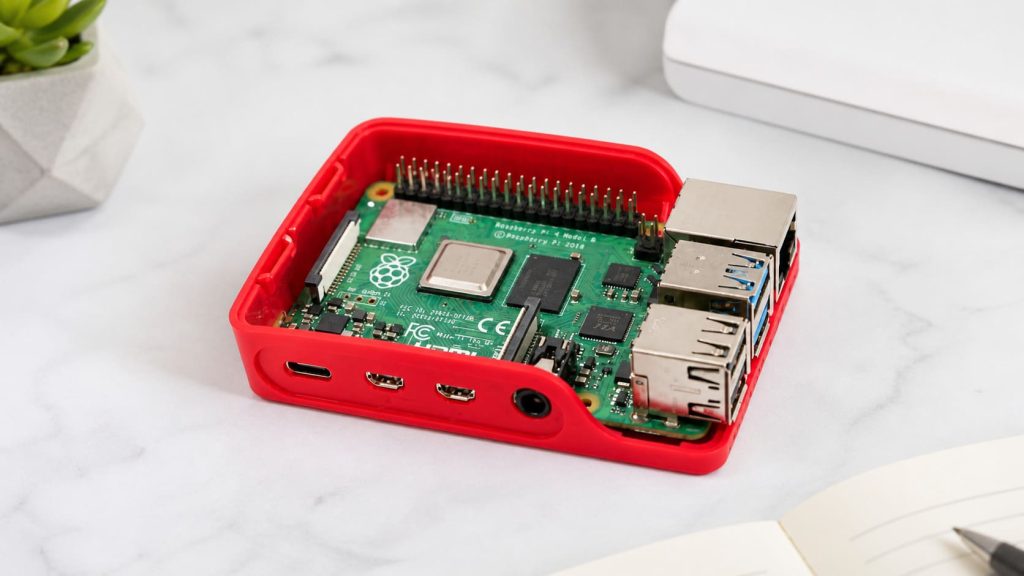
When buyers ask me, “Which one is better, metal or plastic?” I usually cannot answer in one sentence.
Because the better material depends on the project.
A Raspberry Pi case for an industrial cabinet is not the same as a Raspberry Pi case for a beginner kit. A case for wired Ethernet use is not the same as a case for Bluetooth or WiFi control. A premium Amazon product is not the same as a school education bundle.
I do not compare metal and plastic like two enemies.
I compare them like two tools.
The tool must match the job.
For real buying decisions, I usually care less about which material sounds better and more about which material reduces future complaints.
Performance Comparison Table
Here is a practical comparison from a buyer’s angle.
| Feature | Metal Case | Plastic Case |
|---|---|---|
| Heat Dissipation | Good if the thermal path is well designed | Moderate, but can work well with airflow |
| Wireless Signal | May become weak or blocked | Usually strong and stable |
| Electrical Safety | Conductive, needs careful insulation | Non-conductive, more forgiving |
| Cost | Higher | Lower |
| Weight | Heavier | Lighter |
| Customization | Good for CNC, anodizing, engraving | Good for molding, colors, printing |
| Brand Feel | Premium and industrial | Flexible and practical |
| Assembly Risk | Higher if design is tight | Lower for normal users |
| Surface Finish | Premium but scratches may show | More finish options, easier for color branding |
| Best Use | Industrial, premium, high cooling needs | Wireless, education, volume kits, cost control |
This table is not about winner and loser.
It is about fit.
A metal case can beat plastic in one project and lose badly in another.
Decision Based on Application
The real decision starts from the application.
I like to divide Raspberry Pi case projects into a few simple groups.
| Project Type | Material I Usually Consider First | Why |
|---|---|---|
| WiFi smart home device | Plastic | Better wireless signal |
| Industrial wired controller | Metal | Stronger shell and better rugged feel |
| Education kit | Plastic | Safer and easier to assemble |
| Premium retail case | Metal | Better visual value |
| Cost-sensitive wholesale bundle | Plastic | Lower cost and freight |
| High-load computing setup | Metal | Better cooling if designed well |
| ODM project with special shape | Plastic or hybrid | Depends on mold and function needs |
A buyer may say, “My customer wants premium.”
Then I ask, “What does premium mean to him?”
Does it mean:
- Better cooling?
- Better appearance?
- Better signal?
- Better strength?
- Lower support problems?
- Better packaging?
- Higher selling price?
The answer changes the material choice.
If premium means appearance, metal can help.
If premium means stable daily use, plastic may win.
If premium means industrial protection, metal may win again.
This is why I do not like simple material arguments.
Real products are not simple.
Visual Priority vs Functional Priority
A case can look beautiful and still be wrong.
This is a hard truth for product sellers.
A buyer may want the product to look different from competitors. That is normal. But if the case design hurts the most important function, the customer will not care about the good photos anymore.
For example:
- A WiFi product with weak signal is not premium.
- A cooling case with poor chip contact is not premium.
- A heavy case that raises freight cost too much is not premium.
- A case that creates many support messages is not premium.
Premium should not only be seen.
It should be felt in use.
That is why I often suggest sample testing before mass production, especially when the buyer changes from plastic to metal.
A sample test can check:
- WiFi signal
- Bluetooth performance
- CPU temperature
- Assembly process
- Screw fit
- Port alignment
- Surface finish
- Packaging protection
- User hand feel
One sample cannot answer everything, but it can catch many obvious mistakes.
And obvious mistakes are the cheapest ones to fix early.
Real Use Case Scenarios Where Metal Fails
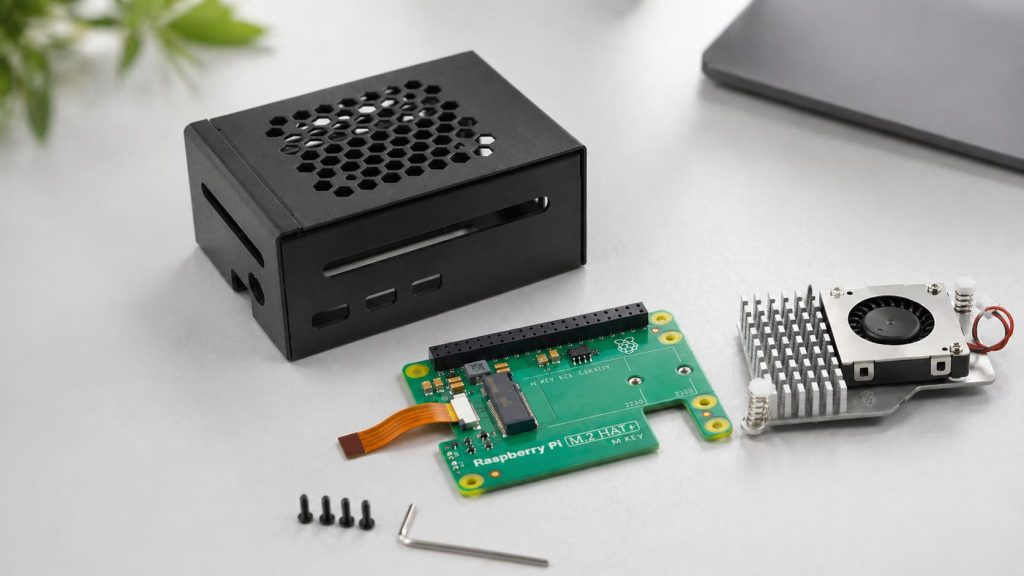
Metal cases usually fail quietly at first.
They do not fail like a broken part on the table.
They fail through small user frustrations.
The WiFi feels weak.
The device gets too warm.
The setup becomes harder.
The seller gets more messages.
The customer says, “It looks nice, but…”
That sentence is dangerous.
Because everything before “but” becomes useless if the problem after it affects daily use.
The cases that worry me most are not the ugly ones. They are the beautiful ones that make the wrong promise to the wrong user.
IoT Devices with Wireless Dependency
IoT projects often depend on wireless connection.
A Raspberry Pi may collect data, send alerts, control devices, or connect to a dashboard. If the case blocks WiFi or Bluetooth, the whole experience becomes unstable.
A metal case can create problems such as:
- Shorter WiFi range
- Random disconnection
- Slow setup
- Weak Bluetooth pairing
- Poor signal behind walls or inside cabinets
- Higher support burden for the seller
Imagine a smart home device.
The customer places it near a router at first. It works.
Then he moves it to another room. The connection drops.
He restarts it. It works again.
Then it drops again.
He does not think, “The metal housing is affecting signal strength.”
He thinks, “This product is unreliable.”
That is the real danger.
The case material becomes a brand problem.
For IoT devices, I prefer to ask:
- Does the device use WiFi every day?
- Does it need Bluetooth setup?
- Will the user place it far from the router?
- Will it be inside another cabinet?
- Can we use an external antenna?
- Can we create a plastic signal window?
If the answer points toward wireless sensitivity, I become careful with metal.
Education and DIY Kits
Education kits need to be simple.
Students, hobby users, and beginners do not always handle parts gently. They may assemble the case quickly. They may use the wrong screw. They may open and close the case many times. They may add small modules without checking clearance.
Metal can make these mistakes more serious.
A plastic case is usually more forgiving.
For education kits, the main goal is not to impress the user with weight. The main goal is to help the user finish the project successfully.
A beginner who burns a board during assembly will not feel impressed by the aluminum shell.
He will feel frustrated.
For DIY and education markets, I usually care about:
| Check Point | Why It Matters |
|---|---|
| Easy assembly | Beginners need a simple process |
| Non-conductive housing | Reduces short circuit risk |
| Clear port access | Avoids forcing cables |
| Good ventilation | Handles normal learning projects |
| Low replacement cost | Better for schools and kits |
| Stable packaging | Prevents damage in bulk shipping |
A re-brand seller may want to upgrade an education kit with a metal case to make it look more premium.
That can work for some advanced kits.
But for entry-level kits, it may be the wrong upgrade.
The best beginner product is not always the strongest-looking product.
It is the product that helps the user succeed without stress.
Cost-Sensitive Wholesale Projects
Wholesale projects live under cost pressure.
Every small part matters.
The case, power supply, cable, heatsink, screws, labels, packaging, carton size, and shipping weight all affect the final price.
A metal case can make the product harder to price competitively.
This is especially true when the market has many similar Raspberry Pi accessories. If two sellers offer similar kits, and one has a much lower price, the buyer will ask why he should pay more.
Metal must give a clear reason.
If the reason is only “it feels better,” that may not be enough.
For wholesale customers, I often make a simple value check:
| Question | Why It Matters |
|---|---|
| Can the seller charge more for metal? | If not, profit may fall |
| Does the end user need better cooling? | If not, metal may be waste |
| Does the product need wireless? | If yes, metal may create risk |
| Is shipping cost important? | Metal weight may hurt margin |
| Is the customer buying in volume? | Small cost differences become large |
A buyer may love a metal sample.
But his customers may choose by price.
That gap can create dead stock.
Nobody likes dead stock.
It sits in the warehouse quietly, like a polite but expensive mistake.
When Metal Cases Are Still the Right Choice
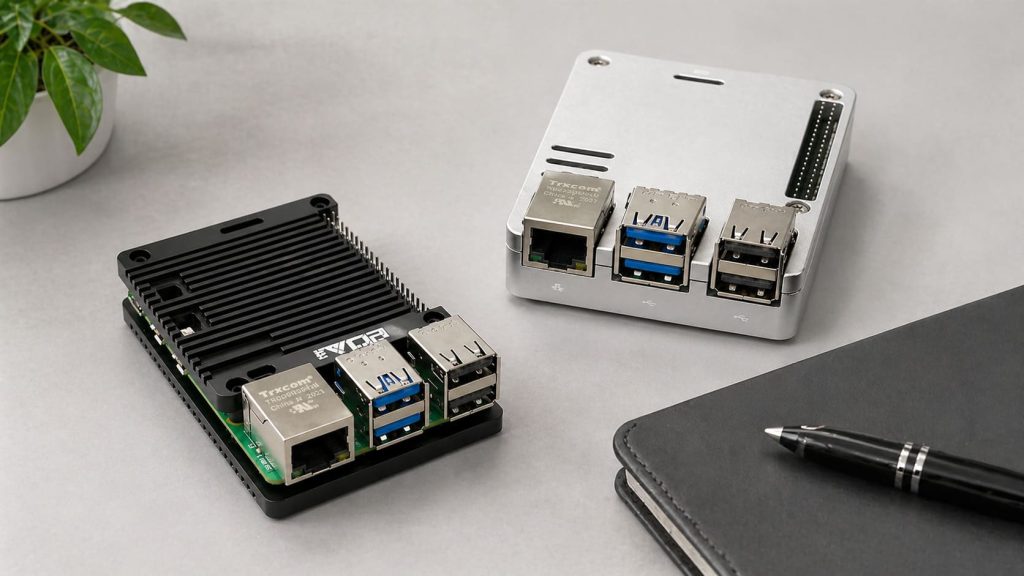
I do not want to make metal sound like the villain.
That would be unfair.
Metal Raspberry Pi cases can be excellent when the project truly needs their strengths. I have worked with buyers who made the right choice by using aluminum. Their projects needed better strength, better heat handling, or a premium product image.
The key is not to avoid metal.
The key is to use metal for the right reason.
I trust metal most when the project can clearly explain why plastic is not enough.
High-Performance Cooling Requirements
Some Raspberry Pi setups need better cooling.
This may happen when the device runs heavy tasks, works for long hours, or sits in a warm environment. A metal case can help if the thermal design is done correctly.
Good metal cooling design may include:
- Direct contact between chip and case
- Correct thermal pad thickness
- Aluminum body with enough surface area
- Heat fins
- Vent openings
- Optional fan
- Good internal clearance
- Proper test under real workload
This is important for:
- Overclocked Raspberry Pi setups
- Edge computing devices
- Industrial monitoring systems
- Long-running data tasks
- AI camera projects
- Compact systems with limited airflow
But again, I do not accept metal as automatic cooling.
I want test data.
A thermal test should check:
| Test Item | Why It Matters |
|---|---|
| Idle temperature | Shows normal baseline |
| Full-load temperature | Shows real stress performance |
| Case surface temperature | Checks user touch safety |
| Ambient temperature | Shows real environment impact |
| Long-run test | Finds slow heat build-up |
| Fan noise if used | Affects user experience |
A good cooling case should not only look like a heatsink.
It should behave like one.
Harsh Physical Environments
Metal cases are useful when the device may face rough conditions.
A Raspberry Pi used in a factory, workshop, vehicle, or machine area may need stronger protection than a normal desktop case. Plastic can work in many places, but metal gives more confidence when the environment is physically demanding.
Metal may be better for:
- Vibration-heavy equipment
- Industrial cabinets
- Machine control areas
- Dusty workshops
- Wall-mounted systems
- Transport-related projects
- Areas where the case may be hit or pressed
Still, metal alone is not enough.
A harsh environment may also need:
- Proper sealing
- Correct cable glands
- Good grounding design
- Corrosion-resistant surface treatment
- Strong mounting points
- Ventilation planning
- Dust control
- Clear maintenance access
A metal Raspberry Pi case is not the same as a full industrial enclosure.
That difference matters.
Sometimes buyers use “industrial” as a style word. But real industrial use means real risk.
If the device will sit near machines, dust, heat, vibration, or unstable power, the case design must be checked more seriously.
Premium Branding Strategy
Metal can be the right choice when appearance directly supports the selling price.
For a premium product line, the case is part of the brand promise. A buyer may want a product that feels more solid than common plastic cases. A black aluminum body with engraved logo can create that feeling.
This can work well for:
- High-end Raspberry Pi kits
- Professional maker products
- Industrial-looking retail products
- Special edition products
- Local brand re-sellers
- Corporate project kits
In this type of project, the customer is not only buying the function.
He is buying the feeling of ownership.
That feeling has value.
But the product still needs to work well.
A premium metal case should not sacrifice:
- Wireless performance, if needed
- Thermal stability
- Safe assembly
- Clean port access
- Good packaging
- Surface quality control
For premium branding, I usually suggest extra attention to surface finish.
Anodized aluminum can look beautiful, but scratches, color differences, and fingerprints can become visible. The packaging must protect the case well. The logo position must be checked carefully. The surface texture must match the buyer’s brand style.
A premium product creates higher expectations.
That means small defects feel bigger.
A cheap case can be forgiven.
A premium case gets judged.
How to Choose the Right Case for Your Project
Choosing between metal and plastic should not feel like guessing.
A buyer can make a better decision by asking the right questions before quotation, sample, and mass production.
I like to slow this step down because many expensive mistakes start from one fast assumption.
“Metal looks better.”
“Plastic is cheaper.”
“Aluminum cools better.”
“Customers like premium cases.”
These sentences may be true in some projects.
But they are not enough.
Before I quote seriously, I try to understand how the product will be used, who will assemble it, where it will be sold, and what kind of complaint would hurt the buyer most.
Key Questions to Ask Before Deciding
Before choosing a Raspberry Pi case material, I would ask these questions:
| Question | Why I Ask It |
|---|---|
| Does the device rely on WiFi or Bluetooth? | Metal may reduce wireless performance |
| Will the device use Ethernet only? | Metal may be less risky |
| Is heat the main issue? | Metal may help if designed well |
| Who will assemble the case? | Beginners need safer design |
| What is the target retail price? | Metal must support profit |
| Is the product for bulk wholesale? | Plastic may help cost control |
| Will the case be branded? | Logo method affects material choice |
| Will the device use HAT boards? | Internal clearance must be checked |
| Where will the device be installed? | Environment affects material choice |
| What is the expected order quantity? | Tooling and production method change |
These questions may look basic.
But basic questions save money.
A good supplier should not only ask for size and quantity. He should ask how the product will live after it leaves the factory.
That is where real design starts.
Balancing Cost, Performance, and User Experience
A buyer often needs to balance three things:
- Cost
- Performance
- User experience
If he focuses only on cost, the product may feel cheap.
If he focuses only on performance, the product may become too expensive.
If he focuses only on appearance, the product may fail in real use.
The best choice sits between these points.
For example:
| Project Goal | Better Direction |
|---|---|
| Lowest cost kit | Plastic case with simple design |
| Premium retail product | Metal case with tested signal and cooling |
| Wireless IoT device | Plastic or hybrid case |
| Industrial wired device | Metal case with proper mounting |
| Education kit | Plastic case with safe assembly |
| ODM custom product | Material depends on function and volume |
A good case should support the whole product plan.
It should not fight against it.
If the buyer’s market is price-sensitive, a very expensive aluminum case may hurt sales.
If the buyer’s market is professional and expects durability, a weak plastic case may hurt trust.
If the product uses wireless every day, a metal case may hurt the user.
The best case is not the most expensive one.
It is the one that creates the fewest surprises after delivery.
Supplier Collaboration and Design Optimization
Many buyers think they must choose either metal or plastic.
But sometimes the best answer is a hybrid design.
For example:
- Metal body + plastic antenna window
- Plastic case + aluminum heatsink
- Plastic shell + metal mounting plate
- Metal top cover + plastic base
- Plastic housing + internal heat spreader
- Aluminum case with external antenna
These options can solve trade-offs.
A buyer can keep some premium feeling while reducing signal risk. Or he can keep a plastic shell while improving heat control. Or he can use a metal bracket only where strength is needed.
This is where supplier communication becomes important.
The buyer should share:
- Use environment
- Board model
- Required ports
- Cooling needs
- Wireless needs
- Logo method
- Packaging plan
- Order quantity
- Target selling price
- Any special accessories
The supplier should give practical feedback.
Not just “yes, we can make it.”
That answer is too easy.
A useful supplier should say:
- This part may block WiFi.
- This screw position may be risky.
- This thermal pad may need testing.
- This wall thickness may be too thin.
- This finish may scratch during shipping.
- This design may increase mold cost too much.
- This packaging may not protect the anodized surface.
That kind of feedback saves projects.
It may not sound exciting, but it is valuable.
Common Mistakes Buyers Make When Choosing Case Materials
Most material mistakes do not come from ignorance.
They come from a small shortcut in thinking.
The buyer sees a nice sample.
The competitor sells a metal case.
The customer asks for “premium.”
The project deadline is tight.
Then the material decision becomes emotional instead of practical.
I have made enough custom product discussions to know one thing: the wrong material usually looks very reasonable at the beginning.
The mistake often hides behind a good reason.
That is why I like to challenge the first idea before we move too far.
Choosing Based on Appearance Only
Appearance matters.
I do not deny that.
A product that looks cheap may struggle in the market, even if it works well. Good appearance helps trust. Good finishing helps brand value. Good product photos help online sales.
But appearance cannot be the only reason.
A metal Raspberry Pi case may look better, but the buyer still needs to check:
- Wireless performance
- Heat design
- Assembly safety
- Port alignment
- Weight
- Packaging protection
- Cost position
- End-user skill level
If these areas are ignored, the product may look good but sell poorly after reviews appear.
For Amazon sellers, this is especially dangerous.
One customer photo showing poor fit or weak WiFi can hurt conversion. A few bad reviews can make a nice product harder to sell.
A good-looking case brings customers in.
A good-working case keeps them.
Overestimating Heat Dissipation Needs
Some buyers choose metal because they think every Raspberry Pi needs heavy cooling.
But not every application has the same heat load.
A simple learning kit, light home project, or low-duty device may not need a full aluminum heatsink case. A plastic case with good vents and small heatsinks may be enough.
Overbuilding can create problems:
- Higher cost
- Heavier shipping
- More difficult assembly
- Possible signal loss
- Less price competitiveness
Cooling is important, but it should match the workload.
I usually ask:
- Will the Raspberry Pi run at high CPU load?
- How many hours per day will it run?
- Will it sit in a hot environment?
- Will the user overclock it?
- Will the case be inside another box?
- Is fan noise acceptable?
- Is passive cooling required?
Without these answers, choosing metal for cooling is only a guess.
A guess can be expensive.
Ignoring End-User Experience
The buyer may care about material, cost, and logo.
The end user cares about use.
Can he connect to WiFi?
Can he plug in cables easily?
Can he assemble the case without stress?
Does the case get too hot to touch?
Does the product feel stable?
Does the setup work the first time?
These small user moments decide the product’s reputation.
A case can fail because of tiny annoyances.
For example:
- The HDMI port is slightly blocked.
- The SD card is hard to remove.
- The GPIO opening is too narrow.
- The screws are too small.
- The case surface scratches easily.
- The WiFi setup is unstable.
- The fan noise is annoying.
- The case gets hot on a desk.
These details sound small.
But customers remember small pain.
They may not write a technical review. They may simply say, “Not easy to use.”
That hurts sales.
Lack of Communication with Suppliers
A common mistake is sending only a simple requirement:
“Need Raspberry Pi case, aluminum, black, logo, 1,000 pcs.”
This is not enough.
The supplier can quote, yes.
But the quote may not protect the project.
A better inquiry should include:
- Raspberry Pi model
- Case use scenario
- Wireless or wired use
- Cooling requirement
- Logo method
- Quantity
- Packaging style
- Target market
- Any HAT board or add-on module
- Required color and finish
- Sample testing plan
Good communication reduces wrong assumptions.
For custom projects, wrong assumptions are expensive.
The buyer assumes the supplier understands the use.
The supplier assumes the buyer only wants the drawing made.
Then the sample arrives.
Something does not fit.
Something gets hot.
Something blocks the signal.
Something feels wrong.
This is why I prefer more discussion before production. It may feel slower at the start, but it makes the project faster later.
Conclusion
Metal Raspberry Pi cases are not always better.
Plastic Raspberry Pi cases are not always cheaper in the bad sense.
That is the main lesson I have learned from real custom case work.
I like metal when it has a clear job. It can improve appearance. It can protect the board. It can help cooling when the thermal design is correct. It can support premium branding when the market is willing to pay for it.
But I do not choose metal only because it feels premium.
That is where many projects go wrong.
A metal case can block WiFi. It can increase short circuit risk. It can trap heat if the design is poor. It can raise shipping cost. It can create customer complaints if the real use does not match the material.
Plastic can look simple, but it can be smarter for many projects. It can support wireless use. It can reduce electrical risk. It can lower cost. It can make education kits easier. It can give re-brand sellers more room for color, logo, packaging, and volume sales.
This is why I always return to one question:
What problem should the case solve for the final user?
If the answer is premium appearance and strong structure, metal may be right.
If the answer is stable wireless use, safe assembly, and cost control, plastic may be better.
If the project needs both, a hybrid design may be the smartest path.
I think this way because I have seen beautiful samples become difficult products. I have also seen simple plastic cases become strong sellers because they were easy to use, easy to ship, and easy to support.
A case is not just a material choice.
It is a business choice.
It affects the seller’s margin, the customer’s review, the user’s daily experience, and the supplier’s production risk.
If you are planning a custom Raspberry Pi case, do not start with “metal or plastic?”
Start with the real use.
Ask how the device connects. Ask how it cools. Ask who assembles it. Ask where it will be installed. Ask what the customer will complain about if the design is wrong.
That is how smart buyers avoid expensive surprises.
At MaidaTech, we support custom Raspberry Pi cases, power supplies, heatsinks, cables, kits, private label packaging, logo printing, engraving, OEM, and ODM projects for B2B buyers. If you are comparing metal and plastic cases for your own brand or project, you can share your application, quantity, logo plan, and target market with us.
We can help you check the trade-offs before the case becomes inventory.