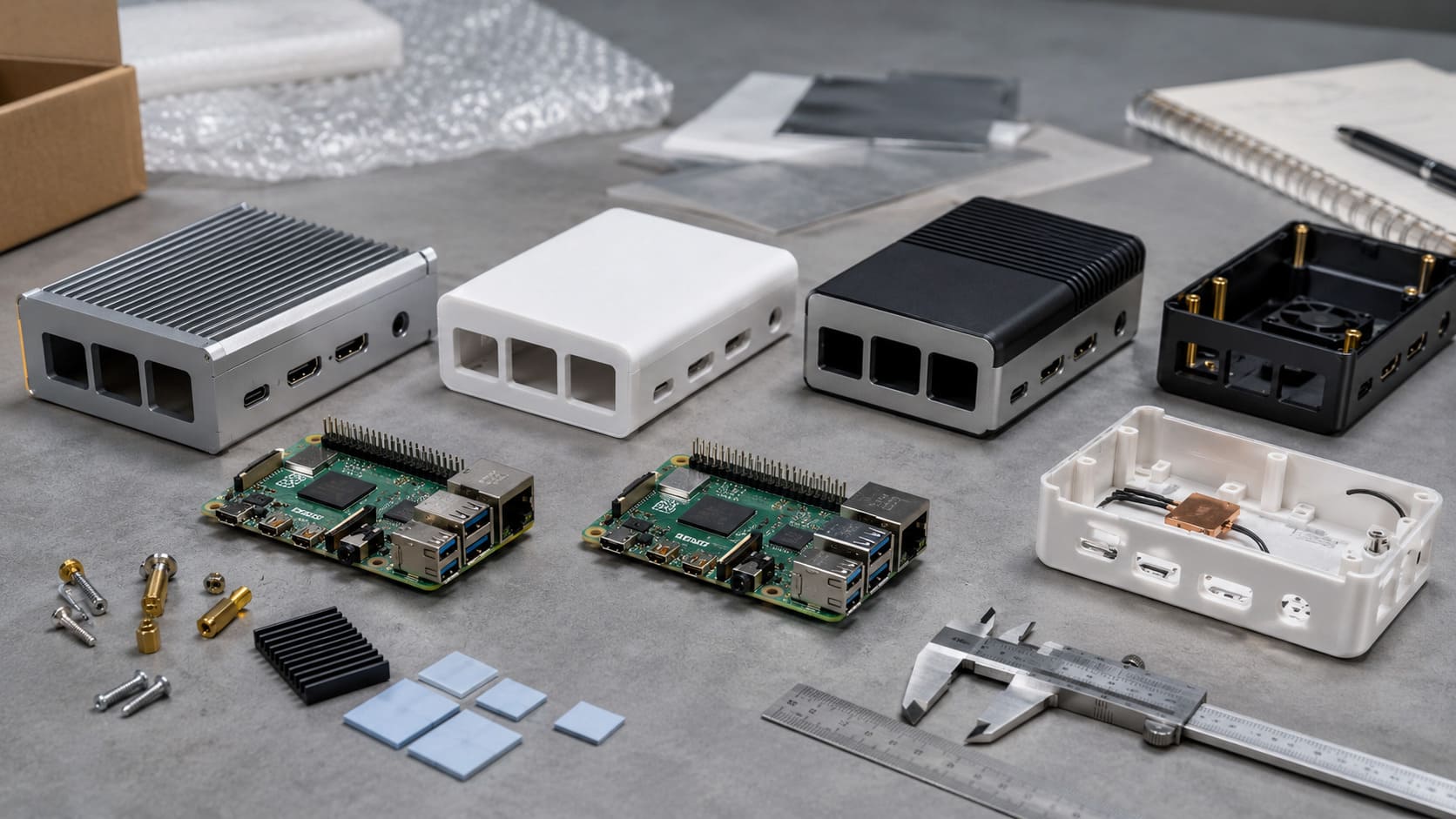
Last month I sat in a Seoul coffee shop, hot Americano steaming beside my laptop. A buyer on the other side of the globe asked, “Vincent, is Raspberry Pi OS really Linux, or is it some odd cousin?” I realized that question hides deep worries for makers, wholesalers, and project managers alike. If the OS drifts too far, support costs balloon. If it stays close, integration is painless. So, how tight is the bond? Let’s pull it apart—one layer at a time.
Stick with me; by the end you’ll know whether Pi OS will save your timeline or shred it.
What Exactly Is “Linux”?

I still remember my first kernel compile in a dim dorm room. The screen was black; the excitement was bright. That night taught me two facts:
The Linux kernel vs. a full distribution
- The kernel is the core: scheduler, drivers, memory manager.
- A full distro layers GNU tools, libraries, and a package manager on top.
Unix-like heritage & POSIX compliance
- Linux follows Unix ideas and the POSIX standard so code moves easily.
- For us, portability means fewer “it only works on my machine” calls.
Before your eyes glaze over, picture the kernel as the engine and the distro as the whole car. Ready to pop the hood on Pi OS?
Raspberry Pi OS at a Glance
From Raspbian to Raspberry Pi OS
I shipped my first Pi case the year Raspbian dropped (2012). Since then, the OS grabbed a new name in 2020 and a 64-bit brain in 2022.
Debian roots and Bookworm base
- Pi OS mirrors Debian stable. Same package recipes, same calm release rhythm.
- When Debian patches OpenSSL, Pi OS benefits days later.
32-bit vs. 64-bit editions
| Edition | Max RAM | Typical Use | Good for |
|---|---|---|---|
| 32-bit | 4 GB | Zero 2 W, Pi 3 | Legacy peripherals |
| 64-bit | 8 GB+ | Pi 4, Pi 5 | Heavy browsers, containers |
Choosing between them is like picking shoes: lightweight runners or sturdy boots. Let’s lace up the boot process next.
Boot & Kernel Architecture
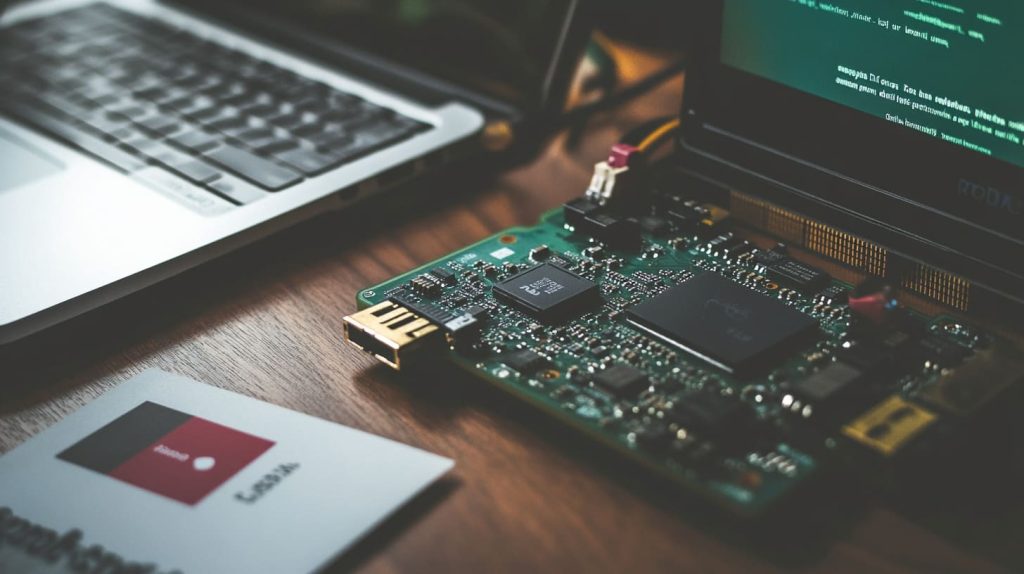
Bootloader sequence unique to Raspberry Pi
- GPU boot ROM →
bootcode.bin→config.txt→ kernel - PCs use GRUB or UEFI instead.
Raspberry Pi-patched kernel vs. mainline Linux
- Extra drivers for the camera, audio jack, and funky clocks.
- Many patches flow upstream; some stay local for now.
Device-tree overlays & hardware abstraction
Need to light up a DSI touch screen at 3 a.m.? One line in config.txt does it. No recompile, no drama.
Boot tales done; software cargo awaits in the next terminal.
Package Management & Repositories
APT/dpkg common ground with Debian
sudo apt update && sudo apt full-upgrade—same spell everywhere.
armhf & arm64 repositories
Cross-compiling? Vendor CI can push both arches in one night run.
Raspberry Pi-specific meta-packages & tools
raspi-config, rpi-eeprom-update, vcgencmd. Small helpers, big time savers.
Packages installed? Time to click around the desktop.
Desktop Environment & User Experience
PIXEL (LXDE-based) vs. mainstream desktops
- Uses ~200 MB RAM idle.
- Swaps heavy GNOME eye-candy for snappy panels—great for kiosks.
Pre-installed software bundle
- Chromium with video decode, VLC, Thonny IDE, even a lite Wolfram.
- Licenses are sorted, so you stay legal when you ship units.
But pretty pixels mean little without solid drivers. Let’s peek under that layer.
Hardware Support & Drivers
VideoCore IV/VI GPU stack
Open-source Mesa grows yearly; FKMS gives way to full KMS on Pi 5.
GPIO, SPI, I²C & industrial IO libraries
WiringPibowed out. Nowlibgpiodrules most GPIO libraries.- Python wrappers keep prototyping swift.
Firmware & EEPROM updates
rpi-eeprom pushes fixes straight to SPI flash. Secure-boot fuses on Pi 5 promise calmer audits.
Drivers loaded? Great. Let’s floor the pedal and see how fast it goes.
Performance & Optimization
Scheduler tweaks and PREEMPT settings
Real-time flags help my Belgian client read barcode scanners without hiccups.
Overclocking, undervolting, and thermal throttling
| Setting | Safe Range | Effect | Warranty |
|---|---|---|---|
| ARM freq | 1500-2300 MHz | Snappier UI | Might void |
| GPU freq | 500-800 MHz | Smoother video | Lower risk |
Benchmarks vs. vanilla Debian ARM
On Pi 5, Pi OS boots 15 % faster than plain Debian thanks to tuned services.
Speed thrills, but security bills—let’s cover it before the auditors call.
Security Considerations
Default user/password change prompts
The 2023 wizard forces a new password; no more “pi/raspberry” shame.
Secure Boot limitations
Pi 5 OTP fuses give a trust anchor, yet still shy of TPM on laptops.
Update channels & long-term-support kernels
Stable vs. legacy—pick one, document it, sleep better.
Security locked down. What about running “real” Linux apps? Glad you asked.
Software Compatibility Layer
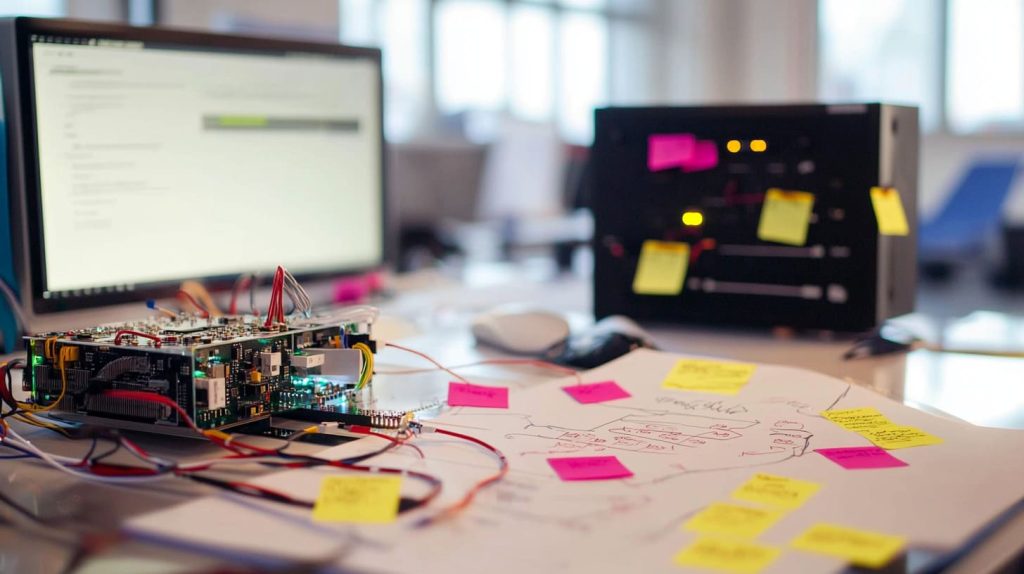
Running mainstream Linux apps
Flatpak, AppImage, Snap—all fine once ARM64 builds exist.
Containerization & virtualization on Pi OS
I push demo stacks with Docker and K3s. Works, though armhf images need care.
Cross-distro build tips
CI pipelines cross-compile on x86, then scp artifacts to Pi clusters overnight.
Community keeps those pipelines humming—let’s meet the folks.
Community, Governance & Support

Raspberry Pi Foundation stewardship
Quarterly updates, clear changelogs.
Debian community contributions
Bugs flow upstream; patches drift downstream. Symbiosis, not silos.
Documentation, forums, and commercial SLA options
Official docs cover 80 %. For niche I²C quirks, the forum lights the path.
Still, Pi OS isn’t the only show in town. Let’s window-shop.
Alternative Linux Distributions on Raspberry Pi
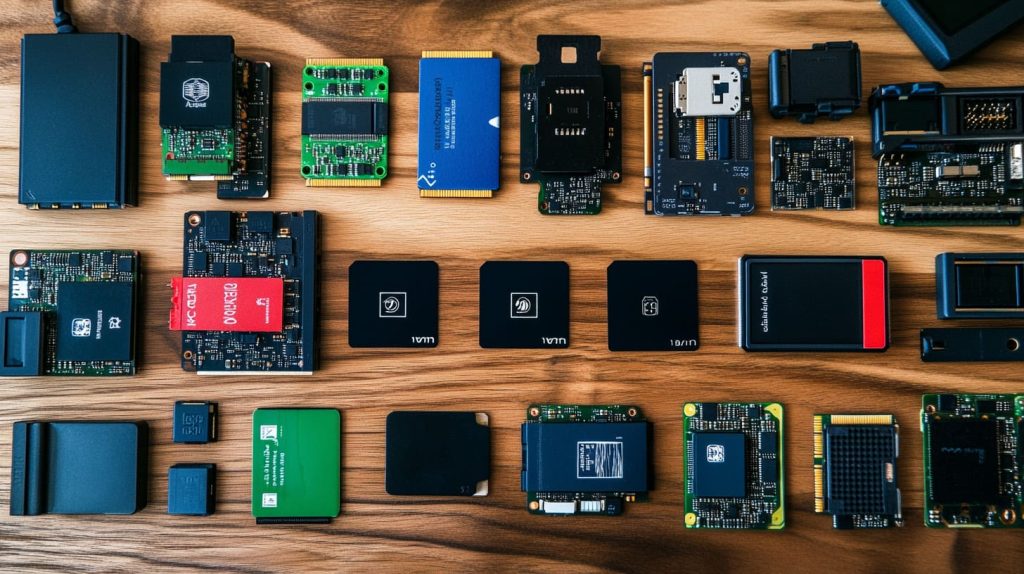
Debian ARM
Pure, slow-moving, perfect for regulators.
Ubuntu Server/Desktop
Friendly LTS, heavier RAM bill.
Arch Linux ARM & Manjaro
Rolling edge; keep backups handy.
Specialized images (Kali, LibreELEC, Home Assistant, Fedora IoT)
When the project demands a niche toolkit, swap cards, not boards.
Choices abound—how do you pick your winner?
Choosing the Right OS for Your Use Case

Hobbyist tinkering vs. mass-produced products
Sandbox freedom vs. locked-down repeatability.
Classroom & STEM education deployments
Need bulletproof resets. Pi OS wins with quick SD re-imaging.
Industrial & commercial IoT roll-outs
Compliance, supply chain audits, five-year kernel LTS—sometimes a Yocto build trumps all.
Decision tree drawn, coffee nearly gone. Time to wrap.
Conclusion
Raspberry Pi OS is Linux—Debian’s child with Pi-specific tweaks. For Davide, that means Amazon customers get familiar packages and painless security updates. For Lasle, it means a stable base he can bend without breaking. My checklist before every shipment: kernel patch level, package lock file, boot config. If those pass, I label the box, smile, and trust the little board to do big work.