Introduction
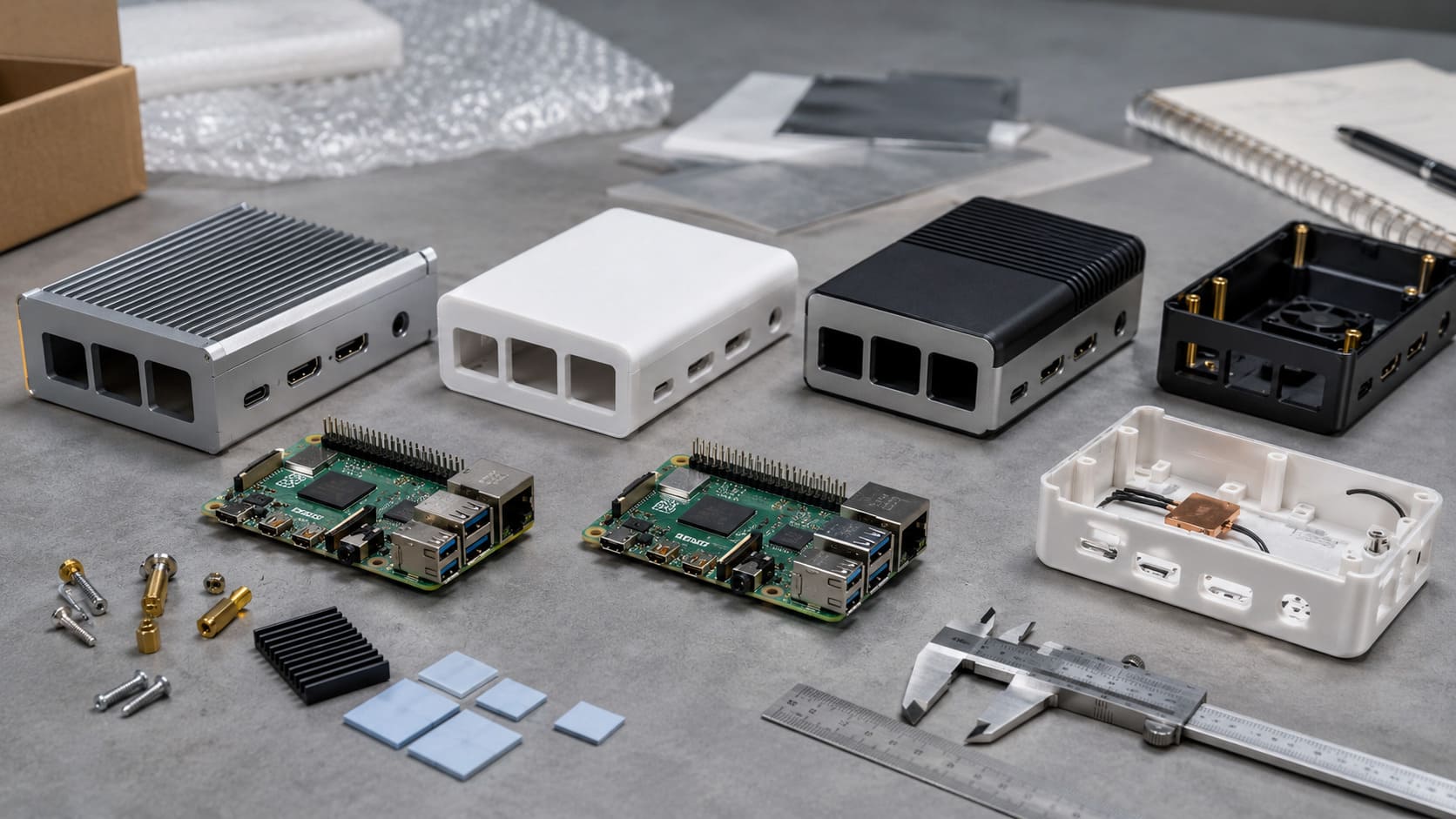
I still remember when my younger cousin first asked me, “How does a computer actually work?” That simple question made me think about how kids learn best when they get their hands on real, tangible tools. The Raspberry Pi Foundation caught my attention because it seemed so accessible and affordable. In this post, I will explore if the Raspberry Pi is truly the right fit for a child’s first computer. I have tested it, tinkered with its parts, and even taught a few neighborhood kids how to code on it. Let me share my honest thoughts.
Understanding the Raspberry Pi

I once told a friend, “If you can power on a TV, you can power on a Raspberry Pi.” It’s a small board, but it can do so much. Before I jump to how it might help a child, I want to clarify some core details about the Pi.
What Is a Raspberry Pi?
I see the Raspberry Pi as a mini-computer that grew out of a dream: make programming accessible to everyone. Many schools and hobbyists embrace it. Critics say it’s too basic. I think it’s a gateway for hands-on learning. From my own experiences, it’s not just a toy but a stepping stone toward understanding real computing.
Critical Thought: Some parents worry that a simple computer won’t teach enough. Others say the real secret is in letting children explore, even if it means diving into command lines. In my view, giving kids a sense of control sparks creativity that typical laptops sometimes restrict.
Evolution and Models
The Pi has grown from a basic board to versions like the Raspberry Pi 4. Each new release improves speed, memory, and ports. You can attach cameras, sensors, or even build a mini gaming station. My personal favorite is the Pi 4 Model B because it makes streaming and coding feel smoother.
Critical Thought: More expensive doesn’t always mean better. I know a friend who made wonderful art installations on a cheaper model. The value depends on the child’s curiosity, not purely on the hardware’s tech specs.
“Why does this matter?” someone asked me. Because choosing the right model can save time and headaches later. I suggest starting with a middle-range Pi if budget allows, so your child can try many projects without hitting performance limits too soon.
I used to worry about long shipping times. I run a small factory in China, so I know this industry. But if you plan well, you can get the Pi and the needed accessories quickly, often with wholesale options if you ever need bulk orders.
I’m about to walk you through the main perks of using a Raspberry Pi for kids. If you’re still with me, keep reading. I’ll promise to keep it real and honest.
Benefits of Raspberry Pi for Children

Whenever I show a parent how small the Pi is, they say, “This is it?” But don’t let the size fool you. Let’s dig into what makes it shine for young learners.
Affordability
I love that the Pi won’t break the bank. If your child accidentally damages the board, it’s not as financially painful as replacing a traditional PC. That lower cost also means more freedom to experiment or add single-board computer accessories.
Critical Thought: Some say “cheaper means lower quality.” But in my experience, cost-effectiveness encourages exploration. Kids can install new software or practice soldering without constant stress about messing up a pricey system.
Below is a quick table showing a basic cost comparison:
| Item | Raspberry Pi Approx. Price | Traditional PC Approx. Price |
|---|---|---|
| Main Unit | $35–$55 | $300+ |
| Power Supply + Cables | $10–$20 | Usually included |
| Required Accessories | $20–$40 | $50+ |
| Total Range | $65–$115 | $350+ |
Educational Value
One day, I was guiding a 10-year-old through a scratch programming project on the Pi. He lit up when he saw his character move for the first time. With the Pi, programming is visible and direct. That immediate feedback helps children build confidence.
Critical Thought: Some argue that tablets are simpler for kids. But I believe a child who learns to code on a Pi gains a deeper sense of how computers actually process information.
Community Support
When I first struggled to set up a sensor for a Pi-based weather station, I found an entire online forum dedicated to that exact project. Parents and kids can tap into these resources. They can ask questions, share success stories, and get help when something isn’t working.
Critical Thought: An active community reduces frustration. However, some are concerned about online communities lacking official oversight. I advise everyone to verify information by double-checking with multiple sources or reliable guides.
This is where the Pi starts showing its true colors. But it’s not all sunshine. Let me be fair and tackle what might hold a child back.
Potential Drawbacks

I’ve praised the Pi, but nothing is perfect. Some kids will thrive with a Pi, others might find it too fiddly. Let’s break down the main issues.
Technical Complexity
A Pi setup isn’t like plugging in a console. You might need to flash an SD card, connect the GPIO pins, or troubleshoot command-line errors. Younger children probably need an adult’s help.
Critical Thought: Some believe this complexity is part of the learning curve. Others see it as a roadblock. My take? If you or another adult can guide them, that complexity can become an adventure. Otherwise, it’s easy to get stuck.
Limited Performance
I recall the first time I tried to run heavy design software on a Pi. It was slow. For general coding, it’s fine. For high-end gaming or large data processing, not so much.
Critical Thought: If your child just needs typical apps or wants to learn coding, no problem. But if they plan to edit 4K videos or play the latest AAA games, a Pi might disappoint.
We’ve seen pros and cons. So how does it match up against a typical desktop or laptop? Let’s dive into that next.
Comparing Raspberry Pi to Traditional Computers
I’m often asked, “Should I just buy a cheap laptop instead?” To answer that, let’s look at what each option does best.
Purpose and Use Cases
A Raspberry Pi excels at programming, electronics projects, and small-scale tasks. It’s also great for introducing hardware basics. Traditional computers handle broader tasks like gaming, graphic design, and big software.
Critical Thought: For a child who likes tinkering, the Pi is a treasure. For a teen who wants advanced video editing, go for a full PC. There’s no single perfect answer—only what fits the child’s interests.
Software Availability
The Pi runs a special version of Linux. That means it’s easy to find free educational and coding tools. However, some big applications don’t have Pi-compatible versions.
Critical Thought: Limited software can actually push a child to explore open-source programs. This can be a good or bad thing. If your child has a school assignment that needs Windows-only software, the Pi might not meet that need.
Now, let me share how this humble board has found its way into real classrooms and after-school clubs.
Success Stories and Educational Programs

I once visited a local coding workshop for kids, and they had a row of Raspberry Pis set up. Every child there was building a mini game. Even the instructor said that the Pi’s simplicity made it easier to teach fundamentals.
Classroom Integration
Some schools use Pi-based courses to introduce coding, robotics, and electronics. Teachers note that hands-on exercises lead to better problem-solving skills. Still, a teacher told me she struggled with limited performance when running advanced simulations.
Critical Thought: Integration depends on a school’s curriculum and resources. If there’s no adequate support, the Pi might end up gathering dust. But with proper planning, it can be a powerful educational tool.
Extracurricular Projects
I saw a kid build a mini drone control system using a Pi and some sensors. Another used the Pi to monitor plant growth in a tiny greenhouse. These projects spark curiosity and give children a sense of ownership.
Critical Thought: Some see it as a hobby platform rather than a core academic tool. Yet, I feel these extracurricular projects teach real-world skills in a fun way. Kids who explore these projects often show more enthusiasm in STEM classes.
The question is: can parents help children navigate these experiences effectively? Let’s see.
Parental Involvement and Support

I’m a firm believer that a child’s interest in any technology grows when they have an adult who cares. Whether it’s a parent, teacher, or even an older sibling, support is vital.
Facilitating Learning
When I helped my cousin set up his Pi, we spent time downloading software, testing sensors, and debugging code. We bonded over each tiny victory. From adding a custom brand sticker on the case, to explaining how an SD card works, that guidance was key.
Critical Thought: Some parents feel they must be tech experts. But I’ve seen non-tech-savvy parents learn alongside their kids. The shared learning journey can be more valuable than “knowing it all” from the start.
Ensuring Safety
I remember once we forgot to power down before adjusting a connection. It sparked. It taught me a lesson. Simple precautions—like disconnecting power first—keep the Pi adventures safe.
Critical Thought: Online safety matters too. Kids might visit forums or watch YouTube tutorials. Parents should set boundaries and monitor what’s happening so that a healthy learning environment is maintained.
Now, I’ll wrap it up in the conclusion below.
Conclusion
I’ve seen children light up with excitement when they grasp a new concept on a Pi. I’ve also watched them get frustrated when something doesn’t work right away. In my mind, that’s the nature of true learning: progress through exploration and a bit of trial and error. A Raspberry Pi can indeed make a fantastic first computer if you have the patience to guide a child and the willingness to embrace minor bumps in the road. It won’t replace a high-end workstation, but it can spark a lifelong curiosity in computing. And that, to me, is priceless.