Skip to content

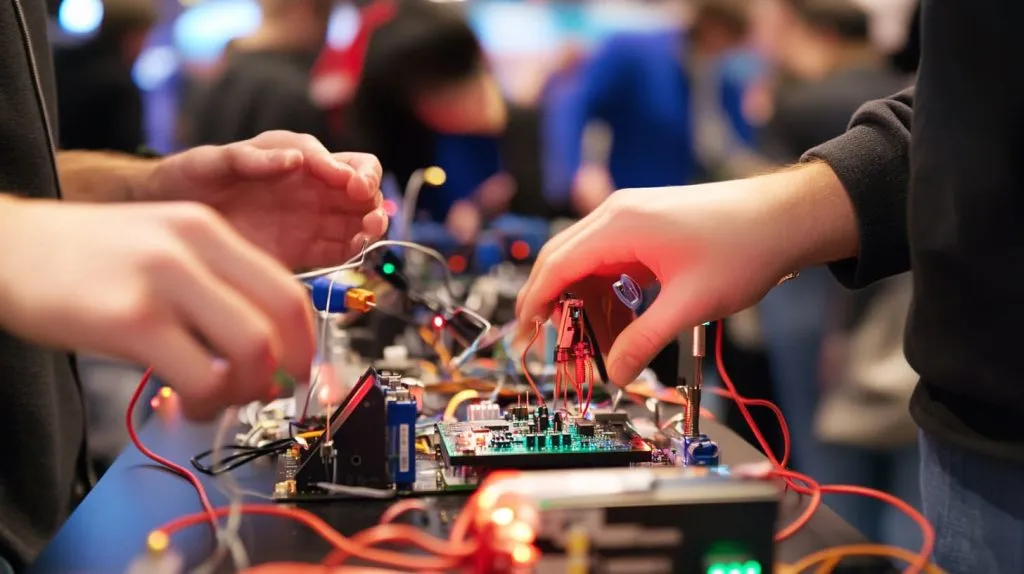
At a crowded maker fair in Berlin, I watched a teenager build a facial recognition door lock using a Raspberry Pi 4, some salvaged parts, and a lot of curiosity. A few booths away, a company was showcasing an edge server powered by the same board, running real-time dashboards from remote factory sensors. Neither of these setups looked flashy. But both worked — quietly, reliably, and on a shoestring budget.
That’s what keeps the Pi 4 alive in 2025. It doesn’t need to impress on paper. It proves its value where it matters most — in real builds, tight timelines, and limited power sockets.
Why the Raspberry Pi 4 still matters in 2025
The Pi 4 sits in a sweet spot. It is cheap enough for classrooms, yet strong enough for edge servers. Newer boards push faster frames, but they also push budgets and power bills.
Snapshot of key specs & pricing tiers
| Model | CPU | RAM options | Retail Price 2025* | Typical Street Price* |
|---|---|---|---|---|
| 1 GB | 1.5 GHz Cortex-A72 x4 | 1 GB LPDDR4 | $35 | $39–45 |
| 4 GB | 1.5 GHz Cortex-A72 x4 | 4 GB LPDDR4 | $55 | $59–70 |
| 8 GB | 1.8 GHz Cortex-A72 x4 (rev B) | 8 GB LPDDR4 | $75 | $79–95 |
*Prices from Alibaba and EU resellers in May 2025.
That covers the basics. Now let me show you why the board still runs laps around older models.
Hardware Advantages
Cortex-A72 CPU & VideoCore VI GPU performance gains
I once rebuilt our internal NAS on a Pi 4 just to test it. Copying 200 GB of CAD files felt twice as quick compared with the Pi 3. The upgraded core and 500 MHz GPU bump shave minutes off real builds.
RAM scalability up to 8 GB for heavier multitasking
Four browser tabs and a Docker container no longer choke the board. On my bench an 8 GB unit ran Grafana, Pi-hole, and OctoPrint without swapping.
Faster I/O: USB 3.0, true Gigabit Ethernet & Bluetooth 5.0
A simple SSD over USB 3.0 reached 350 MB/s. That turns a hobby board into a small file server. Gigabit Ethernet moves backup images before coffee cools.
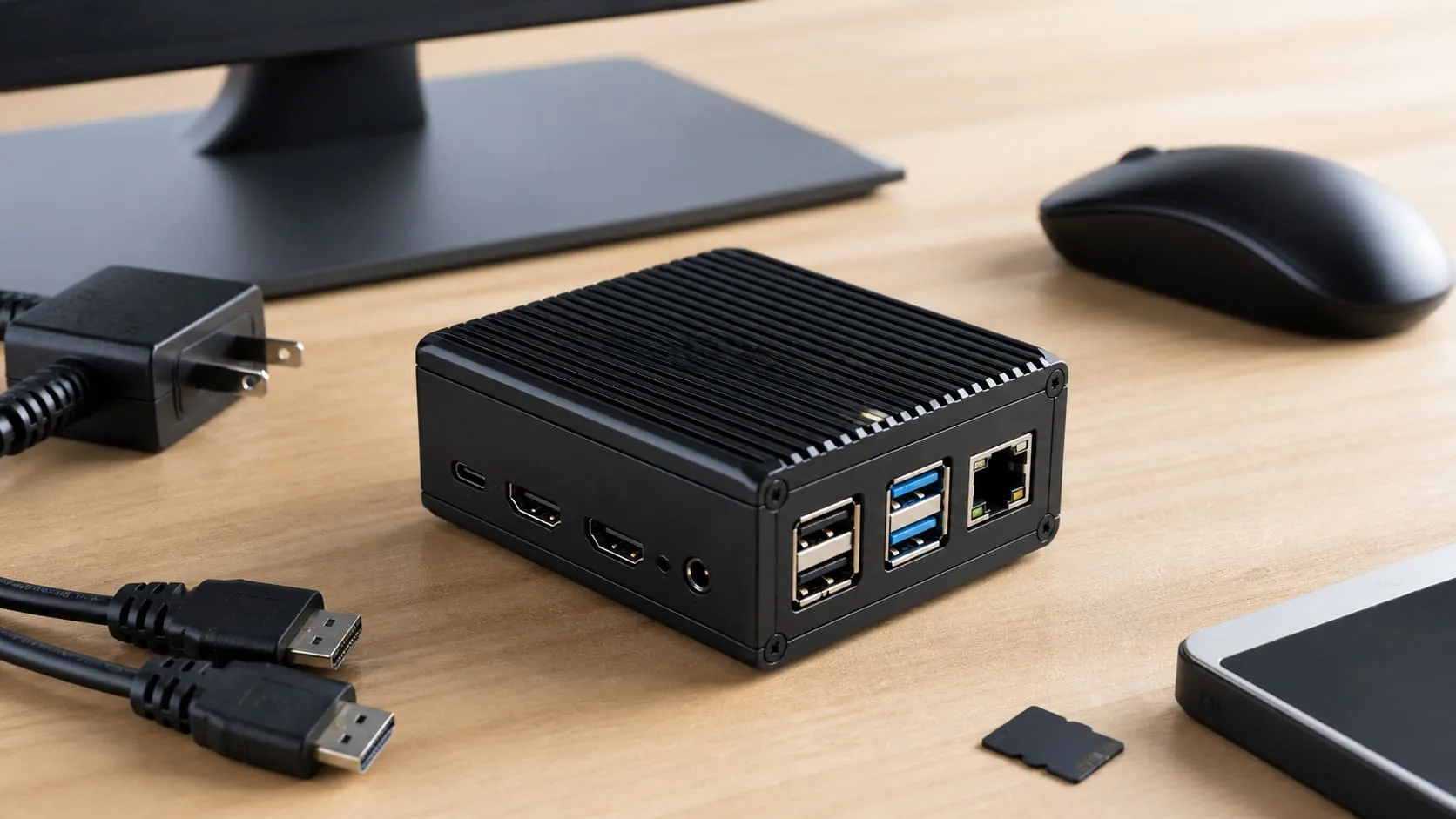
Dual 4 K micro-HDMI display output
Two 4 K screens on one palm-sized board still catch trade-show visitors off guard. It helps when demoing enclosure CAD files beside live sensor charts.
USB-C / PoE power flexibility for diverse deployments
I powered 20 kiosk units through PoE to cut adapter clutter. At a booth in Berlin, a single switch fed both data and power — fewer cables, fewer headaches.
Next up, let’s be honest about the bumps that come with that muscle.
Hardware Limitations
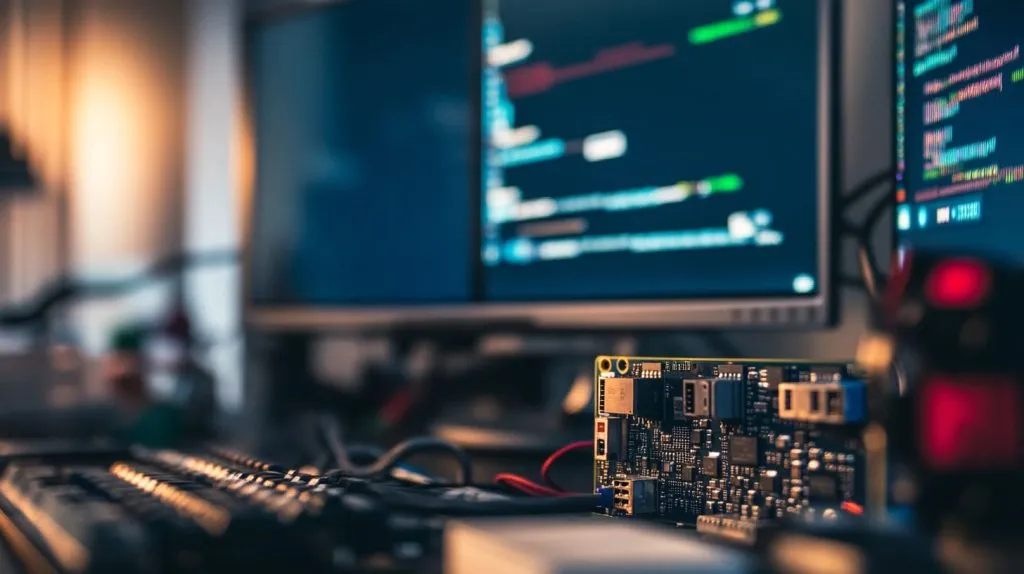
Higher power draw and notable heat generation
Idle draw doubled versus the Pi 3. Under load, the SoC touches 80 °C in Shenzhen summer heat.
Thermal throttling without active cooling solutions
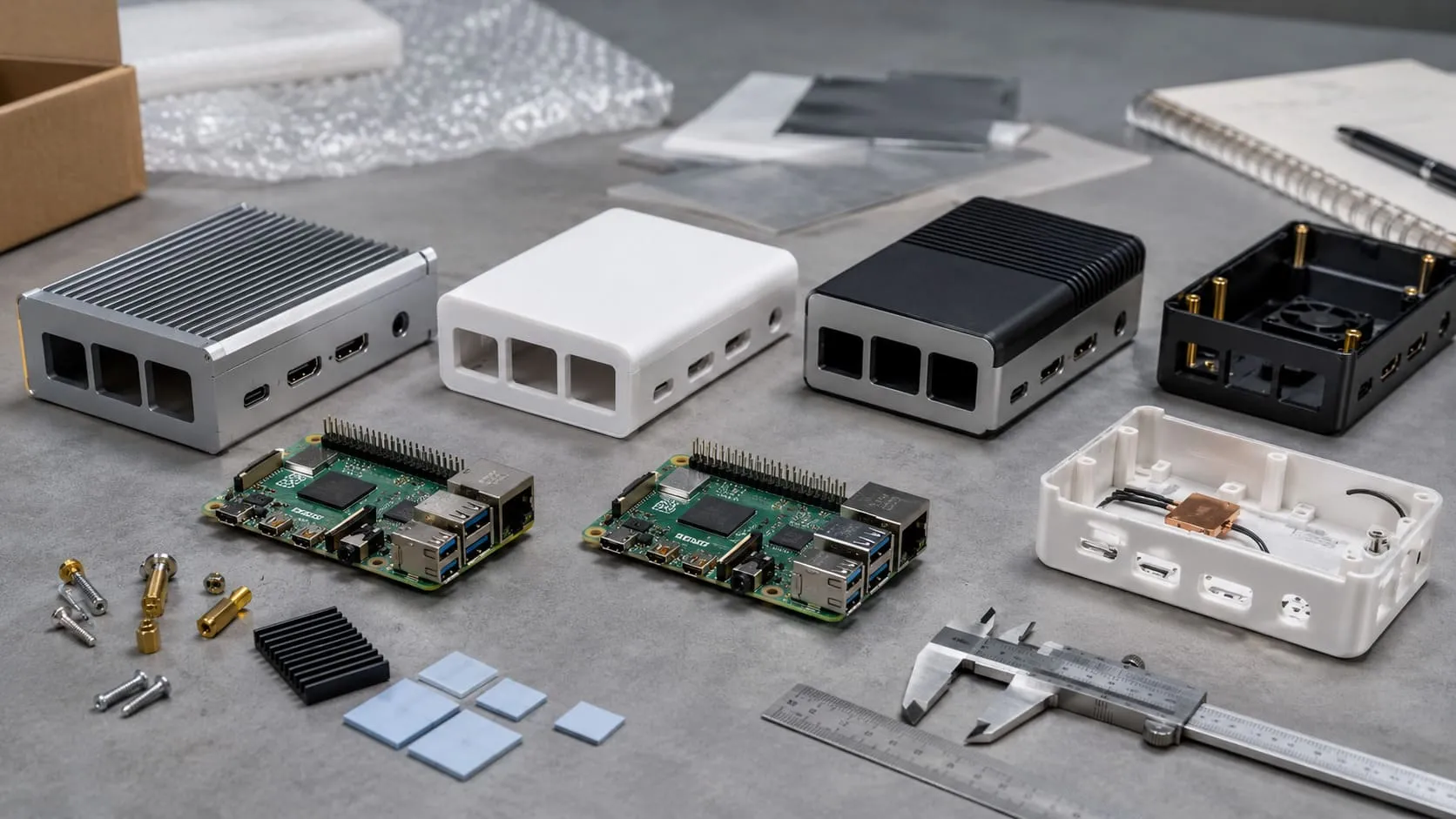
I lost 300 MHz on stress tests until I slapped on our 10 mm copper heatsink and a 30 mm fan. Silence is nice; stability is nicer.
Supply-chain shortages and recent price variability
Chip crunches pushed EU street prices above $90 last winter. Forecast buying beats spot panic — more on that later.
micro-HDMI & microSD: adapter pain and storage bottlenecks
Forget your dongle and you are stuck. And even A2 microSD cards bottleneck random writes below 40 MB/s.
Single PCIe lane limits high-speed add-ons
Yes, there are CM4 IO boards with PCIe ×1, but on the vanilla Pi 4 you cannot drop in a fast NVMe stick. Work-arounds exist; elegance does not.
The hardware ledger feels balanced. Software tells another side of the story.
Software Ecosystem Strengths
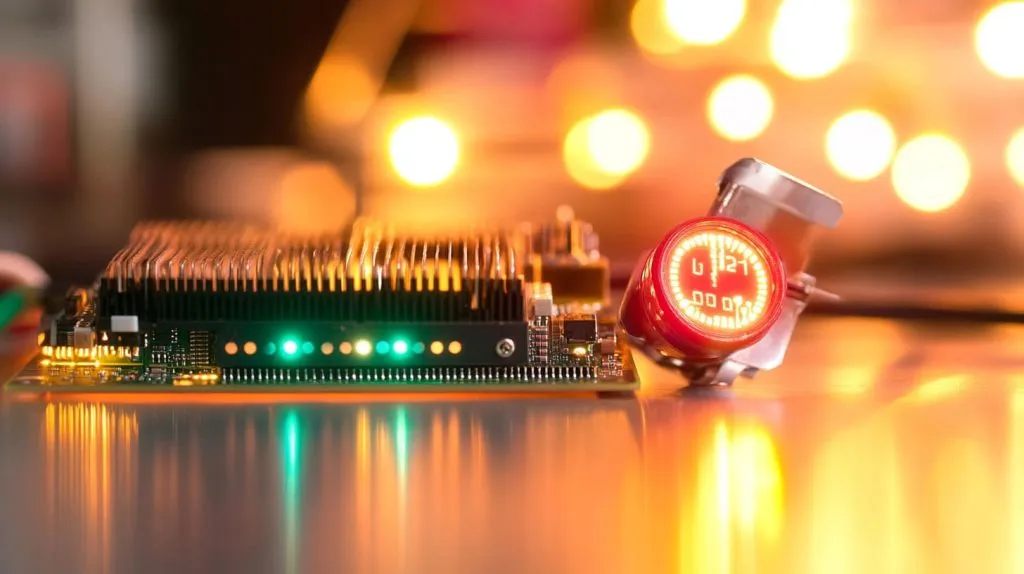
64-bit Raspberry Pi OS plus broad Linux distro support
Pop in Ubuntu Server or Arch with a one-liner. The 64-bit userland finally lets Docker images breathe.
Huge community, documentation & tutorial backlog
When Jacky’s intern bricked SSH, a five-year-old forum thread fixed it in three lines.
Back-catalog of HATs, GPIO add-ons and peripherals
Need an e-ink display, a CAN bus, or a LoRa radio? Someone built a HAT for it, and someone else wrote the wiki.
Ongoing firmware updates and long-term security patches
Apt upgrade on my launch-day board still pulls fresh EEPROM bits. Few $35 gadgets enjoy that lifespan.
But even the friendliest ecosystem has blind spots.
Software & Workload Constraints
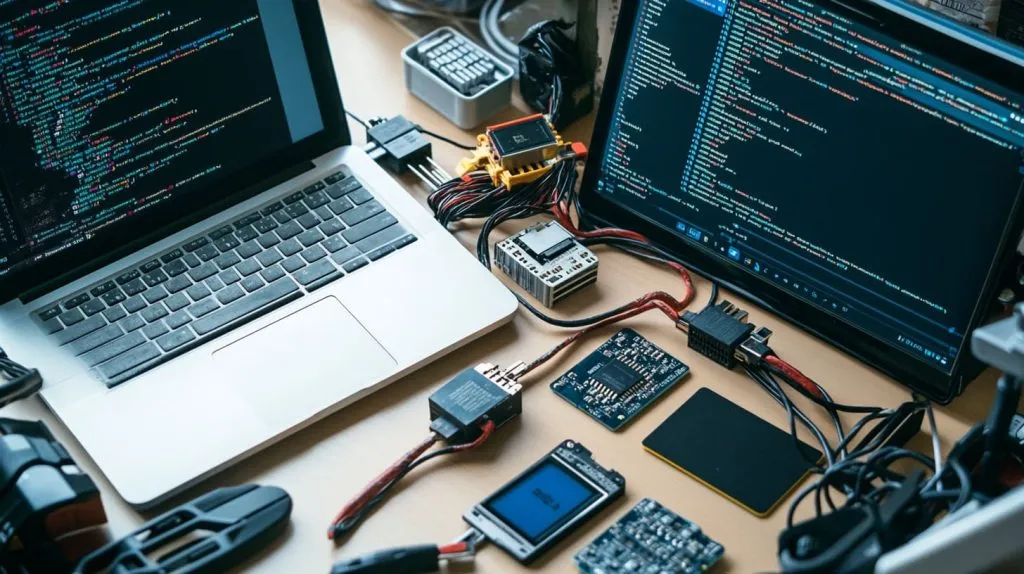
Underwhelming for x86 virtualization or heavy desktop tasks
KVM emulation crawls. If you need VirtualBox, pick x86 iron.
Limited GPU drivers for demanding 3-D or AI acceleration
You can run TensorFlow Lite. You cannot train YOLO in coffee-break time.
Some packages still 32-bit or closed-source blobs
I still juggle ia32-libs on a camera project because no 64-bit driver exists.
Real-time and industrial OS options remain niche
PREEMPT_RT builds help but do not meet every factory spec for deterministic latency.
Constraints identified, let’s ground them in things people actually build.
Real-World Use Cases Where Pi 4 Excels
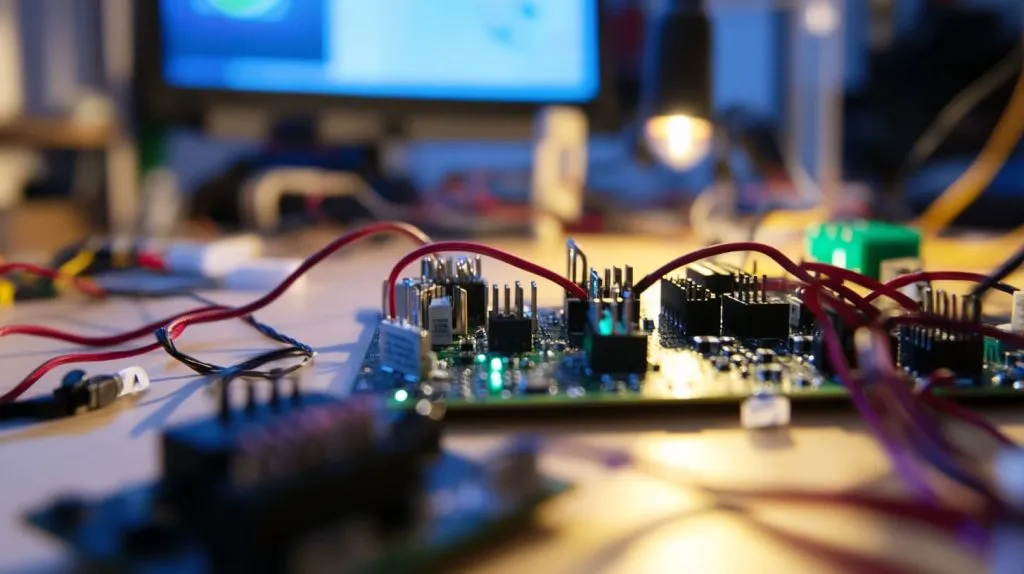
Always-on home servers (Pi-hole, NAS, Kubernetes edge)
My home Pi-hole has a 120-day uptime streak and draws less than an LED bulb.
IoT gateways, robotics controllers & sensor hubs
Lasle wired 40 temperature probes to GPIO and pushed MQTT to his factory dashboard. Zero hiccups.
Media centers, retro-gaming boxes & thin clients
LibreELEC streams 1080p with HDR. RetroPie runs PSX titles at full speed.
STEM classrooms and beginner coding platforms
Fifty boards, one teacher, zero Windows license fees. Kids flash LEDs, parents see value.
Use cases shine, but shadows still exist.
Scenarios Where Pi 4 Falls Short
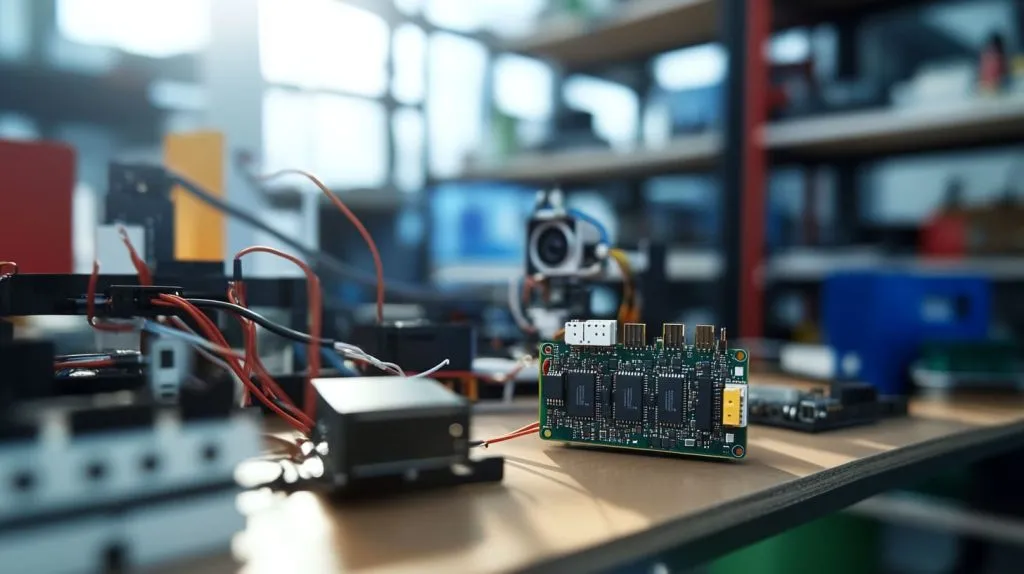
4 K Plex transcoding and multi-stream media servers
One H.264 stream is fine. Two will stutter; three will crash.
Training or running large AI/ML models on-device
I clocked 18 minutes for a 20-epoch MNIST run. A laptop GPU did it in 40 seconds.
Mission-critical industrial workloads needing ECC/RTC
No built-in RTC, no ECC. You can bolt extras on, but auditors may frown.
Battery-powered or ultra-low-power field deployments
Sleep modes exist, yet a Pi Zero 2 W sips one-fifth the power.
Knowing limits helps us weigh the board against shiny newcomers.
Pi 4 vs. Successors & Competing SBCs
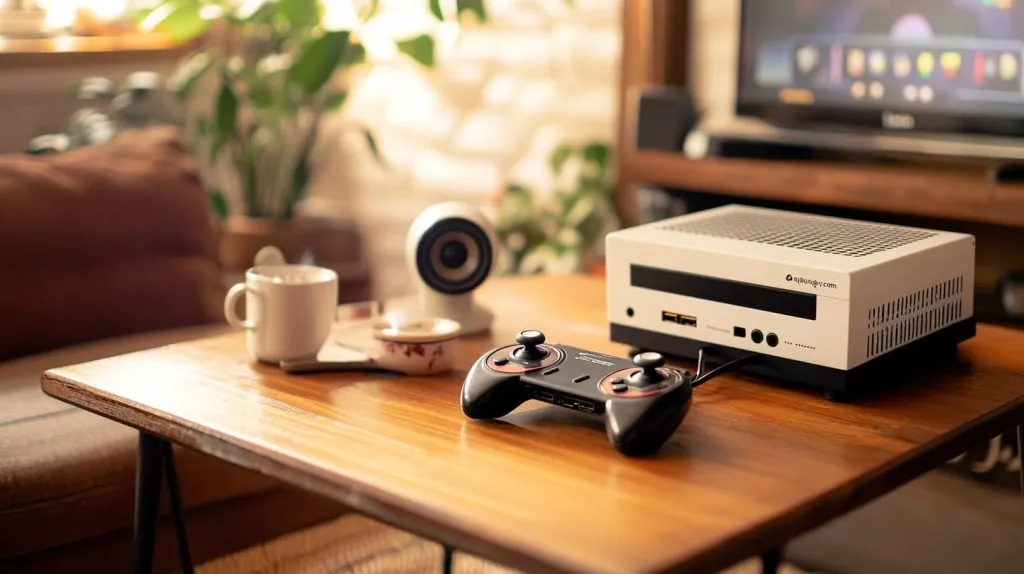
Raspberry Pi 5 performance leaps & feature upgrades
Pi 5 brings PCIe ×1, 2.4 GHz cores, and a CSI/DSI combo connector. It also needs active cooling and costs 30 % more.
Orange Pi 5, Banana Pi M8 and other ARM rivals
Many pack NPU cores and LPDDR5. Documentation and community still lag behind Pi’s decade-old wiki.
Decision matrix: when Pi 4 remains the value pick
| Need | Pi 4 | Pi 5 | Orange Pi 5 | Banana Pi M8 |
|---|---|---|---|---|
| Cost under $60 | ✅ | ❌ | ✅ | ✅ |
| Large community | ✅ | ✅ | ⚠️ | ⚠️ |
| PCIe slot needed | ❌ | ✅ | ✅ | ✅ |
| Fan-free design | ✅ | ❌ | ✅ | ✅ |
Sometimes less flash means more margin. Speaking of margin, let’s talk wholesale playbooks.
B2B & Re-Brand Buying Advice
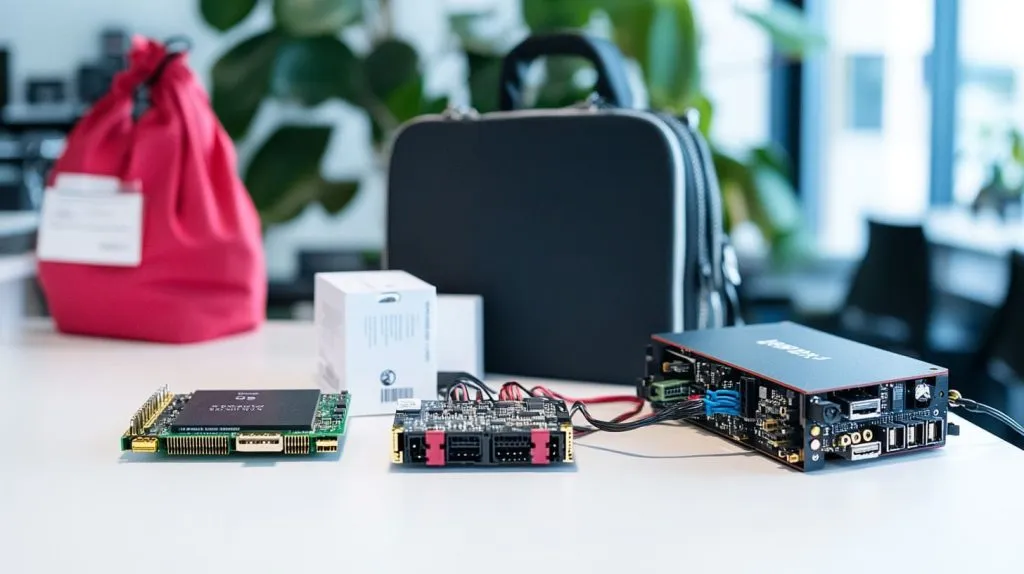
Spot-buying vs. forecast orders amid supply swings
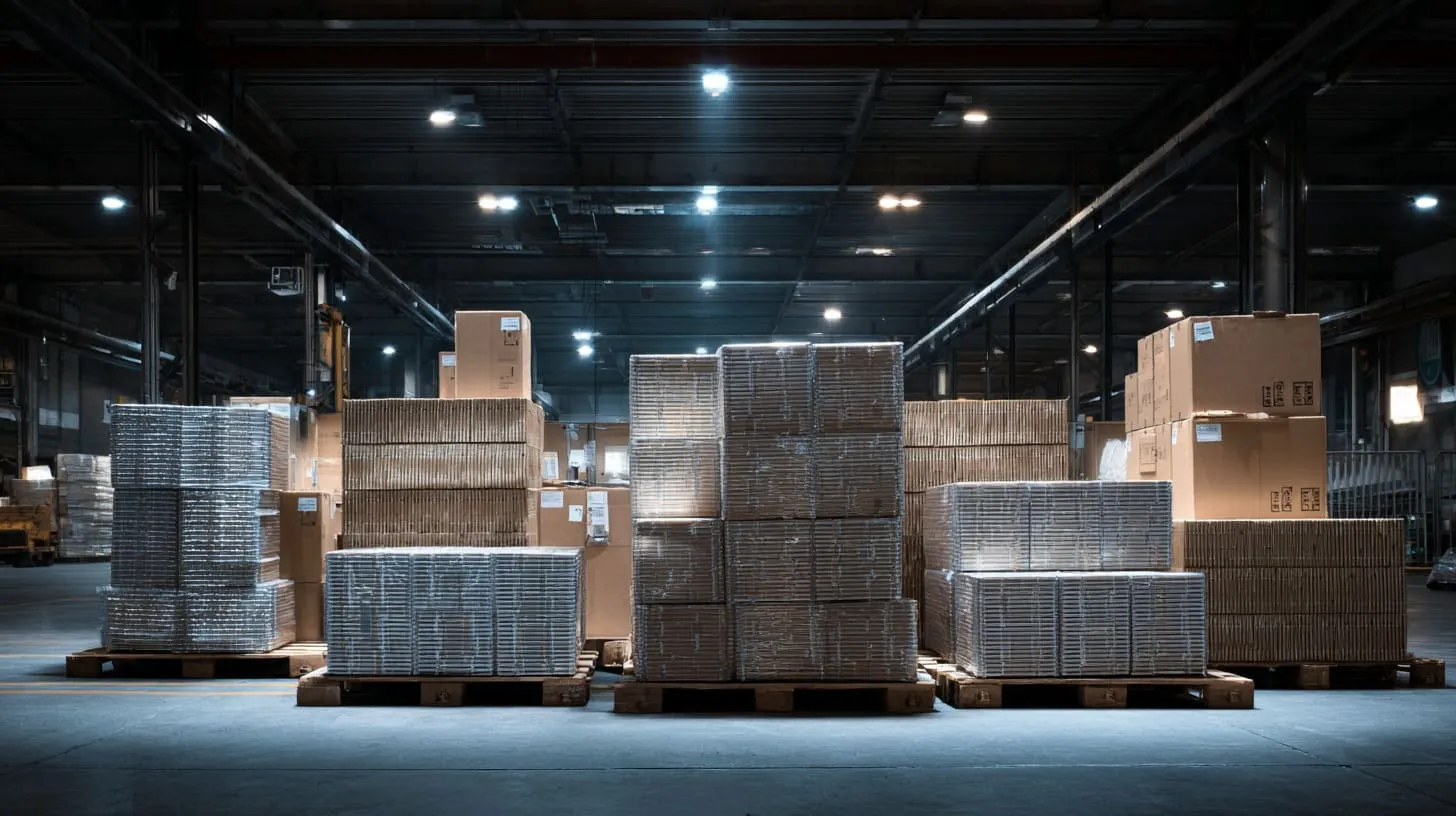
I ask Davide to lock six-month forecasts. It shaves 8 % off cost and beats sudden stockouts.
Custom enclosures, labeling & thermal designs (MaidaTech)
We mill ABS, print logos in one pass, and pre-fit heatsinks so your Amazon listing ships ready.
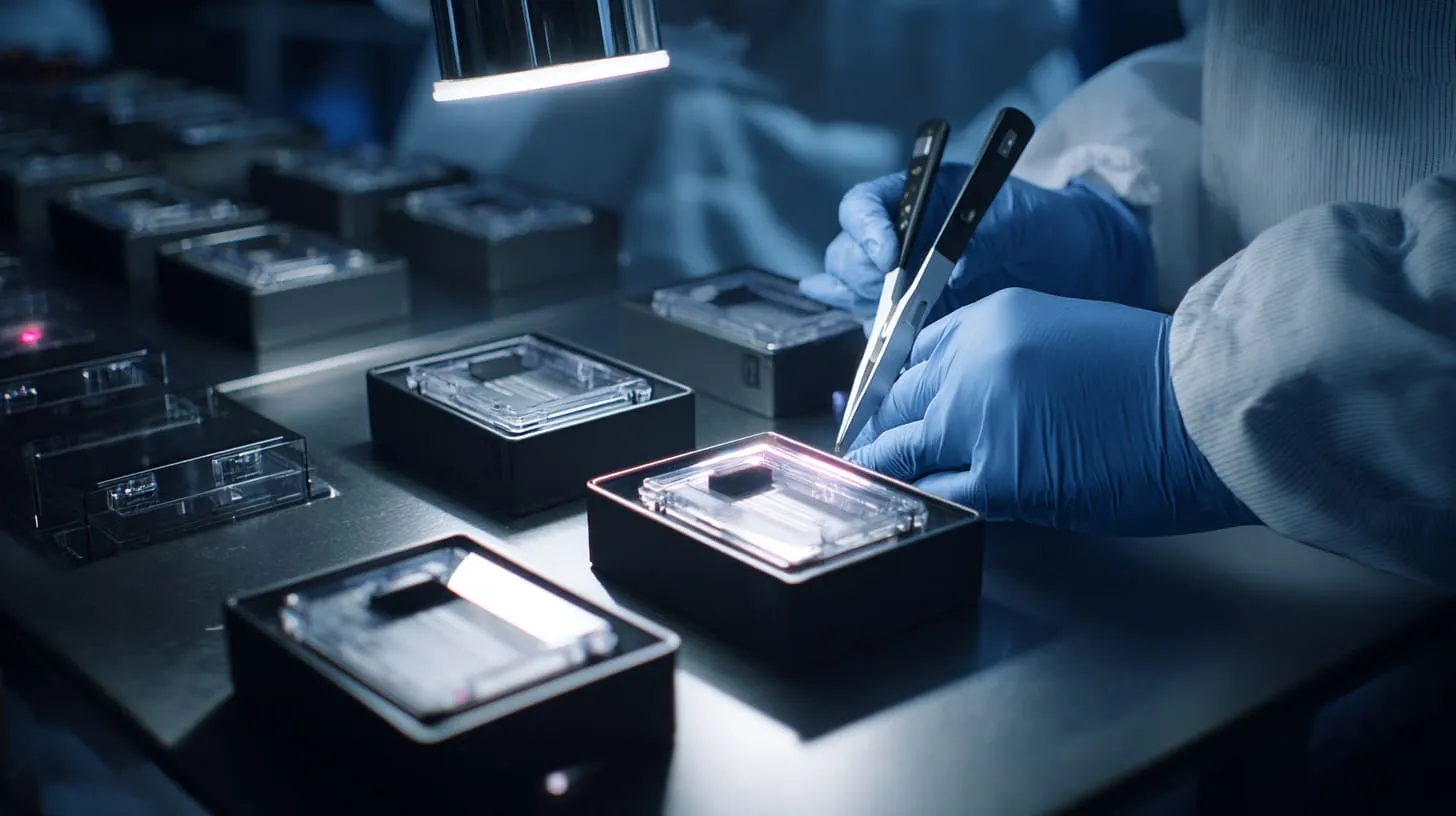
QC checkpoints and packaging for Amazon/Facebook sellers
| Step | Checkpoint | Who signs off | Common catch |
|---|---|---|---|
| 1 | Incoming PCB test | MaidaTech QA | Wrong RAM skew |
| 2 | 24-hr burn-in | Client’s 3rd-party lab | Over-temp |
| 3 | Final packaging | Davide’s inspector | Mis-aligned label |
A well-oiled chain beats any spec sheet. Let’s wrap this up.
Conclusion
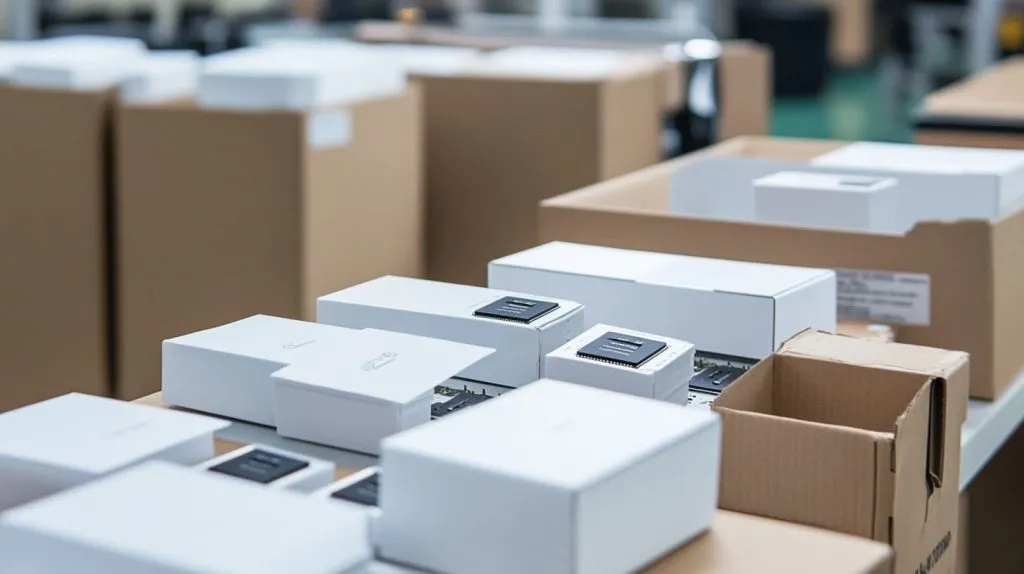
The Pi 4 is neither perfect nor obsolete. It blends solid speed, vast tooling, and still-friendly prices, yet it asks for cooling and careful workloads. For hobbyists, teachers, and B2B buyers who prize balance over bragging rights, the Pi 4 in 2025 is a tool that still earns its bench space — and its margins.