Skip to content


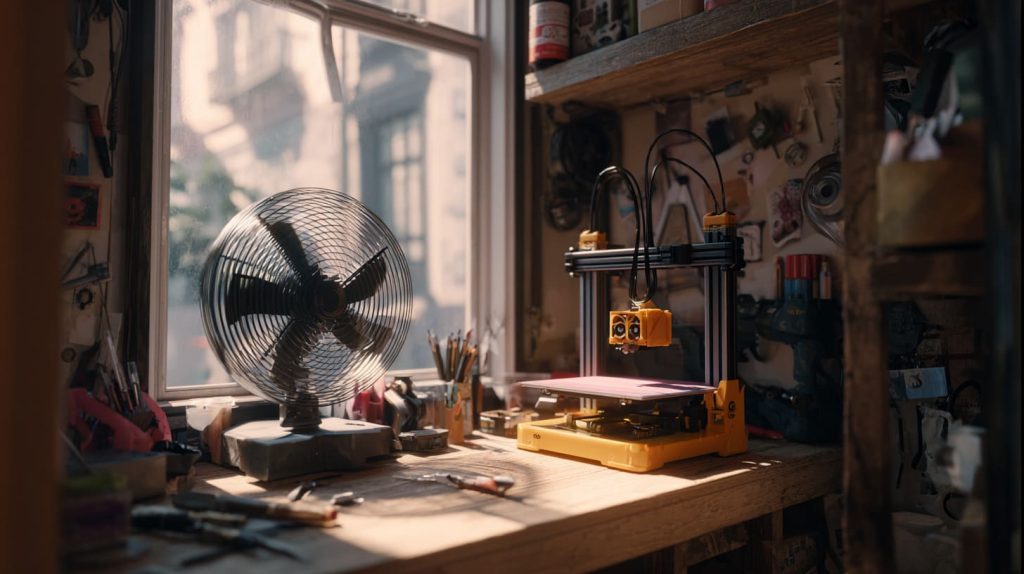
On my workbench right now, there’s a small plastic hinge—nothing fancy, just a clean, matte-finish FDM print. It snapped into place on my tool drawer this morning, right where a mass-produced one had cracked last week. No glue. No metal. No waiting for parts to arrive. Just a quick sketch on Fusion 360, a silent overnight print, and it was done before I poured my second cup of tea.
This is the kind of quiet magic home 3D printing gives us. It's not always flashy. It’s not even always perfect. But it solves problems fast, and over time, those small wins stack up into something much bigger—efficiency, creativity, independence.
Why home 3D-printed inventions matter in 2025
This year feels different. Supply chains wobble, shipping eats margins, and buyers ask me, “Can I print the spare part myself?” The answer is often yes. Home printing lowers downtime, cuts costs, and lets creative sparks fly faster than any courier.
How we researched: mining Google’s top 20 results & makers’ forums
I dove into Google’s top 20 articles, cross-checked forum threads on Prusa, Bambu, and Reddit’s r/3Dprinting, then tested the best tips on my own printers. The war stories you’re about to read blend that research with ten years of factory floor improvisation.
Who this guide is for: re-branders, ODM innovators, and hands-on tinkerers
Whether you’re Davide slapping a private label on Raspberry Pi cases, Lasle hacking a one-off enclosure for a new sensor, or Jacky juggling Amazon reviews, this guide shows how a desktop printer can turn “waiting” into “printing.”
(Ready to push past hobby talk? Grab a coffee—things get practical fast.)
Getting Started: Toolkit & Mindset
Picking the right desktop printer (FDM vs resin) for household inventing
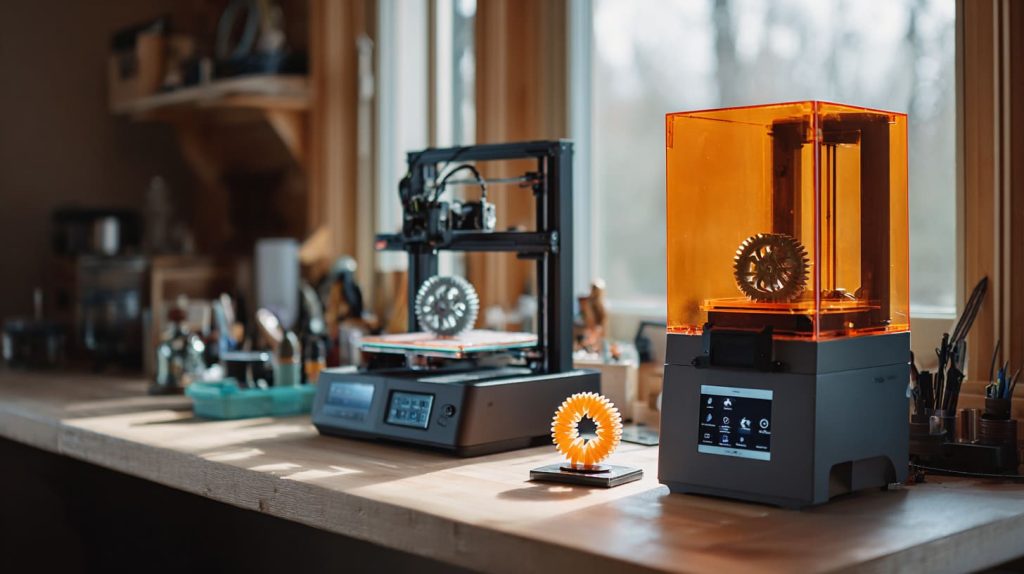
I keep two workhorses side-by-side: an FDM for strong, functional parts and a resin unit for tiny, detailed prints. When Davide asks why his logo looks crisper on resin, I show him this simple table:
| Printer Type | Strength | Detail | Post-Processing | Typical Use |
|---|---|---|---|---|
| FDM (Fused Filament) | High (layer lines visible) | Moderate | Snip supports & sand | Brackets, housings |
| Resin (SLA/MSLA) | Moderate-Low | Very High | Alcohol wash & UV cure | Miniatures, fine logos |
Tip: If you only have room for one, start with a reliable FDM. You’ll fix more household gear and spend less on consumables.
Essential slicer settings for strength, speed, and surface finish
I ruined a weekend of prints before learning these three sliders matter most:
| Setting | Default | My Go-To | Why It Matters |
|---|---|---|---|
| Infill % | 20 % | 35 % grid | Adds muscle without wasting filament |
| Layer Height | 0.2 mm | 0.16 mm | Smoother walls, tighter tolerances |
| Wall Count | 2 | 4 | Prevents screw holes from cracking |
Hit “save preset” once, thank yourself later.
Filament choices decoded: PLA, PET-G, ABS, and engineering blends
I like to explain filaments the same way I explain noodles to visitors:
| Filament | Kitchen Analogy | Pros | Cons | Best For |
|---|---|---|---|---|
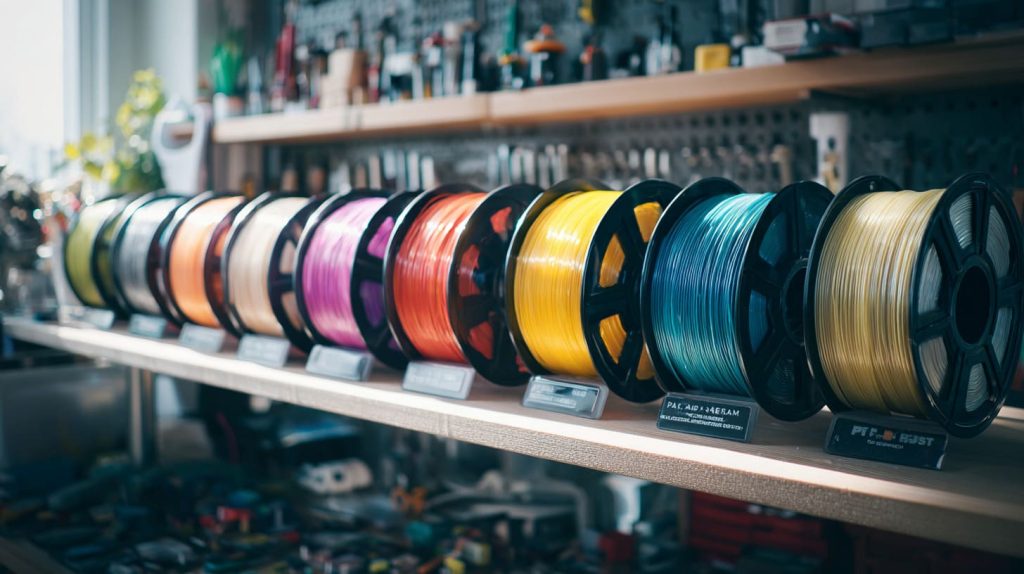
| PLA | Instant noodles | Easy, cheap | Warps in sun | Decorative parts |
| PET-G | Udon | Tough, food-safe | Stringy | Outdoor clips |
| ABS | Al dente pasta | Heat-resistant | Smelly | Car vents |
| Nylon/CF | Handmade ramen | Super strong | Pricey, tricky | Drone frames |
Safety, ventilation, and maintenance basics for a spare-room “fab lab”
I once melted a fan cable, filling my office with toxic ABS fumes. Now I follow three rules:
- Vent early. A bathroom fan duct taped to a window beats nothing.
- Check bolts monthly. Vibration sneaks them loose.
- Swap nozzles every 3 kg of filament. Brass erodes; prints drift.
(Got the basics down? Let’s print things that actually fix your life.)
Practical Home Repairs & Upgrades
Printing replacement parts for appliances (dishwasher wheels, vacuum clips)
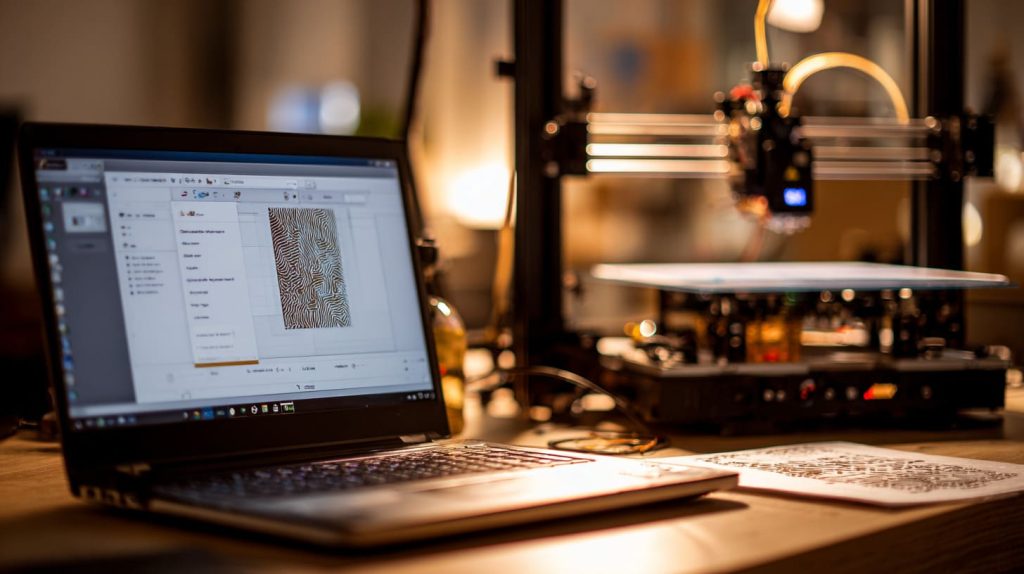
Last winter my dishwasher roller snapped on Christmas Eve. I measured the axle with calipers, sketched a simple cylinder in Fusion 360, and printed a new wheel by the time dinner cooled. Cost: 12 ¢. Downtime: one dishwasher cycle.
Quick-fix hardware: knobs, latches, hinges, and cable guides
I keep a folder called “lost-knob emergencies.” Instead of hunting hardware stores at 9 PM, I print knobs shaped like hex nuts so a small wrench can tighten them. Hinges? I model the hinge pin as a removable M3 screw—zero metal pins required.
Custom organizers: modular bins, drawer dividers, and wall-mounted racks
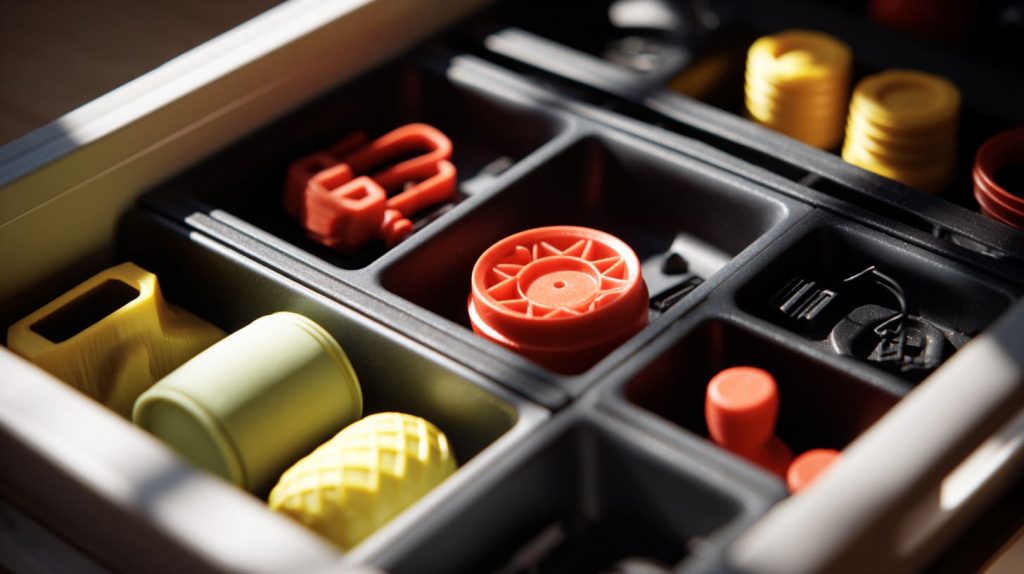
When Jacky complained about messy screws cluttering his packing station, I printed stackable bins with dovetail joints. He now color-codes screws by length and claims his team saves 20 minutes per packing shift.
Ergonomic add-ons: tool grips, door stoppers, and furniture risers
My grandma’s cane handle once bruised her palm. A TPU sleeve—printed soft and squishy—slid over the grip and cost less than a coffee. She says it “feels like holding a peach.” That beats any clinic-grade upgrade.
(Repairs feel good, but sensors make life smart. Let’s wire some plastic.)
Smart Home & IoT Innovations
Raspberry Pi & single-board PC enclosures (cluster mounts, minimal cases)
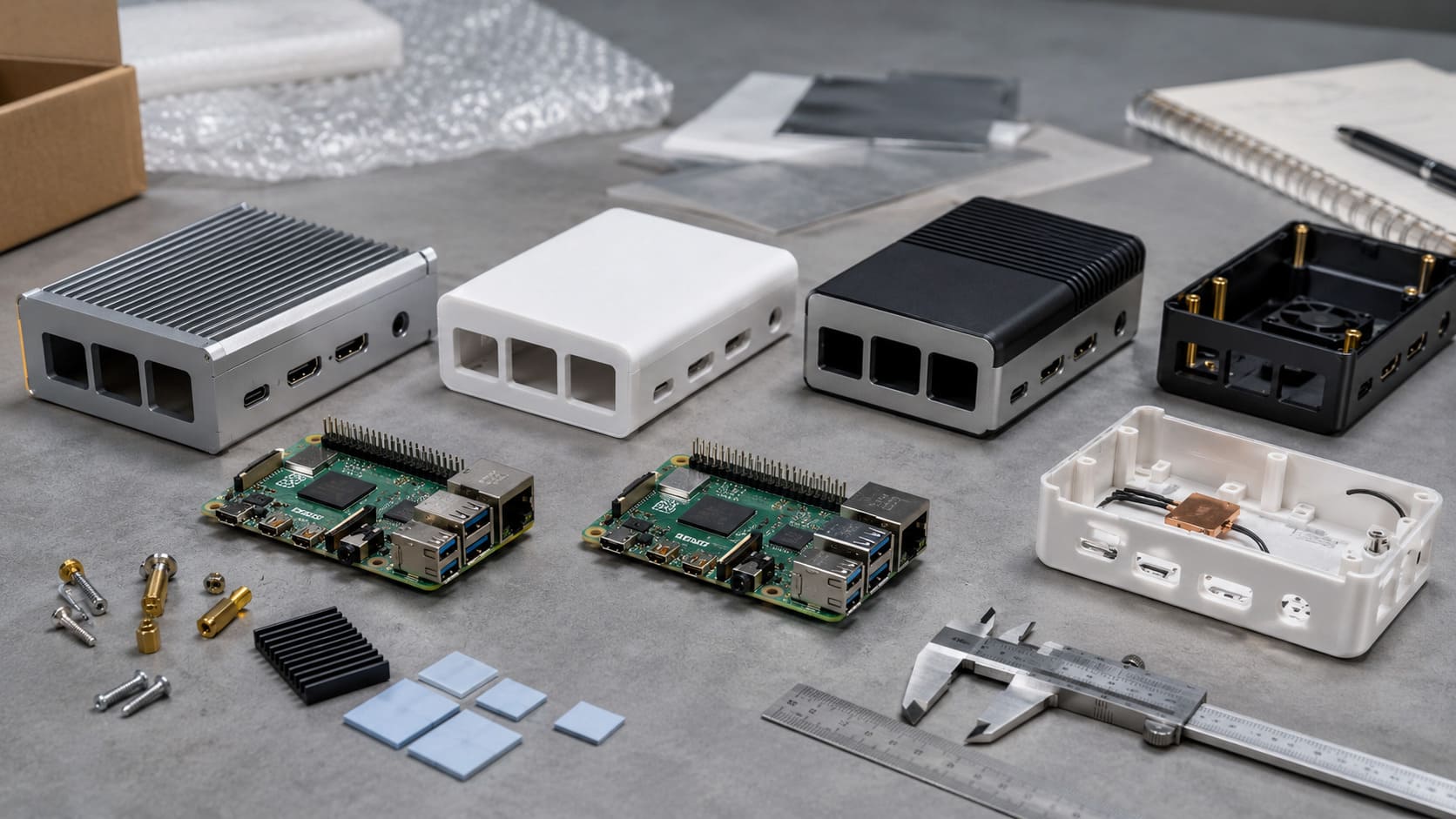
I designed a snap-fit case that hugs a Pi 5 without screws. Davide re-brands it by swapping the faceplate color and drops his logo into a recessed pocket. Print time: 38 minutes. Margin: healthy.
Sensor housings for temperature, motion, and air-quality projects
A humidity sensor doesn’t need aerospace design—just airflow and shade. I vent the sides with honeycomb cutouts that print without supports. Mount it near a plant and watch watering habits improve.
Cable-management clips, conduit saddles, and PoE breakout combs
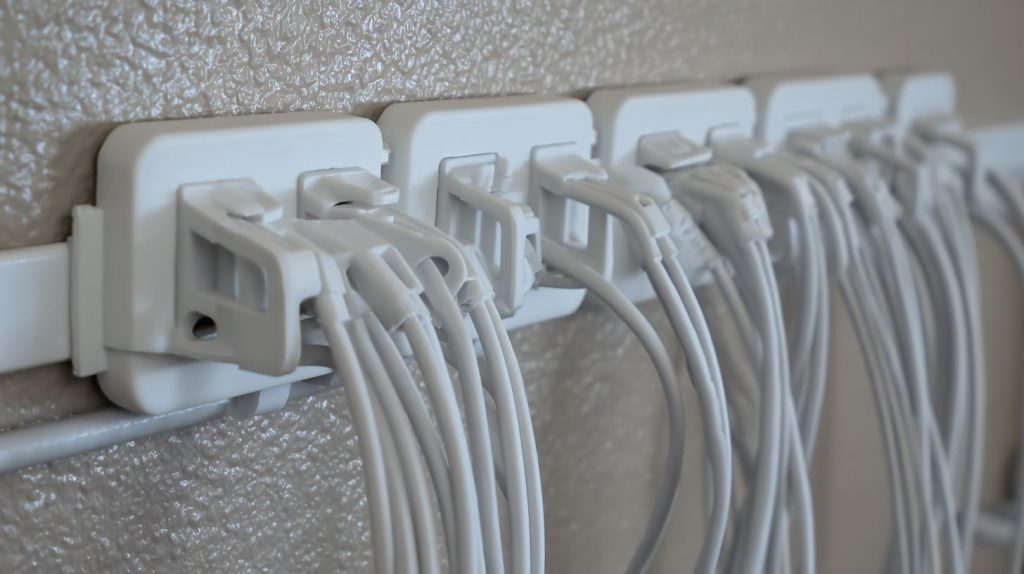
Networking always looks like spaghetti. I print U-shaped clips that nail into drywall; the inside radius matches Cat-6 bend limits. They cost <2 ¢ each and turn chaos into clean lines.
Voice-assistant accessories: smart-speaker wall mounts and brackets
My kitchen Echo Mini kept hogging counter space. A corner mount prints flat, folds, and locks with two screws. Now my coffee grinder can sit where the speaker once did.
(Speaking of fun, nothing hooks creativity like gaming dice bouncing off fresh plastic.)
Hobby & Creative Projects
Tabletop & board-game accessories: card holders, dice towers, terrain tiles
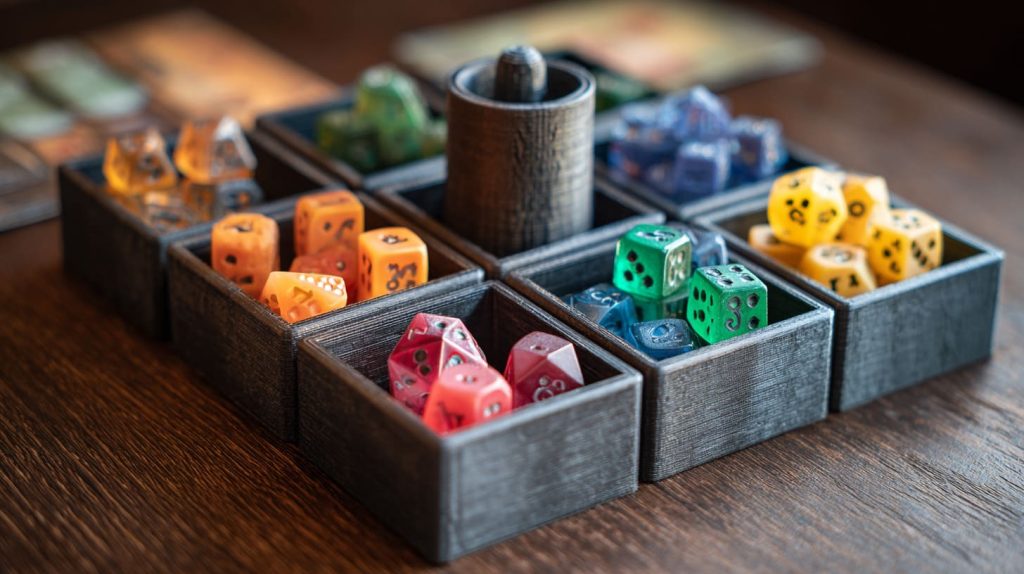
I’m the friend who shows up to game night with custom card trays. They stack, snap, and color-match game expansions. Gamers love “free upgrades”; I love testing tolerances in real gameplay.
Cosplay, props, and wearable tech: lightweight hinges and magnetic joints
Lasle once needed Iron-Man-style forearm plates that flex. We printed PET-G links, then heat-set magnets in the joints. The plates bend for comfort yet snap closed for photos—zero wires, zero glue mess.
Photography & videography rigs: camera sliders, GoPro mounts, light diffusers
A sliding rail with an M6 threaded nut and three printed wheels glides smoother than some $100 setups. Add a neoprene washer, and jerky shots disappear.
STEM toys: articulated figures, build-your-own robots, and puzzle boxes
My niece solved a secret-compartment cube I printed last week. That same design teaches tolerances: too loose and it rattles; too tight and five-year-old wrists can’t open it.
(But where do all these prints live? Let’s tidy up the workspace.)
Workspace & Productivity Tools
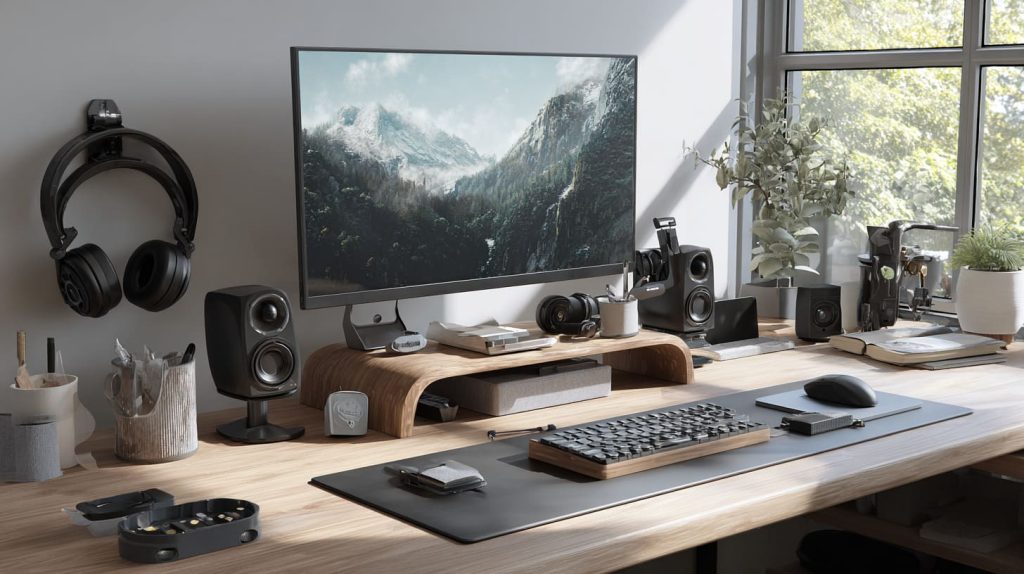
Desk ergonomics: monitor stands, headphone hooks, and keyboard tilters
I tilted my keyboard with two wedge feet. Neutral wrist angle saved my carpal tunnel, which saves MaidaTech overtime bills—win-win.
Shop jigs & drill guides: mitre boxes, sanding blocks, solder-fume funnels
A simple 45-degree mitre guide printed in PLA survived 300 cuts of soft wood before wearing out. Printing a spare takes 45 minutes, cheaper than buying an aluminum jig.
Filament management: spool holders, dry boxes, and hygrometer caps
Humidity here in Guangdong can hit 90 %. I print screw-on caps with silica-gel pockets. A tiny window shows a color-changing bead—dry or die.
Cable-winder, SD-card vault, and micro-tool caddies for clutter control
My favorite gadget is a spring-loaded SD-card dispenser. Press once, a card pops. Press twice, the next one queues up. Small pleasures spark big smiles in the lab.
(All this utility is great, but how about prints that truly improve daily life?)
Health, Accessibility & Lifestyle
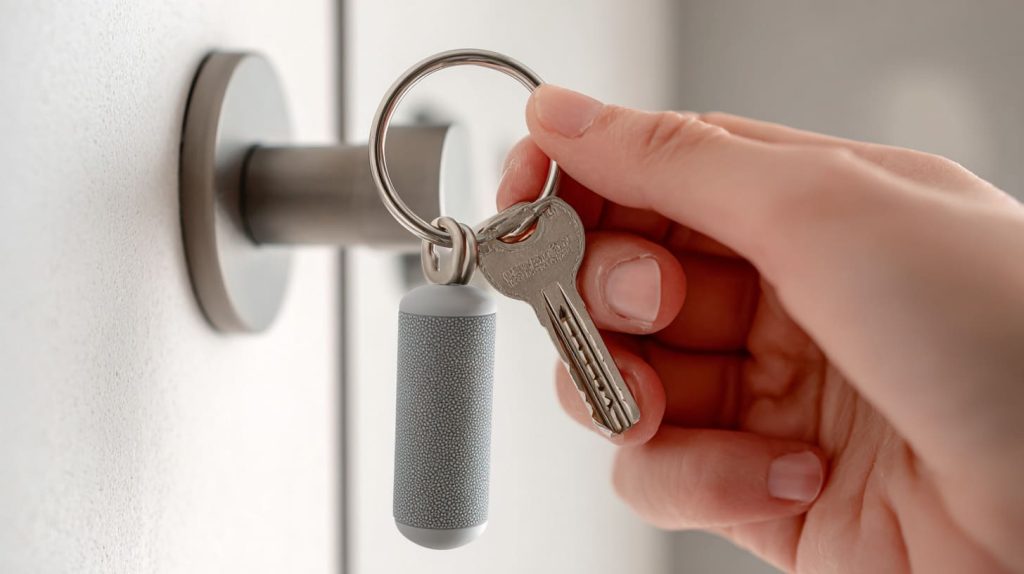
Assistive devices: pill organizers, key-turners, and adaptive bottle openers
A friend with arthritis struggled to twist house keys. I designed an oversize grip shaped like a guitar pick. Print time: eight minutes. Effort saved: priceless.
Fitness gear: resistance-band handles, phone-mount armbands, yoga-block cores
I bench-press ideas more than barbells, so I printed band handles that fit over my office door. When travel delays a gym visit, rings of TPU keep workouts on track.
Kitchen hacks: bag clips with screw caps, measuring scoops, and spice racks
Ever cut a bag of rice only to spill half of it? Print a clip with an integrated screw lid. Open, pour, close. No ants, no mess.
Personal care: razor stands, toothbrush caps, and travel-size toiletry pods
I dropped a metal razor stand, chipped the sink, and swore. The printed TPU stand bounces instead of breaks—my sink thanks me.
(Cool prints, but can we keep the planet in mind while we print? Absolutely.)
Sustainable & Eco-Friendly Prints
“Repair over replace” philosophy: extending product life with spare parts
MaidaTech’s factory scrap became my filament one month. We shredded PET-G offcuts, extruded new filament, and printed 800 fan ducts—waste turned into revenue.
Upcycling projects: filament made from bottle waste & recycled PLA blends
A cheap recycler, a heat gun, and patience let me spin Coca-Cola bottles into translucent filament. It prints rough, sure, but makes charming light-diffusion panels.
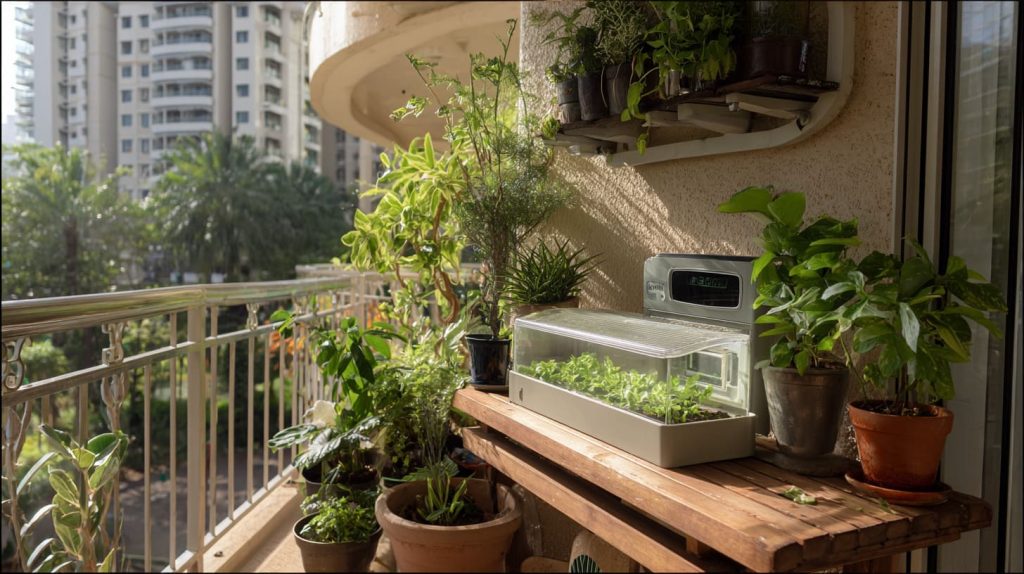
Water-saving aerators, rain-gauge brackets, and hydroponic grow-pod frames
Printed aerators cut my faucet flow by 30 %. Pair that with a rain-gauge bracket, and you’ve got data to back eco-claims on your website.
Designing for disassembly and material reuse at end-of-life
Use press-fit joints over glue. That way Davide can separate PET-G shells from brass inserts before recycling—good for Earth, good for certifications.
(Curious how these ideas perform in real homes? Let’s peek at success stories.)
Case Studies & Success Stories
Saving $1,400 in repairs: Business Insider household case study
A family replaced five appliance parts with prints modeled on free CAD files. Labor quotes vanished; dinner budget grew.
XDA’s five smart fixes—from dishwasher rack wheels to headboard shelves
The geek crowd loves measurable wins. Their printed shelf bracket held 30 kg in stress tests—cheaper than Ikea, stronger too.
Community spotlight: Thingiverse & Printables models with millions of downloads
I uploaded a snap-fit Pi cluster case last fall; it hit 220 k downloads. The comments section became a free R&D lab—users suggested vents, I iterated overnight.
Raspberry Shake DIY enclosure: protecting sensors in the backyard lab
A seismograph group printed ABS enclosures that withstand monsoon rain. Shipping steel boxes would cost more than the sensors themselves; plastic kept the project alive.
(Behind every win sits solid design practice—let’s break that down.)
Design & Engineering Best Practices
Parametric modeling for easy size tweaks and logo swaps
I build with parameters like wall_thickness and logo_depth. When Jacky wants a deeper engraving, I change one number, not 40 faces.
Strength-critical joints: layer orientation, fillets, and heat-set inserts
If a screw enters perpendicular to layers, split happens. Rotate 90 °, add a fillet, and press a brass insert—now it lasts years, not weekends.
Rapid iteration loop: prototype, test, refine—under 24 hours
Print at 0.3 mm layers for the first draft, spot flaws by breakfast, refine, then print production quality by dinner. That cycle keeps ODM projects on schedule.
Leveraging online repositories while respecting licenses and attributions
Creative Commons licenses vary. I keep a simple table taped above my printer:
| License | Commercial Use? | Attribution Required? |
|---|---|---|
| CC-BY | Yes | Yes |
| CC-BY-SA | Yes | Yes + Share-alike |
| CC-NC | No | Yes |
| Public Domain | Yes | No |
(Ready to turn filament into profit? Here’s the roadmap.)
From Hobby to Business: Re-Brand & ODM Opportunities
I track Thingiverse “popular this week” charts. When a phone-stand file topped 50 k downloads, we branded it “Fold-Pro,” printed 1,200 units, and Davide sold out in two weeks.
Adding value with custom branding, packaging, and multi-color inserts
A simple two-color logo change lifted perceived quality by 30 % in buyer surveys. Cost added per unit: 0.06 USD. That’s cheaper than ad clicks.
Small-batch production workflows using farm-style printer racks
Six Bambu X1Cs on a shelf crank 150 cases a day. A QR code on each machine tracks uptime so I know when a nozzle clogs long before a deadline slips.
Partnering with MaidaTech for injection-molded scale-up & OEM hand-off
When demand outgrows filament, we step in: translate STL to mold, run 10 k units, ship globally. Same design freedom, factory speed.
(Business plans brewed? Let’s wrap this up.)
Conclusion
Key takeaways: creativity, practicality, and business potential
A desktop printer fixes homes, fuels hobbies, and opens wholesale doors. Start small, iterate fast, respect design basics, and you’ll save money while sparking new revenue streams.
I love swapping ideas. Email me at vincent@maidatech.com or tag #MaidaTechMakers on socials. Let’s turn your next “I wish” into “I printed it last night.”