Skip to content

Have you ever had your Raspberry Pi freeze at the worst time? This frustration can derail your DIY projects. I want to share how I fixed these annoying crashes.
The Raspberry Pi often freezes due to power issues, overheating, or software conflicts. It can happen when the CPU or memory is pushed too far. Addressing these areas helps ensure stable performance.
I still recall the day my Pi crashed during a major demo, leaving me scrambling to reboot. Ever since that fiasco, I’ve kept notes on how to prevent future meltdowns.
Why Does My Raspberry Pi Keep Freezing?
I saw my first Pi freeze when I ran too many tasks. It felt like a wake-up call to manage resources wisely.
It usually freezes because hardware or software is overloaded. Memory-heavy tasks, shaky power supplies, and software misconfigurations cause sudden lockups that disrupt your workflow.
I started monitoring how many programs I had running. Turning off unneeded processes made a big difference. I also learned how crucial steady power is for preventing random system halts.
| Cause | Impact |
|---|---|
| Low Power | System slows or halts |
| Heavy Load | Freezes or stutters |
| Overheating | Thermal throttling |
What Is The Best Cooling Solution For Raspberry Pi?
I remember testing my Pi in a hot workshop. Temperature warnings popped up way too often.
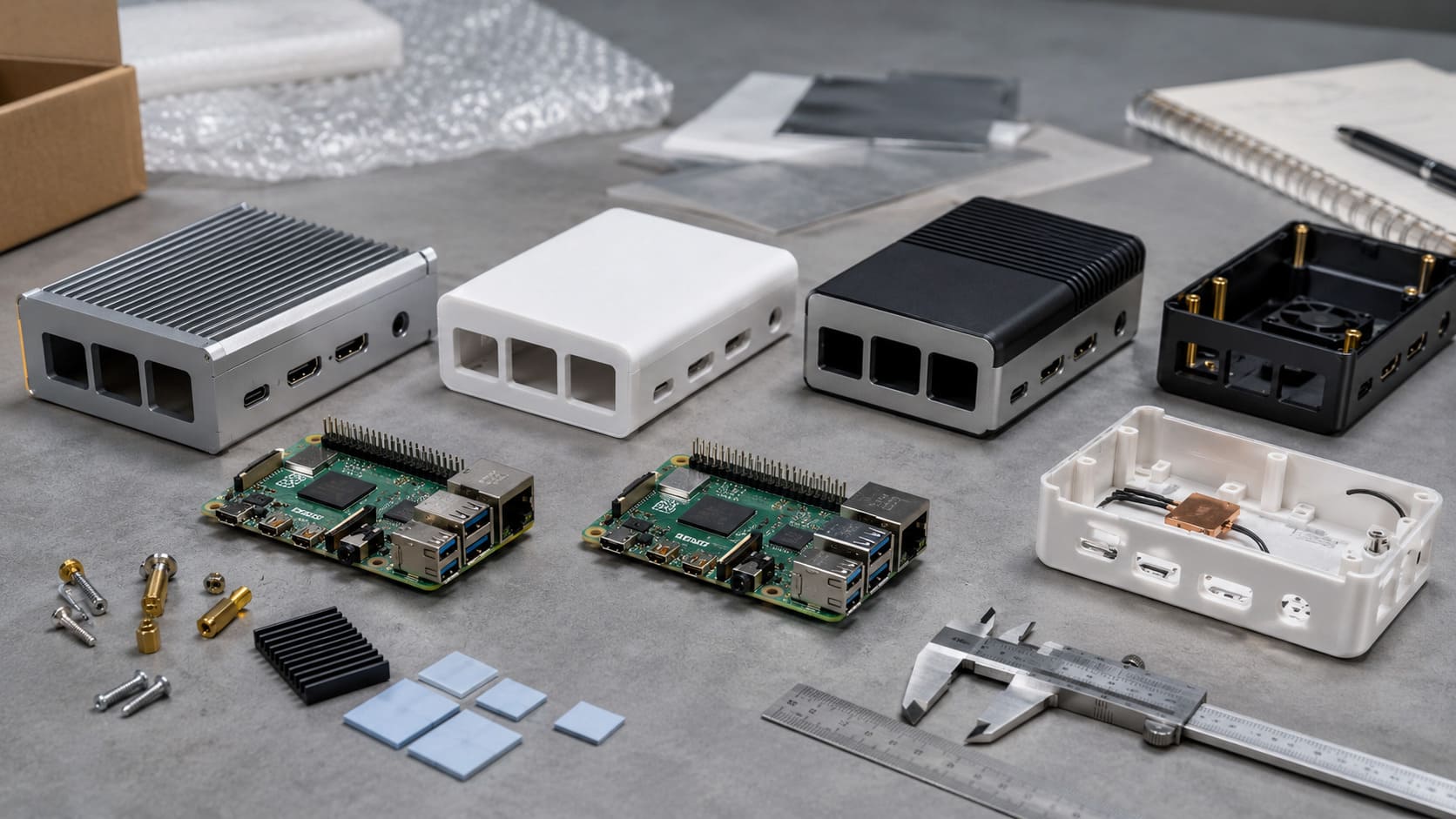
Fans and heatsinks help keep the CPU cool. They reduce the risk of overheating, which can lead to sluggish performance and unexpected freezing.
I started small with basic heatsinks, then upgraded to a mini fan. That setup works perfectly, especially when I’m pushing the Pi with CPU-intensive tasks. I also explored Raspberry Pi cooling guides to learn about proper airflow and enclosure design.

I prefer an aluminum heatsink with a low-noise fan. This combination balances performance and comfort. Proper ventilation also plays a big part in stopping heat buildup inside the case.
How Do I Stop My Raspberry Pi From Blanking?
Blank screens used to drive me crazy when I was demonstrating projects. Sometimes it happened in the middle of an important point.
You can disable screen blanking by tweaking power-saving settings. This ensures the display stays lit when you need it.
I adjusted /boot/config.txt and changed parameters in raspi-config so the monitor won’t suddenly fade out. It’s helpful in meetings when I don’t want to keep jiggling the mouse.

These minor tweaks made my Pi more presentable and saved me from random blank-outs at crucial moments. Now, my screen stays active throughout any presentation.
Is It OK To Just Unplug Raspberry Pi?
I used to yank the power cable whenever I was done. That is, until I corrupted a project file and lost hours of work.
Sudden power cuts risk file corruption. Use a proper shutdown command or a power switch to keep your system files safe.
I learned the hard way that forcefully disconnecting power can damage your SD card. Now, I either type sudo shutdown -h now or use a tiny power button add-on for a cleaner shutdown.

This small step saves me from re-installing the operating system. I also double-check the green LED to ensure all processes stop before disconnecting anything.
What Is Raspberry Pi Screen Blanking?
I sometimes confuse screen blanking with a locked screen. Though they look alike, they serve different functions.
Screen blanking is a built-in power-saving feature that dims or switches off the display after a period of inactivity.
It reduces overall power use and screen wear. But if you’re showcasing a continuous display, you might want to disable or lengthen the timeout. Whenever the operating system updates, I confirm my display settings are still intact.

I once had an entire event booth where the Pi kept going dark. After adjusting the display power management, no more embarrassing downtime.
What Are The Common Causes Of Raspberry Pi Freezing Under Load?
My Pi once froze during a heavy video encoding task. It felt like the system was giving up halfway through.
CPU spikes, large memory demands, or weak power delivery can trigger Pi lockups under load. Reliable hardware and proper optimization are vital for resource-intensive tasks.
Resource-heavy software can overwhelm the Pi if cooling and power aren’t up to par. Running code compilers, video transcoders, or real-time analytics may push the Pi to its limits.

I learned to pace tasks. I also keep an eye on CPU usage and temperature to catch problems before they spiral into freezes.
How Can Insufficient Power Supply Lead To Raspberry Pi System Freezes?
I used to rely on cheap phone chargers and wondered why my Pi crashed so often.
A weak power adapter causes voltage drops that destabilize the Pi, leading to unexpected freezes and reboots.
Upgrading to a high-quality 5V 2.5A or above power supply cured many of my lockups. Now, I can plug in more accessories without the Pi losing its mind mid-task.

I also check for worn or flimsy cables. A solid connection is just as important as a strong adapter.
In What Ways Does Inadequate Cooling Contribute To Raspberry Pi Overheating And Freezing Issues?
I once closed my Pi inside a small box on a sweltering day. It kept freezing every few minutes.
Excess heat forces the CPU to slow down or stop. Poor airflow leads to thermal stress, system lag, and complete lockups.
Proper airflow is key. At MaidaTech, I’ve watched how enclosure design can make or break performance. A fan or ventilated case quickly solves many heat-related headaches.

Sometimes, a simple heatsink is enough. Other times, you need a fan, bigger vents, or a well-placed exhaust port. The right setup can extend your Pi’s lifespan.
How Can Software Conflicts Or Outdated Drivers Cause A Raspberry Pi To Become Unresponsive?
After a messy update, my Pi refused to boot normally. Everything froze right away.
Old drivers or incompatible packages can clash, causing processes to stall and lock up. Frequent updates and version checks keep the Pi running smoothly.
I try to avoid mixing stable repos with experimental ones. That lesson came from a weekend spent recovering a broken system. I usually confirm details on official Raspberry Pi docs before updating anything major.

Sticking to trusted repositories prevents a lot of headaches. And when in doubt, a quick rollback or fresh install is sometimes the fastest solution.
What Steps Can Be Taken To Troubleshoot And Prevent Random Freezes On A Raspberry Pi?
When random lockups pop up, I follow a routine to hunt down the culprit.
Check your power source, monitor CPU temperature, remove outdated software, and use stable packages. These small steps often resolve puzzling freeze episodes.
I keep spare power adapters around, test different SD cards, and watch system logs to locate possible hardware or software conflicts. These habits, plus good cooling, keep my Pi humming along without drama.

Over time, you learn to spot the warning signs of an unstable setup. Building that awareness helps you avoid sudden crashes and maintain a reliable Pi experience.
Conclusion
I keep my Pi stable by balancing power, cooling, and up-to-date software. These steps help me sidestep those frustrating freeze-ups.