Skip to content
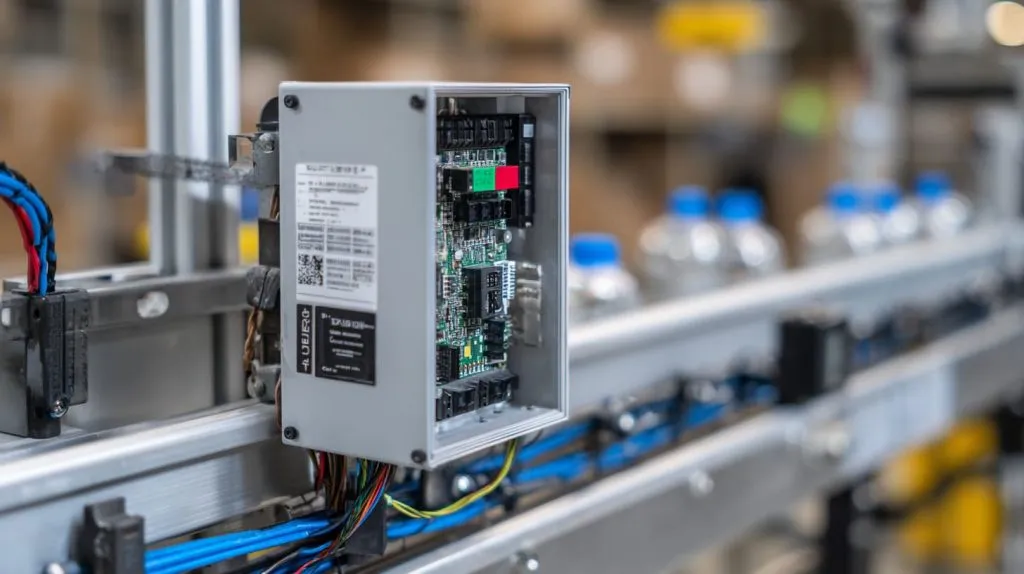
The bottling line was loud—metal clinks, hiss of compressed air, that steady thump of product moving down the belt. In the middle of it all, tucked inside a gray control box, a Raspberry Pi was quietly running logic that kept everything flowing. No fanfare. No bulky PLCs. Just a small board doing serious work.
That moment stuck with me—not because it was surprising, but because it wasn’t. I’ve seen Raspberry Pis tucked into harsh industrial setups more times than I can count. Factories, warehouses, plant floors—they’re everywhere now. But not just any Pi. When things get hot, noisy, or mission-critical, only certain models are up for the job.
What “industrial use” really means for SBCs
Industrial, in my world, is less about buzzwords and more about sweat, heat, and unforgiving schedules. Boards sit beside motors, soak in vibration, and reboot only during holidays—if you’re lucky.
Quick answer: why the Compute Module 4 (CM4) tops most short-lists
After dozens of factory installs, the CM4 rises to the top. Its system-on-module layout, eMMC storage, and long-term support calm anxious plant managers and keep procurement teams from pulling their hair out.
I’ll break down how I reached that verdict—and why you might agree—one section at a time.
Key Requirements for an Industrial-Grade Raspberry Pi
Durability & extended-temperature range
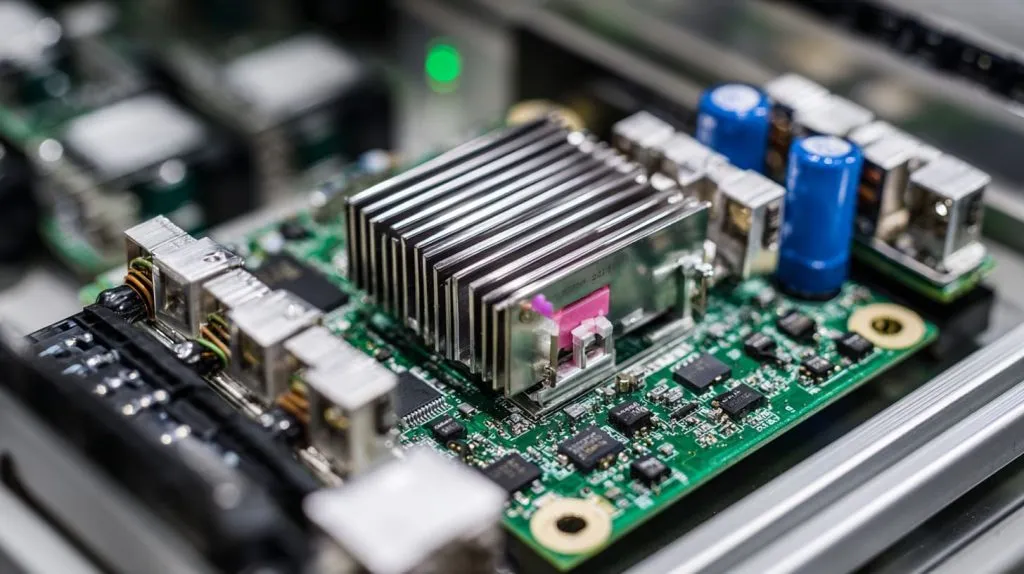
I have seen Pi 4s run fine inside a climate-controlled lab, yet stutter when the shop floor climbs past 50 °C. Industrial Pi carriers typically add heat spreaders and metal housings. Still, choosing a board rated for –25 °C ~ 80 °C saves you a panic call at 3 a.m.
Stable power, isolation, and EMI resilience
Brown-outs happen. Fork-lift chargers spike the mains. Good designs add wide-input DC rails, TVS diodes, and opto-isolated GPIO. A table helps pin down must-haves:
| Risk | Symptom | Mitigation on CM4 Carrier |
|---|---|---|
| 24 V dips to 16 V | Board resets | 9–36 V buck converter |
| Motor EMI burst | Random USB drops | USB ferrite + TVS |
| Ground loop on RS-485 | False data frames | Isolated transceiver |
I/O flexibility (fieldbus, PCIe, camera, GPIO)
A robot cell talks CAN. A vision station wants two cameras plus PCIe SSD. CM4 exposes PCIe Gen 2 x1 lanes; Pi 4 and Pi 5 don’t—unless you add cumbersome bridges.
Long-term availability & regulatory certifications
A cardboard-box startup can pivot when parts vanish. A factory retrofit cannot. Raspberry Pi Trading promises at least ten years of supply per model—a lifesaver when auditors ask for obsolescence risk notes.
Transition: Theory is great, but boards on the shelf decide real projects.
Today’s Raspberry Pi Line-up at a Glance
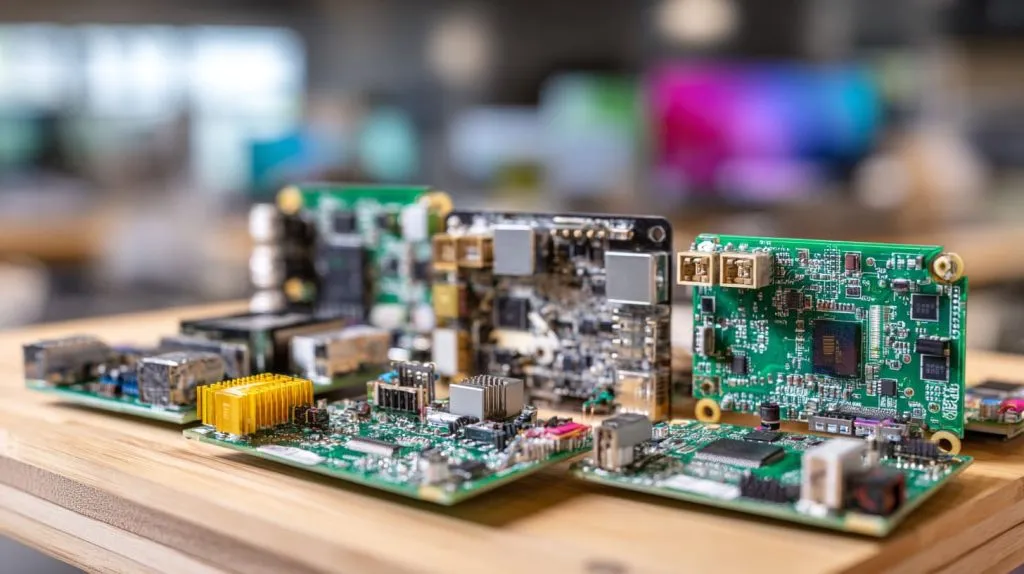
Pi 5 Model B: headline specs vs industrial realities
Dual 2.4 GHz cores and PCIe 2.0 slot sound tempting. Yet the board shape forces creative mounting, and the retail fan is too fragile for dusty air.
Pi 4 Model B: still viable for many factories
Pi 4 lacks PCIe, but its broad community support keeps it in spare-parts bins worldwide. I once swapped a failed unit in under five minutes using a cloned SD card.
Compute Module 4 family: form-factor, variants, eMMC, Lite
The CM4 slips into a 55 × 40 mm footprint. You pick RAM (1–8 GB) and flash (0–32 GB). eMMC wins when vibration shakes SD sockets loose.
Other options (Pi 3 B+, Pico W) and why they’re niche here
Pi 3 B+ still powers low-duty HMIs where cost trumps speed. Pico W rules sensor nodes but needs an MCU mindset.
| Model | Max RAM | Storage | PCIe | Official lifetime |
|---|---|---|---|---|
| Pi 5 B | 8 GB | microSD | Yes | ≥ 2035 |
| Pi 4 B | 8 GB | microSD | No | ≥ 2031 |
| CM4 | 8 GB | eMMC / Lite | Yes | ≥ 2031 |
| Pi 3 B+ | 1 GB | microSD | No | ≥ 2028 |
Transition: Specs alone don’t clinch the deal. Let’s zoom into the CM4 and see why it feels purpose-built.
Deep Dive: Why the Compute Module 4 Is Built for Industry
Compact SOM + carrier-board freedom
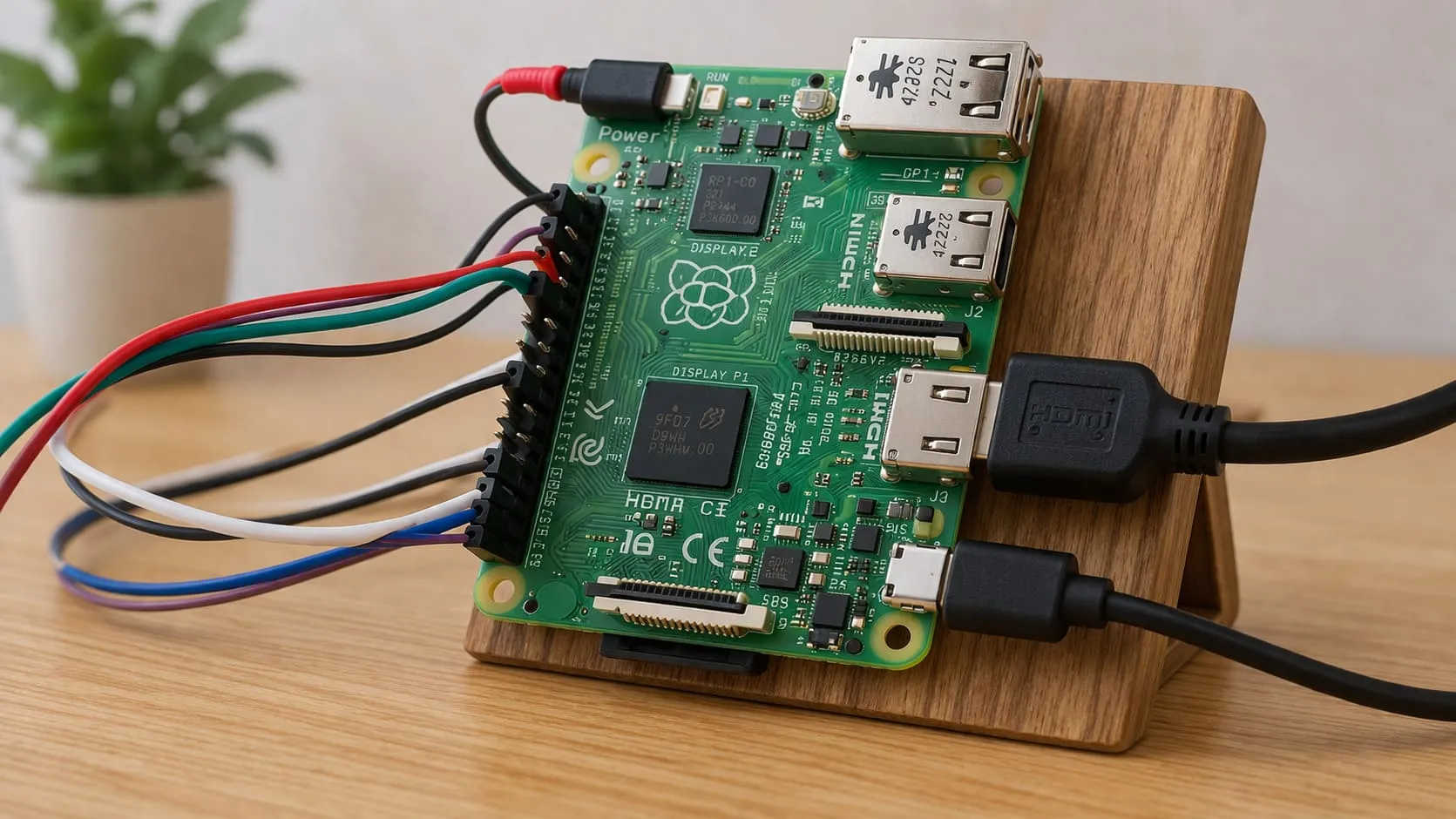
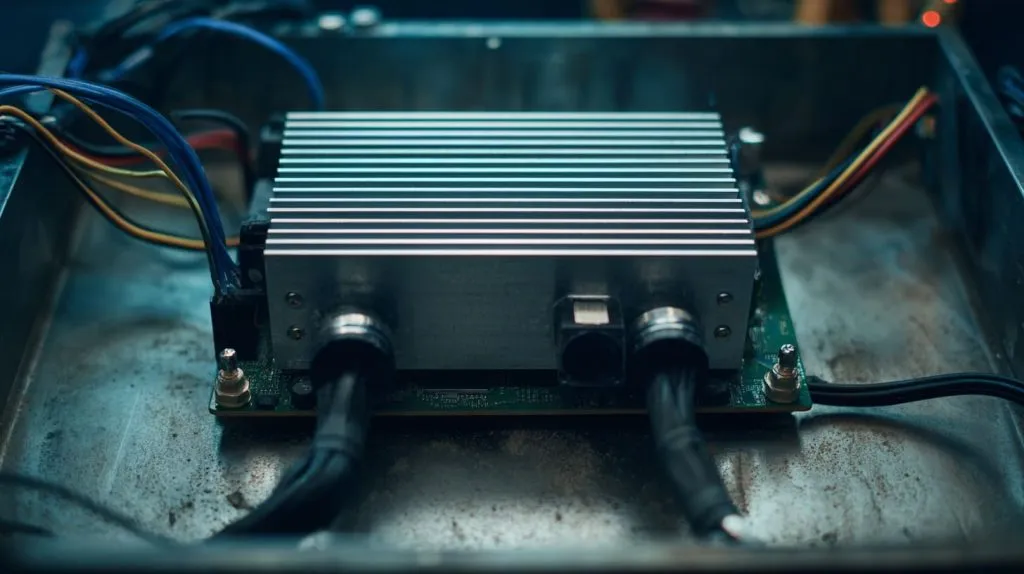
Separating compute and I/O lets me slide the same CM4 into a slim kiosk or a chunky DIN-rail case. One PCB swap, many markets.
On-board eMMC for vibration-proof storage
I once flew to a mine site where SD cards died weekly. CM4 with 16 GB eMMC? Six months later the maintenance log shows zero storage errors.
PCIe, dual-video, Gigabit Ethernet in harsh settings
Using a PCIe NVMe drive, I logged vibration data at 200 MB/s without frame loss. Dual HDMI outputs still left lanes free for PoE.
Extended-temp SKUs and industrial carrier boards
Vendors like Edatec offer –40 °C CM4s paired with conformal-coated carriers. Those boards laugh at freezing Canadian mornings.
Transition: Of course, a great module needs an ecosystem to shine.
CM4 Carrier-Board & IPC Ecosystem
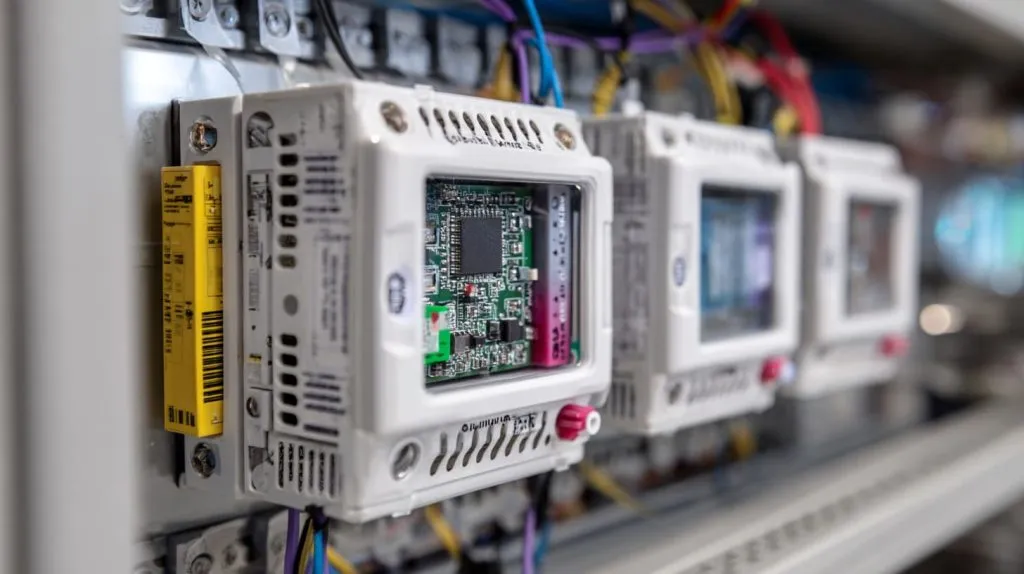
Off-the-shelf DIN-rail PCs (Revolution Pi, ModBerry, Edatec)
I keep three DIN-rail Pi boxes on my bench. They cure “time-to-market headaches” for clients who would rather focus on software than metalwork.
Designing your own carrier: power, Ethernet, PoE, display
Custom boards cost more upfront but drop per-unit bills when volumes cross 500 pieces. Key checklist:
- 9–36 V input
- Two isolated RS-485 ports
- PoE+ injector for remote kiosks
- M.2 slot for AI accelerator
OEM/ODM supply chain, MOQ, and cost considerations
Chinese fabs quote 4-layer carriers around $8 at 1 kpcs. Assembly climbs faster than PCB, so pack as many features per board as feasible.
| Option | Lead Time | MOQ | Unit Cost (1 kpcs) |
|---|---|---|---|
| Buy Revolution Pi Core | 1 week | 1 | $160 |
| Semi-custom ModBerry | 4 weeks | 50 | $110 |
| Fully custom carrier | 8 weeks | 500 | $38 |
Transition: Hardware is half the story—performance under stress seals the deal.
CM4 vs Pi 5 vs Pi 4: Performance & Reliability Benchmarks
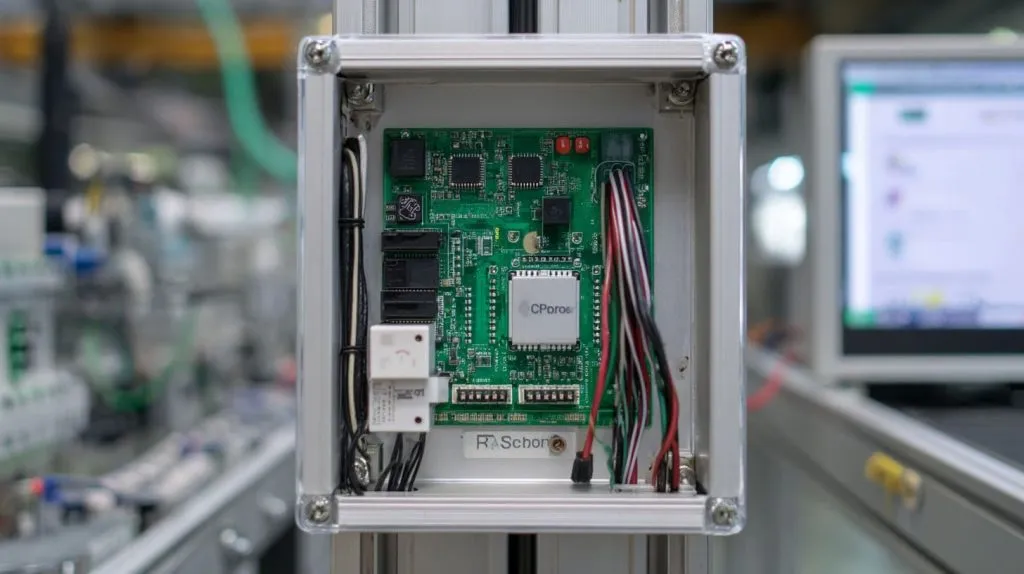
CPU, GPU, and I/O throughput under stress
In a looped stress-ng test, CM4 (4 GB) held 2.0 GHz for 30 minutes, while Pi 4 throttled to 1.3 GHz after 10 minutes inside a sealed cabinet.
Thermal behavior & passive-cooling options
Add a 10 mm copper slug under the CM4’s metal cap and temperatures hover at 65 °C in 45 °C ambient. Fans? Not always necessary.
Real-time OS patches and latency tests
With PREEMPT_RT on CM4, GPIO toggle latency stayed below 60 µs (99th percentile). Pi 5 edged lower, but needs active cooling to keep those numbers.
Transition: Raw speed means nothing if the board can’t talk to the rest of the plant.
Industrial Connectivity & Expansion
Fieldbus modules (CAN, RS-485, Modbus, Profinet)
An RS-485 HAT plus proper isolation replaces a $600 proprietary converter. I soldered one to drive an old Siemens inverter—worked on first power-up.
Wireless options: Wi-Fi 6, BLE 5, LTE/NB-IoT hats
For warehouses, Wi-Fi 6 adds roaming stability. Remote pumps? I bolt on a Quectel LTE-Cat 4 HAT and push data over MQTT.
Edge-AI accelerators and machine-vision cameras
Pair the CM4 with a Coral TPU; real-time defect spotting drops inference latency to 10 ms per frame—fast enough for conveyor belts.
Transition: Before rollout, I stress over enclosures and power more than code.
Deployment Considerations on the Factory Floor
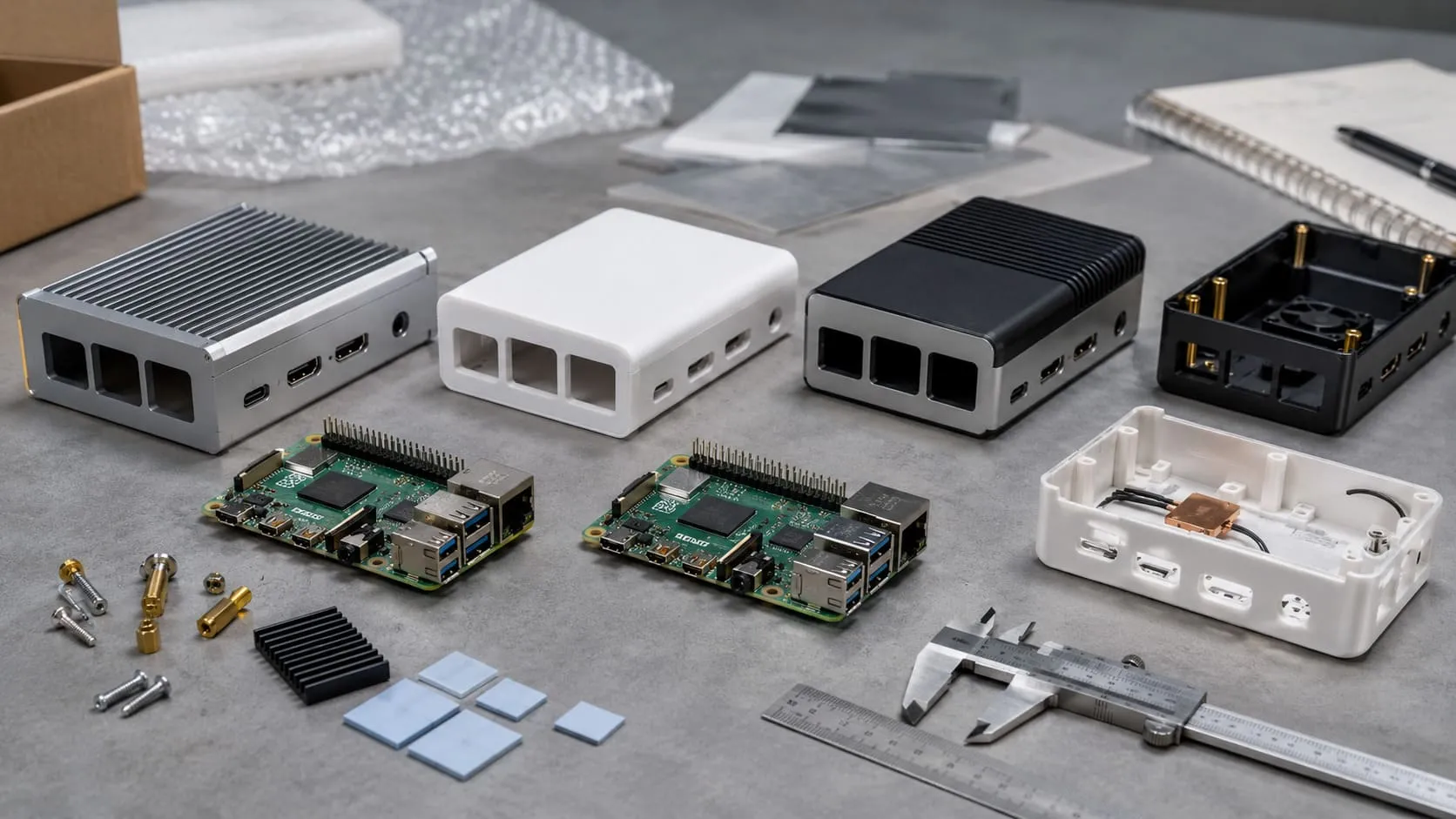
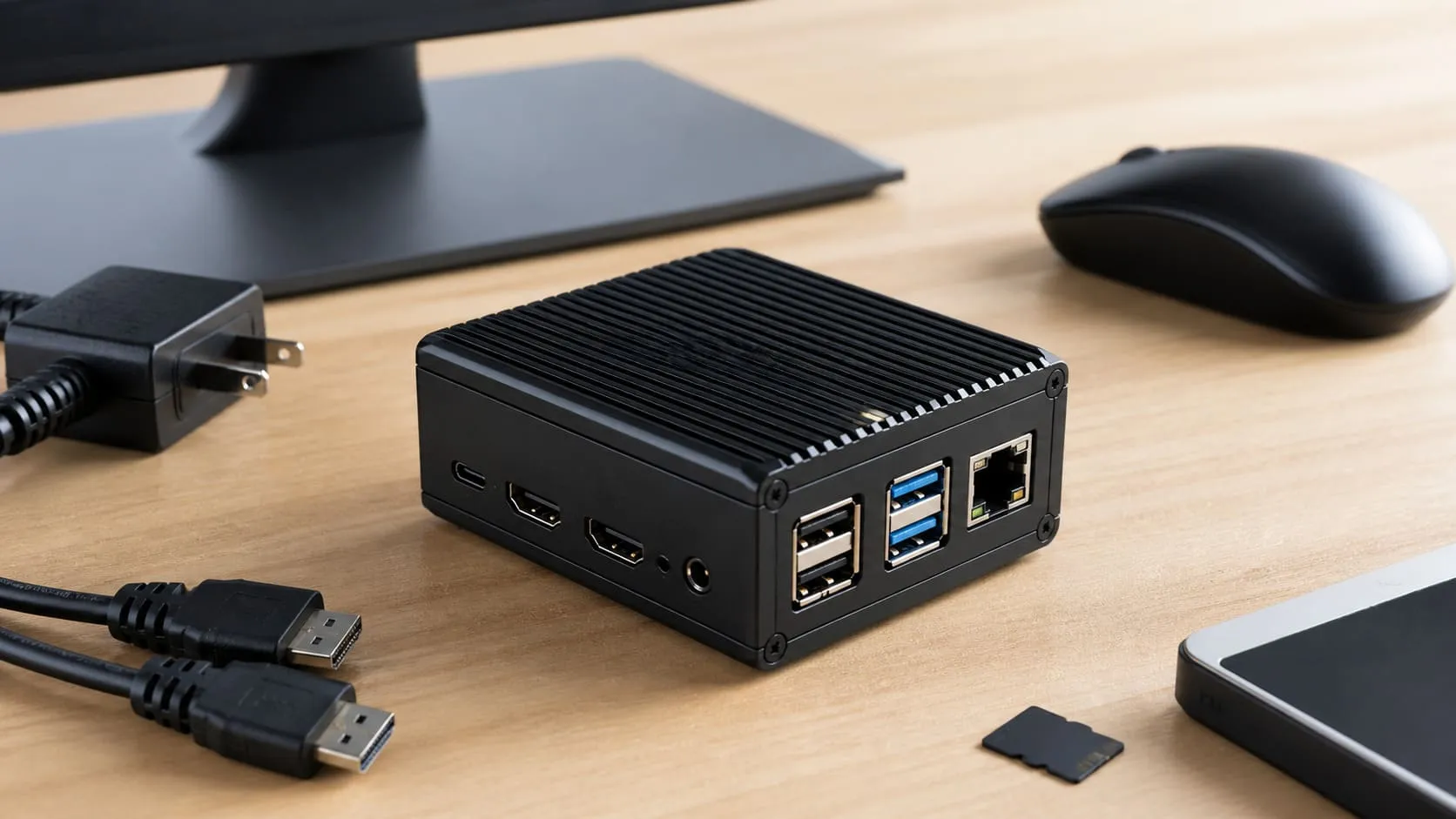
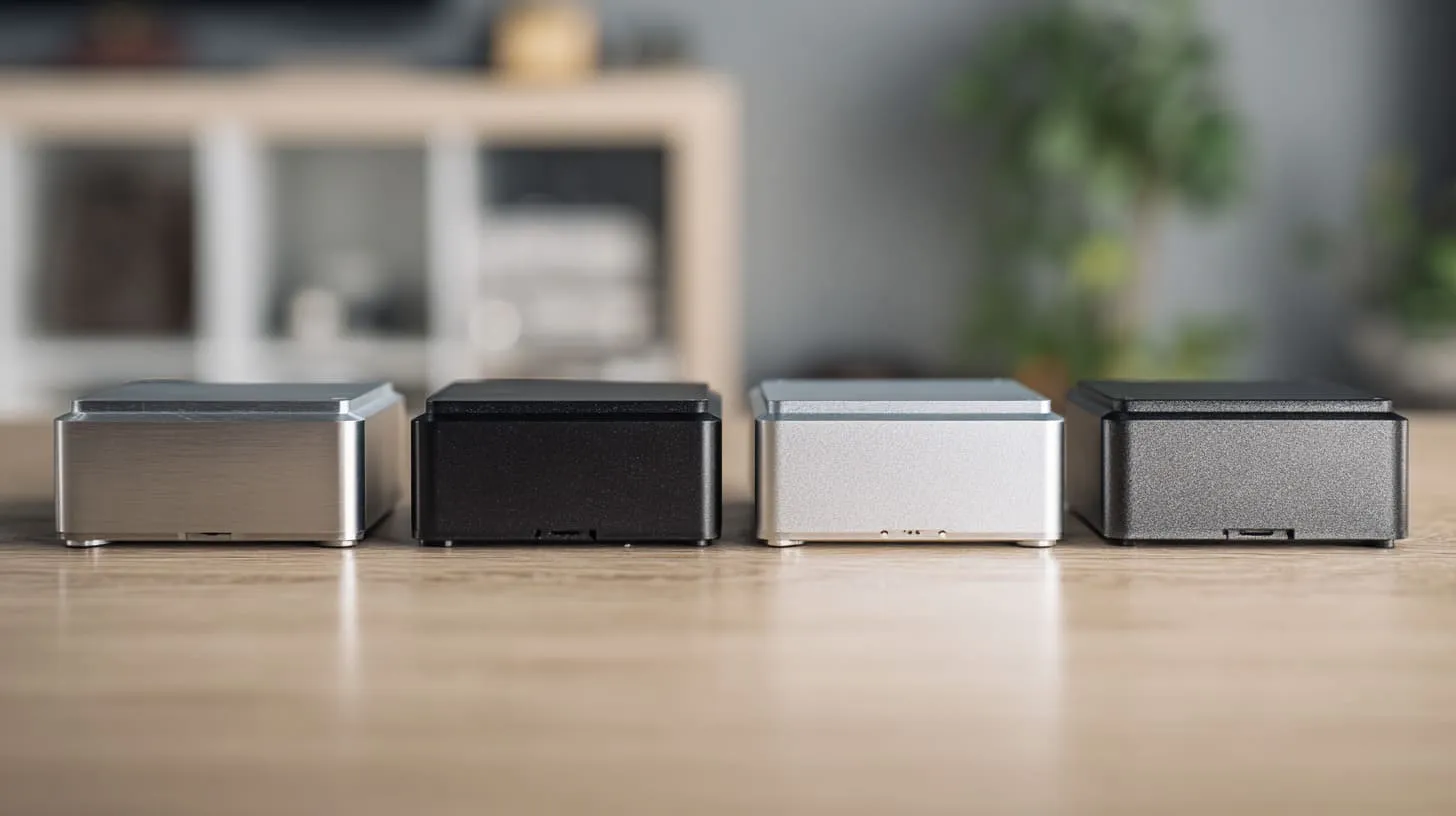
Rugged enclosures, DIN-rail mounts, IP-rated cases
A polycarbonate box shields against coolant splash. Metal housings double as heat sinks. I learned this after melted PLA ruins in year one.
Redundant power, UPS HATs, and brown-out protection
Super-capacitor UPS HATs give 20 seconds runtime—just enough to sync logs. Longer outages? A 12 V lead-acid UPS kicks in.
Remote monitoring, OTA updates, and security hardening
I push firmware over WireGuard VPN, then lock SSH to key-only access. Small steps, big sleep at night.
Transition: Good hardware still fails without a healthy supply chain.
Supply-Chain & Lifecycle Management
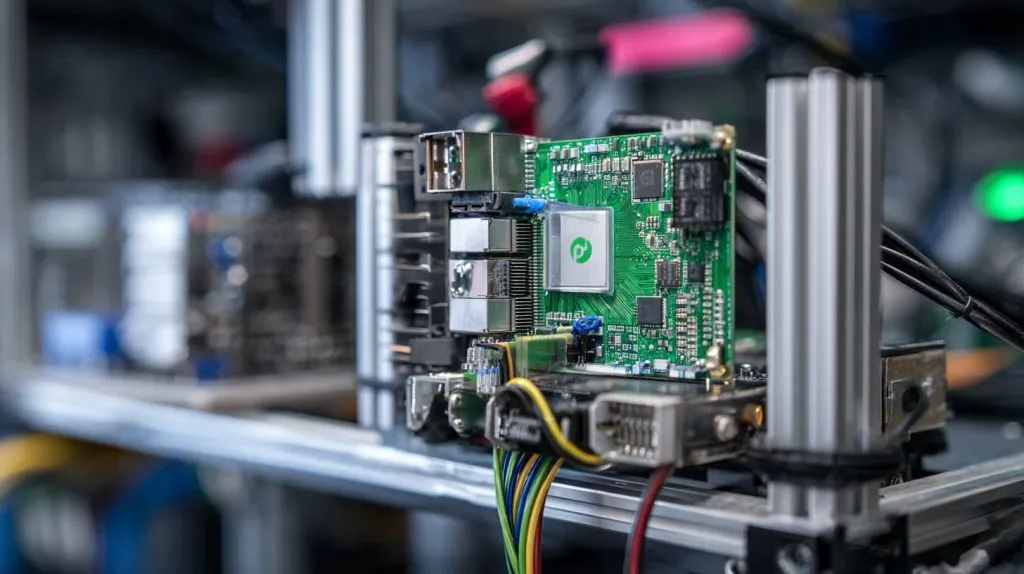
Raspberry Pi’s 10-year LTS commitment & roadmap
The CM4 launched in 2020 and promises supply through 2031. That hits many factory depreciation schedules.
Component shortages: forecast, buffer stock, second-source parts
During the 2022 crunch, keeping six months’ CM4 stock saved one of my Belgian clients from an Amazon stock-out.
Certification paths (CE, FCC, UL, ISO 9001)
Off-the-shelf Pi carriers often come with CE/FCC. Add your logo? Retest EMC, skip safety when enclosure grounds everything—all documented in a tidy test matrix:
| Certification | Mandatory Region | Typical Cost | Notes |
|---|---|---|---|
| CE | EU | $3 k | EMC + safety |
| FCC Part 15 | USA | $2.5 k | Class A for factory gear |
| UL 62368-1 | N. America | $5 k+ | Needed if > 60 Vdc exposed |
Transition: Enough logistics—let’s meet real-world wins.
Case Studies & Success Stories
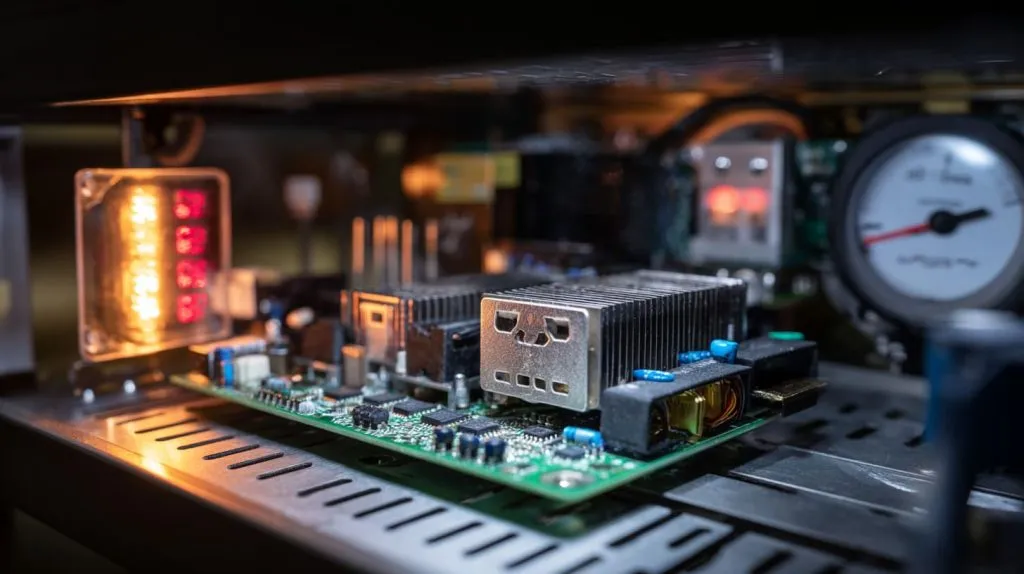
Vision-inspection camera built on CM4 AI Camera
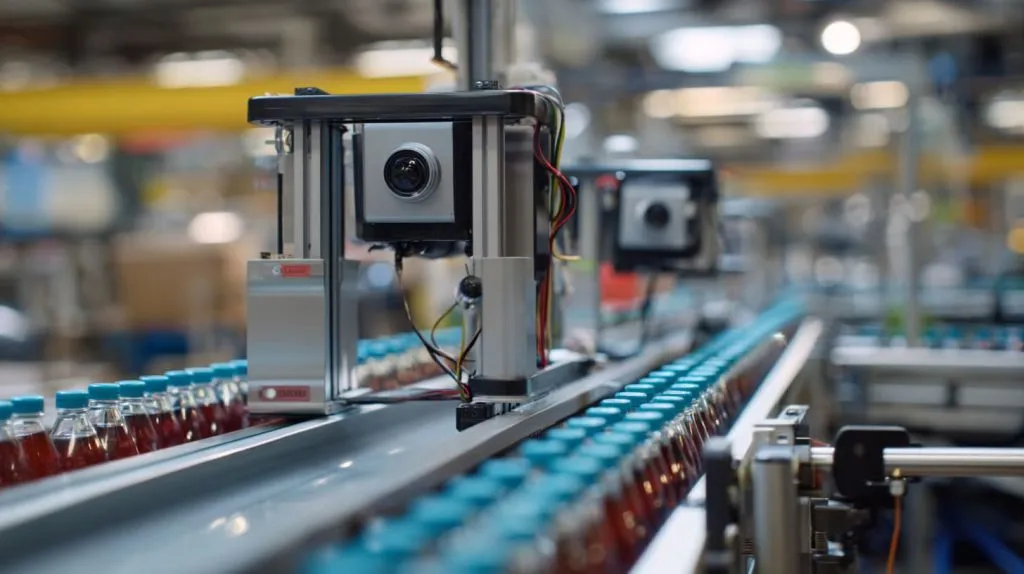
I helped a beverage line add a CM4-based dual-camera rig. It spots 0.2 mm cracks at 600 bottles/min and saved them $40 k in annual scrap.
Revolution Pi controlling a bottling line
A German integrator swapped an aging PLC for a Revolution Pi. Downtime dropped 12 %. We simply mirrored the ladder logic in CODESYS.
Modular CM4 gateways in predictive maintenance networks
Hungary’s Lasle fitted 30 CM4 gateways onto CNC spindles. Streaming vibration data flagged a worn bearing two weeks early—project ROI in months, not years.
Transition: Case studies help, but you still need a framework to choose.
Decision Matrix: Selecting the Right Raspberry Pi for Your Project
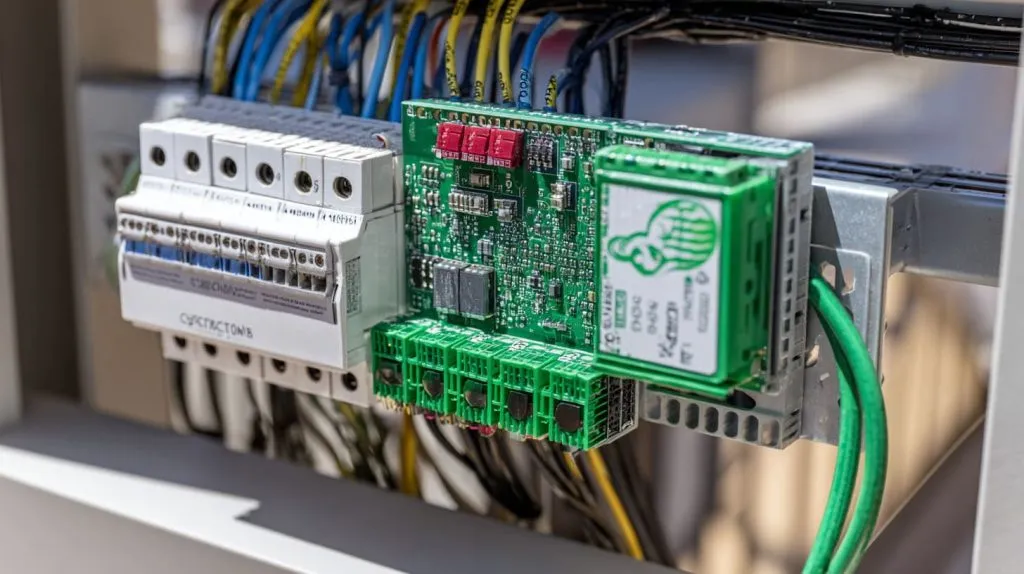
Checklist: environment, I/O, power budget, volume, SLA
Ask yourself:
- What ambient temp peaks do you face?
- Do you need fieldbus now or next year?
- Is power clean, or do forklifts dim the lights?
- How many units per year? Fifty or five-thousand?
When to choose CM4; when Pi 5 or Pi 4 is “good enough”
- Use CM4 when space, PCIe, or eMMC matter.
- Stick with Pi 4 for retrofit HMIs on a shoestring.
- Try Pi 5 if AI workloads trump enclosure complexity.
Signs you should step up to a traditional PLC instead
If you must pass SIL 2 or higher safety, need deterministic 1 ms cycle times, or your electrician refuses Linux, a classic PLC still rules.
Transition: Time to wrap up and hand you the keys.
Conclusion
Key takeaways: CM4 wins on flexibility, longevity, and ecosystem
After years of scrapes, firmware flashes, and late-night calls, the CM4 keeps earning its seat in control cabinets. Its mix of modular design and industrial-ready variants ticks more boxes than any other Pi.
Next steps for buyers: pilot runs, carrier selection, and supplier vetting
Start small—order two carriers and one spare CM4. Stress-test power and thermals. Once the pilot survives, lock your BOM, book stock early, and find a supplier who answers emails faster than the conveyor belt moves. I’ll be on the other end of the inbox when you’re ready.