Skip to content
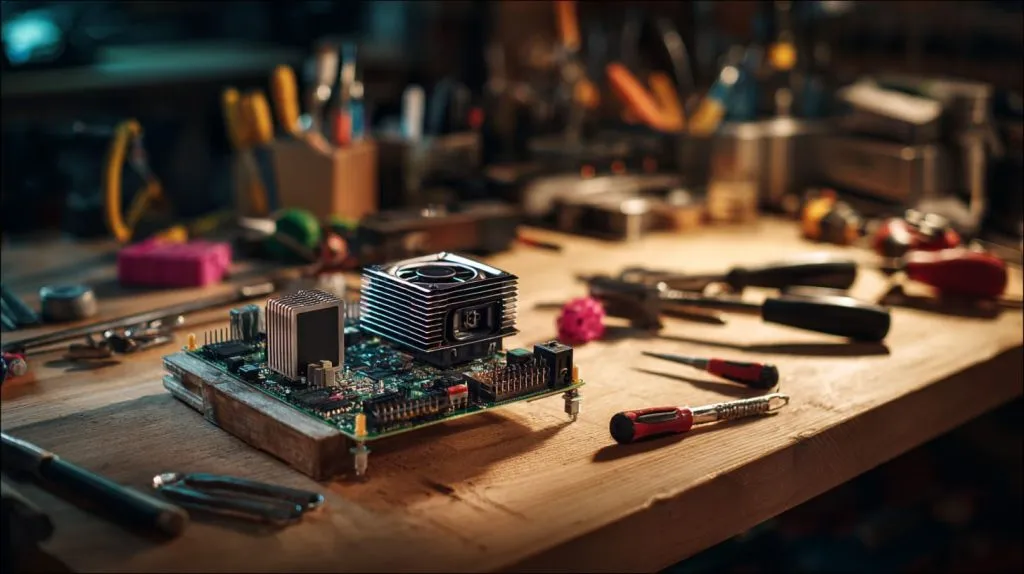
I’ve watched tiny boards outlive laptops—and I’ve watched them fry in a week. Longevity sits at the heart of every bulk order I quote.
A well‑cooled, clean‑powered Raspberry Pi often runs five to ten years before age, heat, or loose wiring claim it.
Stories of boards running non‑stop for a decade hook people, yet a single brown‑out can still knock a fresh Pi cold. Stick with me; I’ll share where the truth lives between those extremes.
What is the durability of a Raspberry Pi?
Every batch I unpack faces the same test: bounce, boot, and bake. My shipping crate shakes mimic international freight.
Most boards shrug off vibration and mild knocks because their solid‑state design lacks moving parts that wear down quickly.
Physical vs. Electrical Stress
| Stress Type | Typical Cause | Survival Tip |
|---|---|---|
| Mechanical | Drops, flexed headers | Mount board with standoffs |
| Thermal | Poor airflow | Add heatsink + fan |
| Electrical | Brown‑outs, surges | Use a 3 A rated PSU |
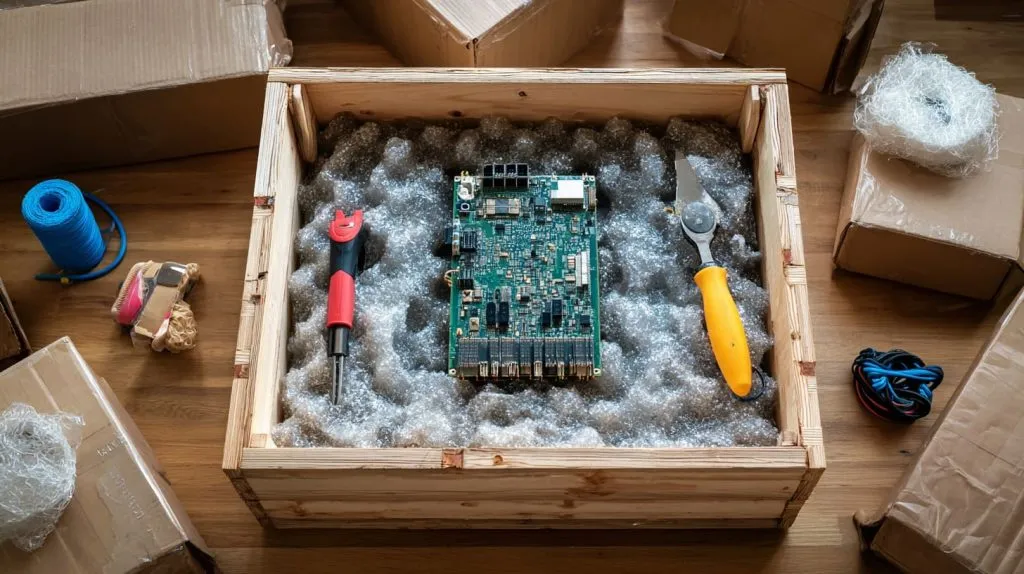
I once mailed a Pi in nothing but bubble wrap; customs repacked it better than I did—yet it still booted fine. The PCB is tougher than it looks.
Is the Raspberry Pi 5 overkill?
New buyers see eight cores and 8 GB RAM and wonder if they’re paying for horsepower they’ll never saddle.
For light kiosk loops, a Pi 5 loafs; but for edge AI, video, or multi‑container Docker stacks, its grunt pays for itself in saved wait time.
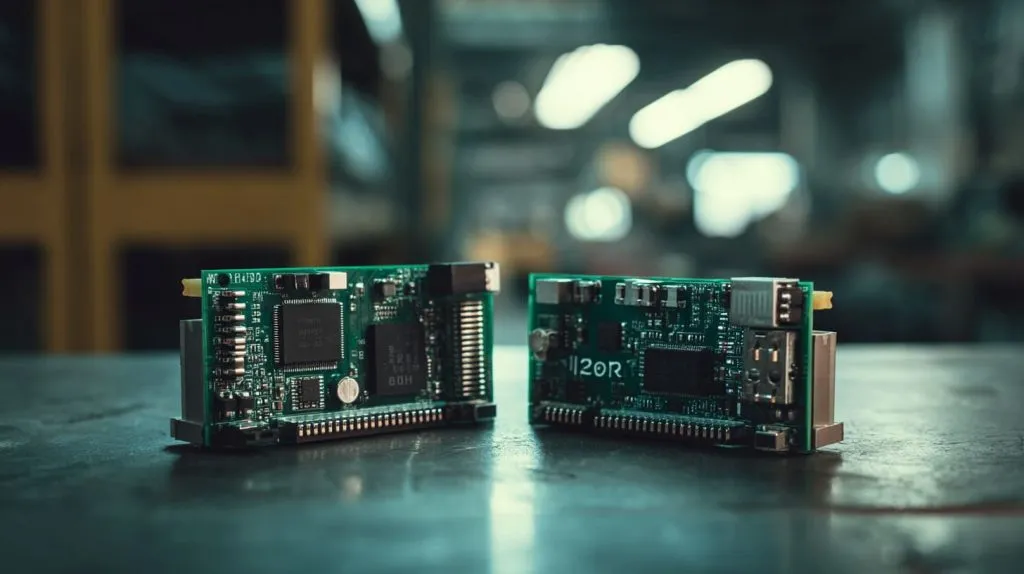
Matching Board to Task
- Basic signage: Pi 4 or even Zero 2 W keeps costs down.
- Data logging: CPU idle, but USB 3 and PCIe on Pi 5 slash I/O bottlenecks.
- AI inference: Pi 5’s faster GPU halves frame processing latency.
Pick tool to job, not spec sheet to ego—that’s my mantra when clients ask.
Will the Raspberry Pi 5 overheat?
I pushed one to 3 GHz under a print‑farm load; the temp graph shot toward 90 °C, but never throttled thanks to a chunky copper block.
Pi 5 runs hotter than older models, yet modern firmware throttles gently; add cooling and temps settle near 60 °C even at full bore.
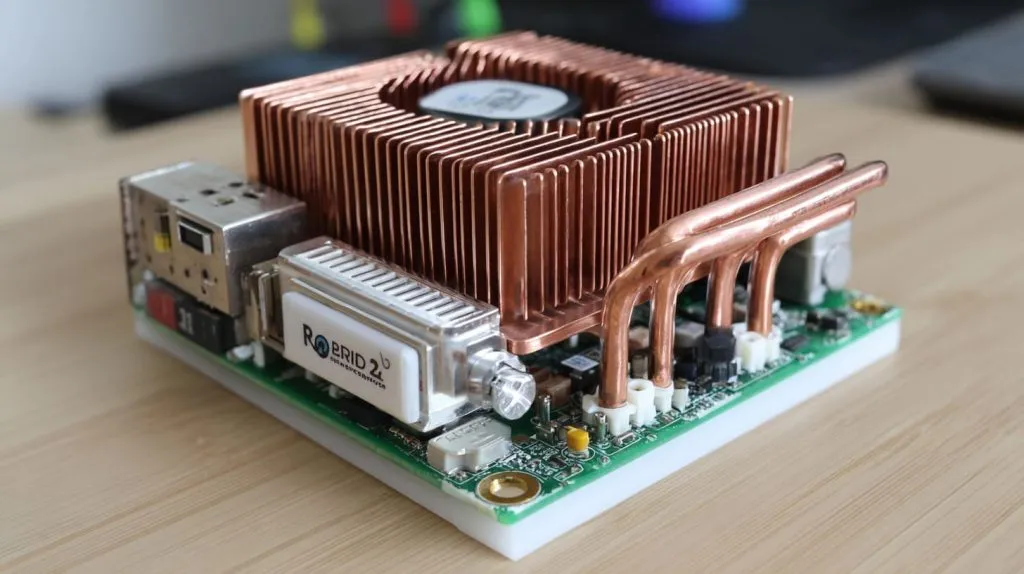
Heat Sources
- Core voltage boost at turbo clocks
- USB 3 controller dumping watts under transfer
- Poor case airflow trapping heat
A $5 fan often beats a $30 passive sink—airflow first, metal second.
Can I run Raspberry Pi 5 without cooling?
Short answer: yes, but with cuffs on performance.
Un‑cooled Pi 5 idles fine yet throttles under continuous load, dropping 20–30 % speed once temperatures cross 80 °C.
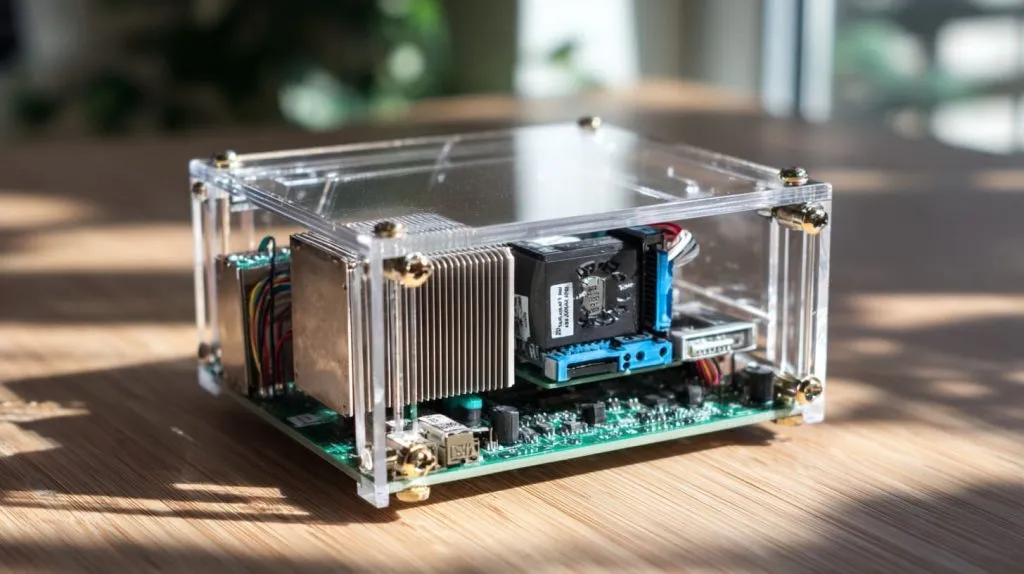
When Passive Works
| Scenario | Avg. Load | Cooling Needed |
|---|---|---|
| Classroom Python lessons | <20 % | None |
| 4K video loop | 60 % | Low‑profile sink |
| Continuous compile farm | 90 % | Active fan |
Passive is peace—until the processor screams.
What factors affect the lifespan of a Raspberry Pi in real‑world use?
I retired a Pi B after seven dusty years inside a vending machine; its USB jacks rusted, not its SoC.
Heat, power quality, and environment dictate life span more than the silicon itself.
Environmental Watchlist
- Dust buildup
- High humidity
- Constant vibration
Clean power and clean air double the odds of a decade‑long run.
Can a Raspberry Pi run 24/7 without failing?
Plenty of mine have—one logs factory temps, blinking untouched since 2018.
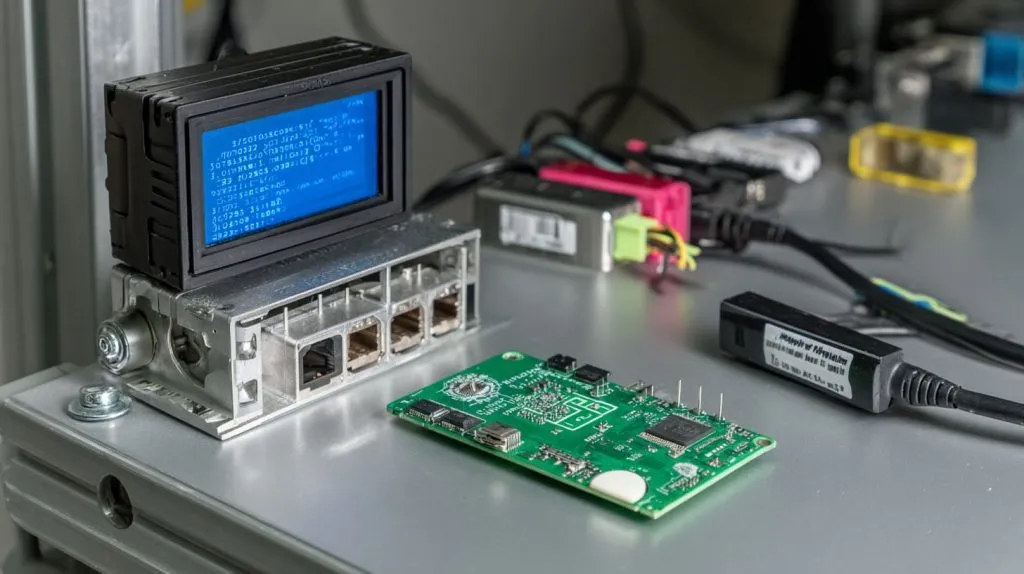
With stable 5 V, proper cooling, and a quality SD card, a Pi runs around the clock for years, rivaling many enterprise SBCs.
SD vs. SSD
| Storage | Mean Time Before Failure | Hot‑Swap Ease |
|---|---|---|
| SD Card | 6 k write cycles | Simple |
| SSD | 1 M hours | Needs adapter |
Write‑heavy workloads? Offload logs to RAM or move root to SSD.
Do Raspberry Pi boards degrade over time?
Silicon ages, yet most failures I see are sudden, not slow.
Capacitor drift and flash wear appear after many years, but functional decline is minimal until the day a part finally gives up.
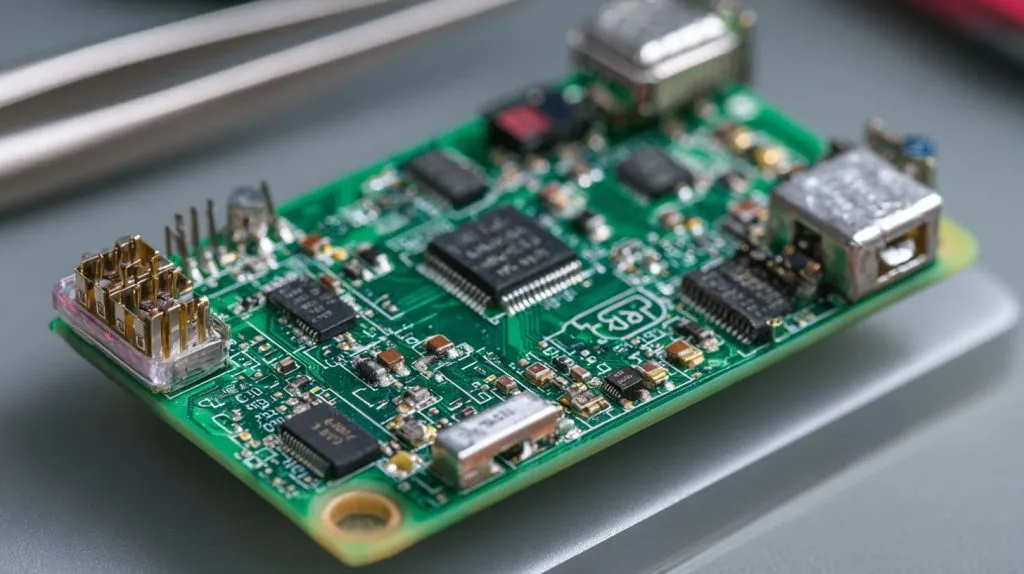
- Electromigration creeps at >100 °C; stay cooler.
- EEPROM cycles count too; update firmware sparingly.
Boards fade quietly—then quit.
Is Raspberry Pi reliable enough for commercial or industrial projects?
OEM clients like Davide wouldn’t stake Amazon ratings on flaky boards, and neither would I.
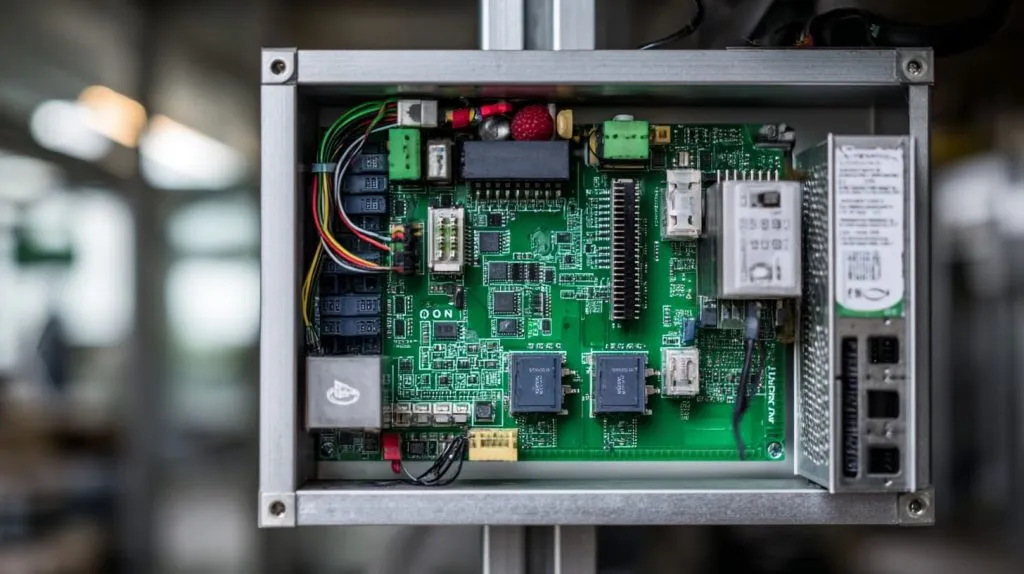
When housed, cooled, and powered to spec, Pi reliability meets many light‑industrial demands, though harsh zones still warrant conformal‑coated PLCs.
Risk Matrix
| Factor | Office Kiosk | Factory Line | Outdoor Sensor |
|---|---|---|---|
| Temperature Swing | Low | Medium | High |
| Vibration | Low | High | Medium |
| MTBF Expectation | 5 yr | 3 yr | 2 yr |
Know your environment, plan spares, sleep soundly.
What are the most common reasons a Raspberry Pi stops working?
My inbox tells the tale: sudden shorts, corrupted cards, and bad cables—rarely the CPU.
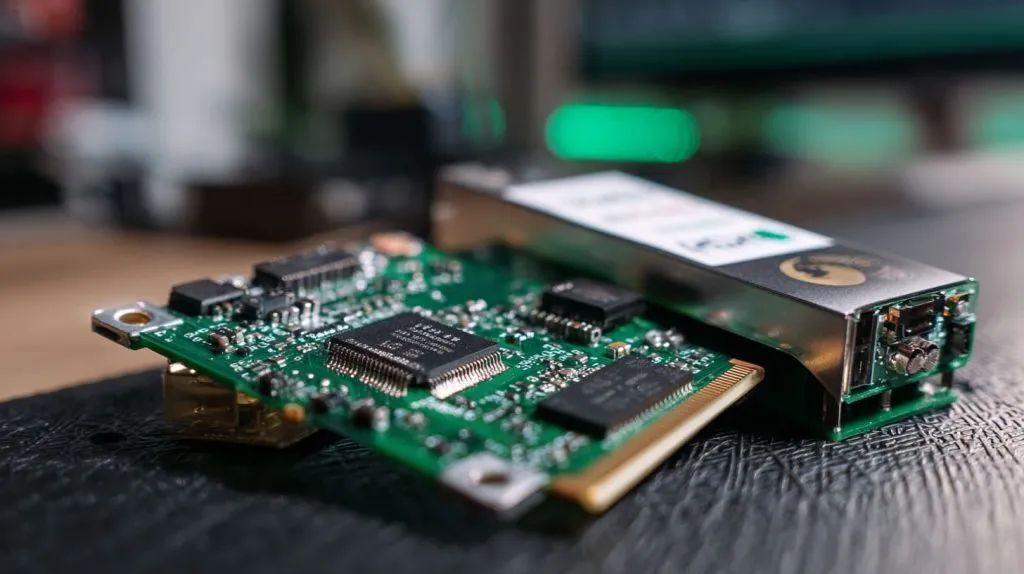
Power hiccups, SD corruption, and GPIO mis‑wiring cause over 80 % of failures reported by my customers.
Quick Troubleshoot List
- Swap PSU first.
- Boot from fresh card.
- Inspect GPIO for bent pins.
Nine times out of ten, the SoC survives.
When should you replace or upgrade your Raspberry Pi?
I swap boards when feature gaps cost more time than parts.
Upgrade when performance throttles productivity, interfaces feel cramped, or firmware drops out of security support.
Replacement Signals
| Symptom | Quick Fix | Long‑Term Move |
|---|---|---|
| Frequent SD errors | Boot from SSD | New board model |
| USB bandwidth maxed | Add PCIe HAT | Pi 5 upgrade |
| Kernel EOL | Manual patch | Newer Pi |
Hardware is cheap; downtime is not.
Conclusion
Care, cooling, and clean power turn tiny Pi boards into decade‑long teammates.