Skip to content

Where Can I Get a Raspberry Pi Zero at a Reasonable Price?
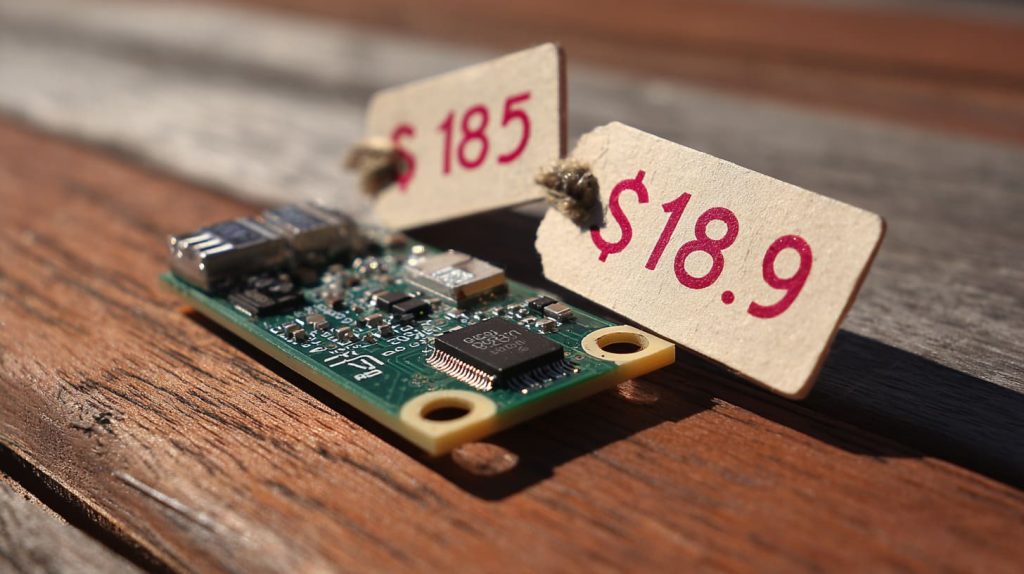
Prices used to be pocket-change. Now they bite.
You can still get Raspberry Pi Zero boards at a reasonable price—if you know where to look, how to avoid markups, and who’s open to B2B deals with branding options.
I’ve been in this game long enough to spot the real deals from the “too good to be true” ones. Some days I win. Some days… well, I learn.
Why is the Raspberry Pi Zero so expensive now?
The Zero was once known for being the $5 miracle.
It’s now more expensive due to global chip shortages, high demand, and limited production from the Raspberry Pi Foundation.

What really happened?
Back in the pre-2020 world, $5 could get you a Raspberry Pi Zero from almost anywhere. Then the chip shortage hit, and the Foundation prioritized industrial clients. Suddenly, hobbyists, resellers, and even wholesalers were scrambling for scraps.
| Factor | Impact on Price |
|---|---|
| Global chip shortage | Reduced supply |
| Prioritized industrial buyers | Limited retail availability |
| Logistic slowdowns | Delays + rising freight |
| Rising demand from IoT/B2B | More competition |
I remember being stuck mid-production because my usual supplier ran out overnight. We had to redesign the whole kit using a Pi Zero W instead—just to stay on schedule.
Is a Raspberry Pi Zero worth buying?
It depends on what you need it for.
Yes, if your project is lightweight and space-sensitive. But it may not be worth the inflated cost for basic use.
If you’re buying it for media servers or heavy multitasking, you’ll be frustrated. But for a simple sensor gateway or pre-configured product box—it’s magic.
I’ve seen clients in Belgium use it in branded smart-home starter kits. Low power, no overheating, and it ships small—perfect for re-sellers and Amazon dropshippers.
Can you buy a Raspberry Pi at Best Buy?
Technically yes. Practically? Good luck.
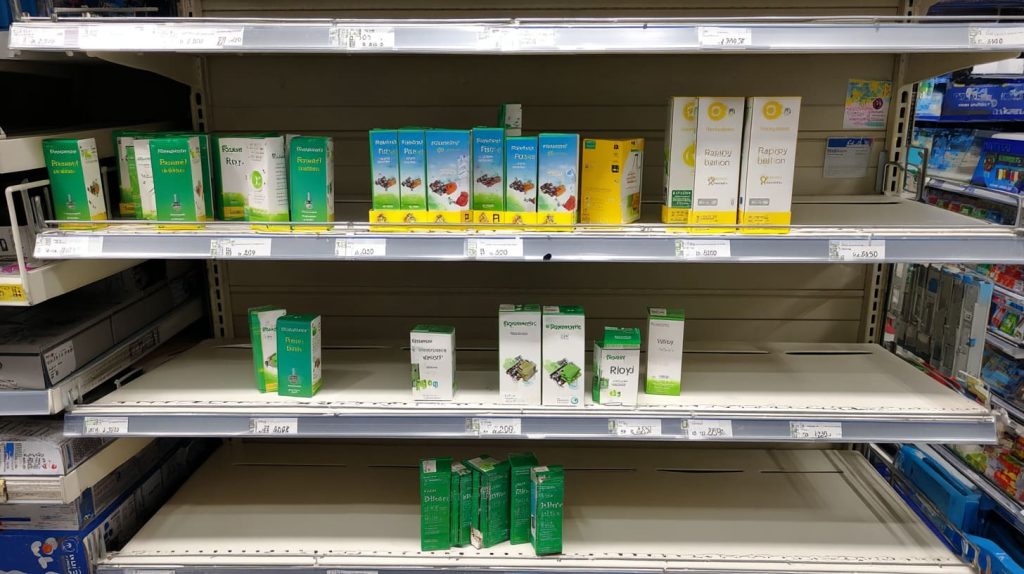
Best Buy may list Raspberry Pi boards, but they're often out of stock or overpriced due to limited inventory.
You’ll find the occasional Pi 4 or full-size model, but Zero units? They vanish fast. I’ve had customers in North America tell me it’s like trying to catch fog.
What is the price of Raspberry Pi Zero on Amazon?
Let’s just say… not always friendly.
Amazon prices for Pi Zero can be 2–4x higher than MSRP, especially from third-party sellers.
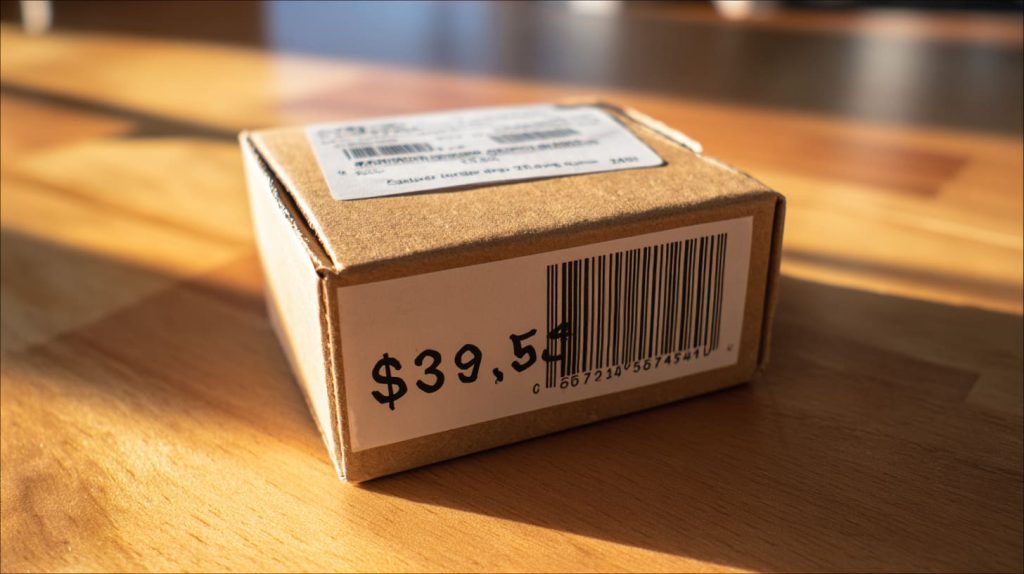
The worst I saw? A $5 Zero W being listed for $39.95. No accessories, no SD card. Just the bare board.
What is the current global wholesale price trend for the Raspberry Pi Zero and how does it affect B2B sourcing?
It’s a rollercoaster—and B2B buyers feel every bump.
Wholesale prices for Pi Zero vary from $8 to $20+ depending on region, with Asian suppliers offering better deals—but stock is volatile.
What affects the wholesale trend?
- Region: Asian markets have more access, lower price.
- Order size: MOQ plays a big role.
- Timing: Post-holiday seasons can spike prices.
- Shipping: Air freight adds significantly to cost.
As a factory, I’ve noticed that sourcing directly from Asia with 200–500 pcs MOQ helps buyers maintain margins—especially for projects or re-brands.
There’s a sweet spot between price and reliability.
Best options include Element14, Digi-Key, and Seeed Studio for small bulk; for larger OEM/B2B orders, direct factory deals in China often beat them.
If you're only grabbing 10–50 units, go official. If you're a brand owner like Jacky, with rebrand plans and sticker needs? You’ll want to talk to a supplier like us who knows the drill.
| Source | MOQ | Notes |
|---|---|---|
| Element14 | 10–100 | Genuine but often out of stock |
| Seeed Studio | 50–200 | Better availability, decent price |
| Direct from factory | 100–500 | Best for private label projects |
How can custom logo/branding and packaging increase cost‑effectiveness when sourcing Raspberry Pi Zero for re‑brand?
You might spend more upfront, but save per unit in the long run.
Custom logo printing and branded packaging lets you increase product value and sell higher—offsetting the cost of the board.

We’ve worked with buyers who rebrand the Pi Zero with logos, stickers, even engraved shells. The extra $0.50–$1.00 per unit in branding gives them 3x ROI in retail.
What minimum order quantities and shipping/logistics costs should I factor in when importing Raspberry Pi Zero boards into Europe or North America?
This part can make or break your margins.
Typical MOQ for re-branding is 100–200 units. Shipping costs vary, but DHL/FedEx adds $1–$2 per unit unless you consolidate.
Plan early. Avoid air freight if you can. And always ask your supplier to pre-label or kit the parts before shipping. Saves you labor later.
| Region | MOQ | Shipping Cost Estimate (per unit) |
|---|---|---|
| Europe | 100–200 pcs | $1.50–$2.20 via express |
| North America | 100–200 pcs | $1.30–$2.00 via express |
How do supply chain disruptions or chipset shortages affect Raspberry Pi Zero pricing and availability?
You can feel the pain in your PO numbers.
Any disruption—chip shortage, port lockdown, even raw material inflation—directly raises costs and slows supply for Raspberry Pi boards.
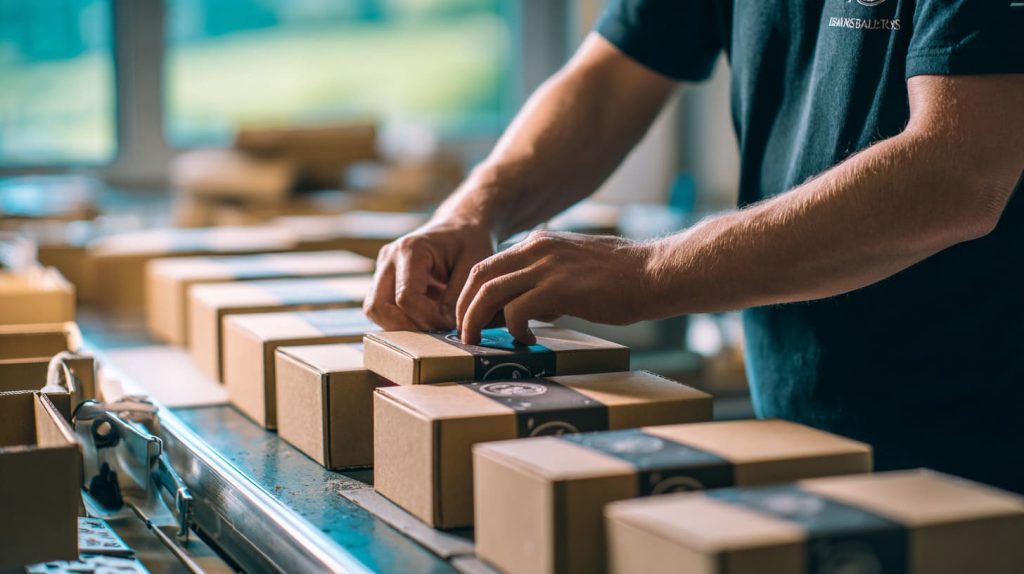
Last year, we had delays due to a single chip being unavailable in Shenzhen. A $0.70 part delayed $30k worth of production. Timing and planning matter more than ever.
Are there acceptable alternatives to the Raspberry Pi Zero that offer similar value for custom‑kit/wholesale projects?
Absolutely. You just have to know where to look.
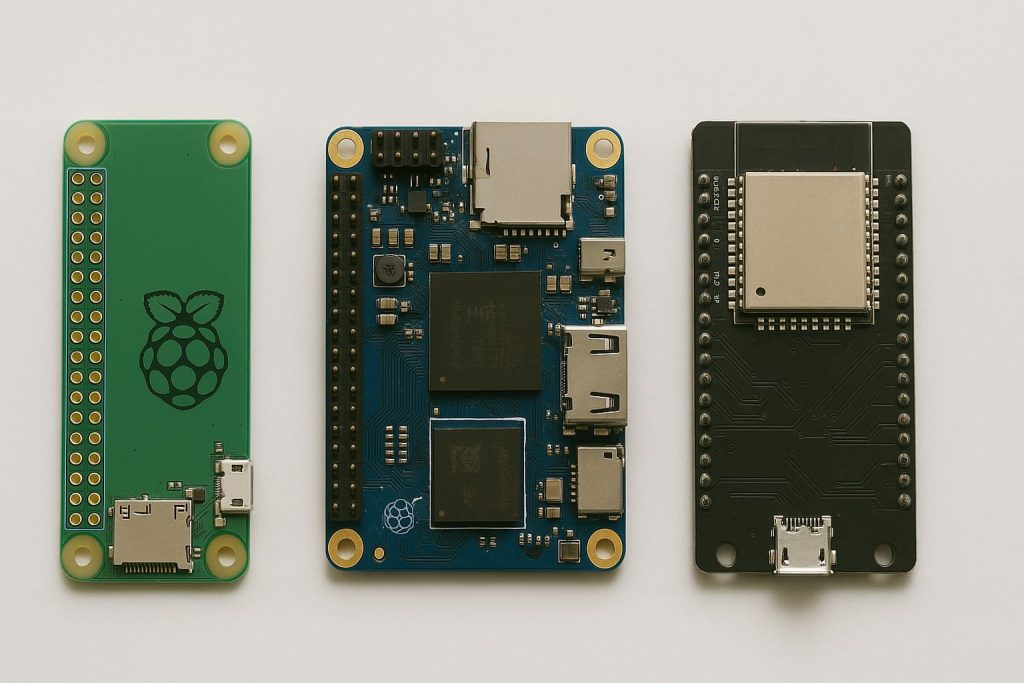
Alternatives like Orange Pi Zero, Banana Pi M2 Zero, or ESP32-based modules offer similar performance at better availability.
I’ve seen Lasle in Hungary run whole control systems on ESP32 boards for a fraction of the cost. If your software stack allows flexibility, these are worth considering.
| Alternative | CPU/Specs | Price Range | Notes |
|---|---|---|---|
| Orange Pi Zero 2 | Quad-Core, 512MB–1GB | $10–$20 | Very Pi-like |
| Banana Pi M2 Zero | Quad-Core, 512MB | $12–$18 | Similar GPIO |
| ESP32 Dev Boards | Dual-core, Wi-Fi/BT | $3–$10 | Great for IoT/basic UI |
How can I validate genuine Raspberry Pi Zero boards and avoid paying inflated pricing for counterfeit or grey‑market units?
It’s the wild west out there, honestly.
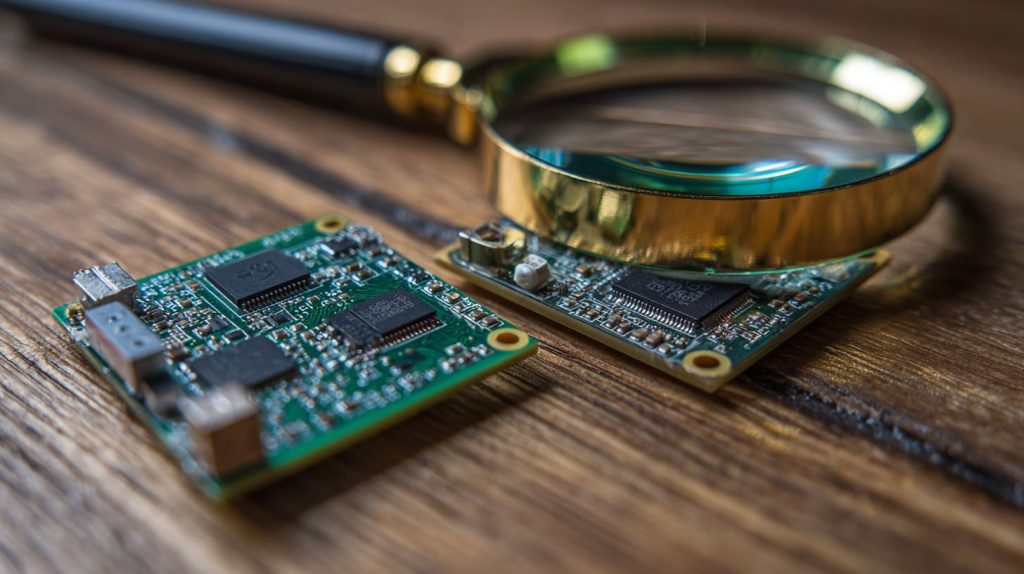
Always verify serial numbers, check the board silkscreen, and ask for sourcing proof from resellers.
We’ve seen fakes with wrong GPIO pinouts, or boards that overheat with minor loads. A good seller will always provide tracking for how the board was sourced.
What are typical customisation cost add‑ons (logo engraving, private label packaging) and how do they affect overall unit cost for Raspberry Pi Zero boards?
Here’s the math that helps you decide.
Engraving or printing adds $0.50–$1.00 per unit; private packaging can add $0.80–$2.00 depending on material and quantity.
I always tell re-brand clients like Davide: budget around $1.50–$2.50 total for custom work. That might sound like extra cost—but it gives you brand identity and shelf appeal.
| Custom Add-on | Typical Cost (per unit) |
|---|---|
| Logo laser engraving | $0.50–$0.80 |
| Sticker label printing | $0.20–$0.50 |
| Branded packaging (box) | $1.00–$2.00 |
| Foam insert customization | $0.30–$0.80 |
Conclusion
You can still buy Raspberry Pi Zero at a fair price—if you know when, where, and how.