Skip to content

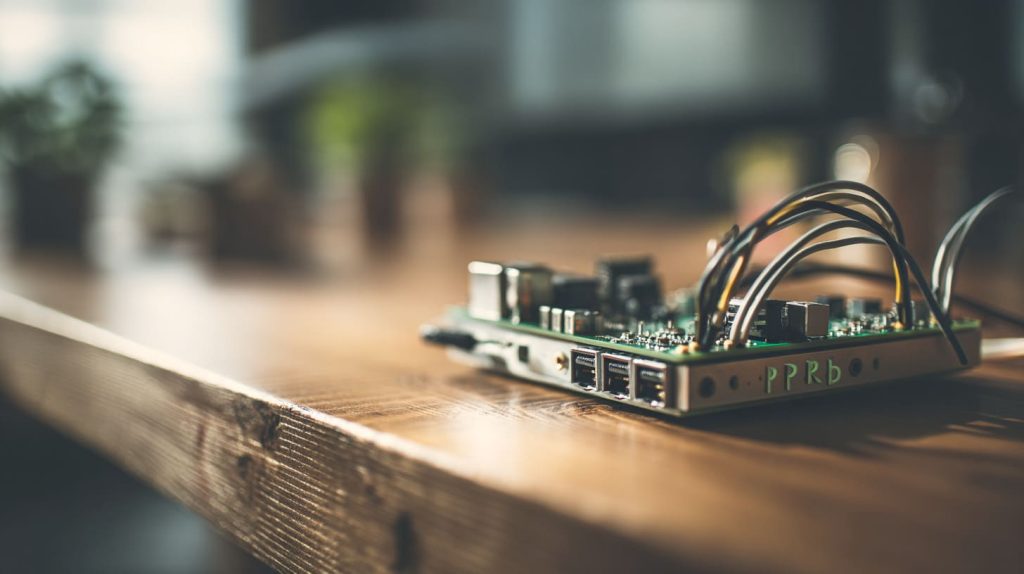
A Raspberry Pi sat quietly on my desk, no bigger than my palm, wires curling like curious fingers. I wasn’t planning on doing anything big with it that day—just testing a new batch of custom cases. But then it booted. Fast. Clean. And I couldn’t help thinking… this thing has so much potential.
The Raspberry Pi is exciting because it makes computing accessible, customizable, and powerful for anyone—whether you're a student, maker, engineer, or entrepreneur.
It’s not just a board. It’s a spark. And for people like me—and maybe like you—it’s changed everything.
Why is the Raspberry Pi so popular?
I’ve lost count of how many clients asked for Pi accessories last month alone.
It’s popular because it’s cheap, versatile, beginner-friendly, and backed by a huge community.
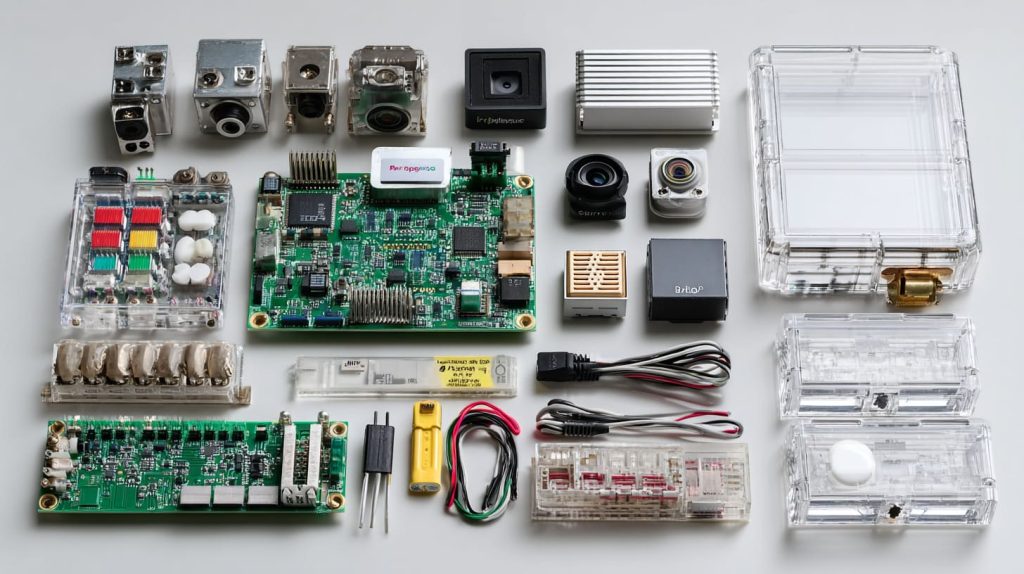
The magic combo that makes Pi irresistible
| Factor | Why it matters |
|---|---|
| Price | Starts under $50—perfect for mass adoption |
| GPIO Pins | Let’s you connect almost anything |
| OS Support | Runs Linux, Ubuntu, and specialized OSs |
| Community | Thousands of tutorials and open-source projects |
| Accessories | Endless cases, hats, sensors, cameras—you name it |
Every time I ship a Pi case to someone like Jacky in Belgium, I know it's part of something bigger. A classroom project, a startup idea, a hobby turned hustle.
Is it illegal to have a Raspberry Pi?
This one surprises people, especially when they’re new.
No, Raspberry Pi is not illegal—unless you use it for illegal activities.
It’s just a tool. How you use it matters.
You can use a Pi to teach kids programming. You can also (unfortunately) use it to hack things. But the same goes for any computer.
Think of it like a screwdriver. Legal? Of course. Break into a house with it? Now we have a problem.
For most people, Pi is a force for good.
Can Raspberry Pi 4 play Netflix?
I get this question a lot from casual users.
Yes, but it takes a few tweaks—like using Chromium with Widevine DRM enabled.

Streaming on Pi isn’t plug-and-play
- Default browser? No DRM.
- Chromium with tweaks? Yes.
- Pi 4 or Pi 5? Smoother with Pi 5 due to better GPU.
And yes, I’ve tested it myself on a couch one weekend. It works, but don’t expect 4K perfection.
What can you actually build with a Raspberry Pi?
This is where the magic really starts.
You can build everything from retro gaming consoles to smart mirrors, media centers, home automation systems, and even robots.

Let’s list a few real builds from my customers:
- Davide in Belgium: Re-brands Pi 4 kits with Kodi pre-installed
- Lasle in Hungary: Custom enclosure for AI image detection
- John in Canada: Industrial temp loggers for cold storage
- My own test rig: Automated SD card duplicator for mass production
When I see what people do with my cases—it’s humbling. My part’s small, but the impact? Huge.
How has the Raspberry Pi changed the DIY and maker world?
Back then, DIY meant soldering your fingers off. Now?
Raspberry Pi turned DIY into plug-and-play creativity.

The biggest shifts I’ve noticed:
- Accessibility: More kids than ever are building projects
- Community: From Reddit to Hackster, collaboration exploded
- Shops & kits: You can buy Pi kits in local electronics stores now
- Open-source boom: Libraries, code, CAD files—it’s all shared
We’re not just hacking things anymore. We’re building futures.
Why do tech educators love using Raspberry Pi in schools?
I’ve seen schools order 100+ kits at once.
Because it’s affordable, safe, and gives students real-world skills.

A few reasons educators keep calling me:
- Price: Fits tight budgets
- Coding: Python, Scratch, Linux—all on one board
- Tangible results: Blinking LEDs? Servo motors? Instant feedback
- Engagement: Kids get hooked when they see what they’re building
And once they start, some never stop. They become engineers.
What makes Raspberry Pi a favorite for industrial projects?
When you walk into a smart warehouse, don’t be surprised if there’s a Pi behind the scenes.
Pi is compact, affordable, and programmable—perfect for embedded industrial use.

Common Pi-based industrial setups:
| Use Case | Why Pi Works Well |
|---|---|
| Sensor Gateways | Easy GPIO setup and real-time data logging |
| Machine Vision | Combine with Pi Cam for object detection |
| Automation Control | Python scripts + relays = affordable PLCs |
| Data Collection | Local storage or cloud upload |
Companies love the flexibility. I just help them protect it in a rugged custom enclosure.
Can Raspberry Pi replace a desktop PC or server?
This one depends on who you are.
For light office tasks or media hosting, yes. But not for heavy video editing or large-scale servers.
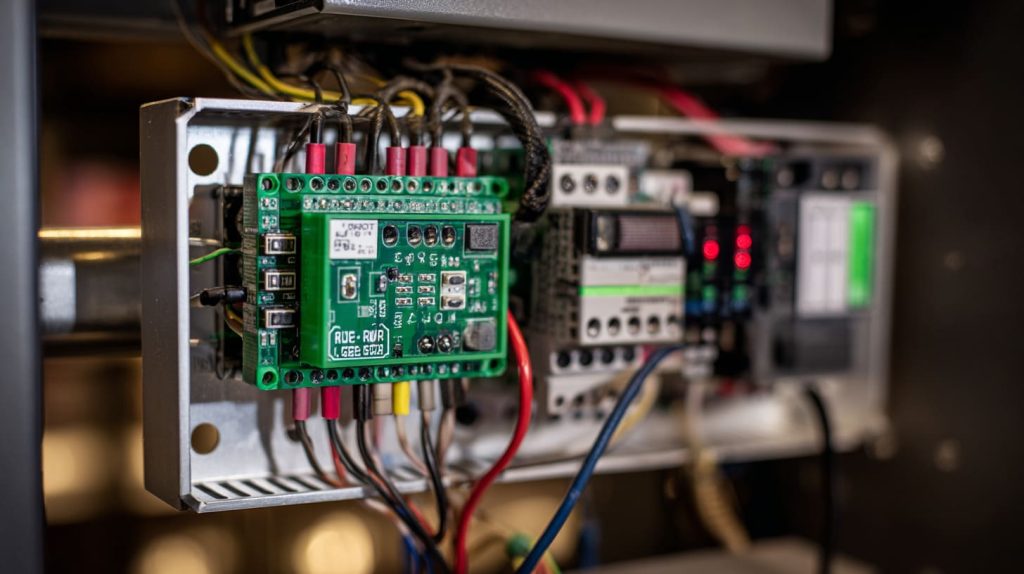
What it handles well:
- Word processing
- Spreadsheets
- Docker-based media servers
- Home automation dashboards
- Git repositories
But if you’re compiling code for hours—look elsewhere.
What are the most impressive real-world Raspberry Pi use cases?
Some builds blew me away.
Smart farms, AI art bots, solar-powered weather stations—the Pi is in everything.

My personal shortlist:
- Solar irrigation system in Kenya (client used our waterproof enclosure)
- AI-powered fish tank monitor (yes, really)
- Community Wi-Fi hub in rural areas
- DIY synth controller for a local music artist
And they all started with one question: “Can Pi do that?” The answer was usually yes.
How does the Raspberry Pi compare to other SBCs like Orange Pi or Jetson Nano?
Fair question—and one I get from buyers all the time.
Raspberry Pi wins on ecosystem, but others like Jetson win on raw AI power.

Here's a simple breakdown:
| Board | Strengths | Weaknesses |
|---|---|---|
| Raspberry Pi | Huge community, stable OS, tutorials | Lower AI power, high demand |
| Orange Pi | Cheap, flexible models | Software support can be spotty |
| Jetson Nano | AI & ML optimized | Pricey, not beginner-friendly |
It’s not about which is better. It’s about which fits you better.
Why do re-branders and Amazon sellers love Raspberry Pi accessories?
Jacky told me straight: “Your case makes my brand look premium.”
Because accessories like custom cases, stickers, and kits allow sellers to add value and profit margin.

Here's what re-branders usually want:
- Custom logo on the acrylic or ABS case
- Branded packaging with barcodes
- Bundle kits with fans, cables, and SD cards
- Pre-applied thermal pads and label stickers
It’s not just about function. It’s about feel. That’s what sells.
What makes Raspberry Pi 5 such a big upgrade over Pi 4?
I still remember unboxing my first Pi 5—it felt like a leap.
Raspberry Pi 5 adds major speed boosts, PCIe support, and improved GPU for real desktop-like performance.
Quick Pi 5 vs Pi 4 comparison:
| Feature | Pi 4 | Pi 5 |
|---|---|---|
| CPU | Quad Cortex-A72 @ 1.5GHz | Quad Cortex-A76 @ 2.4GHz |
| RAM | Up to 8GB LPDDR4 | Up to 8GB LPDDR4X |
| PCIe | No | Yes (external connector) |
| USB | 2x USB 3.0 | Faster USB 3.0 ports |
| GPU | VideoCore VI | VideoCore VII |
If you need speed, Pi 5 delivers.
How do Raspberry Pi cases and accessories impact performance and durability?
This is the part I deal with daily—and I’ll be honest—it’s underestimated.
A good case can improve airflow, protect from dust, and extend lifespan. A bad one? It overheats your board.

What makes a great Pi case?
- Ventilation holes or built-in fan mounts
- Heatsink clearance to avoid contact
- Material—ABS plastic for durability, acrylic for looks
- Precision cutouts for ports (especially Pi 5 with its new layout)
- Custom branding for re-sellers
Sometimes, the case makes the Pi. Especially when it sits in a workshop, classroom, or warehouse for years.
Conclusion
Tiny board. Big ideas. That’s Raspberry Pi.