Introduction
Background of the Raspberry Pi 4 8GB
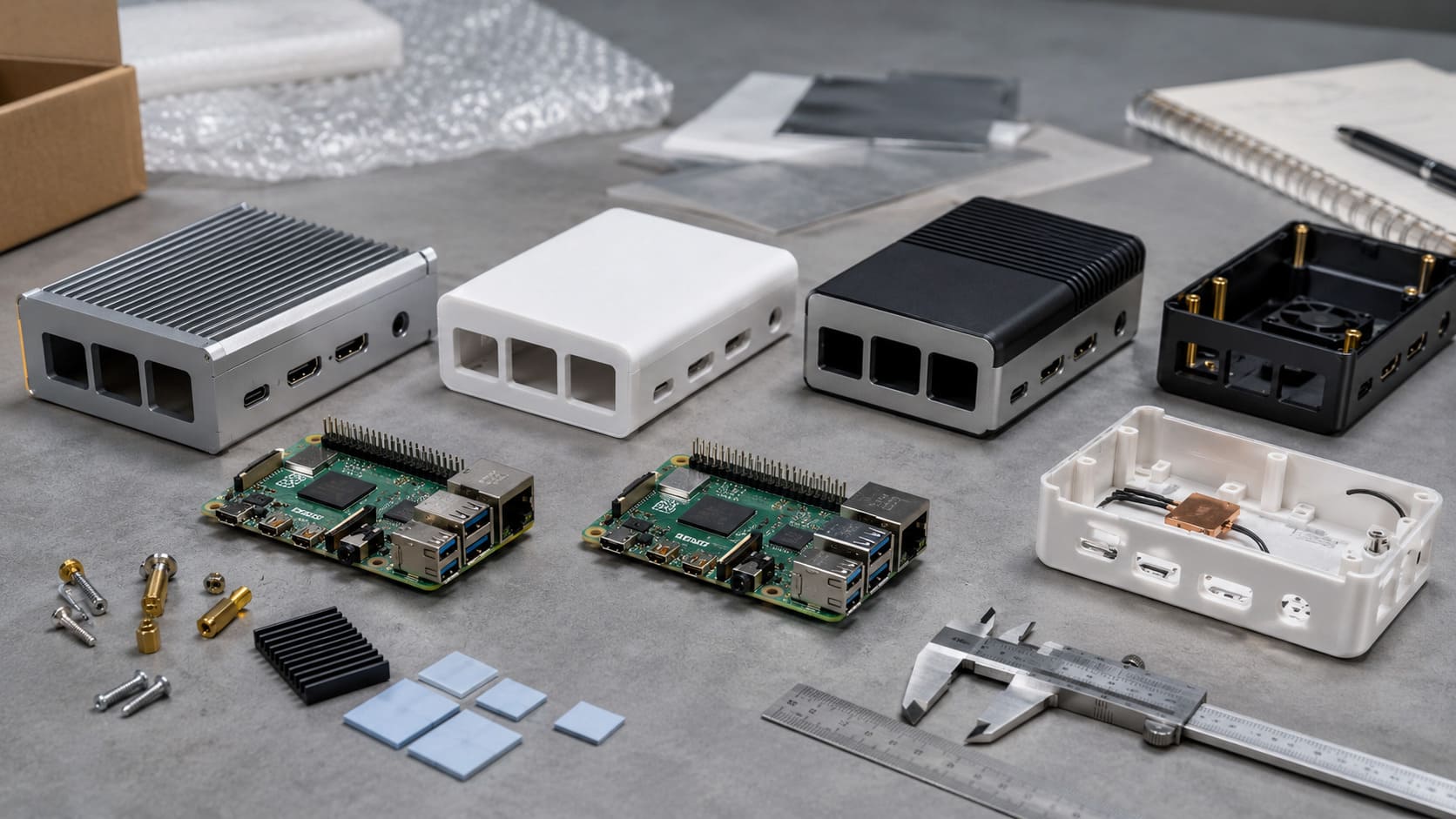
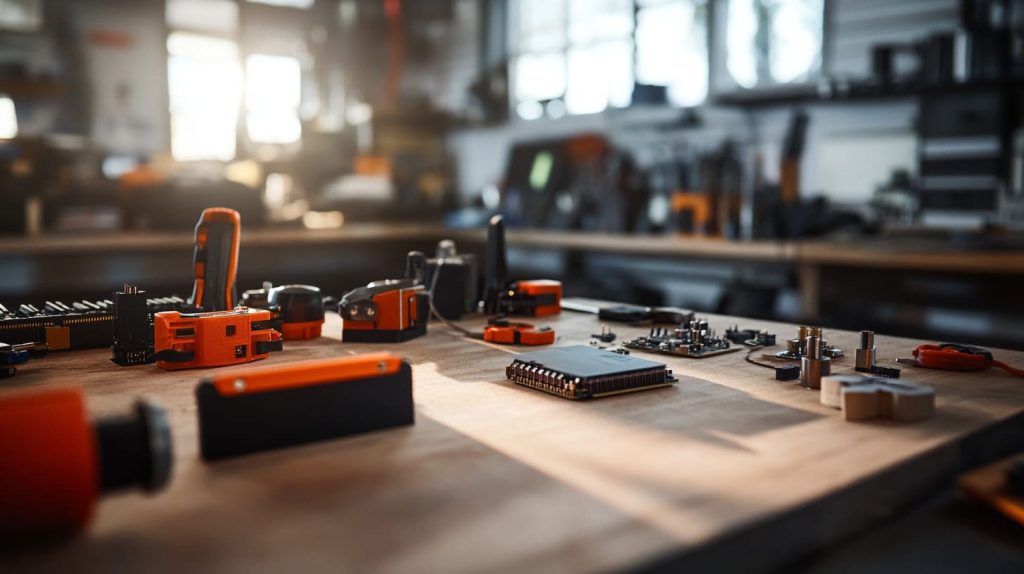
I remember the first day I held the Raspberry Pi 4 8GB in my hands. I was in my workshop, surrounded by stacks of unfinished prototype cases. My coffee had gone cold, and I was too excited to notice. I wanted to see how far I could push this tiny board. Before I knew it, the day had flown by, and I was left with a whole list of new ideas to explore.
From that experience, I learned that this model brings a different energy to Raspberry Pi projects. In my case, I’ve spent years helping business owners design, customize, and wholesale Raspberry Pi accessories. Yet, this powerful board still surprises me.
Purpose of This Article
I want to share my journey with you. I want to show you how I discovered the many things you can do with 8GB of RAM on the Raspberry Pi 4. I’ll examine hardware details, dive into real-world tasks, and explore how you can transform your personal or professional projects.
I know that sometimes we just need a fresh perspective to see the possibilities. Keep reading. You might find a new idea for your next project or a different angle to spark a big solution.
Now, let me walk you through the core features of the 8GB Pi. I promise to keep it straightforward.
Understanding the Raspberry Pi 4 8GB
Key Hardware Specifications
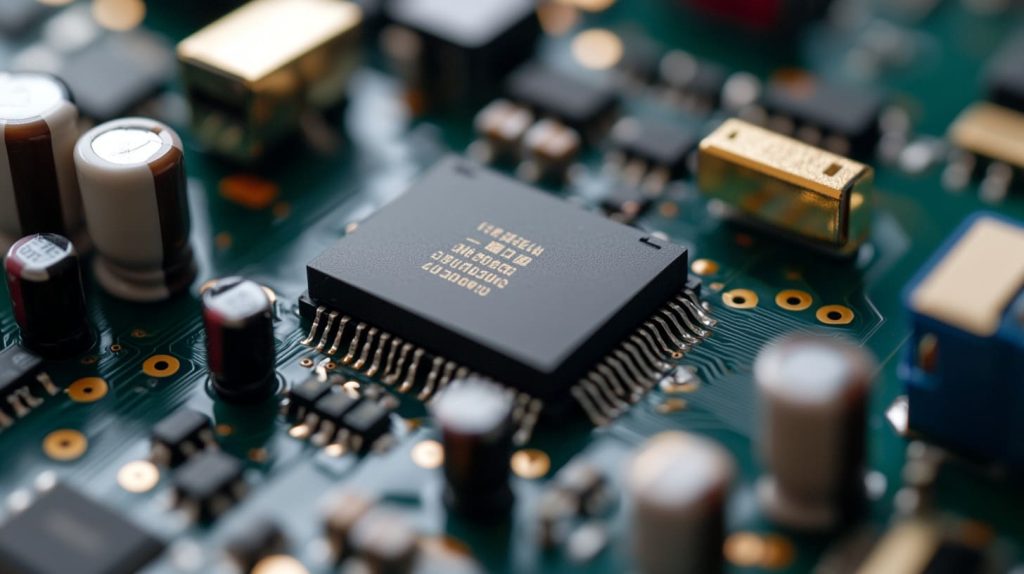
When I first set up the Raspberry Pi 4 8GB, I noticed the big improvements in memory capacity. It allowed me to open multiple apps without feeling that annoying lag. This model has:
- A 64-bit quad-core Cortex-A72 CPU.
- Dual micro-HDMI ports supporting up to 4K resolution.
- USB 3.0 ports for faster data transfers.
- Gigabit Ethernet for quick networking.
I once ran a small test for a client who wanted to push data to multiple displays, and the performance difference with 8GB was amazing. It reminded me that sometimes a few extra gigabytes of RAM can solve many headaches. But is it always the best choice?
| Specification | Raspberry Pi 4 Model 8GB |
|---|---|
| CPU | 1.5GHz Quad-core Cortex-A72 |
| RAM | 8GB LPDDR4-3200 SDRAM |
| Ports | 2x Micro-HDMI, 2x USB 3.0, 2x USB 2.0 |
| Network | Gigabit Ethernet, 2.4/5.0 GHz Wi-Fi |
Why 8GB Matters for Performance
I’ve often been in discussions where people question whether 8GB is excessive for a Pi. From my experience, it’s not. Running heavier tasks such as virtual machines or large databases benefits from higher memory. It offers breathing room. This memory space also helps if you’re dealing with many browser tabs or advanced data processing.
Yet, I’ve seen some wonder if 4GB is enough. The short answer is it depends. If you’re exploring bigger data sets or need to multi-task often, go for 8GB. If your needs are light, you can consider lower options. But if you want to leave no room for regret, choose the bigger memory.
Comparing 8GB to Other Models
Comparisons can spark critical thought. Some folks believe that the 2GB or 4GB models are good enough. Others think 8GB is the only right way to go. In my view, each model has its place:
- 2GB Model: Good for general tasks or smaller projects.
- 4GB Model: Great for medium-level tasks and moderate multitasking.
- 8GB Model: Ideal for heavier, memory-intensive applications.
When deciding, look at your short- and long-term project plans. If you see your tasks scaling up, you’ll be glad to have 8GB. But if you are on a strict budget, you can still do wonderful things with 4GB. It’s always about matching your specific needs.
It’s funny how exploring performance trade-offs can feel like a puzzle. Let’s move on to what the 8GB Pi can do in everyday life.
Enhanced Desktop Experience
Smooth Web Browsing and Office Productivity
I remember working with a client who needed multiple browser tabs for online research and real-time data tracking. They got frustrated when memory limits caused slowdowns. After upgrading to 8GB, that frustration disappeared.
From a broader viewpoint, smoothness depends on both CPU and RAM. But having 8GB makes a huge difference in things like opening spreadsheets or running complex presentations. It also means you can hop between web-based applications without waiting for them to reload.
Multi-Tasking with Multiple Applications
Having multiple applications open at once can be a lifesaver. Think about editing images in GIMP, running a Python script, and browsing the web simultaneously. It’s possible thanks to more RAM. On the other hand, if you only run one or two simple applications, you might not need all that memory.
But if you’re like me, your to-do list grows without warning. You might juggle email, video calls, and a coding environment all at once. That’s when you appreciate every extra MB of RAM. It simplifies the day and avoids that dreaded system freeze.
Programming and Development Environments
As someone who sometimes tinkers with coding, I’ve tested how a Raspberry Pi 4 with 8GB handles IDEs like Visual Studio Code. The difference in responsiveness compared to lower memory models is remarkable. If you plan to run Docker containers for microservices or multiple interpreters, 8GB can help keep everything running without hitting swap space.
But let’s see how these capabilities extend into multimedia projects. Keep reading, because next, I’ll walk you through the endless possibilities of streaming and sound.
Multimedia and Streaming

High-Definition Video Playback
I got hooked on the Pi’s video capabilities after a friend challenged me to stream a 4K video without stuttering. I took that challenge seriously. I attached the Pi to my monitor, set up a local media file, and it ran smoothly. The 8GB memory gave me enough headroom to run extra tasks in the background, like a file transfer, without lag.
From a critical angle, if you only need to watch 1080p videos, you may not need 8GB. But if you want flawless 4K playback, you’ll be thankful for the extra memory. It also makes a difference when you’re running software decoders that demand more resources.
Setting Up a Media Center (e.g., Kodi)
Sometimes, I help clients build their own home theater PC. Kodi is one popular choice. It lets you stream or play local media in a slick interface. With an 8GB Pi, you can install Kodi, run background scripts, and even handle a few small server tasks.
Consider a scenario where you are streaming full-HD movies while simultaneously downloading large files. That’s when you feel grateful you didn’t choose a lower memory model. But do keep an eye on network speed. Even if you have more memory, a weak connection can limit your streaming performance.
Audio Projects and Music Streaming
Audio projects on a Pi can range from streaming music to running digital audio workstations. While audio by itself isn’t always memory-heavy, layering effects, multiple channels, or advanced audio processing can chew through RAM quickly.
I’ve seen folks record entire bands using a Pi loaded with audio software. From the outside, it looks strange. But with the right setup, it’s possible. The 8GB Pi ensures you can process more channels without glitching or freezing. That sums up why some people take a serious look at memory when picking a Pi.
And if media alone doesn’t get your attention, let’s move on to another realm: server projects and cloud services.
Server Projects and Cloud Services
Hosting Personal Web or Database Servers
When a friend asked me if I could set up a small web server for him, I decided to try the Pi 4 with 8GB. It worked nicely for WordPress sites and lightweight database applications. Those extra gigabytes allowed the server to handle more concurrent connections before performance dropped.
Many people think of server hosting as complicated. But I’ve found that with a stable internet connection and some patience, you can host small to medium websites on a Pi. If your site gets big traffic, plan for more robust hardware or load balancing. But for personal sites, the Pi can be a quiet champion.
File Sharing and NAS Solutions
I’ve turned the Pi into a mini NAS for storing and sharing files on my local network. It’s easy: connect an external hard drive, install Samba or NFS, and enjoy a small, energy-efficient file server. If you are storing large files or want RAID, you’ll need more advanced setups. But for everyday file sharing, 8GB helps keep data transfers smooth.
Here’s a quick table showing typical server and cloud tasks you can run:
| Task | Memory Demand |
|---|---|
| Web Server (small traffic) | Moderate |
| Database (small scale) | Moderate to High |
| File Sharing (NAS) | Moderate |
| Email Server | High |
Lightweight Cloud Platforms (Nextcloud, OwnCloud)
Sometimes I help clients set up personal cloud services so they can share files from anywhere. Nextcloud or OwnCloud are common picks. They run well on the 8GB Pi, though you must keep your software updated. And, always measure your resource usage if you sync lots of files at once.
Personally, I like hosting Nextcloud on a Pi for testing. It gives me a stable environment without hogging too much of my office space. If you’re building a big collaborative environment, you might need a more powerful server, but the Pi handles personal or small team use quite well.
Now, if you enjoy pushing boundaries, let’s explore the world of virtualization and containerization.
Virtualization and Containerization
Running Lightweight Virtual Machines
I once worked with a client who wanted a cluster of Raspberry Pis to emulate different operating systems for testing. The 8GB model made that possible. You can use software like QEMU or Oracle’s VirtualBox (with some effort). But keep your expectations realistic. These are lightweight virtual machines, not massive enterprise environments.
Critically, if your VM needs a full-blown OS with heavy graphical interfaces, performance might be tight. But for server-like tasks, this is a neat way to run different test environments on a compact machine.
Docker & Kubernetes on Raspberry Pi
Running Docker on Raspberry Pi has become popular for microservices. It’s a natural fit for the 8GB model, allowing you to run multiple containers at once without hitting memory ceilings. I’ve also tried small-scale Kubernetes clusters across multiple Pi boards. The results can be surprising. You get a real containerized environment in a small, energy-friendly package.
Just keep in mind that Docker images, especially large ones, will eat through memory. Monitor your containers carefully and consider using Docker swarm or other orchestration tools if you scale up.
Resource Allocation Best Practices
When you experiment with virtualization, memory allocation is vital. Always plan how much RAM each VM or container needs. If you’re running three or four containers, allocate enough memory so they all run smoothly. It’s easy to oversubscribe and run into performance bottlenecks.
Before we move on to AI and data projects, you might wonder if the Pi 4 can handle heavy tasks like machine learning. Let’s see.
AI, ML, and Data-Intensive Projects
Running TensorFlow Lite or Similar Frameworks
The first time I tried machine learning on a Pi, I was skeptical. I didn’t think it could process real-time image recognition. Then I saw it running TensorFlow Lite on a Pi 4 with 8GB. It was slower than a high-end workstation, of course. But it performed well for smaller models.
It’s a great way to learn the basics of AI on a low-power device. Yet, keep your tasks modest. If you’re training a neural network from scratch, you might need something more powerful. But for inference or smaller datasets, the Pi 4 with 8GB can do the job.
Real-Time Object Detection and Processing
I sometimes install object detection software for local security or data collection. The Pi processes camera feeds, identifies objects, and sends alerts. With 8GB of RAM, you can handle a few camera feeds without overwhelming the system. It’s not perfect, but it’s impressive for such a small board.
From a critical standpoint, real-time detection on multiple feeds might be too demanding. Always test your specific model first. If it’s too heavy, consider adding an accelerator like the Google Coral USB stick to offload some tasks.
Handling Big Data on a Raspberry Pi
Big data might sound far-fetched for a Pi, but you can do small-scale data analysis. For example, load a subset of a bigger dataset and test analytics or data-processing pipelines. If you ever plan to do large-scale data crunching, you’ll probably use a more robust server. But for learning or proof-of-concept tasks, the Pi is a handy tool. The 8GB model gives you extra space to process moderate data in memory.
Still curious about fun ways to use that memory? Let’s dive into gaming and emulation next.
Gaming and Emulation
Retro Gaming Emulators
Retro gaming was my first Pi love. I still remember hooking up an old SNES controller to run classic titles. With 8GB, you can run resource-hungry emulators or multiple emulators at once. It’s a breeze for older console games. Even some newer systems can be emulated, though performance can vary.
The biggest perk is being able to run a variety of emulators without restarting. But keep your expectations in check for modern consoles. The Pi is powerful for its size, but it’s not a gaming PC.
Running Steam Link for Remote Gaming
If you have a capable gaming PC in another room, the Pi can act as a remote client with Steam Link. I tried it once, and the experience was surprisingly smooth, assuming your network is solid. The 8GB Pi can handle the client tasks well. But the real question is your home network speed and latency.
In a critical view, if you’re dealing with spotty Wi-Fi, you might get lag and frame drops. A wired connection can solve a lot of problems. Some users feel it’s not as immersive as a direct connection, but it’s a cool option if you want to game in a different part of your home.
Optimizing Performance for Resource-Heavy Titles
For resource-heavy games, you can tweak settings. Lower resolution or framerate can help. Overclocking the Pi might offer a small boost, but it also brings heat concerns. If you’re willing to experiment, you can strike a balance between quality and smooth play.
At this point, let me show you some tips for memory management to keep everything running efficiently.
Tips for Managing Memory Usage
Monitoring System Resources
I frequently keep an eye on my RAM usage. Tools like htop or the system monitor in Raspberry Pi OS let you see exactly which processes are memory-hungry. It’s useful if you’re running multiple tasks, and you’re noticing slowdowns.
A quick check can save you time. I’ve identified memory leaks in homegrown Python scripts this way. It’s a good practice to build into your routine if you’re working with advanced projects.
Swapping and Memory Allocation
By default, the Pi sets a small swap file, but you can tweak it if you run out of physical memory. However, be cautious. Swap is slower than actual RAM. If you’re swapping a lot, it might mean you’re overloading your system. Sometimes it’s better to close some programs or optimize your code rather than rely on a larger swap file.
Cooling and Overclocking Considerations
I run a custom cooling case on my Pi. Having that 8GB does mean I’m often tempted to push my device. Overclocking can help for certain tasks. But it generates more heat. Investing in a good heatsink or fan is essential if you plan to overclock.
Over time, I’ve realized that stable performance is more valuable than those few extra clock cycles. Make sure your power supply is also stable. If you’re drawing too much power, you risk sudden crashes.
Now, let’s wrap up everything in our final conclusion.
Conclusion

Recap of Key Takeaways
I’ve used the Pi 4 with 8GB RAM for personal projects and professional prototypes. It can handle a diverse range of tasks like video playback, server hosting, AI, and even gaming. If you want flexibility, 8GB gives you room to experiment and grow.
Future Possibilities with Raspberry Pi 4 8GB
We never know where new ideas will lead us. The Pi 4 with 8GB means we can explore virtualization, containers, or even moderate machine learning. I’ve found that the extra memory often sparks creative ways to combine multiple functions on one device. It’s a reminder that small boards can do mighty things.