Skip to content
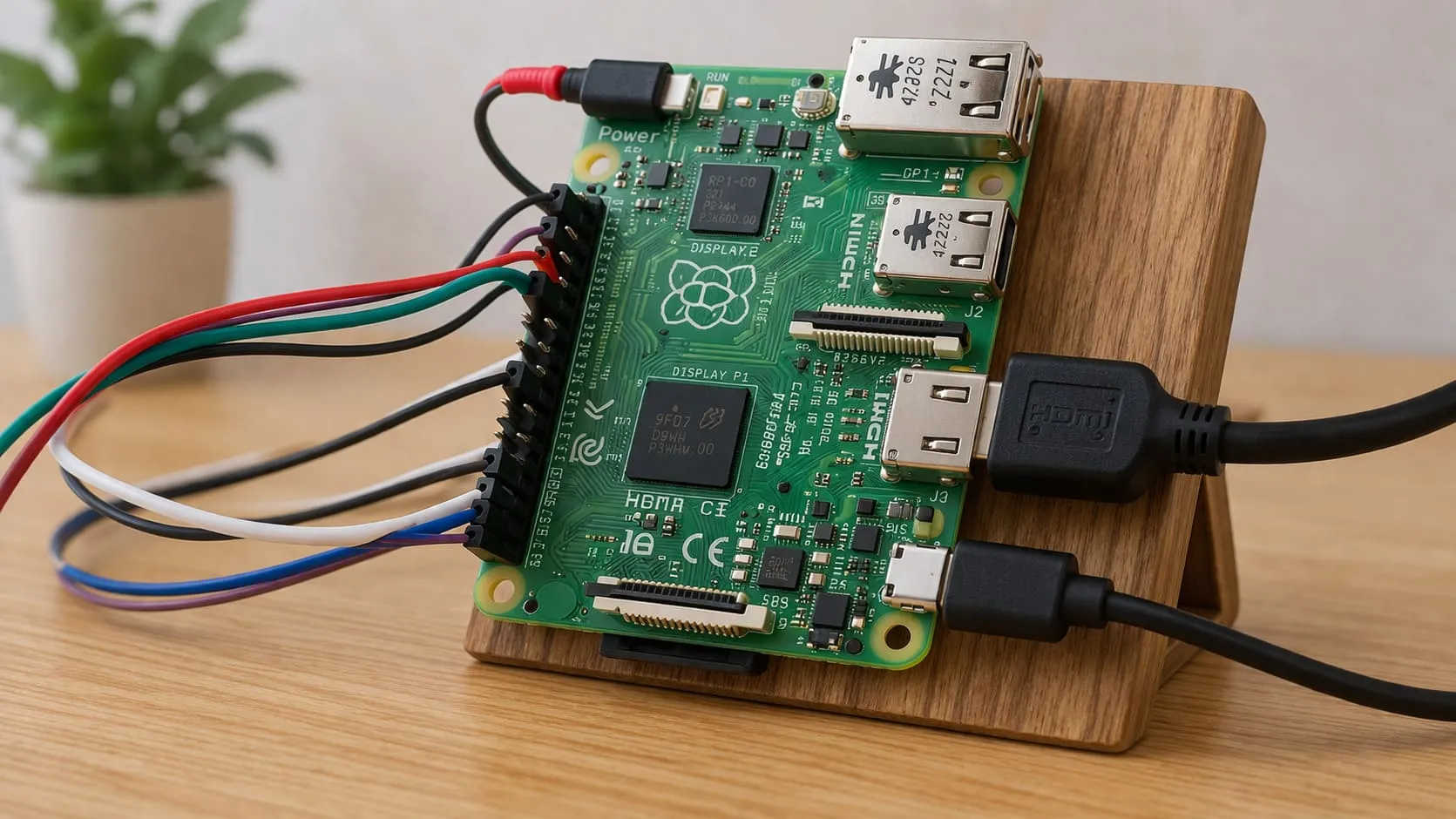
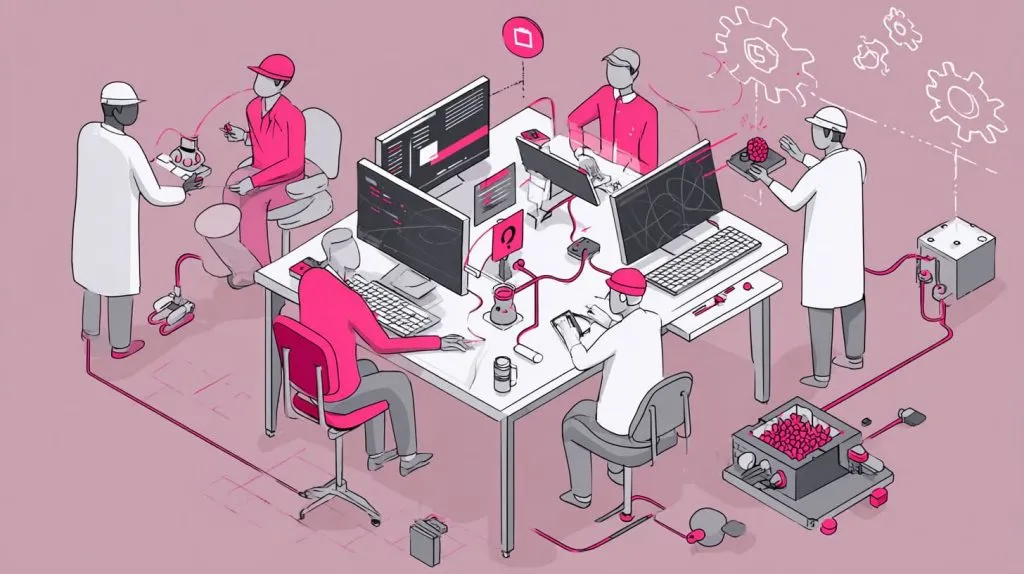
The Raspberry Pi often shows up in conversations about weekend projects and school coding clubs. Yet in the same week, I can be speaking with a retail chain upgrading its digital signage network, a robotics company building a new product line, and an energy startup deploying smart building gateways — all powered by the same tiny board.
This guide is written for enterprise buyers, OEM/ODM teams, and distributors who want to understand why the Raspberry Pi has become a serious business platform. It’s not just about the board itself; it’s about what it can help you build — faster, cheaper, and with fewer headaches.
💡 Why it matters:
- Low cost compared to industrial computers
- Fast time-to-market — prototypes in days, not months
- Massive ecosystem of accessories, software, and developers
We’ll explore real-world use cases, deployment strategies, sourcing advice, and ways to calculate ROI. Along the way, I’ll share insights from working with both small shops and global enterprises turning Pi-based concepts into commercial success.
Let’s start with how businesses take Raspberry Pi from a hobbyist’s desk to full-scale production.
From Prototype to Production: Why Businesses Standardize on Raspberry Pi
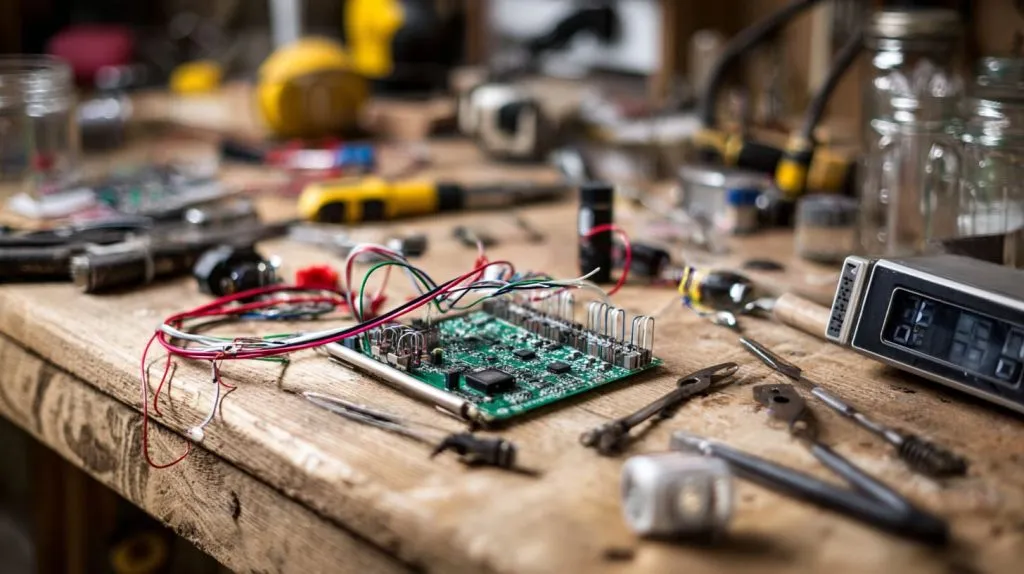
When I speak with new clients, their journey often begins with a Pi prototype sitting on a cluttered workbench. Then they hit a point: We need 500 of these… how do we make it industrial?
BoM stability & multi-year availability
One of the overlooked advantages is that Raspberry Pi maintains Bill of Materials stability. For example, the Compute Module 4 (CM4) launched in 2020 and is still in production today, with official guarantees of availability for many years. That matters when your business depends on predictable supply.
| Model | Launch Year | Guaranteed Until |
|---|---|---|
| Pi 4B | 2019 | Jan 2031 |
| CM4 | 2020 | Jan 2031 |
Mature OS, tooling, and community support
You’re not just buying a board — you’re buying into a decade of software maturity. Raspberry Pi OS is stable, well-documented, and supported by an active community. That means fewer engineering surprises, fewer late-night bug hunts.
Accessory and enclosure ecosystem
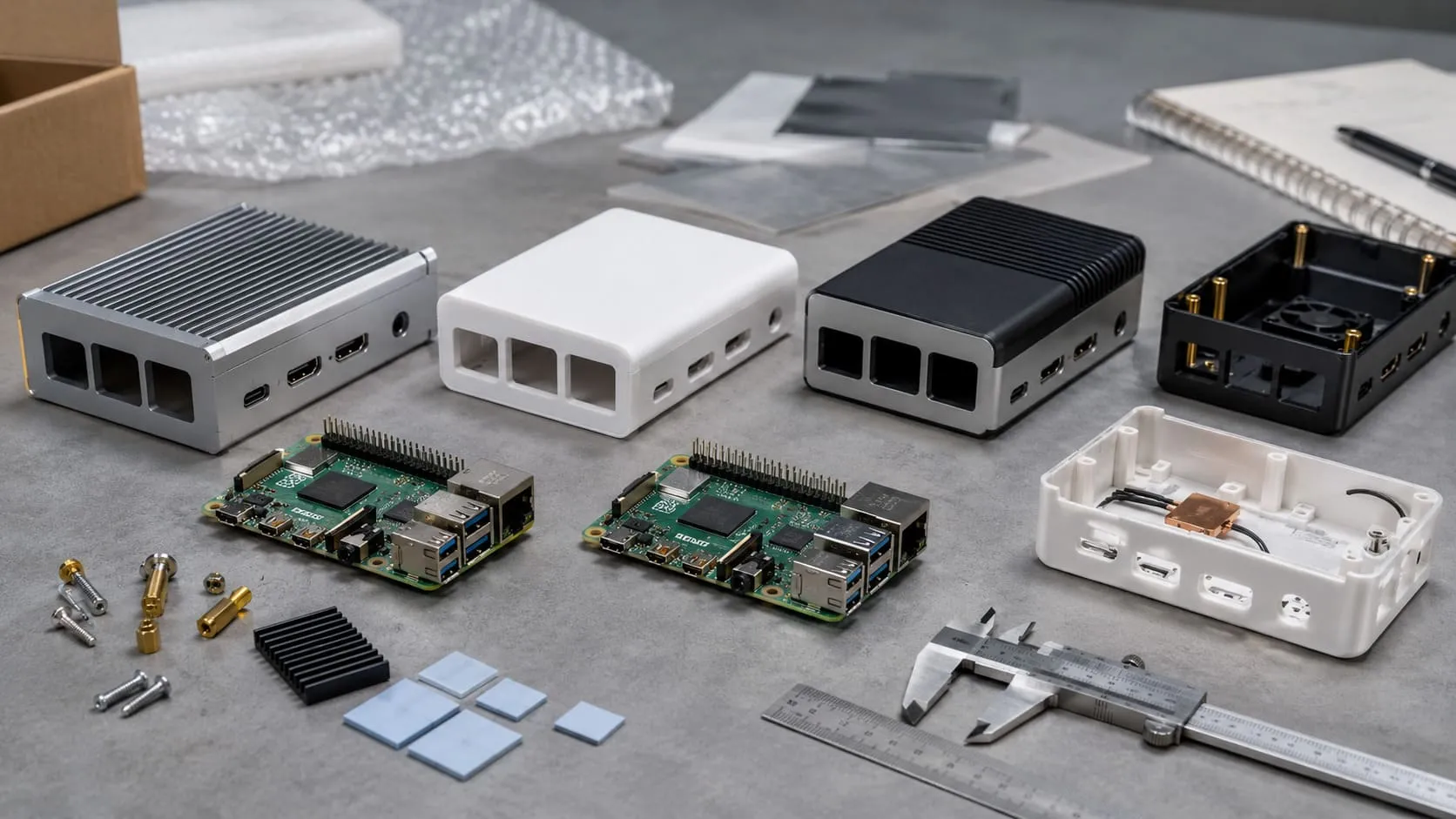
From DIN-rail mounts to industrial-grade enclosures, the accessory market lets you jump straight from prototype to product without reinventing the wheel. I’ve had clients go from a 3D-printed shell to a fully branded ABS case in under a month.
When you see a Raspberry Pi driving a production line HMI, you realize it’s not just about hobbyists anymore.
Industrial & Commercial Use Cases
Here’s where it gets exciting — and where I’ve seen the most creative deployments.
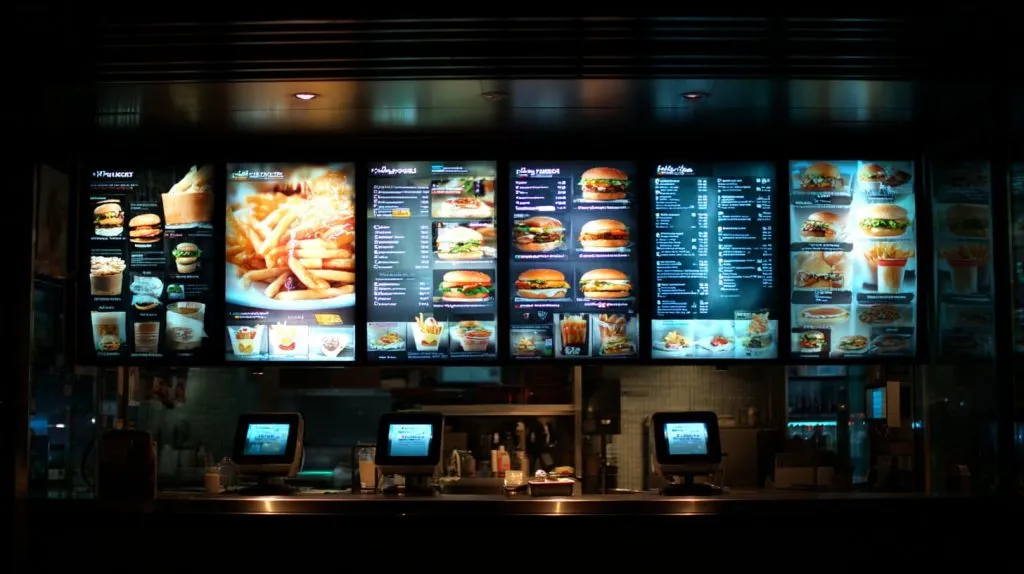
Digital signage & kiosks
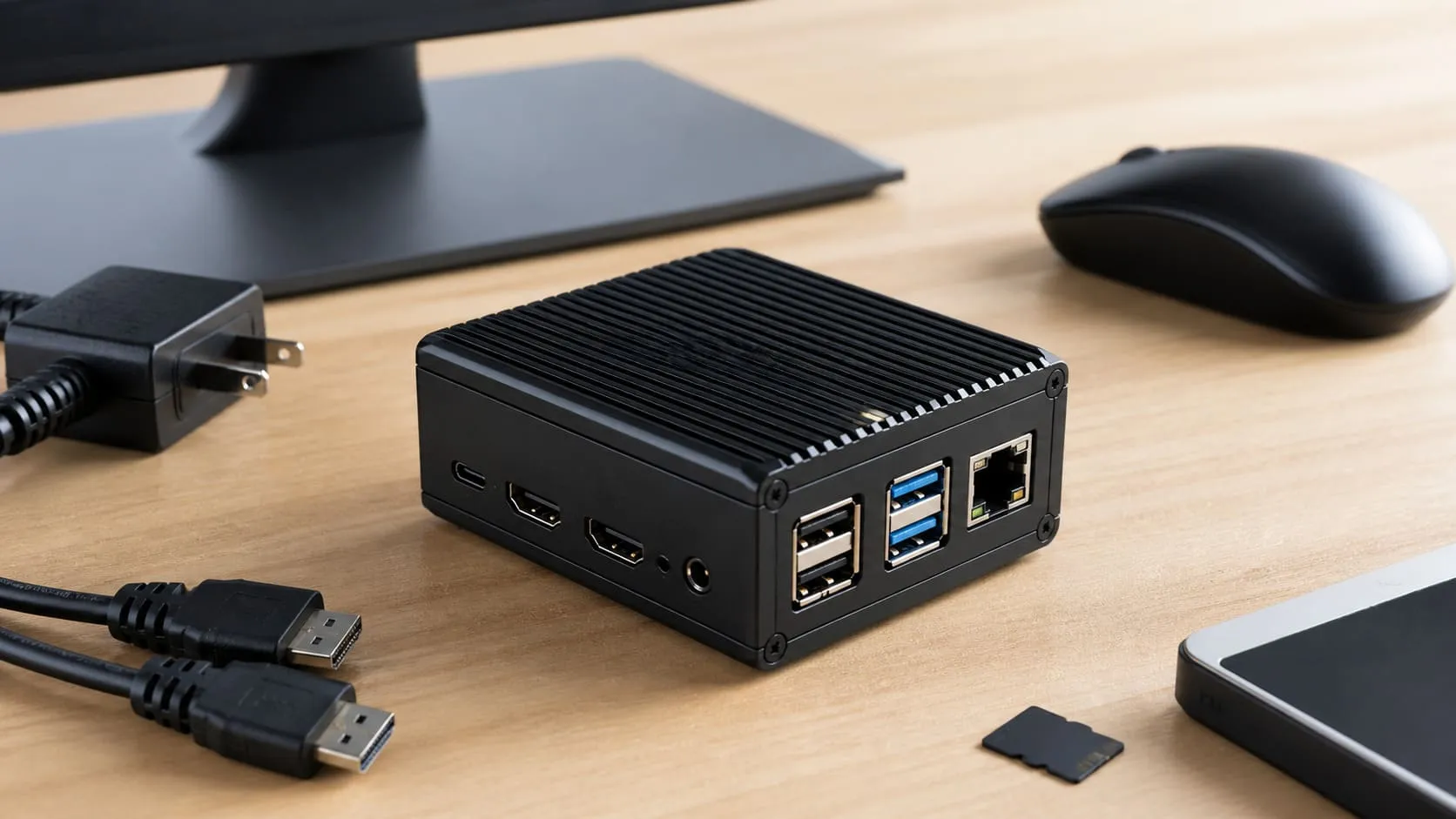
Retail chains use Pi to power menu boards, interactive kiosks, and airport information panels. It’s cheaper than traditional signage PCs and just as reliable when paired with good cooling.
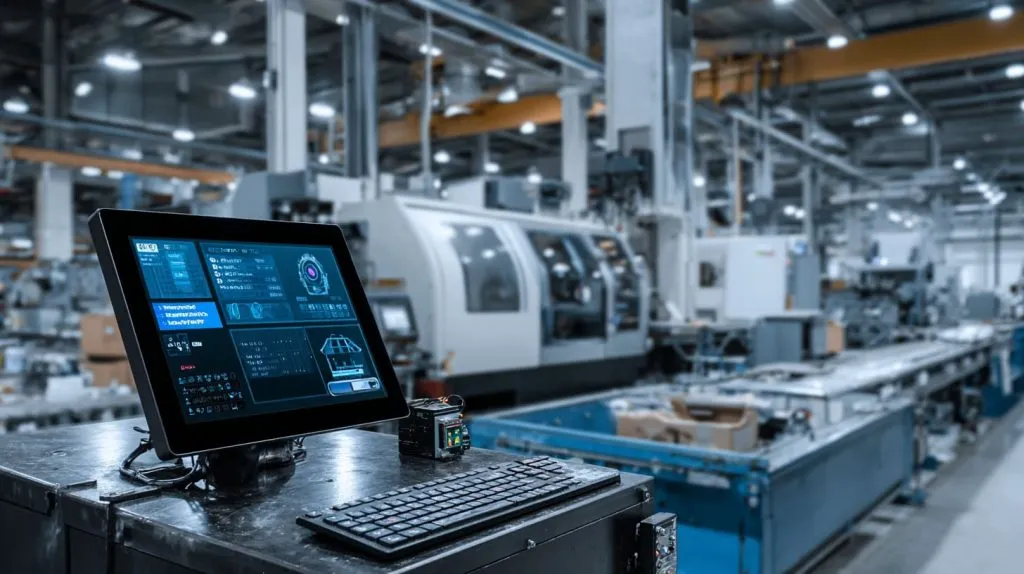
HMI & SCADA front-ends
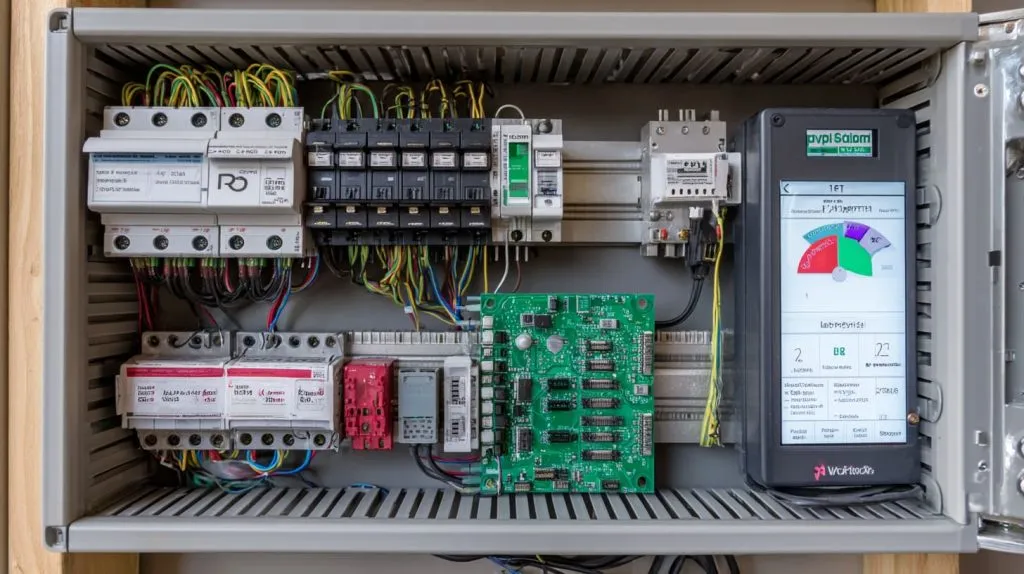
Factories integrate Pis as Human-Machine Interfaces. They run touchscreens, connect to PLCs, and log data, often in dusty, high-vibration environments.
Smart buildings
Think HVAC control, lighting automation, and energy dashboards. A Pi can act as a BACnet or Modbus gateway for a fraction of the cost of industrial controllers.
Robotics & automation controllers
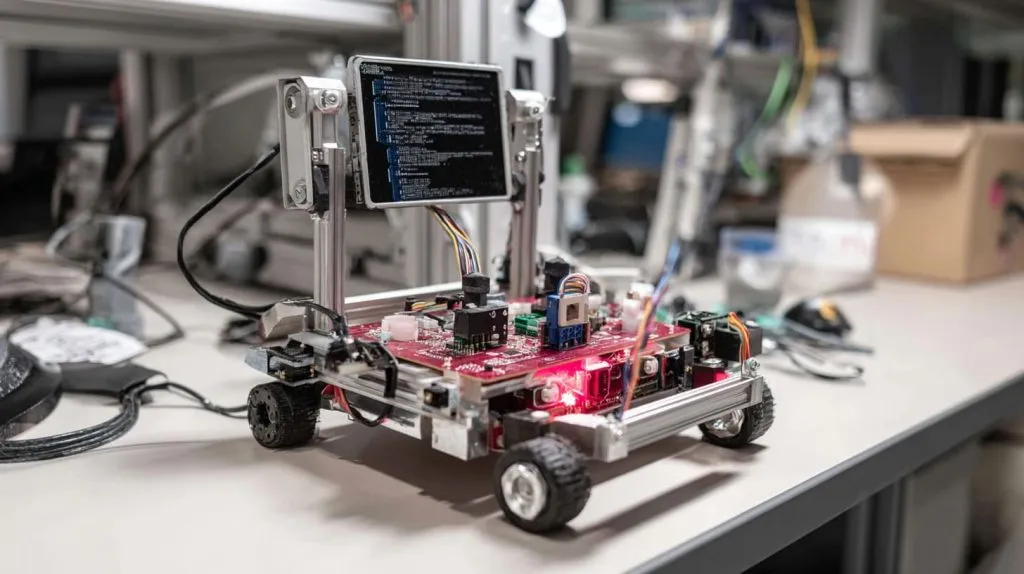
Autonomous mobile robots, pick-and-place arms, and even lab sample handlers run on Pi-based brains. The GPIO pins make hardware integration straightforward.
Edge AI & computer vision
With cameras and TensorFlow Lite, Pis handle real-time quality inspection or count foot traffic in stores.
Networking & security appliances
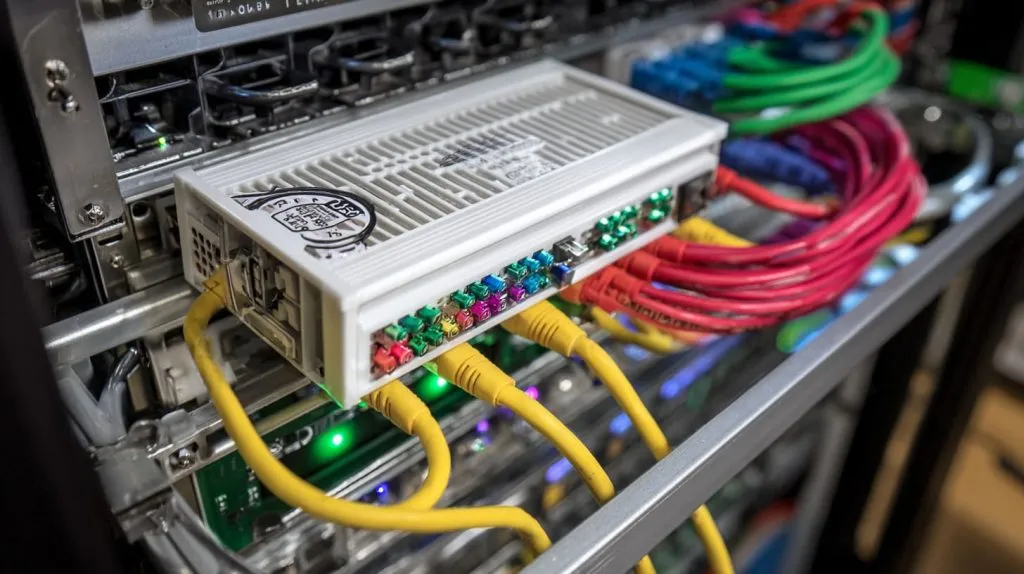
I’ve shipped custom cases for Pi-based firewalls, VPN servers, and pen-testing kits. Small, low power, but enterprise-capable.
Medical & lab instrumentation
From blood test analyzers to lab temperature loggers, Pis are easy to certify in controlled environments.
Education at scale
Universities set up entire computer labs with Pis. It’s cheaper, easier to maintain, and perfect for STEM training.
And just when you think you’ve seen it all, someone will surprise you with a new use.
Enterprise-Grade Features on Modern Raspberry Pi (Pi 5 & Compute Modules)
The Pi 5 and CM4 aren’t just a little faster than their predecessors — they’ve crossed into “serious hardware” territory.
Performance headroom
Pi 5 offers up to 8GB RAM, PCIe for NVMe drives, and a GPU capable of smooth 4K playback. For industrial vision systems, this is a big leap.
Deterministic I/O
In automation and vision, timing matters. With dedicated camera lanes and improved I/O control, you can get predictable, repeatable performance.
Dual display & 4K video pipelines
Ideal for digital signage networks or control rooms, without needing a bulky PC.
I still remember a client replacing 20 Intel mini-PCs with Pi 5 setups — same results, 40% less power draw.
Compute Module (CM) for Embedded & OEM Products
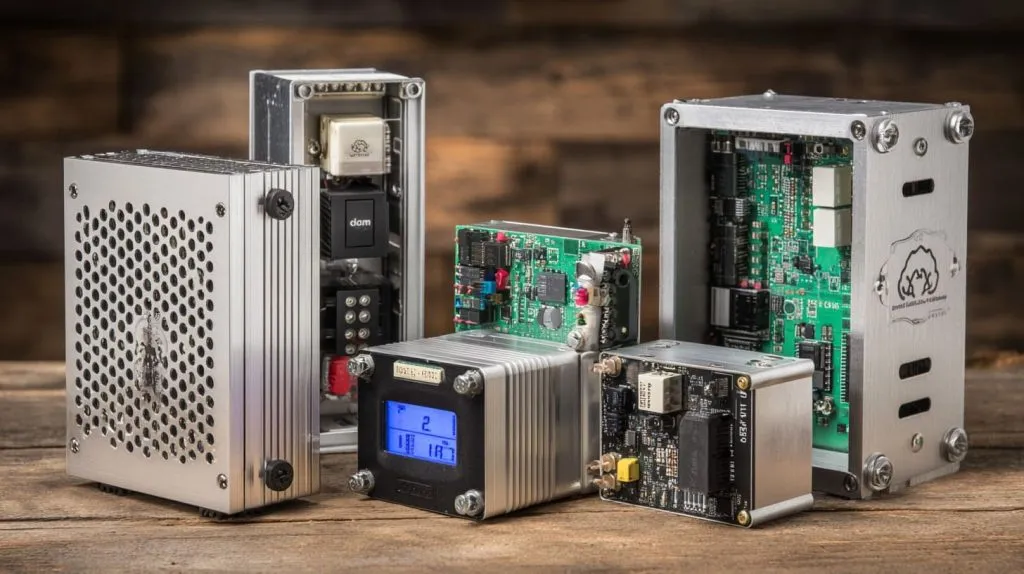
If the Pi 4/5 is a Swiss Army knife, the Compute Module is a scalpel.
SOM form factor advantages
The CM slots into custom carrier boards, making it perfect for embedded systems. It keeps certifications, simplifies supply chain planning, and reduces redesign headaches.
Designing vs. buying carrier boards
Some clients want to build their own carrier for exact needs. Others buy ready-made industrial carriers to shorten timelines.
When to choose CM vs. standard Pi
If you need compact size, specific I/O, or tight mechanical integration, CM wins. If flexibility is more important, a standard Pi might be enough.
I’ve worked on both ends — some projects needed total control, others needed to just “get it out the door.”
Managing Fleets at Scale
One Pi is easy. A thousand? That’s where the real work starts.
Golden images & OTA updates
You don’t want to SSH into each device. Use a golden master image and roll out updates over-the-air.
Tools & frameworks
Balena, Ansible, Ubuntu Core — these tools let you deploy, monitor, and recover devices without sending a tech to site.
Security baselines
Secure boot, encryption, and a strict patch schedule aren’t optional. The cost of a breach will dwarf your hardware budget.
If you’ve ever had to debug a fleet in the field, you know the value of preparation.
Reliability, Thermal & Environmental Engineering
Pis are tough, but they need care to survive harsh environments.
Thermal budgets
Heat kills electronics. Heatsinks, fans, or even vapor chambers can extend life and prevent throttling.
Power design
Brownouts and dirty power can cause crashes. Use quality PSUs, add UPS backup, or consider PoE.
Environmental hardening
Dust-proof cases, moisture seals, and ESD-safe enclosures turn a Pi into a field-ready device.
I once saw a Pi in a bakery fail because of flour dust — lesson learned.
Total Cost of Ownership (TCO) & ROI
Cost isn’t just the price of the board.
| Cost Factor | Description |
|---|---|
| Hardware | The Pi and accessories |
| Engineering | Design, testing, and integration |
| Certification | Regulatory approvals |
| Support | Maintenance, spares, and repairs |
Comparing Pi-based systems to x86 or PLCs, the Pi usually wins on hardware cost, but you need to factor in development effort and long-term support.
Compliance, Certification & Supply Chain
Certifications like CE, FCC, or UKCA aren’t optional for commercial products. Plan for testing time and costs.
Component lifecycle
Watch for Product Change Notices (PCNs) and last-time-buy announcements to avoid production halts.
Logistics playbook
Forecast demand, build stock buffers, and have alternative SKUs ready. I’ve seen too many projects stall because a $5 part went out of stock.
Customization Pathways (Branding, Mechanics, and Packaging)
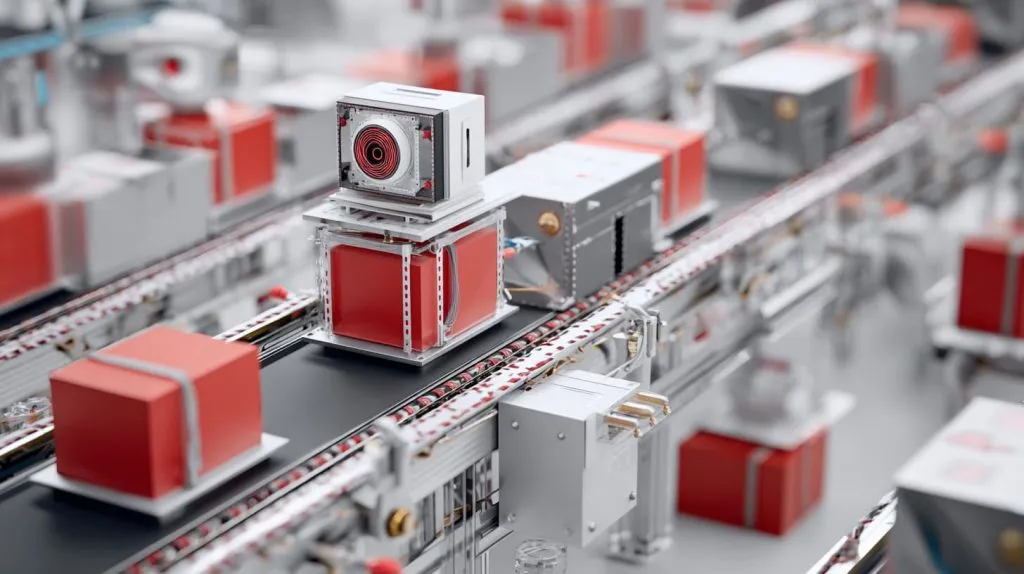
This is where my factory shines.
Custom cases & thermal solutions
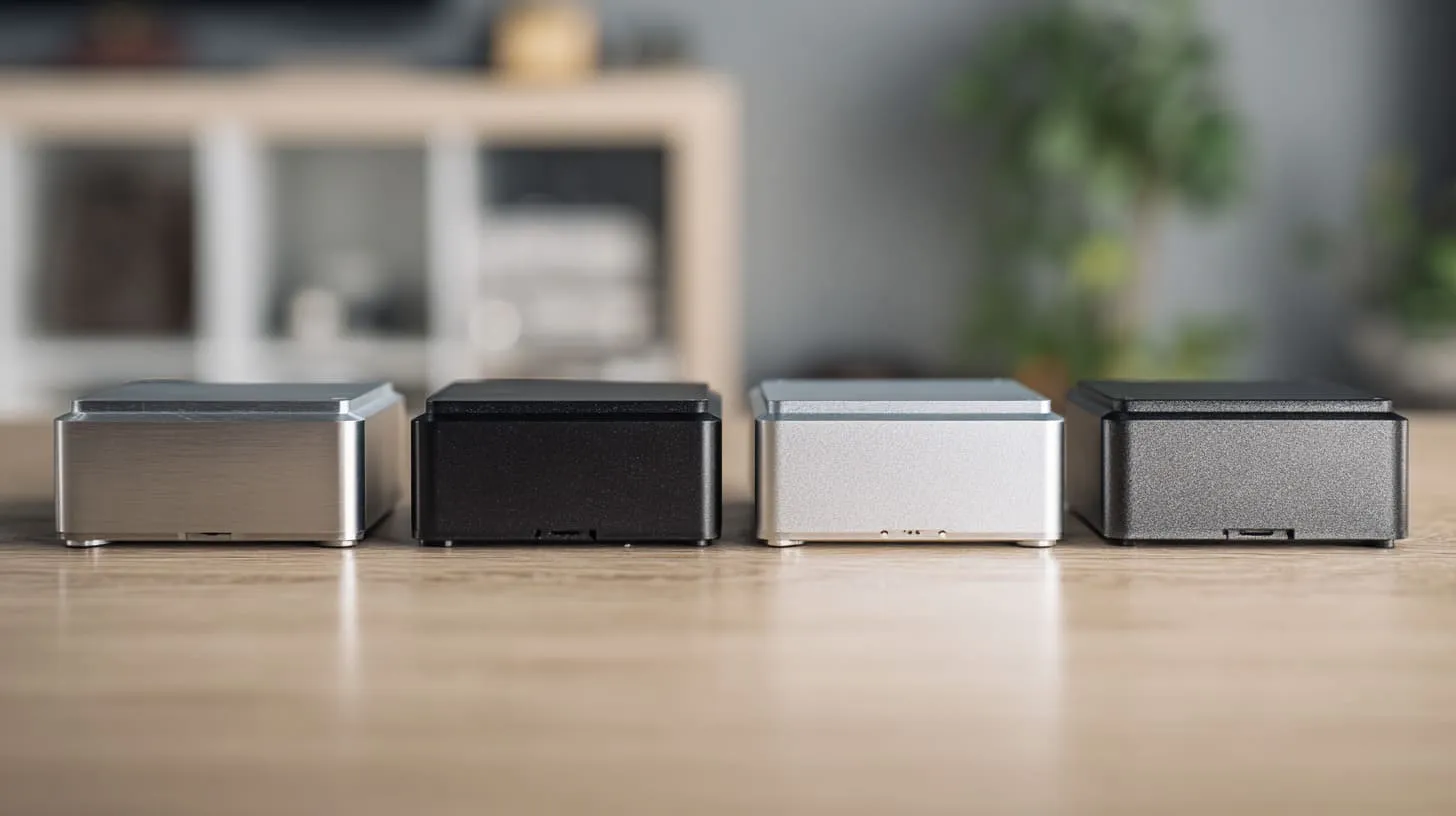
ABS or aluminum, printed or engraved logos, even airflow-optimized designs.
Private labeling
We can handle labels, barcodes, SKUs — ready for Amazon or retail shelves.
Custom packaging
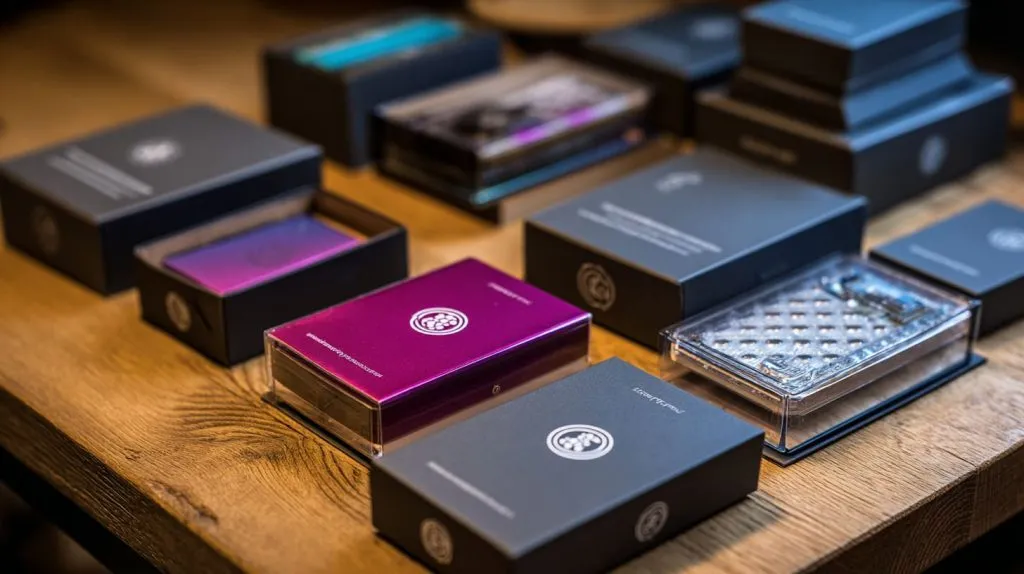
Retail-ready boxes with inserts and branding keep your product looking premium.
If your customer unboxes it and says “Wow,” you did it right.
When to Use Raspberry Pi vs. Other SBCs/MCUs
Not every project needs a Pi.
Decision tree
- MCU-level control → Pi Pico
- Light Linux computing → Pi 3/4
- High-end processing → Pi 5/CM4
Tradeoffs
Other SBCs may be cheaper or have specific I/O, but may lack Pi’s community and long-term availability.
Interoperability
In cost-sensitive projects, Orange Pi or Banana Pi can work — but test driver support early.
I’ve had clients save money here, but also lose weeks chasing software bugs.
Procurement Models for B2B Buyers
Sourcing is more than finding the lowest price.
Direct factory
Best for large, consistent orders and customization.
Authorized distributors
Reliable for certified stock, less flexible for custom branding.
OEM/ODM engagements
For unique designs, expect tooling fees, MOQs, and longer lead times.
Always get SLAs in writing — nothing ruins a launch like a late shipment.
Case Studies & Patterns (Summarized)
Retail signage network
1,000+ Pis in restaurants, all updated remotely, each with branded enclosures.
Vision QA cell
A CM4 carrier board controlling four cameras with microsecond timing.
Building gateway
Secure VPN and protocol translation for building automation.
Each one started small, then scaled fast.
Implementation Checklist (From POC to Rollout)
Technical: OS image, OTA updates, monitoring, security.
Mechanical: Case design, cooling, mounting, cable routing.
Operational: Spare units, manuals, remote recovery plan.
If you tick every box here, you’re ready to scale.
How MaidaTech Helps (for B2B, Re-brand, and ODM Customers)

This is where my nine years of factory experience makes a difference.
Custom enclosures & thermal stacks
Metal or ABS, engraved or printed.
Power & cabling kits
Factory-priced, bulk stock, tested before shipping.
OEM/ODM
Carrier board design, re-design services, small to large MOQs.
Labeling & packaging
Amazon/Facebook-ready, straight from our floor to your customer.
Fast communication
We work across time zones, with QC reports and fast lead times.
Buyer Playbooks by Persona
For Davide (private label distributor)
Needs fast stock, branding, and label service.
For Lasle (ODM innovator)
Values rapid design iterations, BOM cost control, and meeting project milestones.
For Jacky (re-brand operator)
Focuses on Amazon-ready SKUs, replenishment cycles, and RMA processes.
Each buyer type has different priorities, but all value trust and speed.
RFP/RFQ Template (Outline You Can Reuse)
- Scope & volumes
- Lifecycle targets
- Certifications
- Delivery schedule
- Branding files & packaging specs
- Service levels & warranty
The clearer your request, the smoother the supply.
Conclusion

The Raspberry Pi isn’t just for weekend projects. It’s a practical, affordable, and flexible platform for real business applications — from retail signage to robotics.
If you’re ready to explore your own Pi-based product, the path is simple:
Choose your board → Pick your enclosure & thermal design → Set up fleet tooling → Pilot → Scale.
And if you want to save weeks of trial and error, you can always reach out to me at vincent@maidatech.com or visit RaspberryPiCase.com. Let’s make your idea real — and ready for market.