Skip to content
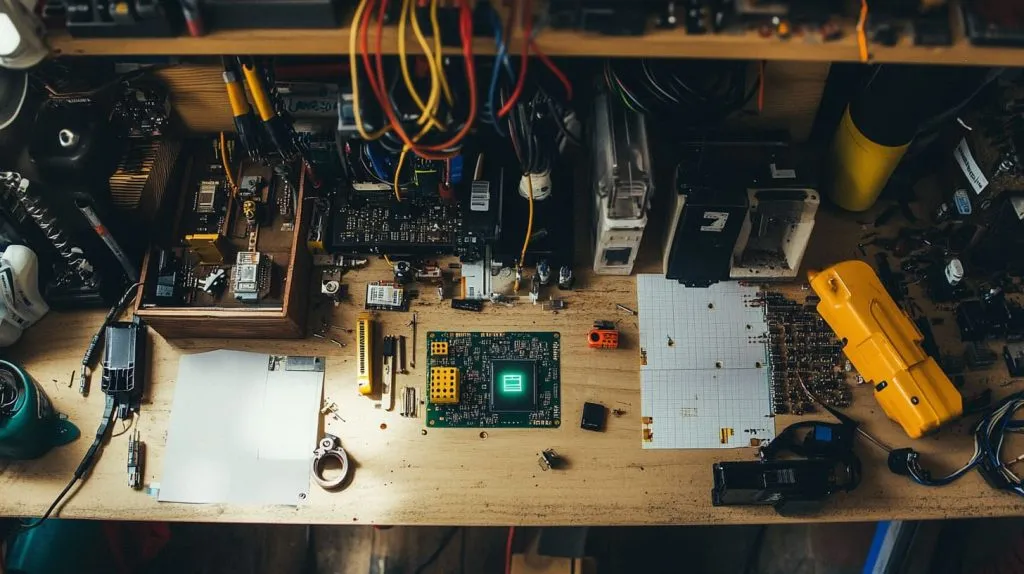
When you walk into a local workshop in Dongguan, and there’s a good chance you’ll spot a Raspberry Pi board blinking quietly beside a cup of solder tips and a half-peeled label sheet. The smell of flux is in the air. Someone’s debugging a smart light controller; someone else is filming a quick tutorial on how to turn GPIO pins into motion triggers. No one’s wearing a suit. But make no mistake—some of these people are making real money.
This isn't a scene out of a tech startup documentary. It’s just what it looks like when Raspberry Pi becomes more than a weekend hobby. I’ve met freelancers, educators, product designers—even a coffee shop owner—who built a side income, and eventually a living, using Raspberry Pi. It’s not magic. But it is possible.
This guide breaks down the clearest paths I’ve seen (and taken) for turning Raspberry Pi work into real, sustainable income. Whether you’re into hardware, code, content, or some mix of the three, there's room for you here.
Ready to roll up your sleeves? Let’s peek at how people are already cashing in—then we’ll decide if any of those shoes fit you.
How People Already Earn Money with Raspberry Pi

Selling finished Pi-powered products
A friend in Shenzhen turns Pi boards into retro gaming consoles. He moves 200 units a month on Etsy. His secret? A tidy bundle—SD card pre-flashed, HDMI cable included, no fuss.
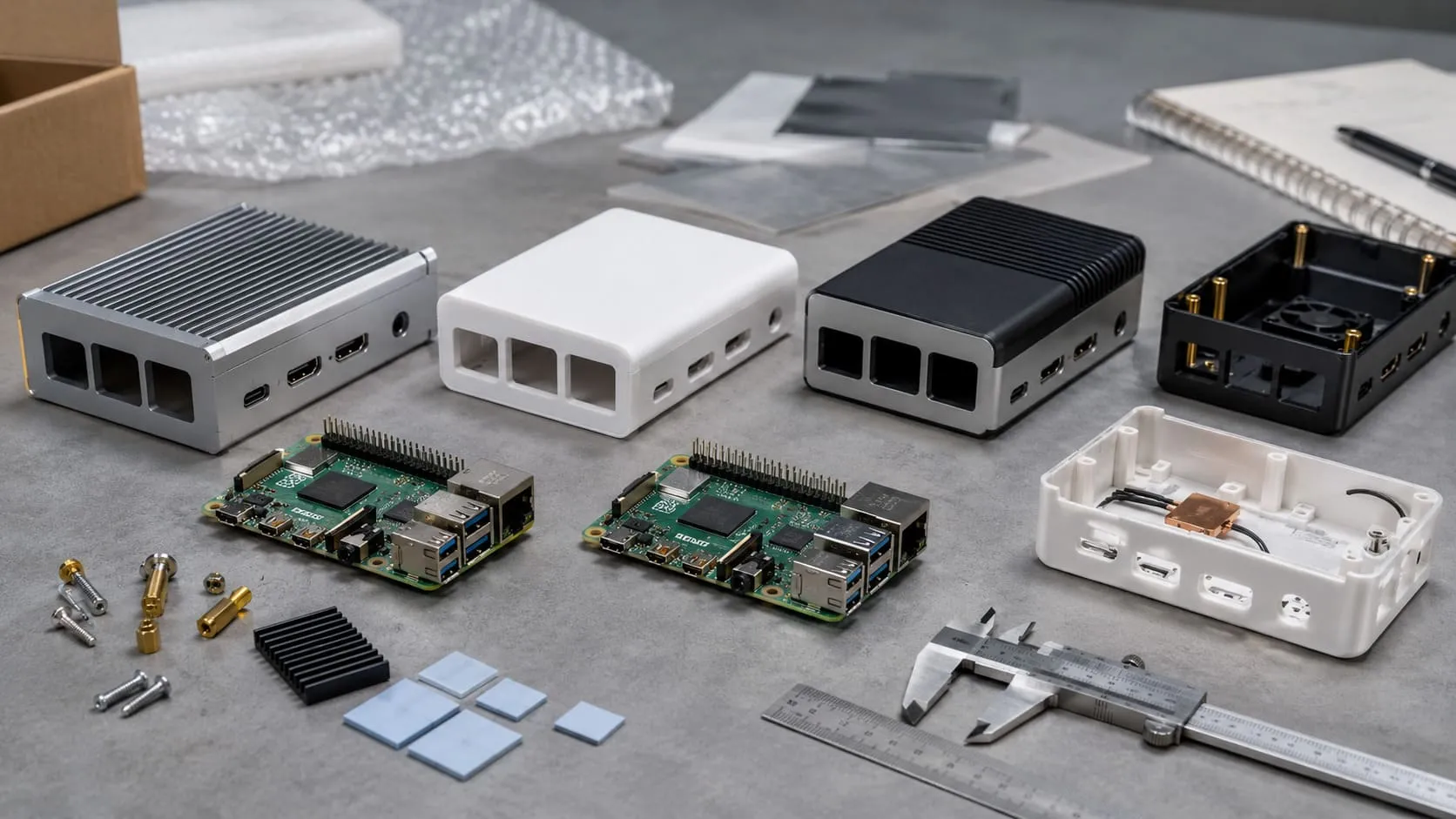
Manufacturing accessories & enclosures
Remember ModMyPi? They cleared £867 k their first year with nothing but colorful cases and a snappy webshop. It proves simple plastic can out-earn complex code if you brand it right.
Freelance development & consulting
I charge $75 an hour to build factory dashboards. Clients like the price because hiring full-stack IoT talent in London costs double. Scope stays tight: one Pi, one sensor, one clean graph.
Training, content, and community platforms
My buddy Sarah films Pi tutorials on her phone. YouTube pays her coffee money, but her live Zoom classes ($49 a seat) keep the lights on.
“Passive” income experiments
I tried crypto mining on a Pi. My power bill laughed at me. File-hosting nodes brought pennies, not paychecks. Lesson: passive often means slow leak.
| Path | Startup Cost | Typical Monthly Revenue | Biggest Hurdle |
|---|---|---|---|
| Finished devices | $$ | $1 000–$4 000 | Customer support |
| Accessories | $$ | $2 000–$8 000 | Inventory risk |
| Consulting | $ | $3 000–$10 000 | Client pipeline |
| Training | $ | $500–$3 000 | Audience building |
| Passive nodes | $ | $1–$20 | Energy cost |
Think one of those lanes might suit you? Before we sprint, we need to check our shoes—skills and market fit come next.
Assessing Your Skills and Market Fit

Technical stack
I still write Python more than I speak Mandarin. If you can toggle GPIO, solder a header, and deploy a Docker container, you’re off to a solid start.
Business & soft skills
Can you listen to a frantic buyer at 2 a.m. and turn confusion into a clear quote? That’s gold. Soft skills sell hard boards.
Aligning with B2B vs B2C demand
- B2B kits: larger orders, slower decisions, repeat business
- B2C gadgets: faster sales, more returns, louder reviews
When you know both your toolbox and your audience, you can lock onto a model that won’t collapse under real-world weight. Let’s compare those models head-to-head.
Choosing a Sustainable Business Model
Physical–product pathway
Inventory means cash on shelves. CE and FCC stickers cost time and sanity but open doors to Europe and the States.
Service/consultancy pathway
No boxes, no freight. Just proposals, prototypes, and a Slack channel that never sleeps.
Digital/IP pathway
Write once, license forever. Great in theory—until the first security patch at 3 a.m.
Hybrid models
I bundle our custom metal cases with a pre-configured Home Assistant image. Hardware margin plus software subscription equals a healthier spreadsheet.
Models picked? Nice. Time to hammer metal and push pixels until a prototype begs for daylight.
Building & Selling Physical Products

From prototype to pilot run
I start with a 3-D print, move to CNC for ten units, then bite the bullet on an injection mold at fifty. Each jump cuts cost—if demand keeps up.
Supply-chain & quality control
A simple test rig—LEDs for power, a relay clicking on load—caught 5 % of boards that would have died in the field. Cheap insurance.
Branding and private-label opportunities
Davide in Belgium sends us logo files. We laser-etch, add his sticker, ship direct to Amazon FBA. He never touches a box yet owns the customer.
Hardware is heavy. Maybe you’d rather sell brainpower. Let’s wear the consultant hat for a minute.
Offering Services & Consulting
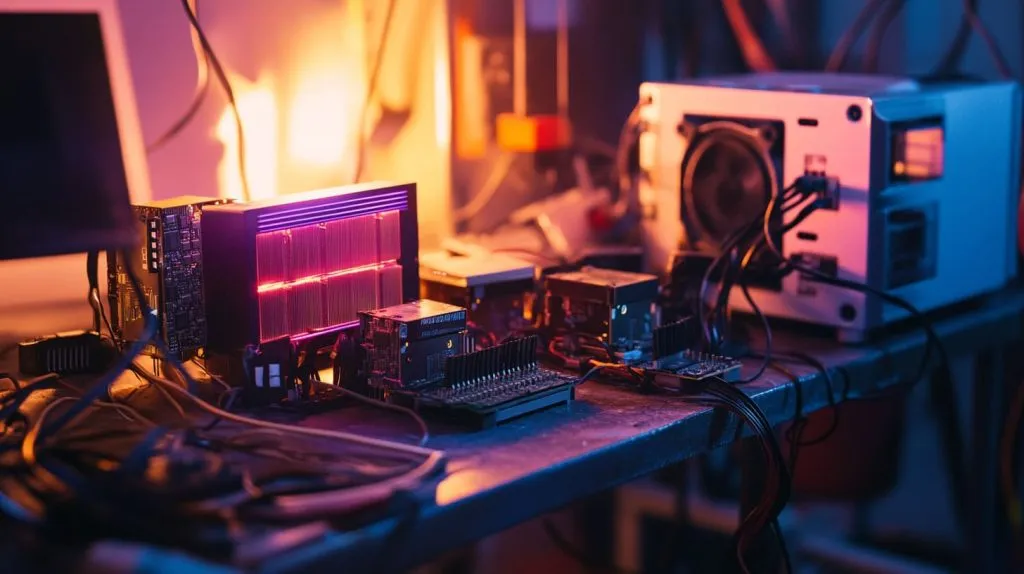
Typical freelance engagements
- Smart-factory dashboard pulling Modbus data into Grafana
- Office air-quality kiosk with an e-Paper screen
- Proof-of-concept for a medical device pitch deck
Setting rates & scope
I quote a day rate, cap revisions, and charge extra for “urgent fixes.” It keeps my weekends mine.
Portfolio & reputation building
Open-source a small library, speak at a local meetup, write a case study. Social proof trumps cold emails.
Consulting pays today, but software scales tomorrow. Let’s see how code alone can foot the bill.
Developing & Monetizing Software & IoT Platforms

Edge-gateway software & device management
A lightweight Rust agent pushes sensor data to the cloud. Clients care less about code, more about dashboards that never crash.
SaaS add-ons & licensing
We charge $2 per device per month for advanced alerts. Small number, but at 5 000 units it beats selling screws.
Data security & remote updates
Secure boot keys live in a safe. OTA updates roll out in waves, so one bad patch doesn’t brick the fleet.
Code is light, but some folks love teaching more than typing. Let’s talk classrooms, cameras, and courage.
Content & Education Revenue Streams
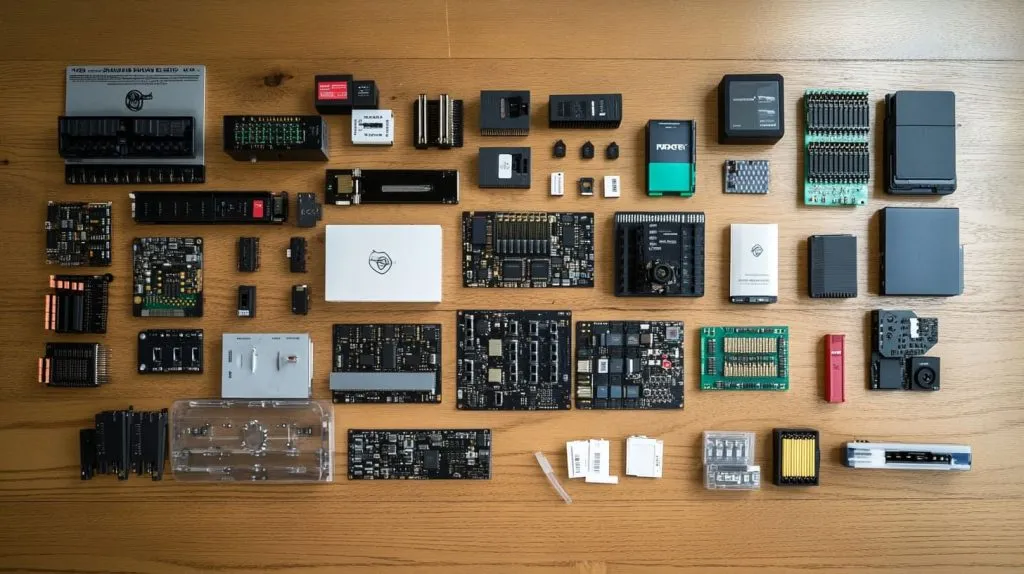
Video tutorials & live courses
I filmed a “Pi 5 Beginner Bootcamp” with a $100 mic and daylight. Ten students covered gear costs; fifty kept me smiling.
A single post comparing heatsinks nets $200 a month in affiliate fees. Honest tables beat flashy banners.
Corporate training & curriculum design
One day in a boardroom pays what YouTube ads drip in a quarter. But you need a polished deck and shoes that shine.
Easy money? Hardly. Let’s bust some myths before dreams outrun math.
Passive Income Myths vs Realities

Crypto mining case study
Monero on a Pi made $0.000012/day. My fan cost more energy than the coins were worth.
Node hosting & bandwidth sharing
Helium hype cooled fast. Gear resale forums are now full of dusty hotspots.
Pi-cluster cloud rentals
Charging cloud rates on garage hardware sounds clever—until AWS drops prices again.
With myths debunked, we need to stay legal and safe. Red tape ahead, but we can cut it clean.
Legal, Certification & Compliance Considerations

Regulatory essentials
CE, FCC, RoHS, WEEE. Four acronyms, endless paperwork. I budget $3 000 and two months per new device.
Data and privacy laws
If your sensor sees a face, GDPR sees you. Encrypt, anonymize, sleep better.
Warranty, liability & IP
I offer a one-year swap. Costs little, earns trust. I also honor open-source licenses because lawsuits cost more than licenses.
Boxes ticked, papers stamped—time to think bigger than “me, myself, and Pi.”
Scaling Up: From Solo Hacker to Business Owner
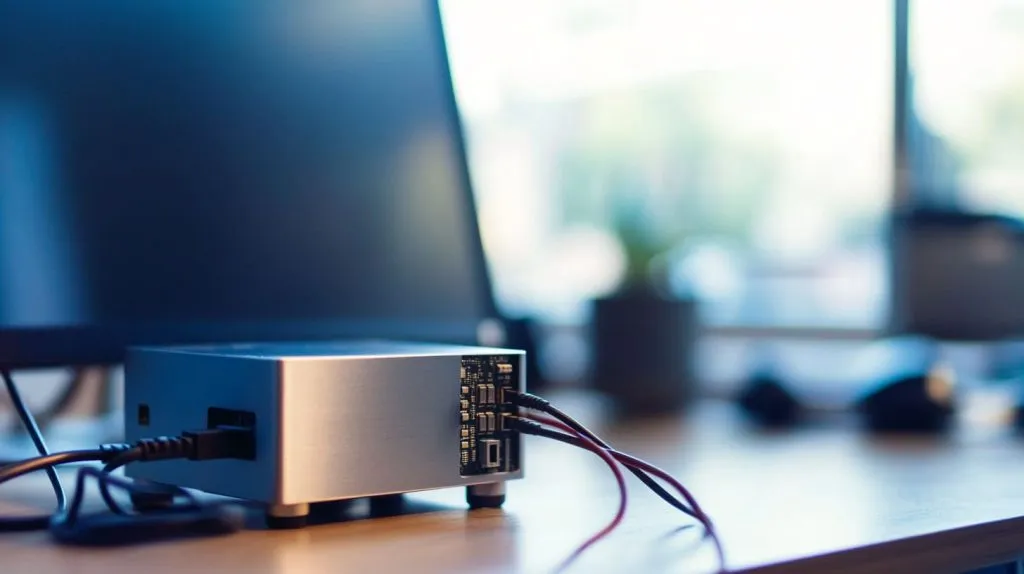
Automating production & fulfillment
A pick-and-place line turned my five-day build into a two-hour cycle. 3PL stores and ships so my living room stays livable.
Funding growth
Pre-orders test demand. Angels add fuel. Grants keep equity intact—if you can stomach paperwork.
Building a team
I hired a firmware wizard on Upwork and a part-time sales rep in Berlin. Sleep returned.
Growth is sweet until reality throws wrenches. Let’s keep a toolkit ready.
Common Challenges & Mitigation Strategies
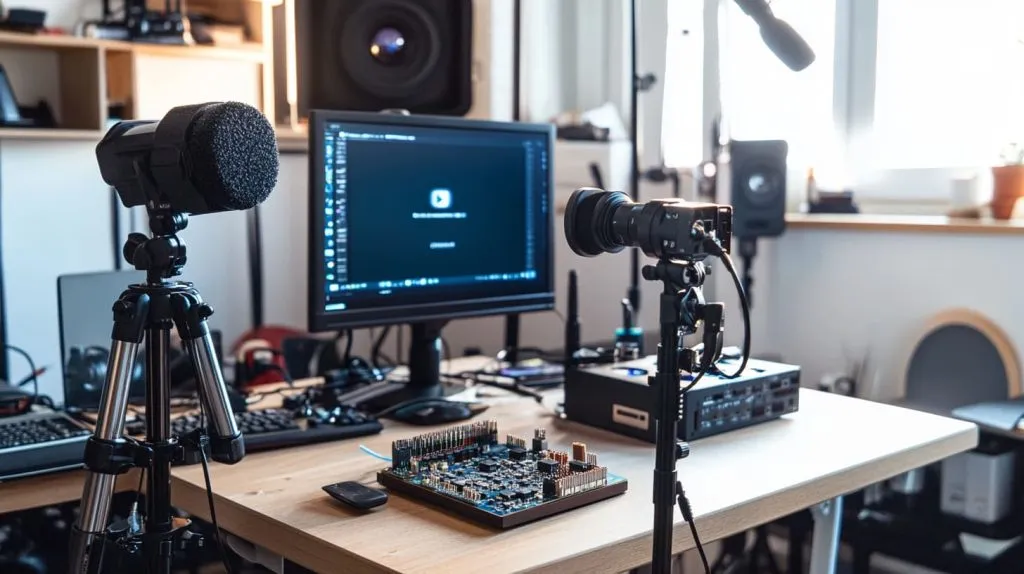
Hardware shortages & price swings
I hold three months of Pi stock. When chips vanish, we still ship.
Global logistics & lead times
DDP shipping looks pricey but kills surprise tariffs. Clients thank me later.
Competition & differentiation
Anyone can copy a board. Few can copy stellar documentation and 24-hour email replies. That’s my moat.
We’ve walked the maze. Time to step back and see the full picture.
Conclusion

I’ve booted Pis in sweaty factories, quiet nurseries, and noisy cafés from Brussels to Busan. Each project taught me the same lesson: the board is small, but the opportunity is wide. Pick a path that matches your skills, respect the boring details, and the little green board can pay big, honest bills. See you on the maker’s road—just follow the blinking ACT LED.