Overview of Raspberry Pi in Education and Computer Science
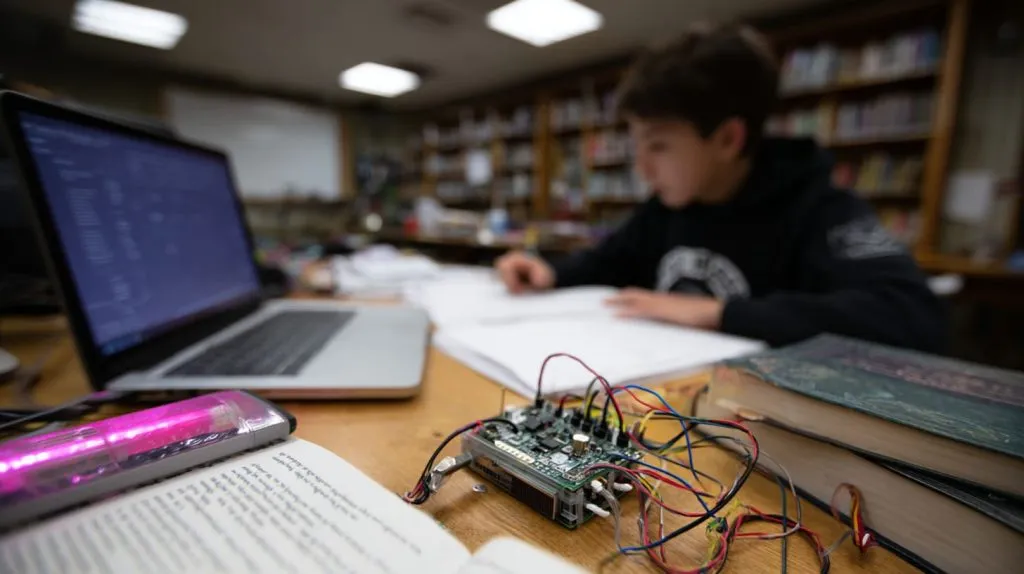
Raspberry Pi, a compact and affordable single-board computer, has become a staple in computer science education. It's not just a tool—it's a gateway to hands-on learning and experimentation. Initially designed for educational purposes, it has now evolved into an essential device for students worldwide. But what makes Raspberry Pi so popular among computer science students?
Well, think about it. It’s affordable, versatile, and most importantly, accessible. Whether you're learning to code, building hardware projects, or diving into more advanced topics like IoT or machine learning, Raspberry Pi is there to support you every step of the way.
As a student, having a tool that can adapt to your needs and grow with your knowledge is priceless. I remember, back in the day, when I was first introduced to Raspberry Pi. It wasn’t just about learning how to write code—it was about feeling like I could finally bring my ideas to life. And from what I’ve seen, I’m not alone in that experience.
Key Uses of Raspberry Pi for Computer Science Students
Learning Programming and Coding Skills
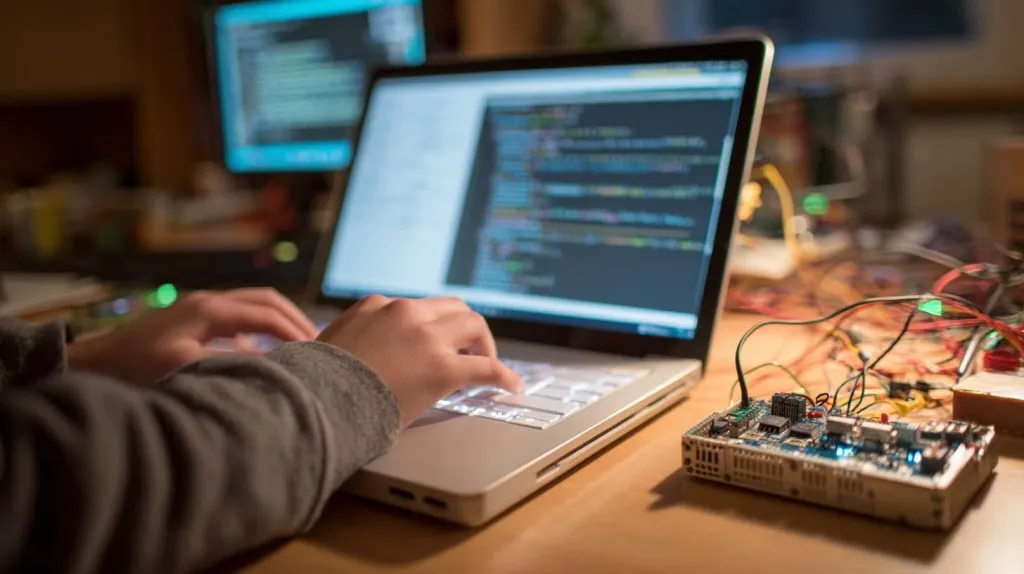
One of the most fundamental uses of Raspberry Pi in computer science education is learning programming. With a Raspberry Pi in hand, students can dive into various programming languages such as Python, Java, and C++. I remember my first real coding project on Raspberry Pi—it was simple, but the satisfaction of seeing my code run on real hardware was a game changer.
But it’s not just about writing code—it’s about developing problem-solving skills. The challenges you face when coding on a Raspberry Pi are often more tangible. You’re not just writing abstract code; you're creating something real, something that works.
For example, building a simple Python application to control an LED light is a perfect introduction to the world of coding. The hands-on experience helps students see the immediate impact of their work, boosting their confidence and interest.
Building and Experimenting with Hardware Projects
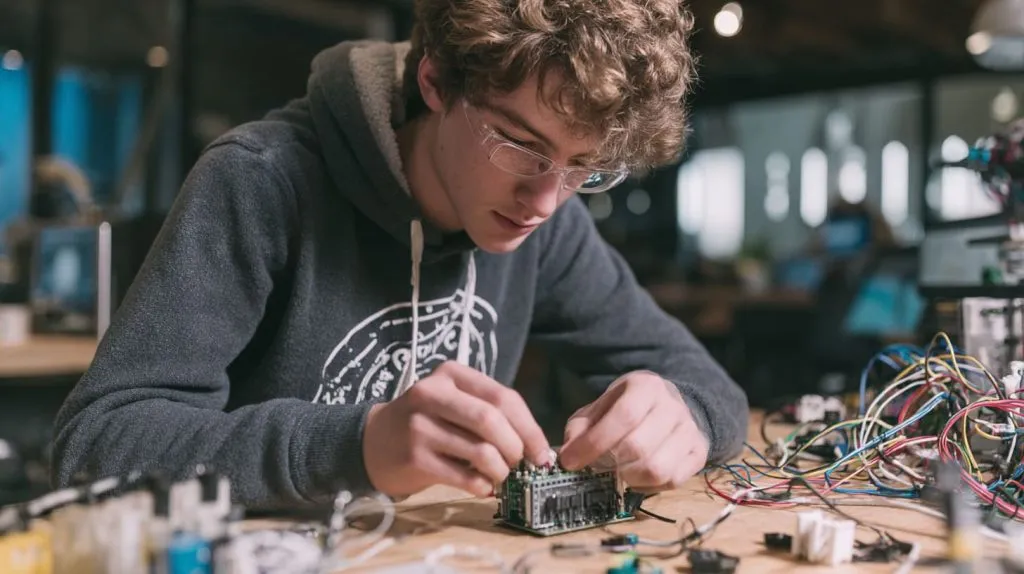
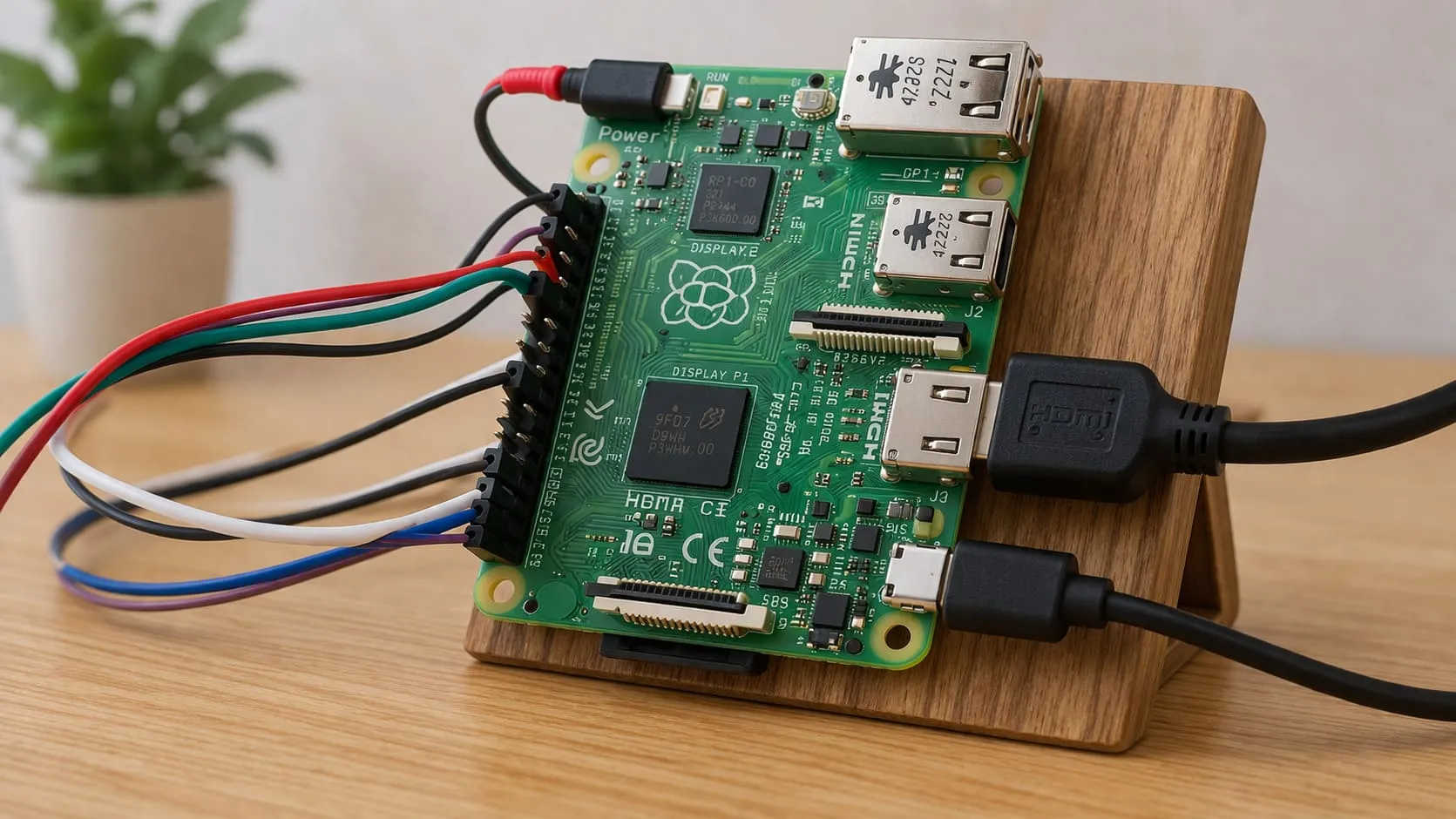
Raspberry Pi shines when it comes to building and experimenting with hardware projects. Students can integrate it with sensors, motors, and other components to create unique projects. Imagine building a smart weather station, a robotic arm, or even a motion-sensing alarm. The possibilities are endless!
Take it from me—working with hardware opens up a whole new world. You’re not just sitting at a computer screen anymore. You’re physically building something that moves, reacts, or senses. It’s that kind of hands-on experience that makes learning truly exciting.
Exploring IoT (Internet of Things) Development
IoT is everywhere these days, and Raspberry Pi is one of the best platforms for students to get started. With Raspberry Pi, students can build their own IoT devices that interact with the world around them. From smart home systems to weather stations that send real-time data to the cloud, Raspberry Pi provides the perfect foundation.
Imagine building a smart plant watering system that uses sensors to measure soil moisture and water the plant when needed. Sounds like a fun project, right? That’s exactly the kind of real-world application students can develop with Raspberry Pi. Plus, the skills gained from these projects open doors to industries that rely heavily on IoT technology.
Creating Robotics Projects
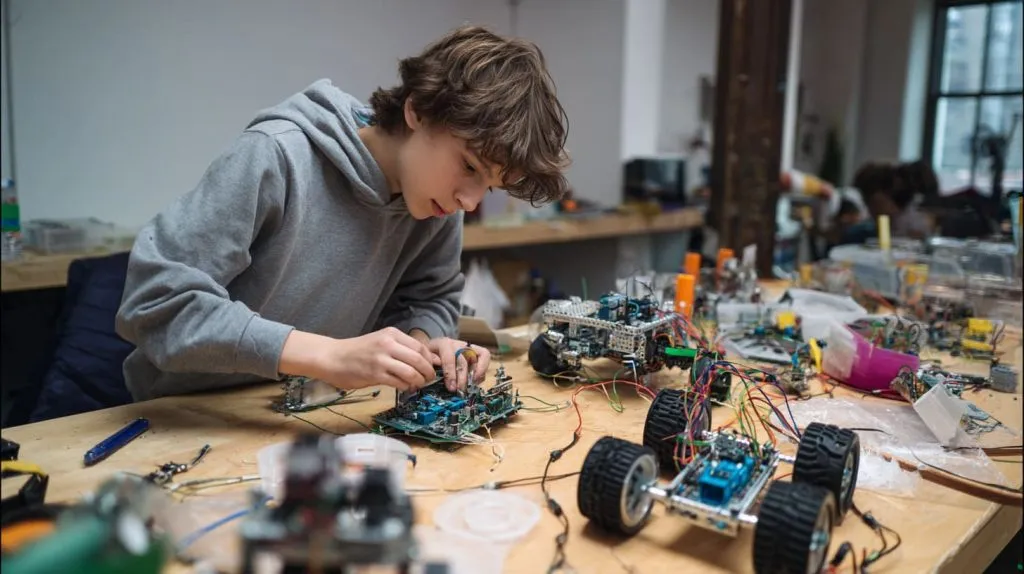
For many students, robotics is where the magic happens. Raspberry Pi serves as the brain of various robotics projects, allowing students to create robots that can move, react, and even think. Whether it’s a simple line-following robot or an advanced robot with computer vision, Raspberry Pi is an invaluable tool in the robotics space.
I’ll never forget the first time I built a robot using Raspberry Pi. It felt like a huge achievement, and the sense of accomplishment was unbeatable. Robotics is not just fun—it also teaches students important concepts in engineering, artificial intelligence, and problem-solving.
Designing and Running Servers
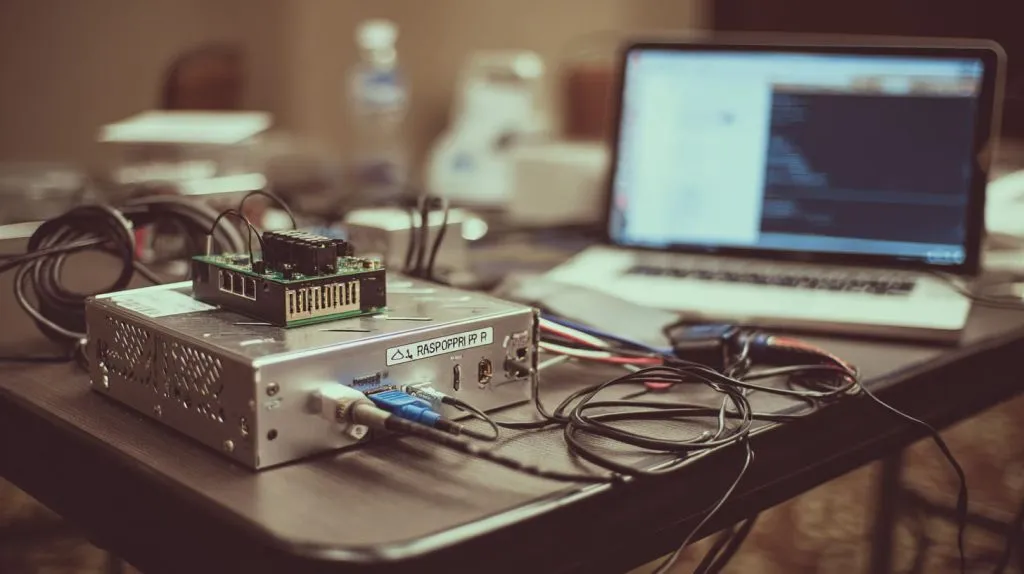
Using Raspberry Pi as a server for small-scale projects is another key area where students benefit. Whether it's hosting a personal website, running a media server, or setting up a web app, Raspberry Pi can do it all. And the best part? It’s cost-effective.
I once set up a local web server on my Raspberry Pi to test a project. I was amazed at how simple it was to get up and running. Students can learn about server management, networking, and security while working on practical projects. Plus, it’s a great way to develop a deeper understanding of how the internet works.
Learning Data Science and Machine Learning
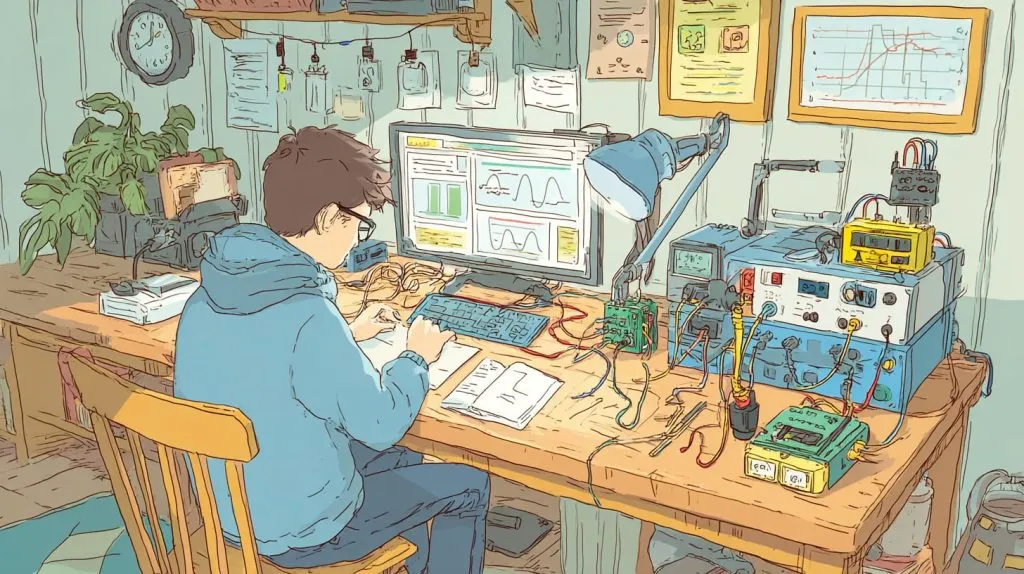
Raspberry Pi is also making waves in the world of data science and machine learning. With its processing power and access to a variety of libraries and frameworks, students can experiment with data collection, analysis, and even machine learning algorithms. I’ve seen students create projects like facial recognition software and predictive analytics models, all powered by Raspberry Pi.
It’s amazing to think that something so small can handle such complex tasks. Students can experiment with machine learning models, run them on the Pi, and even collect data in real-time to feed into these models. It’s a fantastic way to learn and apply data science concepts.
Benefits of Raspberry Pi for Computer Science Students
Affordable Learning Platform
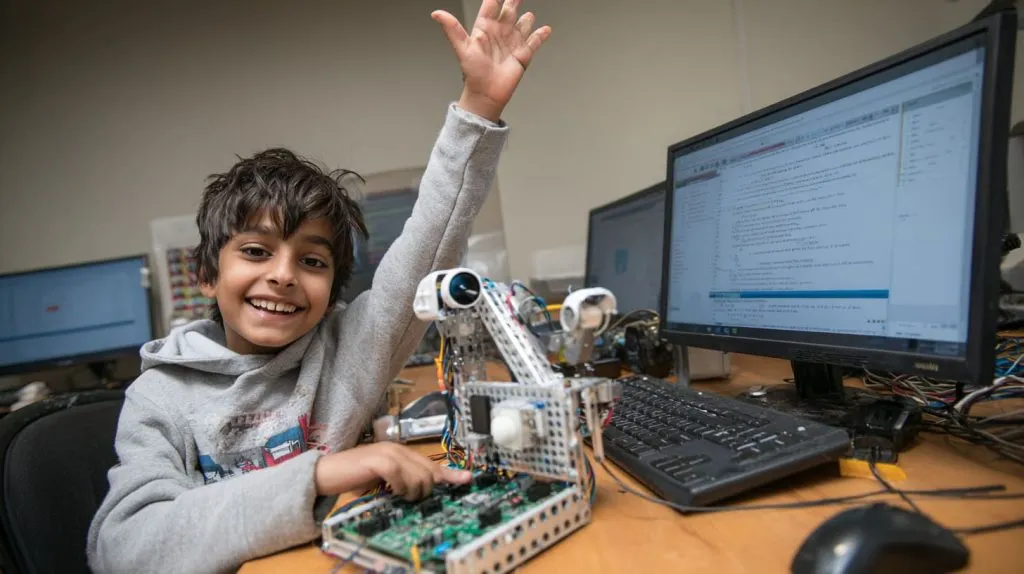
Raspberry Pi is an affordable platform, which is crucial for students who might not have the budget for expensive hardware. This makes it an ideal option for both individuals and educational institutions. Students can get started with coding and hardware projects without breaking the bank.
When I first started using Raspberry Pi, the price was one of the biggest advantages. It allowed me to experiment freely without worrying about damaging expensive equipment. And I’ve seen many students find the same benefit—it’s a low-risk, high-reward learning tool.
Hands-On Experience and Real-World Applications
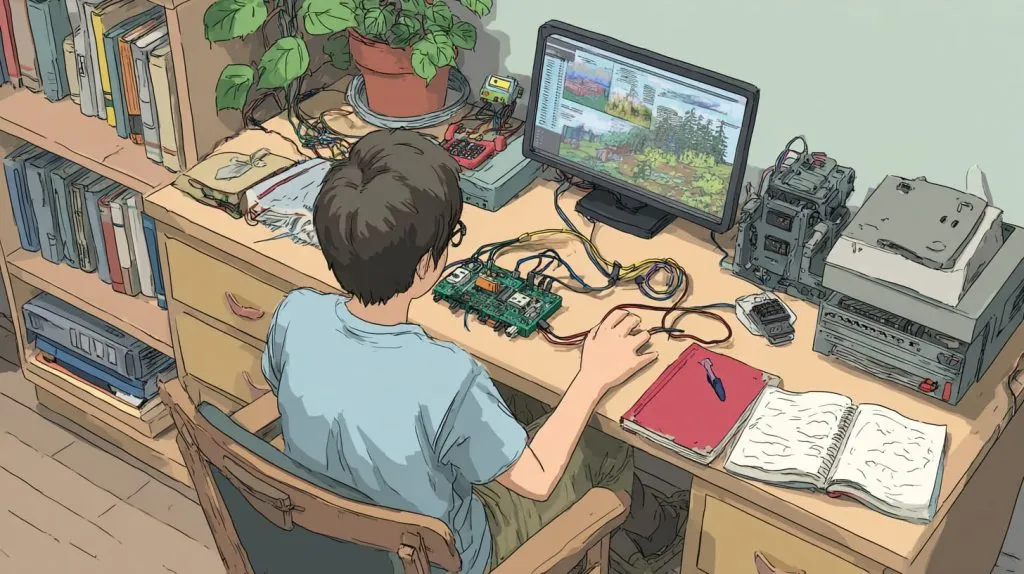
Raspberry Pi provides students with hands-on experience that goes beyond theory. It allows them to take the skills they’ve learned in class and apply them to real-world projects. This kind of experience is invaluable and can be a huge asset when entering the workforce.
Imagine landing your first tech job and being able to talk about the real projects you’ve worked on. That’s exactly the kind of advantage Raspberry Pi gives students. It’s not just about learning; it’s about gaining the experience that sets you apart.
Promoting Creativity and Innovation

Raspberry Pi is a platform that encourages creativity. It allows students to bring their unique ideas to life, whether it’s designing a new gadget, building a smart home system, or creating an interactive art installation. The possibilities are endless.
I’ve seen some truly innovative projects come from students using Raspberry Pi. It’s a tool that fosters creativity and pushes students to think outside the box. And that’s something I deeply admire about Raspberry Pi—it’s not just a learning tool; it’s a platform for innovation.
Challenges and Considerations When Using Raspberry Pi
Limitations in Processing Power
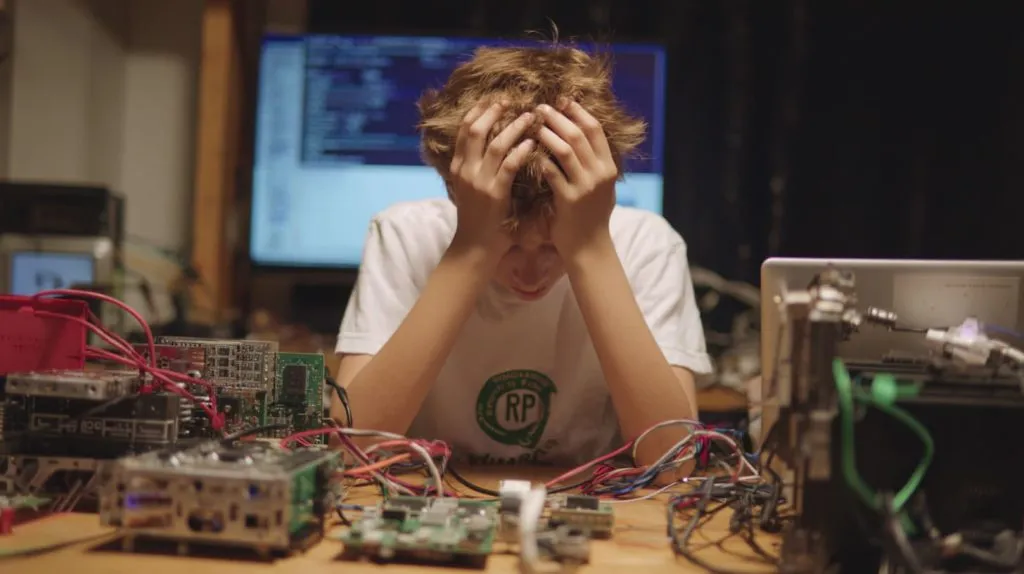
While Raspberry Pi is a powerful tool, it does have its limitations, particularly in processing power. It’s not suitable for all types of projects, especially those that require heavy computing or high-end graphics. But that doesn’t mean it’s useless—it just means students need to know when and where to use it.
In my experience, students often hit roadblocks when they try to run very resource-heavy programs on Raspberry Pi. But that’s part of the learning process—understanding the limitations and working within them.
Learning Curve for Beginners

Raspberry Pi can have a steep learning curve for beginners, especially for those who are new to programming or hardware. But the great thing is that there are tons of resources out there to help. From online tutorials to user communities, students can find support as they learn.
I remember my first few weeks with Raspberry Pi—there were moments of frustration. But the more I tinkered with it, the more I understood how things worked. And that's a lesson in itself—patience and perseverance pay off.
Availability of Components and Accessories
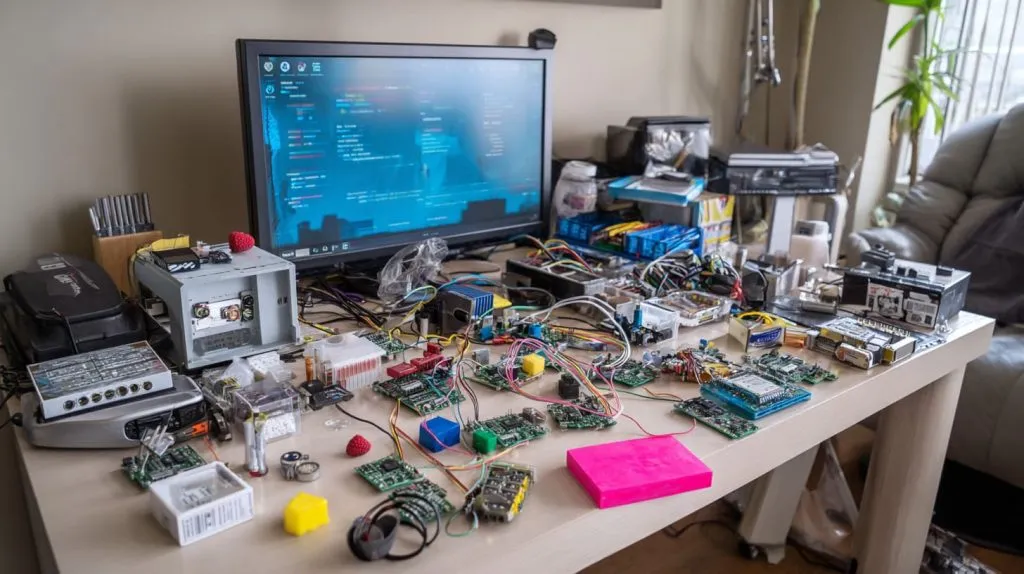
One challenge students may face is the availability of components and accessories. While Raspberry Pi itself is easy to get, some specialized parts can be harder to source. However, with a little research, students can find reputable suppliers and avoid delays in their projects.
I’ve found that having a good list of trusted suppliers is key. Knowing where to get parts quickly and affordably can save a lot of time and frustration.
Conclusion
Final Thoughts on the Importance of Raspberry Pi in Computer Science Education
In conclusion, Raspberry Pi is much more than just a low-cost computer. It’s a platform that empowers students to learn, experiment, and innovate. Whether you’re learning to code, building a robot, or exploring data science, Raspberry Pi is there to support you. It’s affordable, versatile, and, most importantly, a gateway to real-world experience.
Looking back on my journey with Raspberry Pi, I can honestly say it played a pivotal role in shaping my understanding of computer science. And for countless students around the world, Raspberry Pi will continue to open doors to new possibilities and innovations.