Skip to content

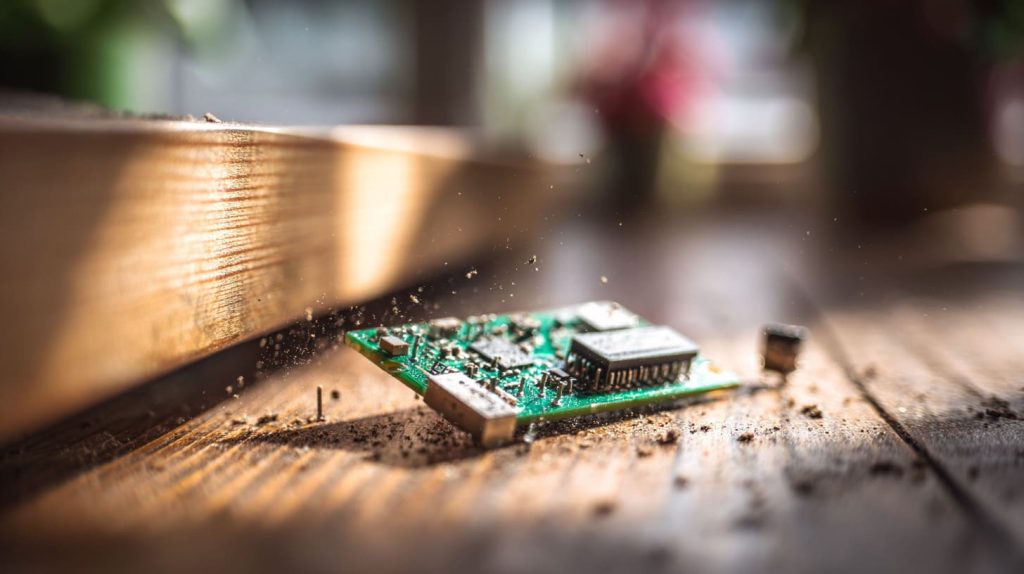
My Raspberry Pi once slid off my desk, hit the floor, and popped loose like a toy. No case, no protection. Just a tiny board exposed to dust, static, and dumb accidents.
Yes—getting a case for your Raspberry Pi protects it from physical damage, dust, static, and improves thermal performance and safety.
If you’ve ever stared at a naked Pi board and thought “Eh, it’s fine,” you’re not alone. I did the same—until it cost me hours of re-soldering and one frustrated client.
[Table of contents]
Are Raspberry Pi 4 and 5 cases the same?
It’s tempting to reuse what you already have.
No, Raspberry Pi 4 and 5 cases are not the same due to different port layouts and thermal requirements.
Why the mismatch matters
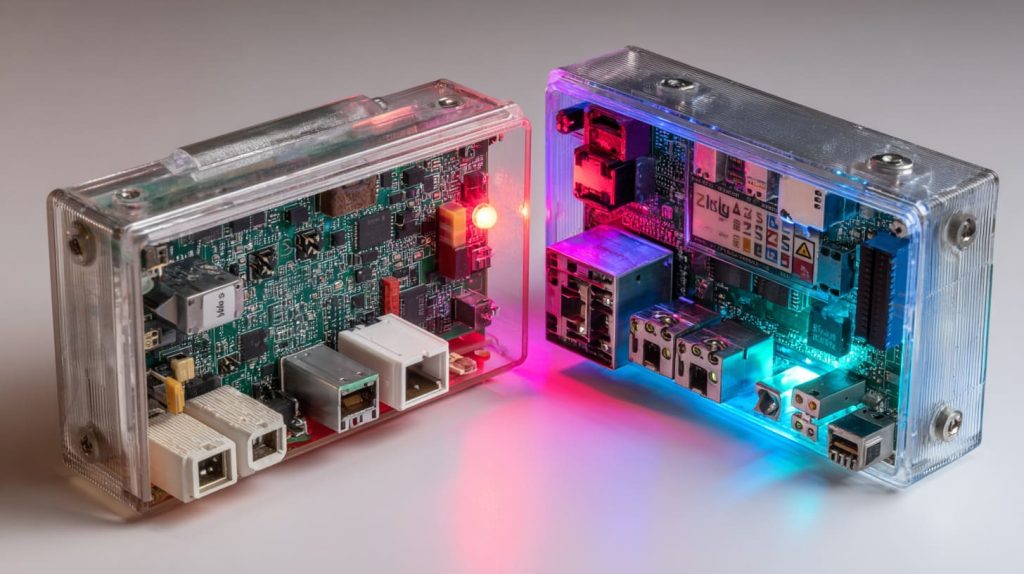
Even if the boards look similar at first glance, Pi 5 has a built-in fan header, a PCIe connector, and slightly altered port placements. Cases for Pi 4 often don’t align perfectly—or worse, block critical cooling paths. I've had customers force a Pi 5 into a Pi 4 case, only to overheat within minutes. Don't do that.
| Feature | Pi 4 Case Compatibility | Pi 5 Compatibility Needs |
|---|---|---|
| USB Port Layout | Mostly Compatible | Slight Shift |
| Cooling Fan Space | Not Always Included | Required for Pi 5 |
| PCIe Port Access | Not Present | Needs cutout |
Can a Raspberry Pi overheat in a case?
This used to be my biggest worry.
Yes, poor ventilation or lack of heatsinks can cause a Raspberry Pi to overheat inside a case.
It’s not the case’s fault—it's the airflow
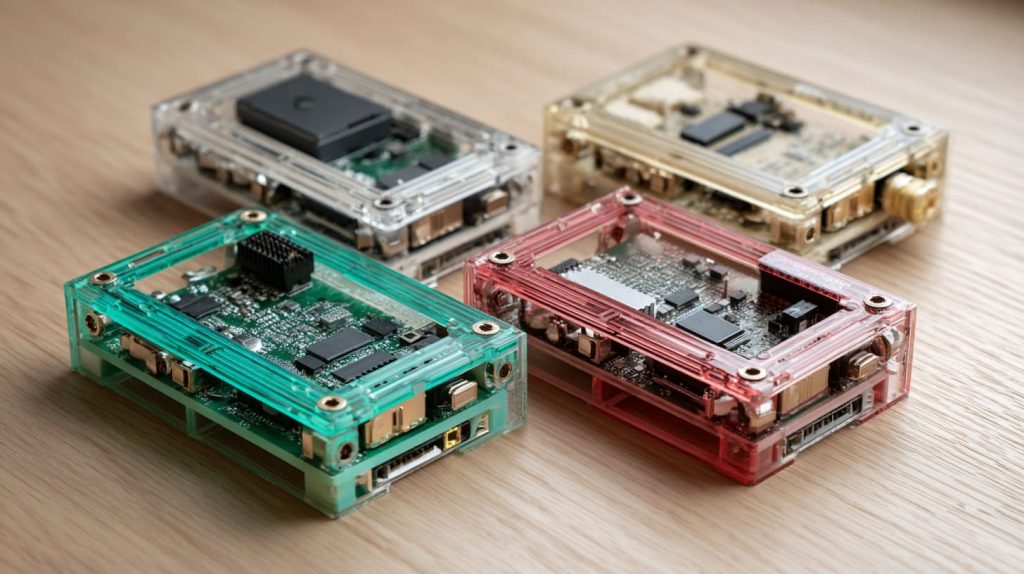
Enclosures trap heat if they're sealed too tight. I learned this with a batch of early acrylic cases we sold—beautiful, but they had zero airflow. Clients reported frequent throttling. We retooled the design overnight to add vents and support for fans. A good case should help, not hurt.
- Use cases with built-in vents or fan mounts
- Always add heatsinks for high loads
- Monitor temps if you're running headless setups
Will a Raspberry Pi 4 fit in a 3 case?
We’ve all been there, trying to make old parts work.
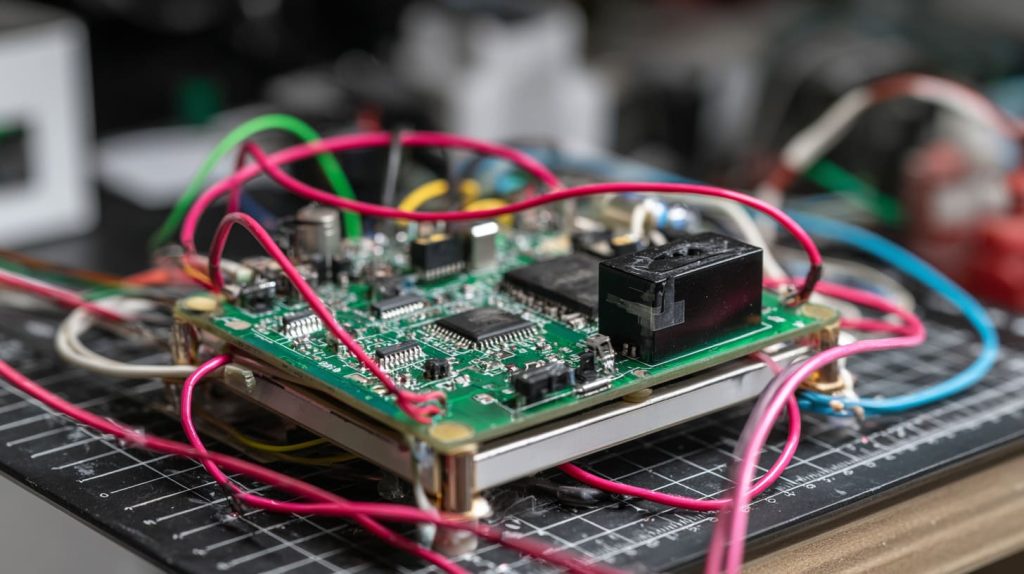
Not reliably. Pi 4 has a different port layout, especially USB-C and micro-HDMI.
Legacy cases aren't built for today's needs
The Raspberry Pi 3 used full-size HDMI and micro-USB. Pi 4 switched that up. I've seen folks cut holes just to make ports fit, but it’s messy and risks damaging the board. Honestly, the hassle isn’t worth the savings.
Do Raspberry Pi cases affect WiFi signal?
This one surprised me too.
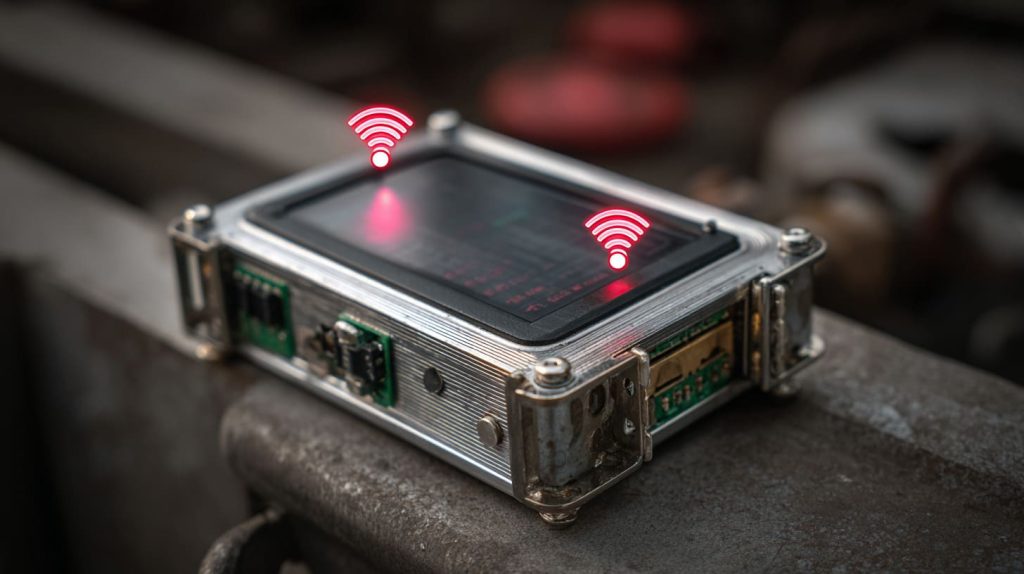
Yes—metal cases can reduce WiFi signal strength, while plastic or acrylic ones usually don't.
Choose materials wisely
I had a client doing IoT field deployment with a metal Pi case. Great protection, but his signal dropped by 40%. We switched to an acrylic variant and the problem vanished. If WiFi stability matters, steer clear of full-metal cases—or use external antennas.
What are the benefits of using a case for a Raspberry Pi?
I used to run Pi boards bare. Not anymore.
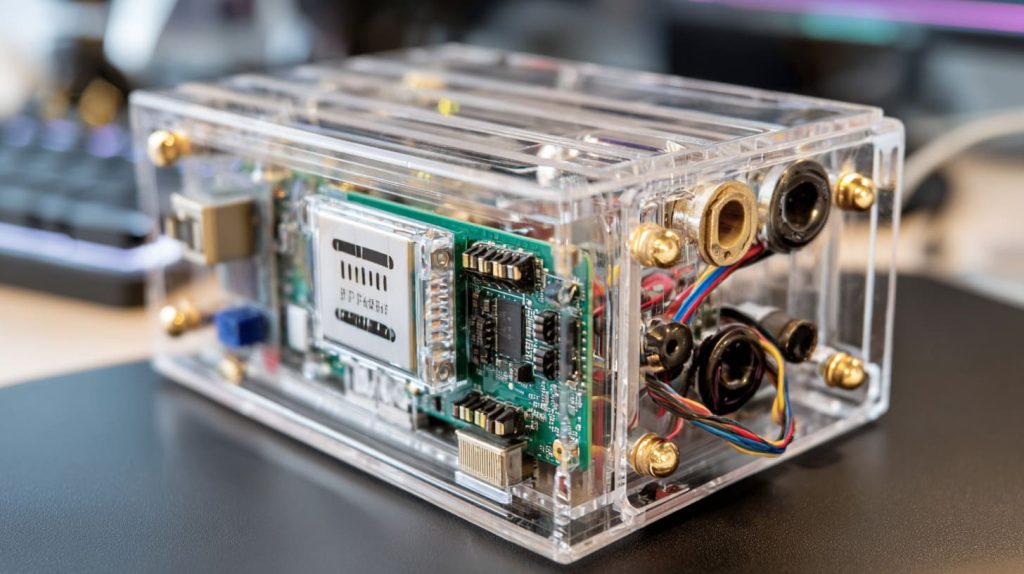
Cases provide protection, improve cooling, reduce static damage, and enhance aesthetics for projects.
More than just a shell
- Keeps dust and fingers off the board
- Prevents accidental shorts from metal surfaces
- Offers mounting options (screws, DIN rail, VESA)
- Adds professional polish if you're selling a product
Can a Raspberry Pi work without a case?
Yes—but not without risks.
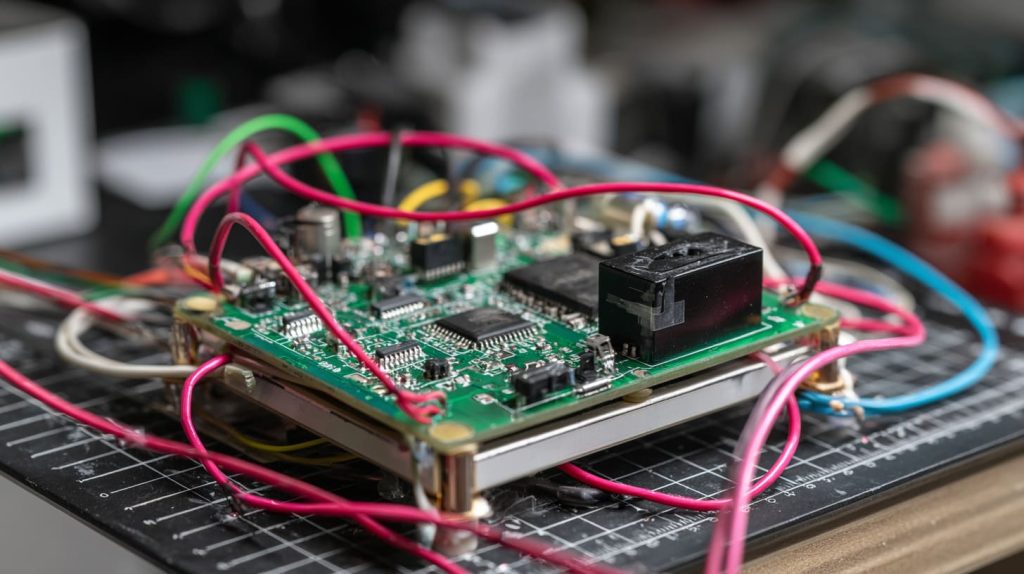
It can function without a case, but is more vulnerable to damage and static shock.
The bare-bones setup is fine for labs, not for life
I sometimes breadboard projects without a case, but only during prototyping. Once it’s out in the real world—retail, classroom, even home automation—it needs armor.
What types of Raspberry Pi cases are available?
This is where it gets fun.
You’ll find plastic, acrylic, metal, and custom 3D-printed cases, each with different pros and cons.
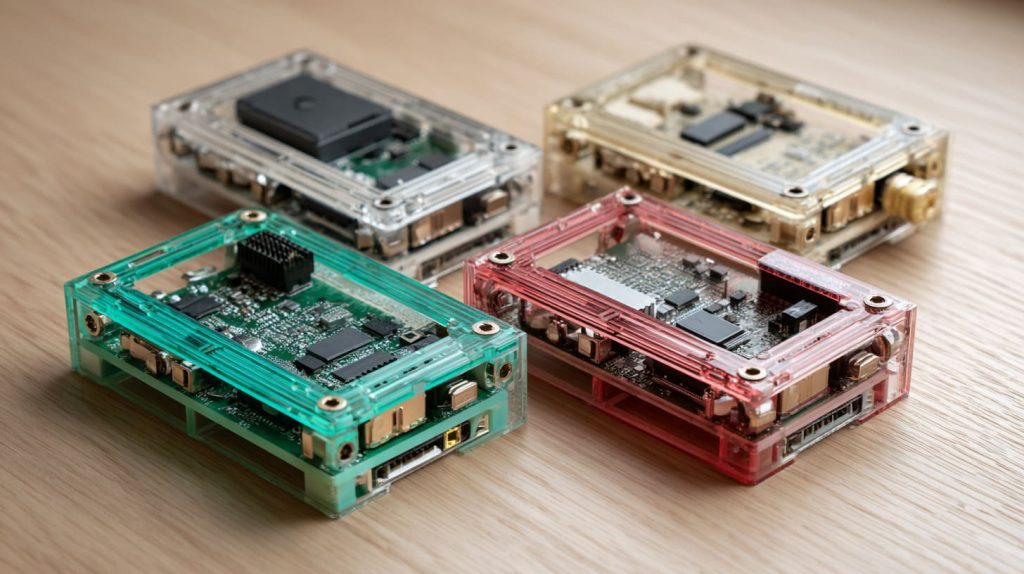
Here's a quick rundown
| Material | Pros | Cons |
|---|---|---|
| Plastic | Lightweight, cheap, colorful | Can crack, poor heat resistance |
| Acrylic | Sleek, custom branding ready | Brittle under heavy stress |
| Metal | Strong, great heat dissipation | Blocks WiFi, heavy |
| 3D Print | Fully customizable | May lack precision fit |
Do Raspberry Pi cases help with cooling and performance?
This is one of the most overlooked benefits.
Yes, cases with heatsinks or fans can reduce throttling and keep performance stable.
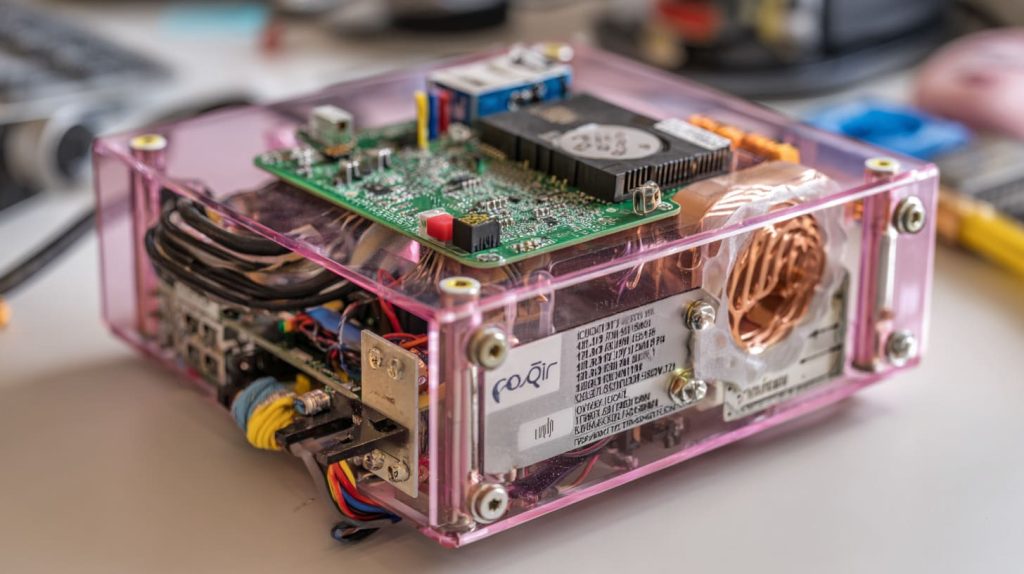
Cooler Pi, better uptime
We had a customer deploy 100 Pi units in kiosks. They insisted on passive cooling only. A month later, they came back asking for fan-integrated cases due to slowdowns. Thermal management isn't just nice—it’s essential for heavy use.
Are custom Raspberry Pi cases worth it for branding or projects?
Absolutely. Branding is everything now.
Custom cases help rebrand products, add value, and create a premium look for your projects.
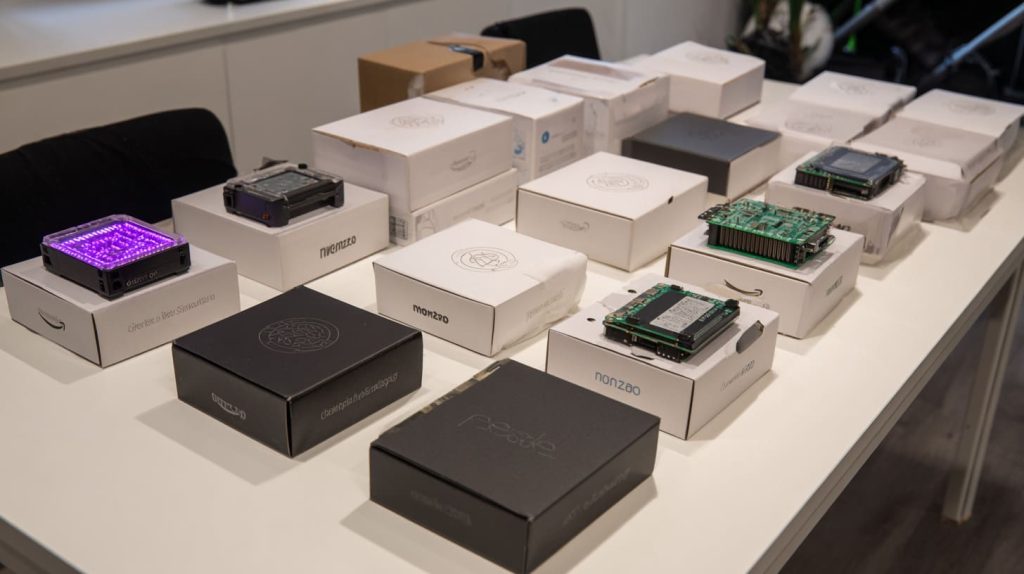
Stories from the shop
Clients like Davide from Belgium always request their logo engraved or printed on the case. We even apply stickers and pack the Pi into branded boxes. It makes their Amazon product page stand out—and buyers trust something that looks intentional.
How do I choose the best Raspberry Pi case for my setup?
Think beyond just looks.
Match the case to your board version, cooling needs, I/O access, and use scenario.
Checklist for choosing a case
- Pi model compatibility (4, 5, Zero, etc.)
- Does it support fans or heatsinks?
- Access to GPIO, camera, HDMI ports
- Mounting options (desktop, wall, rail)
- Branding or customization needs
Is a case necessary for Raspberry Pi-based commercial products?
It’s not optional—it’s mandatory.
Yes—if you’re shipping or deploying Raspberry Pi commercially, a protective case is essential.
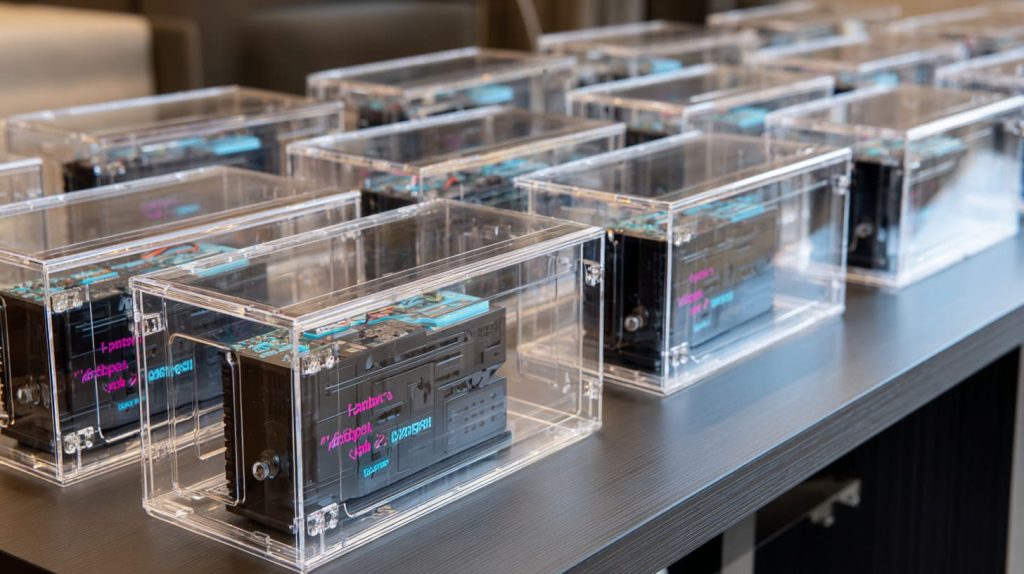
Commercial Pi = Professional Enclosure
We supply bulk cases to educational kits, digital signage, and smart home brands. Without a proper case, it just looks like a hobby project. And in a retail box? It needs to feel like a real product.
What features should I look for in a high-quality Raspberry Pi case?
This is where details matter.
Look for durable materials, precise port cutouts, cooling support, and customization options.
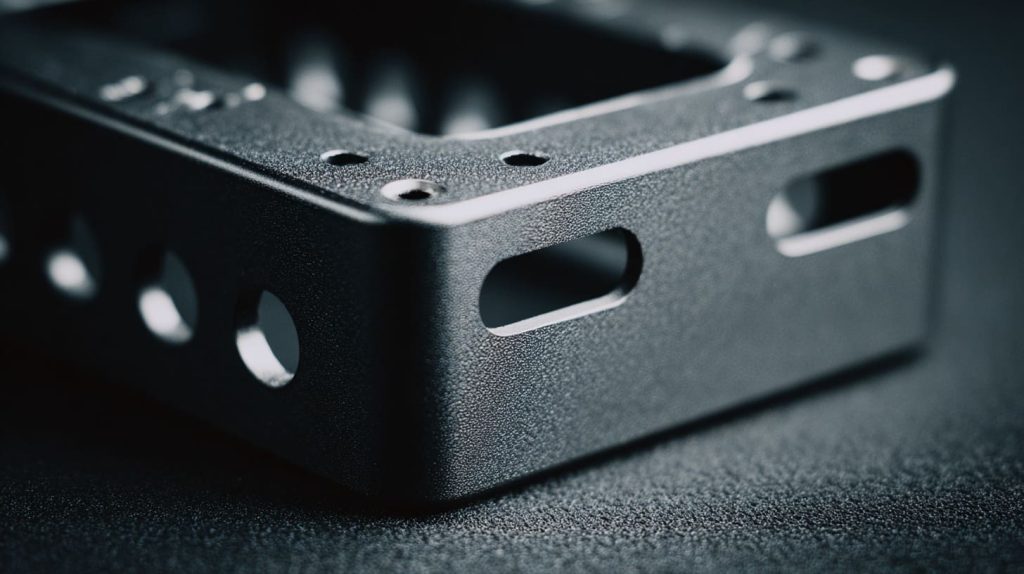
The case isn’t just an accessory—it’s the first impression
Good cases feel solid in hand. Nothing rattles. Nothing warps. You’d be surprised how often customers comment on the feel of the case—even before turning the Pi on.
Can a Raspberry Pi case improve safety and durability?
Yes—and your fingers will thank you.
A case can protect against shocks, shorts, drops, and accidental touches.

One spark is all it takes
A school ordered bare Pi boards once, thinking cases were unnecessary. One student zapped a board with static from a carpeted floor. We got a call the next day—and shipped them acrylic cases by the end of the week.
Where can I buy a custom Raspberry Pi case in bulk?
Here’s the plug (but also, the truth).
You can source custom bulk Raspberry Pi cases directly from us at RaspberryPiCase.com.

What makes our service different?
At MaidaTech, we offer:
- Engraved or printed logos
- Label sticker service
- Fast shipping with huge stock
- Flexible MOQ for bulk buyers
- OEM & ODM support for project builders
Whether you’re Davide launching a re-brand or Lasle with a wild new prototype—we’ve got you covered.
Conclusion
Yes, your Raspberry Pi deserves a case.