Skip to content
Raspberry Pi 4 blowing vs. Sucking case fans means picking if the fan pushes air into or pulls air out of the case. Each method is different in how heat is dissipated from the PCB and components.
Whether in a residential or commercial application, small cases in the United States typically require most airflows to achieve optimal cooling. A properly configured fan setup can drastically reduce high temperatures and extend your Pi’s lifespan.
The following sections explain how each fan direction operates and which is best suited.
What's Fan Airflow Direction?
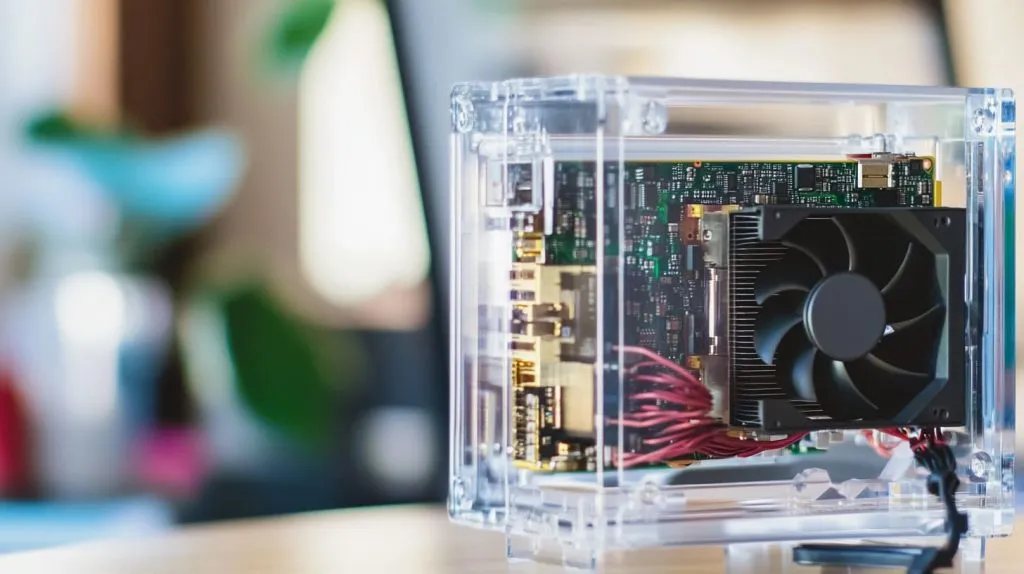
Fan airflow direction is the most important aspect of how you’re going to cool your Raspberry Pi 4 within its case. In simple terms, there are two main ways to set up a fan—blowing in, called the intake method, and sucking out, called the exhaust method. Each decision changes the airflow in the case.
This, in turn, has terrible downstream effects on cooling, dust build-up, and even the lifespan of your board! We’ve seen some people direct the fan to blow directly on the heat sinks. Some people run a fan to exhaust hot air. What direction is your fan blowing?
The design of your case matters! Design elements such as holes at the bottom or a single vent have a major impact on airflow direction.
Blowing In: The Intake Method
A fan blowing in, or intake fan, blows that cool air across the Raspberry Pi’s heat sinks and board. This usually results in improved heat transfer, since fresh air sweeps across the hottest sections. For those users with cases that have holes on the bottom, blowing air on the bottom can keep the CPU cooler.
The air later, improving general air circulation. A lot of people have discovered that blowing air right onto the Pi results in cooler temperatures. However, this technique can draw in dirt, which can accumulate over the years and clog the airflow.
Sucking Out: The Exhaust Method
A fan blowing in just circulates hot air back into the Pi’s case. This can drop overall case temperature within minutes, which is beneficial to overall system longevity, including CPU & GPU. If what is needed is more vents, sucking air out can cause negative pressure.
This can drastically slow airflow and cooling effectiveness. The side where air is drawn in is the ‘inlet’ or ‘back’ side of the fan.
Why Airflow Matters for Your Pi
Proper airflow helps ensure that your Pi can maintain its optimal operating temperature, avoiding slowdowns or the dreaded thermal throttling. With improved airflow, you can ensure that the CPU and GPU remain in peak performance mode without overheating.
In the long run, this protects all components better and extends their lifetimes too.
Pi 4 Fans: Blow or Suck?
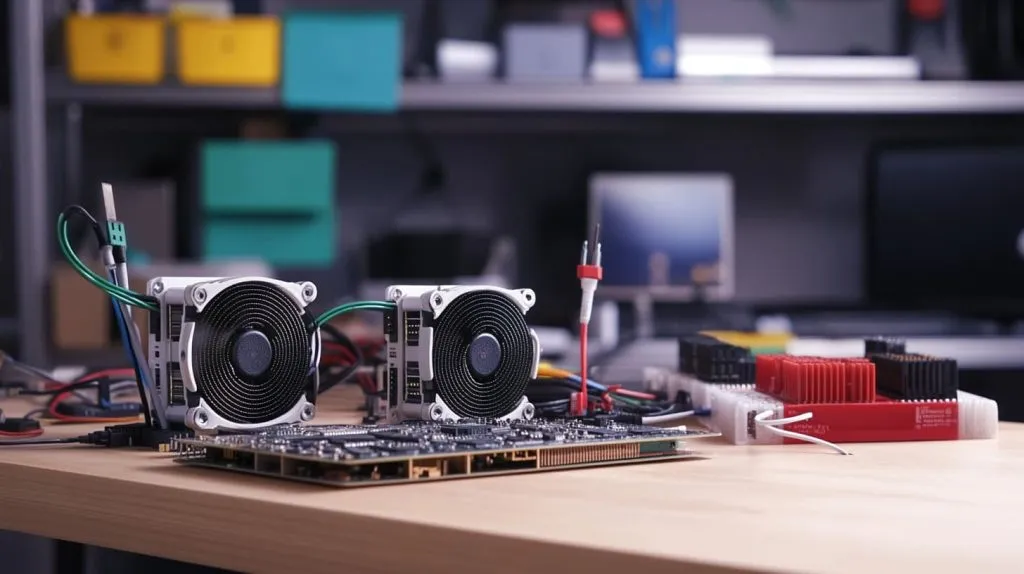
Deciding to use a blower fan to blow air on the Raspberry Pi 4 or suck it away significantly affects cooling, noise, and maintenance. The orientation of the fan plays a crucial role in achieving good cooling performance. It impacts nearly every aspect, from maintaining stable CPU temperatures to minimizing dust accumulation on your board! Let’s take a look at how each configuration holds up in real-world use.
1. Airflow Dynamics: The Nitty-Gritty
Airflow is what really makes the difference in cooling! Allowing cool air to blow directly onto the heat sinks allows the processor to shed heat rapidly. Surprisingly, this configuration is usually more effective than the reverse, sucking hot air out.
The maximum airflow rate of the fan, expressed in cubic feet per minute (CFM), determines how much air can be pushed through the case. More CFM at the correct RPM provides better cooling. As an example, a Noctua NF-A4x10 fan (4.8 CFM) will far exceed the vast majority of stock fans (2.5–3.5 CFM).
| Fan Model | Type | Airflow (CFM) | RPM |
|---|---|---|---|
| Noctua NF-A4x10 | Axial | 4.8 | 5000 |
| Sunon MagLev | Blower | 3.2 | 6000 |
| Generic 4010 | Axial | 2.8 | 4500 |
2. Cooling Performance: Real-World Temps
In short, blowing air onto heat sinks usually means CPU temps stay below 70°C even during sustained stress tests. Sucking air out is more effective, but can fail in hot rooms, occasionally allowing temps to creep above 80°C.
Due to the summer heat, blowing air in tends to be a more effective approach. Never take your eyes off CPU temperatures when running under load—try to stay below the 85°C default throttle threshold.
3. Dust & Debris: Long-Term Effects
Fans that suck air out of the case actively draw dust directly onto the Pi board, clogging fins and degrading cooling performance.
Cleaning, Cleaning, Cleaning. Regular cleaning is unavoidable. Blowing air in introduces less dust, but it’s not maintenance-free. Regular dusting every few weeks is the best line of defense.
4. Noise Showdown: Which is Quieter?
In general, blower fans are noisier than axial fans at a given RPM, and become much noisier at higher RPMs. Blowing setups may be quieter, provided you use low-RPM fans.
What you don’t see—blade shape and motor quality—matter just as much, too.
- Noctua NF-A4x10: \~18 dBA
- Sunon MagLev: \~30 dBA
- Pimoroni Fan SHIM: \~25 dBA
5. Power Draw: Impact on Your Pi
Since most fans only draw 0.05–0.2A, the power difference is pretty negligible. More efficient fans put less load on the Pi’s power supply, reducing the potential for brownouts, a major concern for stable DIY projects.
Case Design: Does It Matter?
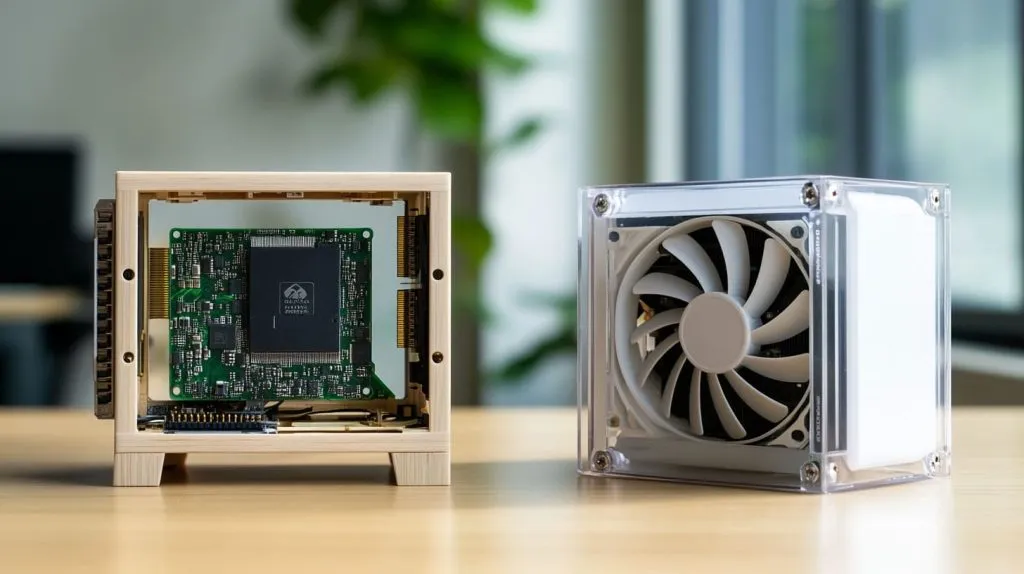
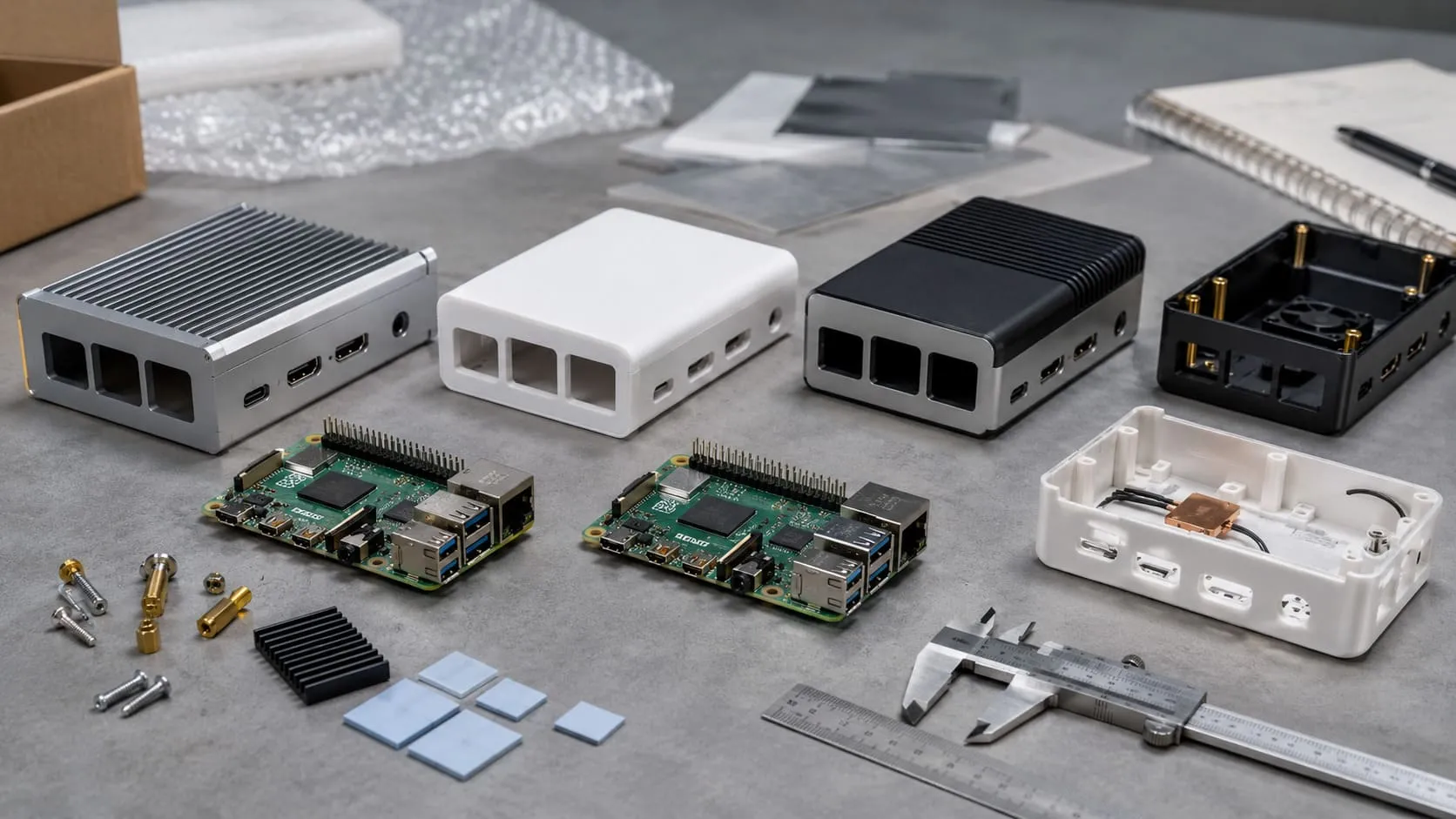
Case design determines how effective a Raspberry Pi 4 will be at cooling. The air flow in and out is very dynamic, airflow holes are carefully engineered to get the most performance. Further, case material plays a large role in preventing overheating. Some cases allow heat to dissipate more quickly, preventing the board from overheating.
Others, with blocked ventilation or heavy plastic enclosures, can suffocate devices, causing thermal throttling to become a serious threat.
Open vs. Closed Cases
Open cases allow air to flow freely around the board with little to nothing obstructing. This new arrangement makes for better Pi cooling! It keeps hot air from building up by driving it out the top and letting cool air enter from all directions.
However, open cases don’t protect from dust, spills, or drops, so the board is more vulnerable. Closed cases can protect the Pi from impact and provide a more polished aesthetic. If the vents are small or in the wrong spot, heat can build up fast, and fans may need to work harder.
Closed cases are more at home in a living room or classroom, but some users choose open cases specifically to demonstrate labs or testing.
Vent Placement is Key
Vent placement is one of the first and most important design elements that can either increase or decrease airflow. Proper vent placement allows hot air to escape while cool air enters where it’s needed the most to keep the Pi cool.
Poor vent locations can create heat traps. For the Raspberry Pi, good vent spots are:
- Near the CPU and RAM
- On top, for hot air to rise out
- On both sides for a cross-breeze
- Far enough from USB and power ports to avoid a cable obstruction
My Thoughts on Case Material
Metal cases, such as aluminum or copper, will dissipate heat from chips more thoroughly than plastic or acrylic. They’re more durable over time and can be quite striking on a work desk.
However, metal cases are heavier and often more expensive. Plastic or acrylic is inexpensive and lightweight, but cuts off heat migration. Choosing a case usually comes down to aesthetics, hand feel, or heat dissipation.
USA Climates: Fan Choices
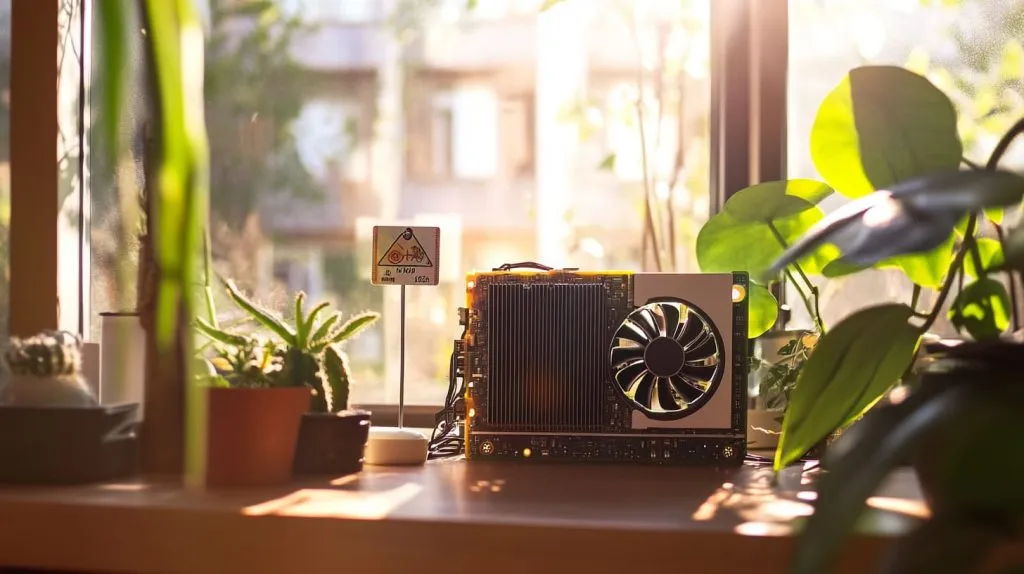
Across the United States, climate determines how users choose a blower fan for their Raspberry Pi 4 case.
Climates Swings
Temperature extremes are no joke—from the arid, warm Southwest to the chilly, rainy Pacific Northwest. Thus, fan configurations need to be tailored to the specific local context. Humidity is another huge factor. In doing so, it stands to subtly transform not just fans’ performance, but their durability.
Choosing the proper fan goes beyond cooling effectiveness. It’s not just an issue of comfort, noise, and airflow, but of safety, particularly in the USA climates.
Hot States: Max Airflow Needed
Regions such as Arizona, Texas, and Southern California experience weeks at a time where the temperature exceeds 100°F (38°C). In these states, intense cooling is an absolute imperative.
Fans with higher RPMs allow for more airflow to be forced onto the Raspberry Pi, resulting in cooler chips. Most users in these climates prefer blowing fans that direct air directly onto the heat sink. This immediate approach is great for quickly lowering internal temps.
Some even add additional heatsinks for a greater double-fan effect. Blower fans also belong here, as they are able to evacuate hot air from confined areas, such as multi-board stacks. Frequent monitoring of system temperatures is smart in these climates, as the danger of overheating is much greater.
Cooler Regions: Quieter Setups
Those northern states and much of the West Coast remain significantly cooler even in winter. Here, fans can operate at a lower speed and noise level.
Low-noise models—some as quiet as 31 dBA at 3’—perform best in cooler regions, particularly in bedrooms or home offices. That’s because the cooler air outside allows fans not to run at full speed.
Users in these climates probably want a mid-range fan with a heatsink, so you get acceptable noise levels with consistent cooling.
Humidity's Sneaky Role
For most of the Southeast and Gulf Coast, that means thick, soupy, humid air. The problem is that high humidity allows moisture to stealthily infiltrate enclosures, drastically reducing fan lifespan or leading to corrosion.
Fans with sealed bearings or moisture-resistant specifications survive better in these locations. Users must look for indications of leaks within the case.
In humid climates, airflow should be working to dry the chassis out, not solely to cool the board.
Advanced Setups: Mixing It Up
By mixing 60mm and 40mm case fans in a Raspberry Pi 4 setup, you can achieve much better cooling. This is particularly the case for riders who stress their platforms or operate them in hot environments, such as the SF Bay Area flats lacking central cooling.
Advanced setups are more elaborate than just putting a fan on top. They even use blowing and sucking fans strategically to maximize air flow and heat movement! These setups are not just about cooling. They go into detail about getting the right balance for your power consumption, noise generation, and the actual performance of your Pi under load.
Can You Mix Fan Directions?
Fans blowing in air and fans sucking out air can be mixed. This combination of orientations lets you push cool air over the Pi. Even better, it sucks hot air up and out!
The combination allows for effective chip cooling! It’s even more effective when you combine it with heat sinks or a case that facilitates unrestricted air flow. Achieving that ideal balance is no simple task.
If the fan setup is unclear, air may just cycle back indoors. Experiment with various fan positions to find what works for you. Dust can be sucked into the case, which is a major issue in urban residences.
Push-Pull: Overkill or Genius?
In a push-pull setup, one fan blows cool air into the room while the other pulls warm air out. This works great with Pi users who run fixed loads or stack their boards.
That’s a really big deal, and it helps keep temps low even in super-tight spaces. The more noise you produce, the more power you attract. This is an issue if you’re battery powered or just like a quiet office environment.
My Experiments with Fan Placement
Experimenting with various fan placements and orientations quickly demonstrated that some configurations are far superior to others. For instance, a fan drawing air out from the top worked best.
Vents low on one side’s deck proved more effective than one centralized fan blowing air straight onto the chip. Putting a heat sink – basically an aluminum plate – underneath the board increased the impact.
Every better Pi, better case, better room. So, it literally pays to experiment with a variety of setups and keep a close eye on your temps!
My Verdict: Best Pi Fan Setup
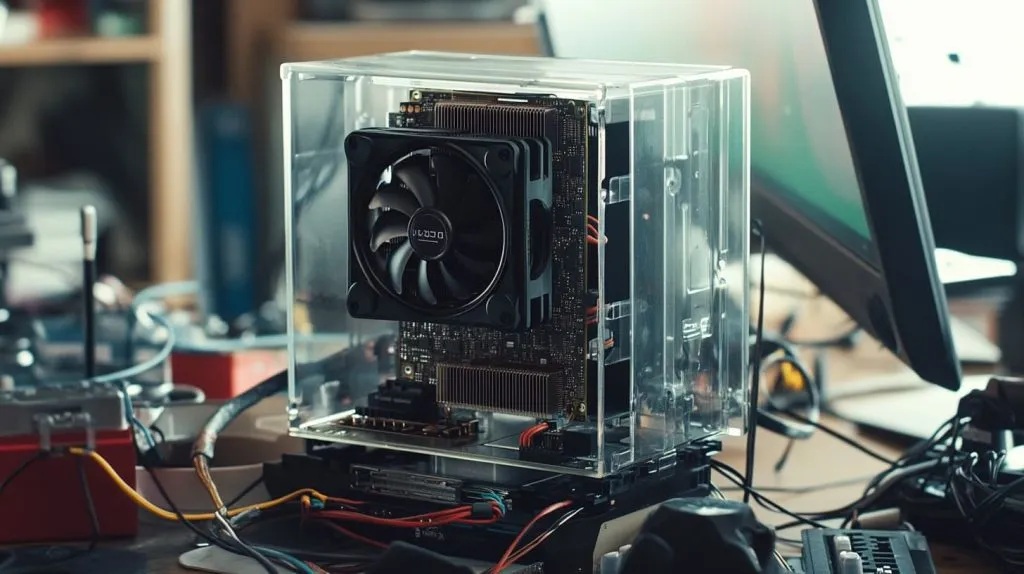
Best Raspberry Pi 4 Fan Setup Overall. It really comes down to what you’re looking for. Take use case, build, and personal preference into account to choose your ideal setup! There are distinct advantages to both blowing and sucking fans.
Which one performs better really depends on your setup, case design, and how much heat your Pi puts out! One user even experienced a 4-degree drop by simply reversing the fan. They even reached 57°C at max temp without a heatsink and 51°C with one!
Attach one of these fans such that it blows directly onto the CPU. Release the air by opening the vents—the easy and genius solution! Idle temps in this configuration can range from 41–47°C.
For Most USA Users
For Most USA Users, Blower fans in this voltage and size are readily available and inexpensive. You can get small 30mm fans in budget friendly options too!
These fans, when blowing air onto the CPU, keep the Pi cool enough for daily work without a lot of noise. Using a heatsink along with the fan will reduce temps by 21 degrees at a minimum.
Other users have reported an additional 5-degree reduction by utilizing a large heatsink! For obvious reasons, many users are sensitive to fan noise—nothing is worse than a whiny fan ruining a quiet room.
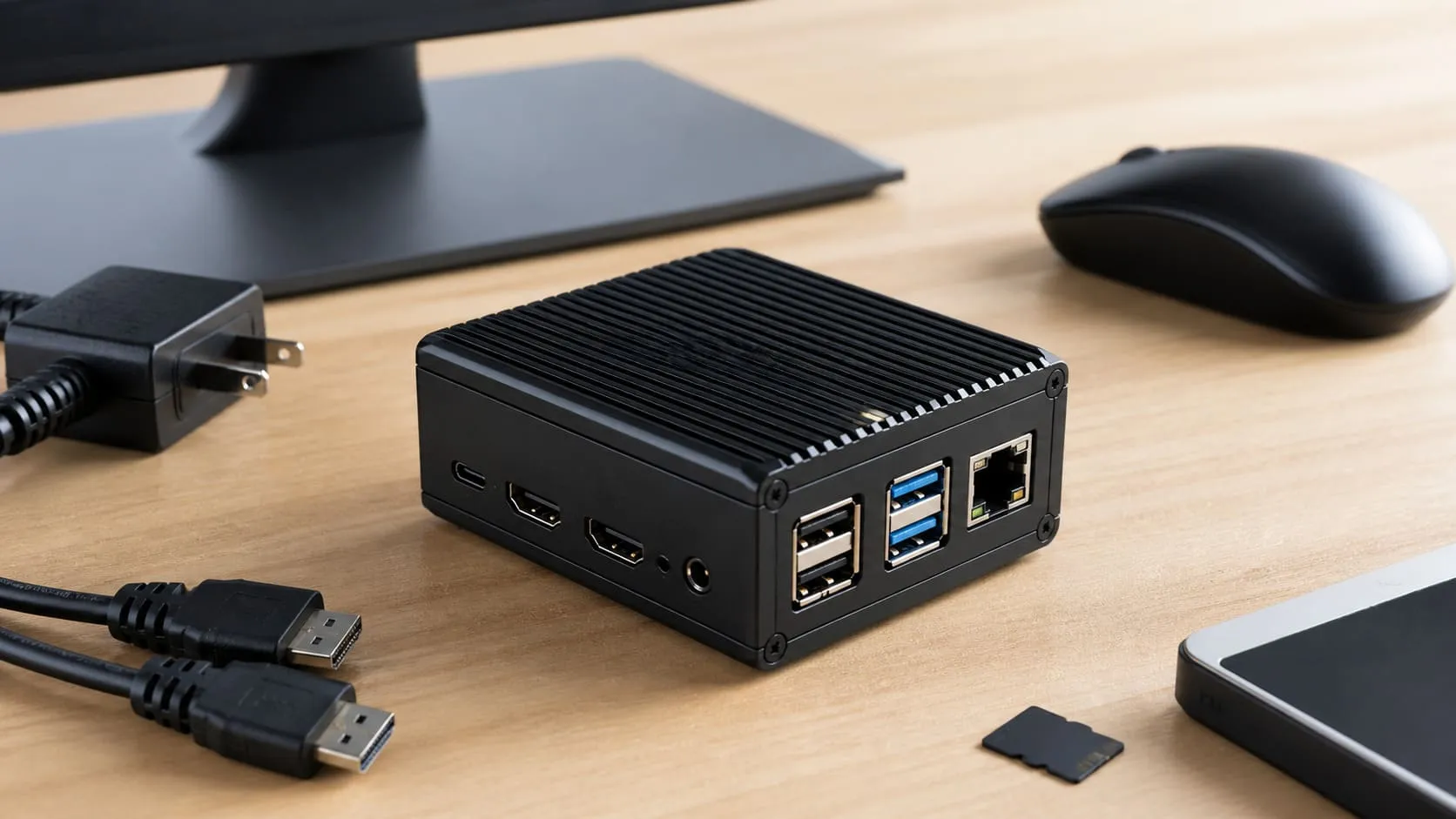
More mainstream Pi cases, such as the Flirc or Argon One, offer a much better balance of cost, cooling performance, and low noise.
When to Buck the Trend
When to Buck the Trend: Not every use case is a heavy hitter. If you’re deploying Pis in enclosed or non-ventilated enclosures, you may face some cooling challenges.
For heavier workloads such as AI or video, blowing fans will be less successful. In these situations, consider a sucking fan or larger heatsinks.
Other users set their fans to turn on only when the temperature reaches 80°C. This means the fans can be allowed to spin up temporarily at full load, reducing noise and power consumption.
Listen to Your Pi (Seriously!)
Keep an eye on your Pi’s temperature and noise levels. Listen for hot spots, fan spikes, or unusual fan noises.
Creating custom fan controls in your boot config.txt (for example, dtoverlay=gpio-fan,gpiopin=14,temp=80000) gives you the ability to customize when your fan operates and how cool it keeps your Pi.
This goes a long way toward ensuring that your Pi is operating quickly and securely.
Conclusion
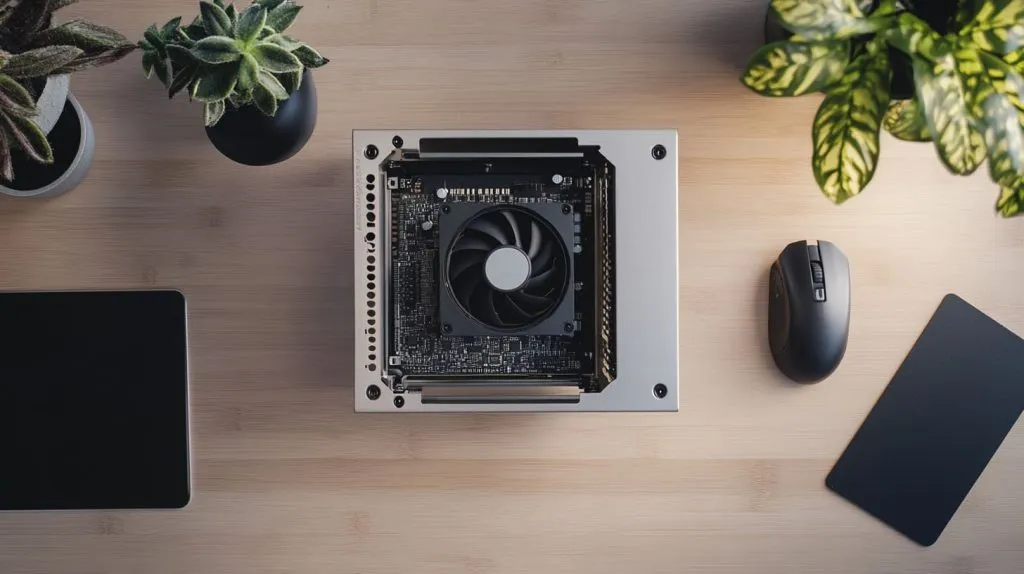
To cool down a Raspberry Pi 4, blowing vs. Sucking case fans clearly matters. This fan blowing air directly onto the board quickly drops temperatures. This is great for deployments in hot areas such as Texas or Southern California in the summer! A sucking or exhaust fan pulls hot air out and is ideal in cramped cases or areas with low airflow. Most Pi users in the States replace one or the other, or even daisy-chain fans together for stress tests or overclocking. There is no one-size-fits-all setup, so monitor your temps, test both blowing and sucking to see which works best for your case and environment. Have an equally crazy rig or a recipe that shaves a few more degrees off. Share your cooling methods in the comments and save somebody else from overheating.
Frequently Asked Questions
What’s the difference between blowing and sucking fans for Raspberry Pi 4?
While boring in design, blowing versus sucking fans serve different purposes for cooling your Raspberry Pi 4. Both types, including the blower fan and brushless fan, will effectively manage room temperature, but airflow direction can significantly impact performance based on your case design and surroundings.
Does the direction of my Pi 4 case fan really matter?
Short answer, YES, it does matter. Until you consider that blower fans cool components more directly, while sucking fans focus on exhausting hot air. The best choice depends on your case’s ventilation holes and your local ambient temperature.
Which fan direction works best for hot U.S. climates?
In hotter climates, such as most of Arizona and Texas, a blower fan tends to be the most effective. These fans suck in cooler ambient air from outside and blow it directly on the Pi 4, significantly improving good cooling performance.
Can I use both blowing and sucking fans together?
Answering in the affirmative, having one case fan blowing air in and another sucking air out creates good airflow, a common feature in high-end custom builds that enhances cooling performance.
Will fan direction affect my Raspberry Pi 4’s lifespan?
Yes. Proper cooling, including the right blower fan direction, helps reduce heat stress and maintain a comfortable operating temperature, ensuring optimal performance and preventing overheating, which can prolong the lifespan of your Pi 4.
How do I tell which direction my fan is moving air?
Look for a blower fan label or arrows on the side of the fan. Typically, air moves from the open side (where you can see the blades) to the closed side with the supporting struts for good cooling.
What’s the easiest fan setup for a beginner in the U.S.?
What’s the easiest blower fan setup for a beginner in the U.S.? It’s easy, it works, and it avoids cooking your Pi in areas with high ambient temperatures.