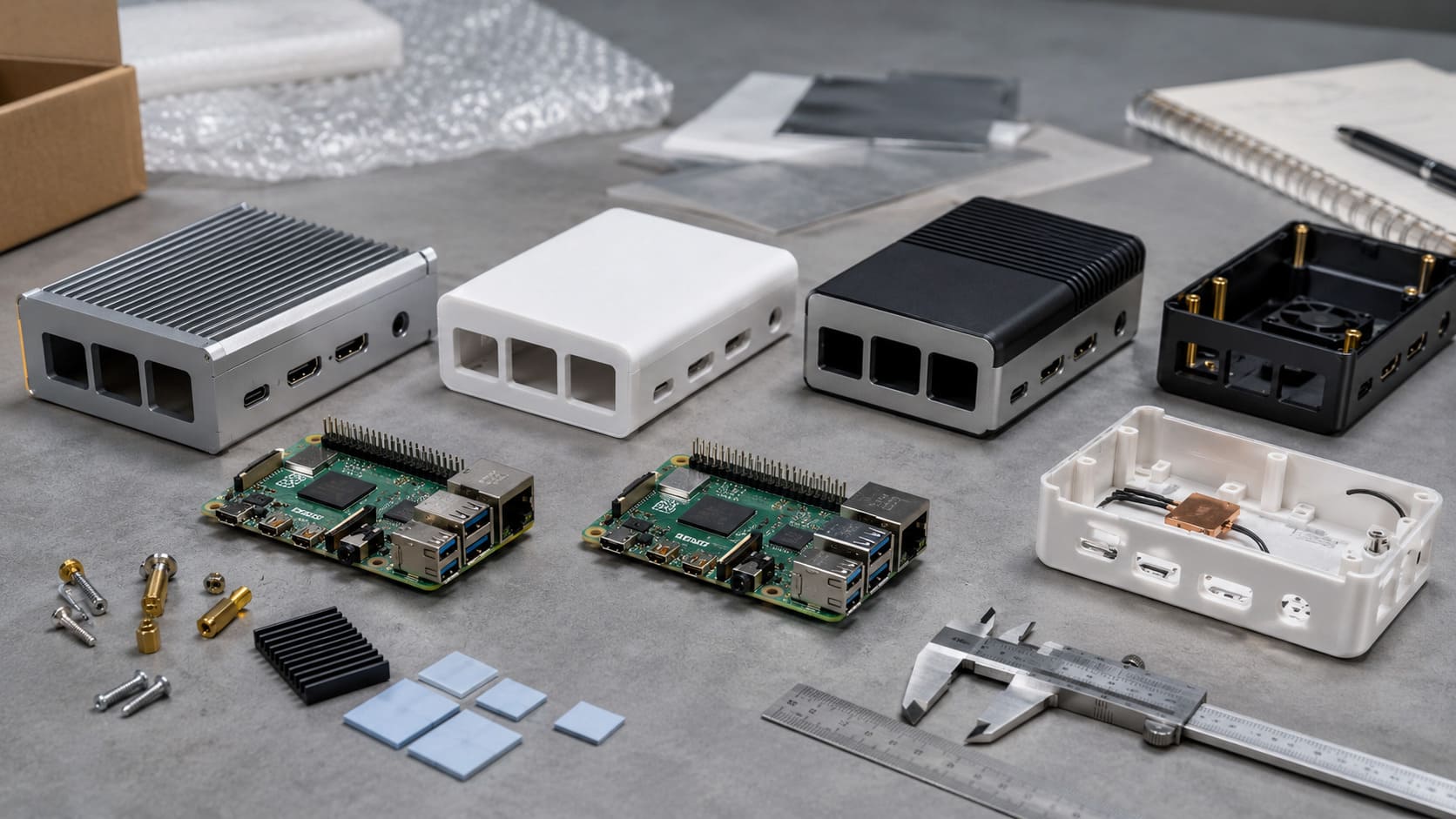
I still remember the day I held my very first batch of custom Raspberry Pi cases fresh out of the molding machine. It felt like I was opening a present I’d been waiting for all year. At that moment, I realized how much thought and detail goes into injection molding. I’ve spent years collaborating with clients who need everything from basic enclosures to fully customized designs with logos or brand engravings. Today, I want to share the core factors that can make or break the budget for injection molding, especially for Raspberry Pi cases.
Overview of Injection Molding for Raspberry Pi Cases
I’ve always believed that injection molding isn’t just about pressing molten plastic into a shape. It’s a mix of creativity, precision, and teamwork. By pouring molten resin into custom-designed molds, we get a finished enclosure that looks neat and is tough enough to protect delicate PCBs. From smaller orders to massive production runs, injection molding has proven it can deliver consistent quality.
However, it’s not always smooth sailing. Designing a mold involves detailed work that requires balancing cost, efficiency, and final product appearance. If you’re not careful, minor mistakes can inflate expenses or cause production delays. I’ve encountered plenty of anxious messages from buyers worried about missed deadlines, so I know firsthand how crucial it is to plan these steps meticulously.
Why Cost Factors Matter for Businesses and ODM/Re-brand Customers
In my experience, cost isn’t just a bottom-line number. It influences how quickly you can stock shelves, how well you can customize, and how satisfied your clients end up feeling. Larger companies and startups alike need stable, predictable budgets, while re-brand customers often prioritize flexibility for labeling, engraving, and design tweaks.
I’ve helped both Davide from Belgium, who wanted his own brand recognized on the case, and a creative client who insisted on a whimsical color scheme. Each needed a clear understanding of how injection molding costs break down. By knowing the main factors, they were able to make wise decisions that balanced their design dreams with real-world financial considerations.
Sometimes, the difference between a cost-effective approach and a budget disaster is understanding just a few fundamental principles. Next, I’ll walk you through how mold design can quickly tip those scales.
I once had a mold design that nearly doubled in complexity overnight. Let’s talk about how mold design can reshape your budget and timeline in surprising ways.
The Significance of Mold Design

When I started to learn about mold design, it felt like deciphering a puzzle. At first glance, a mold might look like a simple metal block with cavities. Then I realized how small details can carry huge cost implications. By examining mold complexity, tolerances, and materials, I began to see why design decisions can be a turning point for any injection molding project. Let’s break it down from multiple angles and question some common assumptions.
Complexity of Mold Cavities
From my perspective, every additional detail—like a rib, vent, or a unique vent shape—pushes mold complexity up another notch. I used to wonder why a single tiny ridge could add extra cost. Then I learned about the time needed to machine and polish these intricate features. A cavity’s complexity dictates the amount of specialized machining required, so a case with fancy air vents or an artistic exterior shape can cost significantly more than a basic rectangular enclosure.
To illustrate this, here’s a simple comparison table I often show clients:
| Mold Complexity Level | Example Features | Approx. Impact on Cost |
|---|---|---|
| Low | Few simple vents, basic walls | Lower initial mold investment |
| Medium | Multiple cutouts, ribbing | Moderate increase in tooling |
| High | Intricate textures, many vents | Significant jump in time & cost |
By questioning whether you really need every extra vent or fancy edge, you can possibly lower your tooling complexity. It’s about finding a sweet spot between aesthetics and practicality.
Tolerances and Tooling Accuracy
I used to assume that all molds just needed to be precise. Then I discovered the fine balance between ultra-tight tolerances and moderate ones. If a Raspberry Pi case has critical contact points for ports or connectors, the mold tolerances must be sharper. Achieving that level of accuracy means using advanced CNC machines and skilled operators. A fraction of a millimeter can mean the difference between a perfect snap fit and a case that’s too loose.
From a critical thinking angle, do we always need such extreme precision? Not always. If we’re dealing with standard cutouts that aren’t going to align with tight mechanical components, then we can relax tolerances a bit and save on machining time and tooling costs.
Mold Material Selection (Steel Grade vs. Aluminum)
I remember one project where we tried an aluminum mold for a low-volume test run. It was less expensive initially. But the mold wore out more quickly, and we had to remake it before we reached the client’s production goal. Steel, on the other hand, costs more up front, but it can handle higher volumes and more runs.
If I know a client plans on long-term production, I suggest a high-grade steel mold. But for smaller, experimental runs, aluminum might make sense. It’s about balancing the cost per part and the mold’s lifespan.
Now that mold design has shown its power to influence costs, let’s step into another game-changer: the choice of materials we inject into that mold.
The Role of Material Selection

Material selection can be a heated debate. Some customers focus on cost, while others emphasize durability. We often fail to realize how small differences, like the choice of ABS over polycarbonate, can lead to big swings in cost. By examining a few everyday materials, I’ve seen how you can strike a balance between wallet-friendly options and performance that meets your requirements.
Common Plastics for Raspberry Pi Cases (ABS, PC, etc.)
One of the most frequent questions I get is which plastic type best suits their project. ABS is often my go-to recommendation. It offers a decent combination of toughness, smooth finish, and affordability. Then there’s polycarbonate (PC), which is famous for its impact resistance, but can be pricier. I recall working with a developer who insisted on using a glossy PC finish for aesthetic appeal. Sure, it looked stunning, but his cost per unit jumped higher than he expected.
From a broader perspective, each material has a unique set of traits:
| Material | Key Strengths | Potential Drawbacks |
|---|---|---|
| ABS | Affordable, robust | Not as impact-resistant as PC |
| PC | Extremely tough | Higher cost, more complex molding conditions |
| PP | Good chemical resistance | May warp if not properly cooled |
Thinking critically, we need to question how each plastic’s pros and cons line up with the demands of the final product. Costly materials might overshoot your real needs, while cheaper resins might compromise quality.
Impact of Raw Material Costs
After I first set up large-scale production, I was shocked to see how monthly resin prices fluctuated. These fluctuations can chip away at your profit margins if you’re not paying attention. When global demand for certain polymers rises, or when supply chains hit a snag, raw material costs can skyrocket.
For large orders, these cost spikes can sting, so I advise locking in resin prices or scouting alternative suppliers when possible. That planning step can make or break your budget, especially if you’re in a market where margins are thin.
Balancing Quality and Cost
Balancing quality with cost is like walking a tightrope. If you skimp on quality, you risk returns, negative reviews, and disappointed users. But overinvesting in premium materials can price you out of the market. I suggest focusing on your product’s core performance requirements. If it needs to survive frequent plugging and unplugging, you might opt for a tougher plastic. But if it’s a display case that stays stationary, you might choose something simpler.
Materials alone don’t control your budget, though. I discovered that how many units you produce and how you schedule production can have an even bigger effect.
Production Volume and Efficiency

When I first started, I assumed large orders always meant a better bottom line. That’s true most of the time, but not always. Production volume and efficiency can bring hidden surprises. If you set up for a big run but your sales don’t match up, you might get stuck with inventory you can’t move. On the flip side, smaller runs might put you at risk of high per-unit costs. Let’s explore the details and consider various angles.
Single-Cavity vs. Multi-Cavity Molds
I remember a client who went straight for a multi-cavity mold to speed up output for a major retailer. It did crank out cases like a race car. But the mold itself was substantially more expensive to make. If their sales hadn’t justified the higher cost, they would’ve lost money. Sometimes a single-cavity mold is enough to test the waters, especially if you’re not certain about the volume you can move.
We should question whether the demand is consistent and stable. If there’s a small market, investing heavily in complex multi-cavity tooling may not pay off. Always match your mold design with realistic production forecasts.
Setup Time and Batch Runs
I’ve learned that the clock doesn’t stop when we load resin into the machine. Setup time matters, too. Each time you pause production to switch molds or materials, it’s downtime. The machine sits idle, and that’s money you can’t recover. Planning batch runs effectively helps reduce those frequent start-stop cycles.
Economies of Scale
Bulk orders often unlock lower per-unit pricing. This can look enticing for buyers with big orders. I encourage new clients to see if they can combine their volumes or plan their product lines in a way that capitalizes on these economies. However, if you’re uncertain about market demand, ordering more than you can handle might lead to wasted stock and extra storage fees.
Once I realized how crucial production efficiency was, I started investigating how machinery, labor, and operational factors also shape the final price tag. Let’s dig in.
Machinery, Labor, and Operational Costs

When I was new in the business, I only saw the big injection molding machines as giant contraptions that gobbled up electricity. Later, I discovered they’re like main characters in a drama where skilled operators, routine maintenance, and electricity bills all play supporting roles. Understanding these roles helps me explain to clients how their money’s being spent.
Injection Molding Machine Specifications
Not all machines are created equal. Some have clamping forces that could handle a car bumper, while others are better suited for small electronics enclosures. The bigger the machine, the higher the overhead, because large machines often require more power and have higher maintenance costs. If you use an oversized machine for a small product, you’re essentially paying for capacity you don’t need.
I ask myself: does this product genuinely require a high-tonnage press? Or can a smaller machine get the job done without overkill in cost? By being mindful of machine specs, we can avoid unnecessary spending.
Skilled Labor and Automation
I’ve had days when a single machine operator could manage multiple presses. That kind of automation helps lower labor costs. But if a project needs specialized finishing, or if you’re dealing with tricky materials, you’ll need more hands. Skilled labor is more expensive, but it ensures consistent quality.
From a broader point of view, labor costs vary dramatically by region. If you’re in a country with steep wages, you might rely more on automation. In places with more affordable labor pools, manual processes could be your best bet. Each approach has its own cost structure.
Maintenance and Energy Consumption
Once, I underestimated the importance of scheduled maintenance. That machine broke down in the middle of a production run meant for a tight deadline. The resulting delay led to expedited shipping costs, frustrated calls from the client, and more. By adhering to a regular maintenance plan, I’ve minimized downtime and saved on costly repairs.
Energy consumption is another factor. Machines that run hot or have outdated components can drive up utility bills. In some cases, new machines with efficient motors and heating systems help keep the electric meter from spinning out of control.
Now that we’ve powered through the operational side, let’s explore how finishing touches and customization can turn a plain enclosure into something that stands out.
Additional Finishing and Customization

Sometimes, I’ll see a plain enclosure and wonder, “What if we added a texture or a splash of color?” Custom finishing can elevate a Raspberry Pi case, especially when clients want their brand to shine. But each customization also nudges the cost upward. Let’s dive in with examples, while thinking critically about whether those extras are truly necessary.
Surface Finish, Color, and Texture
One of the first custom orders I worked on was for a vibrant green case that matched a client’s corporate identity. They asked for a special texture along the sides. Adding a custom color required color-matching plastic pellets, while applying unique textures meant modifying the mold surface. Both steps came with extra costs.
If I question whether an elaborate finish is truly worth the expense, I often weigh the potential marketing impact. It could be a game-changer for brand recognition—or just an unnecessary frill.
Branding Options: Logo Printing or Engraving
I enjoy seeing clients’ faces light up when they see their own brand elegantly engraved on the case. But it’s important to note that printing or engraving involves extra steps. We might use pad printing, silk-screening, or laser engraving, depending on the desired effect. Each method has unique cost drivers—like machine setup, labor, or the cost of inks and lasers.
Personally, I find that laser engraving can give a premium look, though it’s often pricier than standard printing. If branding is central to your marketing, it could be worth it.
Custom Packaging and Labeling
Packaging is where many new buyers get caught off-guard. I remember designing a sleek retail box for a client and then seeing the final invoice. The box itself, the foam inserts, and the labeling all added to the overall cost. If you’re shipping these cases to global customers, you might also need compliance labels or extra protective layers.
The question is: does your audience really need fancy packaging, or can a simpler solution suffice? Evaluating that carefully can help you avoid overspending.
Even the nicest finish won’t matter if your mold deteriorates too soon. Let’s turn to mold maintenance and how it can stretch your budget in the long haul.
Mold Maintenance and Lifespan
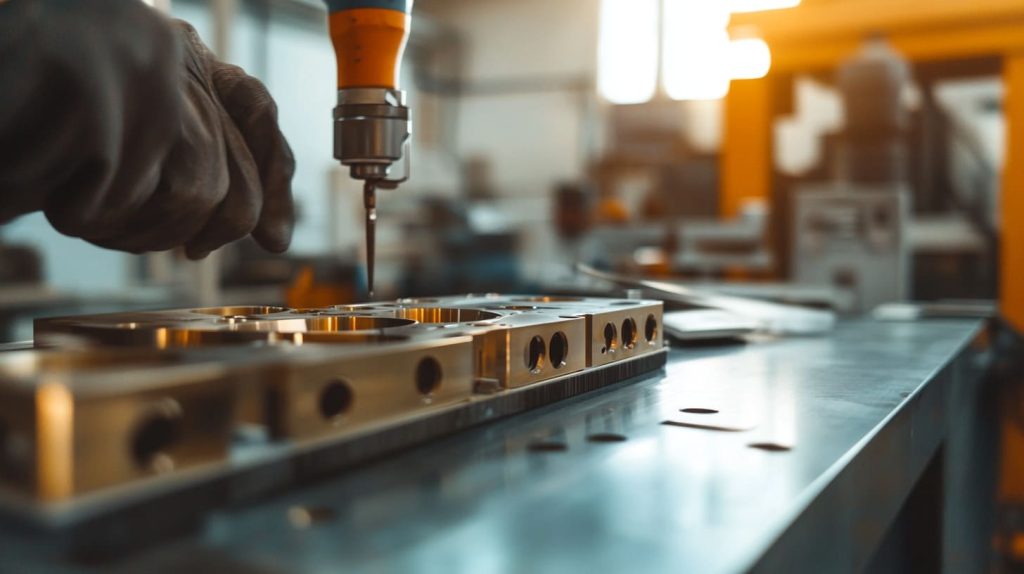
A mold isn’t a one-and-done asset. It’s more like an investment that yields returns over time. I’ve learned that with proper maintenance, molds can crank out thousands, if not millions, of parts. Skipping routine upkeep can lead to sudden failures, higher repair costs, and production downtime. Let’s consider each key aspect and reflect on common oversights.
Preventive Maintenance Schedules
I recall a supplier who always postponed maintenance until the mold showed obvious wear. That strategy backfired when the mold cracked, leading to urgent repairs and lost production time. Setting up a regular maintenance schedule, such as after a certain number of shots, helps keep the mold in top shape. Even a simple check for damage or residue can save costly repairs later.
Wear and Tear on Mold Components
Molds have many moving parts—slides, ejector pins, and more. Each can wear down. For example, ejector pins might bend if they encounter excess force. Once they’re bent, the part might not eject cleanly, resulting in defects or stuck products. Replacing these parts proactively is usually cheaper than dealing with full mold reconstruction.
Long-Term Cost Implications
I’ve seen clients treat mold maintenance as a minor detail, only to discover the true costs when a breakdown halted their entire production line. Regular upkeep can extend mold life, preserving the value of your initial investment. You’ll also produce consistent-quality parts that keep your customers happy.
All this maintenance talk reminds me that location and shipping can amplify or reduce these headaches. Let’s see how geography factors into the cost equation.
Geographic Considerations and Shipping
Over time, I’ve worked with partners from North America, Europe, Japan, and South Korea. Each region has its own labor rates, energy costs, and shipping logistics. I’ve learned that choosing where you produce your cases can heavily affect your bottom line. Let’s look at the angles and evaluate how to weigh convenience against cost.
Regional Differences in Labor and Overhead
As someone based in China, I see firsthand how labor costs here compare to other parts of the world. It’s one reason many buyers choose to source their injection-molded products from my factory. But it’s not always just about cheap labor. Factor in overhead like taxes, regulatory fees, and infrastructure quality. Some places might offer lower wages, but they have less reliable electricity, which can cause production hiccups.
Logistics, Freight, and Delivery Times
I often meet clients who underestimate shipping times. They forget about customs delays or container shortages. Maybe you can cut production costs by choosing a factory far away, but you risk long shipping routes. If speed is crucial, the extra shipping time (or expedited air freight) can offset those initial savings.
Balancing Production Location with Market Demands
I’m no stranger to rush orders. Sometimes a European buyer faces sudden spikes in demand. Producing locally might be faster, but it can be costlier. For planned product launches or stable demand, overseas production makes sense. It’s about striking a balance between consistent supply, cost efficiency, and timely delivery. I encourage my clients to plan well in advance if they want to dodge painful shipping delays.
Time to round out our conversation by looking at ways to keep those costs in check without sacrificing quality.
Tips for Cost Optimization

I’ve had too many late-night emails from clients panicking about budgets. Thankfully, there are strategic steps to keep injection molding costs under control. Let’s explore a few actionable tips and the insights I’ve gained by questioning assumptions along the way.
Early Design Consultation and Prototyping
One of the biggest mistakes I see is when people jump into full-scale production without a proper prototype. Rapid prototyping methods, like 3D printing, offer an affordable way to visualize and test fit before committing to a mold. This upfront step might add a small initial expense, but it can save big if it prevents major redesigns.
Clear Communication of Requirements
I once had a client who forgot to mention they needed an extra opening for a temperature sensor. We had already designed the mold, so we had to modify it mid-project. This added cost and time. Detailed communication with your supplier early on saves last-minute surprises.
Leveraging Bulk Orders and Negotiations
If you’re confident in your sales forecasts, a bulk order can bring your per-unit cost down. Negotiating with suppliers, especially when you’re open to flexible lead times, also helps. I’ve occasionally offered better rates to clients who coordinated larger orders or who could accept group shipping.
That brings us to the end of our detailed exploration. Let’s wrap it all up and see how these insights can guide your future injection molding projects.
Conclusion

Recap of Key Cost Determinants
I believe that cost is more than just a bill. It’s the sum of mold complexity, material choice, production scale, labor, location, and finishing details. Each factor can be optimized, but finding the sweet spot requires honest introspection about your project’s priorities.
Balancing Quality and Budget
I’ve seen clients compromise quality in pursuit of cheaper solutions, only to face higher costs later due to returns or rework. The flipside is investing in top-tier features that don’t align with market demand. Striking a balance can lead to happy customers and sustainable margins.
Final Thoughts for Prospective Buyers and ODM/Re-brand Projects
If you’re just starting out or if you’ve been working on injection molding for years, remember that knowledge is power. Staying informed about costs, communicating your needs clearly, and working with the right partners can make the process far more predictable. And at the end of the day, a well-made Raspberry Pi case can help your brand stand out in a sea of ordinary enclosures.