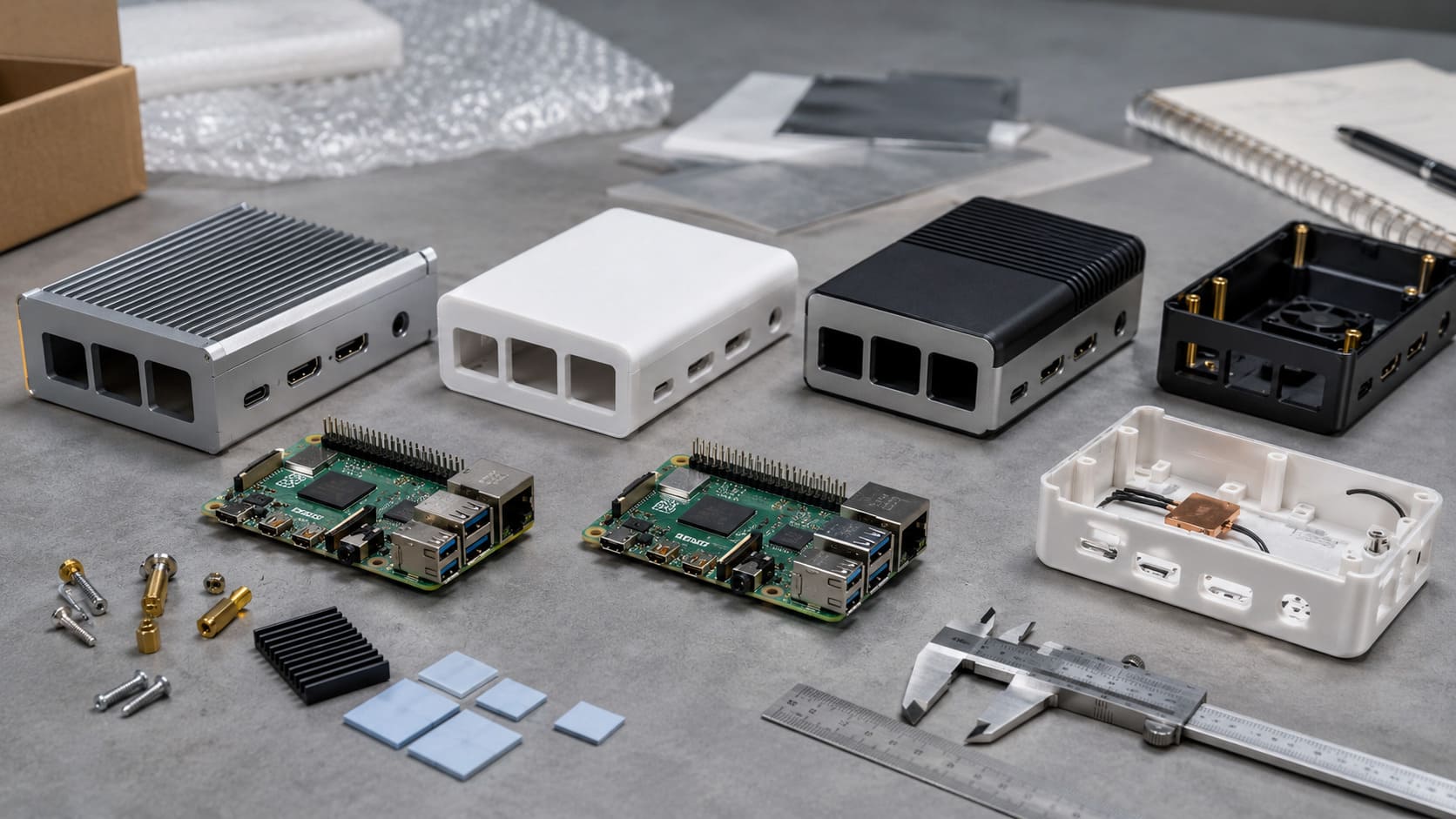
A CNC machined aluminum Raspberry Pi enclosure serves as a durable, precisely-engineered housing. It is black anodized, precision cnc machined from solid blocks of aluminum with computer controlled machinery.
It offers the Raspberry Pi board decent heat management. With its great appearance, it protects internal components from dust or bumps while looking awesome on any workstation!
People in the United States can’t get enough of this kind of enclosure for home labs, school projects, and office setups. In the following chapters, learn how these enclosures perform and respond to everyday requirements.
Why Aluminum? Pi's Best Friend
、
It’s easy to see why aluminum is becoming one of the most popular material choices for Raspberry Pi enclosures. It provides an optimal combination of durability, lightness and exceptional heat dissipation. In the Bay Area and other tech hubs, makers of all levels go to aluminum as their default choice when building something from the ground up.
It isn’t all about pretty colors, though. Aluminum provides tangible advantages to hobbyists and to people who keep their Pis in more intensive environments. From directing heat away to keeping out sound, aluminum does it all.
Cools Better, Runs Faster
Aluminum’s greatest advantage is its ability to quickly dissipate heat from the Pi. With passive cooling, the case itself dissipates heat from the CPU, cooling your rig without any fans. This keeps the Pi running fast and living longer, as heat is one of the main long-term dangers to chips.
Unlike plastic cases that use fans to cool their components, aluminum offers a quieter alternative—no added noise, just reliable cooling. Adding thermal pads further enhances this performance. They conduct heat from the board to the case walls so the whole shell can function as a heat sink.
In practice, all of our local makers are reporting improved performance and reduced throttling while under load.
Tough Shell, Safe Pi
Aluminum is very durable, able to shrug off bumps, drops, and just general use. It doesn’t rust, so whether it's the Bay Area fog or an occasional indoor spill it’s not a concern.
With a precise fit, CNC-machined enclosures prevent sand and dust from entering—ideal for users deploying Pis in garages or makerspaces. Users flock to this high quality feel because they know their Pi should be built to last.
On top of that, the case’s design really protects sensitive components from damage.
Looks Pro, Feels Premium
A CNC-milled aluminum case is more resilient to everyday wear & tear, and looks pretty darn classy on any desk. Anodized anodizing produces a thin layer of aluminum oxide to give color and protect the case against accidental cuts.
Unlike plastic, aluminum feels premium and heavy and cool to the touch, in a way that users find positive paired with their devices. For example, a few of them include smoked acrylic windows that display your fancy LEDs, and custom-cut slots for ports facilitate smoother everyday use.
Quieter Signals, Less Interference
Electromagnetic interference is reduced with aluminum, an important feature if you’re using networked Pis or operating in equipment-dense environments. This helps to make sure signals are clear for emerging projects such as audio streaming or smart sensors.
Shielded enclosures make the biggest difference in crowded work environments, and nearby users commuting to and from collaborative local user facilities have turned this into a tangible benefit.
CNC Magic: Crafting Metal Cases、

Among all of those options, CNC machining has proven itself as the most reliable and precise method for CNC machining aluminum enclosures. This guarantees precise tolerances and a wonderful finish. It provides designers and makers in tech centers such as San Francisco machines that merge fast with unrivaled precision.
That’s a major leap forward from the traditional milling approach. In manual fabrication, it’s a lot more difficult to achieve that same repeatability and precise fits! With CNC, designers can really crank out intricate designs, minute mounting locations, and intelligent airflow routes.
In this manner, each case is precisely designed for the Raspberry Pi and/or like boards, no matter if you’re only producing a few dozen or increasing production into the hundreds.
What's CNC Machining Anyway?
CNC—Computer Numerical Control—defines a machining process that relies on coded instructions to control drills and mills. This is critical, as it ensures each cut and hole is exactly where it needs to be, down to the decimal millimeter. Machines like these handle metals, plastics, and more, though 3000 series aluminum is a popular pick for its good heat flow but can be tricky due to stress cracks.
The journey starts in a CAD program, with Autodesk’s Fusion 360 being a popular starting point. It then goes into the CAM setup before wrapping up on the mill. Just as important, getting the spindle speed, feed rate, and tool choice correct requires know-how. Breaking end mills during your first attempts is all part of the education!
Perfect Fit: Why Tolerances Matter
In a perfect world, tight tolerances ensure that every Raspberry Pi slot, port, and screw matches up perfectly. This prevents assembly headaches and allows the case to function as a heat sink, a major benefit when overheating can be a concern.
Poor tolerances can result in situations where USB ports are off target. They can additionally hold heat inside the case, leading to board failure and making users pull their hair out.
Beyond Bare Metal: Finishing
After the process of CNC milling, a case can then be anodized, adding color and a level of corrosion control, alongside a smoother texture. Other finishes—whether it’s bead blasting or powder coating—provide additional durability and flair.
Healthier, anodizing is better suited to the Bay Area. It’s an ideal fit for equipment that should be rugged and refined, home or a new device release from a budding tech firm.
CNC Unlocks Custom Designs
With CNC tech, it’s no problem to include custom vents, logos, and mounts, creating a unique touch on every project. This manufacturing process really shines with short-run production!
Modifications to the CAD file go directly to the mill, ensuring that costs remain low—even on small runs. Properties such as sheet metal bends or snap-fit tabs can be integrated, thus creating an IP enclosure that is always functional and one-of-a-kind.
Design Your Ultimate Pi Case
A high-quality CNC machined aluminum Raspberry Pi enclosure can provide your board with much more than basic protection. When the case design starts with your project’s purpose, it shapes how the Pi fits into your workflow and environment. Every element—port access, cooling, material, and even looks—should match both your immediate project needs and what you may add later.
Aluminum adds a more premium feel and passive cooling. It’s a low-noise, low-heat option, making it a natural fit for work environments with sensitive acoustics or temperature.
1. Define Pi's Job First
Define Pi’s Job First Perhaps it’s a media server, or a network monitor, or perhaps you want it to be a retro gaming hub. Each application requires a specific set of features from its case. For a server, where passive cooling is most important, thick aluminum walls are a plus.
For a project where the hardware is in flux, having easy access to the GPIO pins is needed. Just note that 40-pin GPIO ribbon cables can be a tight squeeze! Defining Pi’s role from the start allows you to select a case option that won’t box you in down the road.
2. Nail Port Access & Cables
Port placement determines how comfortably you can plug in and use your Pi. USB, Ethernet, HDMI, audio jack, even cutout for microUSB and power. For cables, making sure you have clean layout prevents tangling and snagging, allowing for a more secure build.
Look for cases that allow you to connect cables without 90-degree kinks, and consider whether you need to accommodate large or irregularly-shaped connectors.
3. Master Your Pi's Thermals

Why aluminum cases are the best at cooling Their sturdy construction draws heat away from the board, eliminating the need for fans in many cases. If you’re overclocking or running demanding tasks, try to find designs that feature heatsink fins or areas for thermal pads.
With active cooling you’ll need to consider noise and complexity, while plastic cases may insulate heat or become tacky eventually. Passive cooling is quiet and easy.
4. Plan Mounts & Add-ons
Plan Mounts & Add-ons SSDs, fans, or perhaps even a camera module? Certain cases include mounting holes or cut-out slats already made for easy wall-mounting or adding-on. Modular designs save you time down the line if you upgrade or swap parts and help keep your final setup clean and safe.
5. Shielding, Ruggedness, Materials
Material isn’t only an aesthetic consideration—it’s a serious question of how to protect your Pi. We’d recommend something like aluminum that blocks physical shocks and helps with electromagnetic shielding.
Rubberized feet or anti-slip pads prevent your case from creeping. Flush-mounted screws are just so pretty! Some designs have them protruding a little, which could be an issue if you require a flat bottom.
In harsh environments, metal enclosures typically outperform plastic that’s coated, which can become gummy and dirty.
Buying Smart: Pre-Made Options
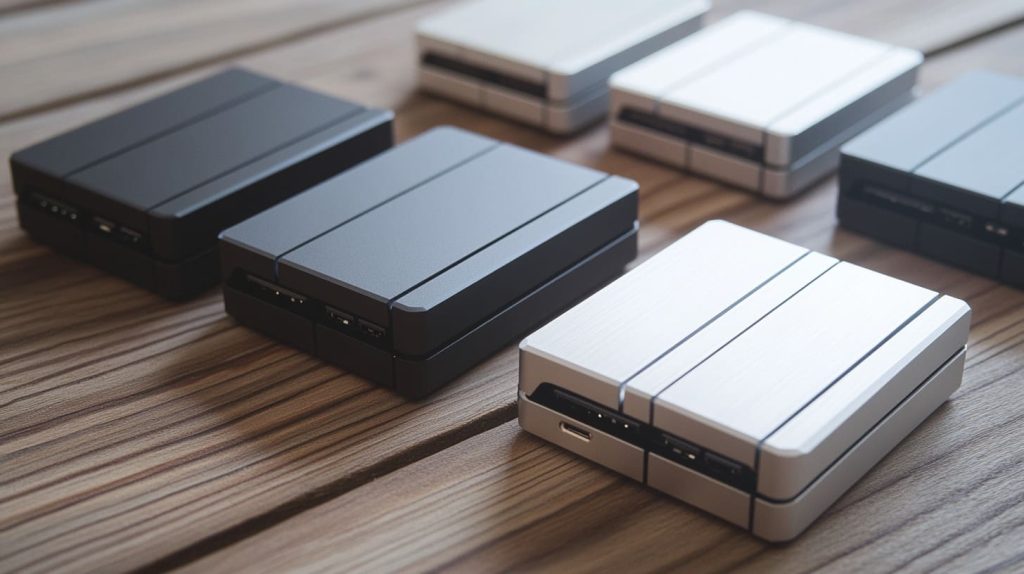
Going with a pre-made CNC machined aluminum enclosure for your Raspberry Pi will save you time and deliver dependable results. Countless users have come to appreciate the beautiful combination of strength, heat control, and style that these cases provide.
Brands with a deep history in the U.S. Prospective buyers should confirm clear warranty provisions in writing and a customer-friendly customer service process. Things like missing or confusing instructions or wrong size are not unusual! Good quality cases often come with additional features such as thermal pad, rubber feet or even LED indicator. These additions increase functionality as well as the case’s protective attributes.
Match Your Pi Model
Smart Buying Match Your Pi Model Getting the right case for your Raspberry Pi should be the easiest part. Pi 4 vs Pi 5 port layouts As you can see, the port layouts are completely different.
As a result, a case made for one will cover ports on the other. Match Your Pi Model Seek model-specific faceplates and installation checklists that ensure faceplate cutouts align with HDMI, USB ports, and GPIO pins. A well-designed checklist includes access to every single port, including the SD card slot, the power input and room for future add-ons.
Check Cooling Performance
We find that aluminum cases usually provide excellent passive cooling, with some cases reducing board temps by as much as 40°C. Choose cases that have built-in heatsinks or venting.
Considerations for airflow Efficient airflow is essential to ensuring the Pi continues to run efficiently, even in confined spaces or heavy-duty use cases such as home automation. Cooling performance Specs should list cooling features and provide real-world temp data.
Prioritize Easy Assembly
Buy smart #4: Make assembly easy Assembly quality is important. Designs that don’t require tools and come with clear assembly instructions make a difference in the process.
Some brands come complete with all required screws and hardware, while others make users search for lost items. Easy-to-assemble cases eliminate the headache, a key benefit for users unfamiliar with DIY technology.
Seek Real User Feedback
User review and crowdsource community wisdom illuminate real-world pros and cons. Places such as Reddit, Amazon, and Pi-centered discussion boards offer impartial opinions about assembly, durability, and cooling.
Only with real reviews–the good and the bad–will buyers be able to make smart, informed decisions.
Next-Level CNC Case Features
High-precision CNC machined aluminum Raspberry Pi enclosures are loaded with benefits. These features are what distinguish them from cheap, flimsy plastic shells. These cases are about more than just rugged protection.
They provide the best selection of design options and performance enhancements that excite both pro users and makers. Even though our new designs look sharp, they’re completely focused on usability, durability, and cooling. They illustrate the realities of developers taking on challenging projects in San Francisco or any other urban tech mecca.
Read on to see how key next-level features illustrate how smart engineering makes this simple case a super-reliable tool.
Built-In Heatsinks & Fins
Integrated heatsinks are one of the most prominent features seen on premium CNC aluminum cases. These integrated heatsinks, combined with pre-mounted thermal pads on the board, assist in the removal of heat from your mainboard.
Fins built into the case increase the surface area, allowing heat to dissipate more quickly and preventing dangerous temperature spikes. This is critical when doing high-performance tasks—such as having a Pi cluster or doing AI workloads—where thermal throttling would be a death knell for any necessary speed.
Other cases advertise as much as 40°C drop while under load vs no case. Models such as the FLIRC or Argon Neo perform some very cool cooling magic. Plus, they allow full access to all ports and connections!
Your Logo, Your Style
Customization goes a long way when you’re looking to make your unique build really pop. Many CNC cases now offer engraving or color choices, letting users add their logo or pick finishes.
This is especially important for makers presenting projects at maker fairs or startups presenting a new prototype at a DEMO event. Even minor custom features—anodized color options, custom branded faceplates—go a long way in making projects appear polished and one-of-a-kind.
Modular for Future Growth
A modular case design means you can swap faceplates, add expansion boards, or change cooling solutions as your needs grow. That kind of flexibility is what’s needed to ensure your setup can stay current with new Pi models or new add-ons.
Interchangeable lids and stackable layers, as featured in the Pimoroni Dev Case, make upgrades a breeze. They literally prolong the life of your investment!
Sealed Against Elements
If the CNC is going to see outdoor or heavy factory use, weatherproofing becomes essential. High-end CNC cases come with gasket sealed edges and port covers to prevent moisture and dust ingress.
This keeps sensitive electronics safe and allows the Pi to operate in more rugged environments, from smart gardens to shop floors. Ruggedized models feature thicker aluminum walls and sealed screw mounts, designed to stand the test of time in demanding outdoor environments.
My Take: Why I'm Sold

Picking a CNC machined aluminum case for your Raspberry Pi is about much more than just aesthetics and brand names. From a technical analyst’s perspective, the benefits of these advances are obvious and tangible. For strength and thickness capable of protecting hardware from impact, temperature change, or static discharge aluminum can’t be beat.
This is huge for both hobbyists and professionals. In gear-intensive urban environments such as San Francisco, equipment has to hold up to everyday use! It’s ergonomic, but most users are still going to appreciate that clean, sharp aesthetic and feel in hand. Unlike flimsy plastic cases, these cases won’t flex or flex easily.
If aesthetic is paramount and you need a setup that looks slick on a desk or shelf, go with an aluminum case. Its aesthetic even keeps up with the swag of pro-level gear!
A Project I Built
For one of my recent sensor network deployments, I went with a locally fabricated aluminum enclosure. The blank cost around $25 and produced multiple cases per bar. I did have a heat problem right away, but the aluminum’s inherent heat distribution allowed me to forego additional fans.
Pre-cut slots for ports and other mounting holes helped make setup fast and tidy. One clever feature of the case is its locking mechanism. Because it only employs one screw, the construction is surprisingly robust without the need for additional hardware.
The only fly in the ointment was the brushed finish, which looked somewhat plasticy—less like metal, more like cereal box. Regardless, the system operated for several months without a single board failure and required very little maintenance.
Invest Wisely, Enjoy Longer
Quality over quantity. It really does pay to focus on quality. Or so we think upfront, as most folks spend less on plastic. Tough metals such as aluminum or even titanium go a long way toward reducing future expenditures on repair or replacement.
Shop for cases that have a snug fit, good screws, and a sturdy mount. Using locally sourced metal can reduce the cost and allow you to adjust the design to better suit your needs.
Ready for Tomorrow's Pi
Smart case selections leave you in a strong position for future funding opportunities and upgrades. Our next-gen prototypes and some cases are compatible with current Pi as well.
Other things, such as swappable faceplates or additional space for new ports, allow the infrastructure to adapt as technology outpaces itself rapidly. In doing so, not only is there less wasted cost, but the build remains functional and current—maximizing value.
Conclusion
It’s just a no-brainer, a CNC machined aluminum Raspberry Pi enclosure. You benefit from a heavy-duty construction that helps improve durability. Get superior heat dissipation, a sleek appearance that looks right at home on your desk or in your shop. The fit is tight but not floppy or jiggly and you never have to be concerned with dents or fractures. Using all-metal construction allows chips to run cooler, helping your Pi live a longer, healthier life. If you’re in the States, there’s no shortage of stores that will carry these cases. Or, you can come up with your own design and work with a local machinist! Looking to take your Pi to the next level? Choose an aluminum enclosure. If you’ve worked with wood or plastic, you’ll notice the difference instantly. What have been your own Pi case victories or successes? Let us know your experiences in the comments.