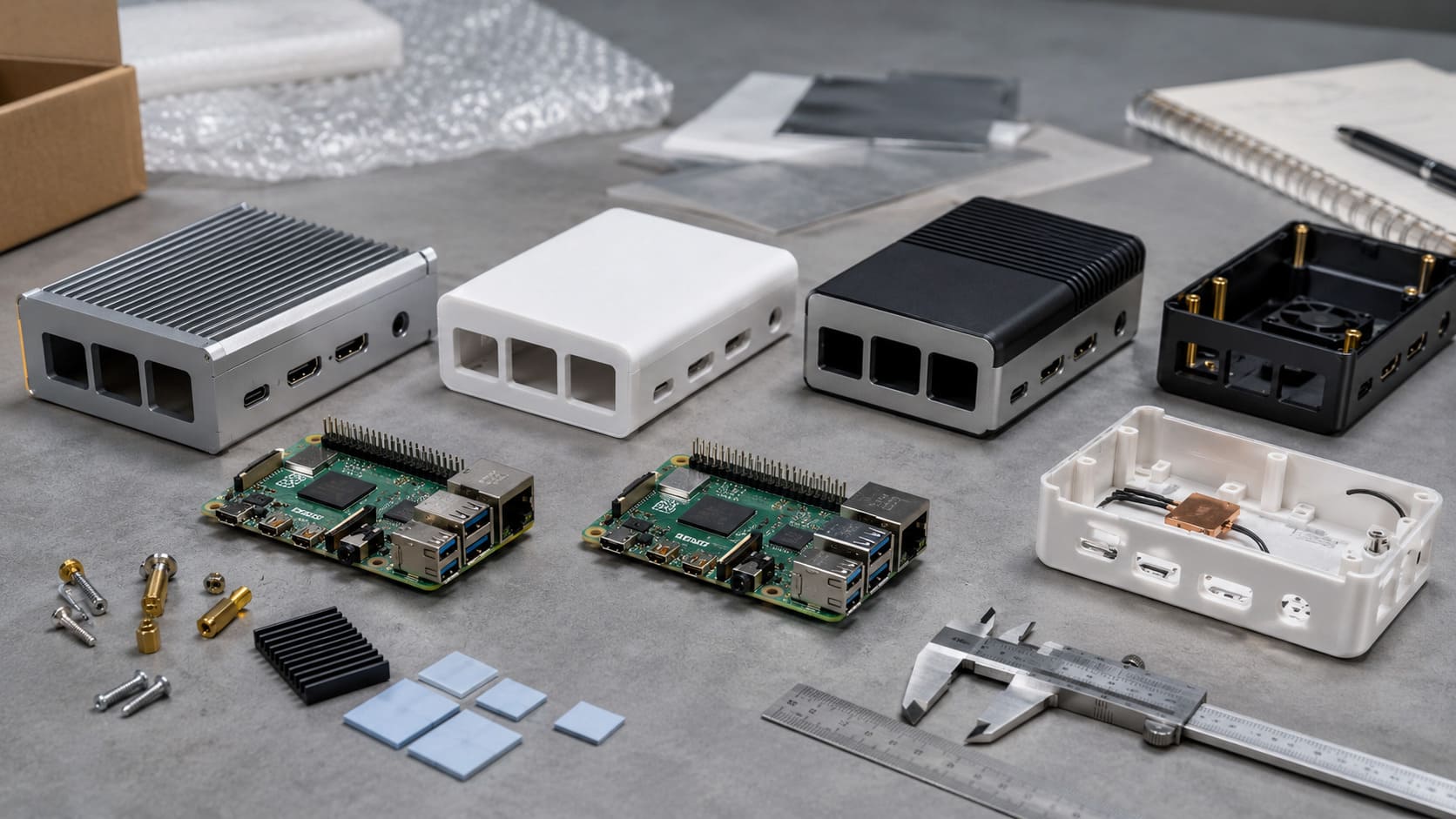
I remember the day I first held a Raspberry Pi case in my hands and wondered how it could speak volumes about both function and personality. It was a straightforward plastic shell, but in my mind, I pictured vibrant colors, smooth logos, and thoughtful design details. Over the years, I’ve learned that when we tailor these cases to our specific needs, we get more than just protection for the Pi board—we get a powerful representation of brand, identity, and creativity.
Aligning Customization with Brand and Functional Needs
Early on, I partnered with different clients who taught me that customization isn’t only about stamping a name on a lid. Sometimes it involves unique cut-outs for cables, or maybe specialized custom Raspberry Pi case supply approaches for mass production runs. By aligning function with brand, we give our products a sense of purpose and a visual appeal that resonates with both casual tinkerers and large-scale distributors.
Now, let me share why this level of customization matters so much and how it can elevate your Raspberry Pi projects in more ways than one.

Why Raspberry Pi Case Customization Matters
Balancing Aesthetics, Branding, and Practicality
I’ve often found that a perfectly balanced approach combines eye-catching designs with real-world functionality. When I started working with Davide, a buyer from Belgium, he wanted a case that felt professional yet still stood out on the retail shelf. We explored different color palettes that complemented his brand, while ensuring enough ventilation for proper heat dissipation. I realized that aesthetics do not have to be sacrificed for practicality. From my perspective, both can exist harmoniously if we think about design from multiple angles: color, brand positioning, airflow, and even user-friendliness.
Meeting Diverse Market Demands for B2B Buyers, Distributors, and Retailers
When I talk to B2B buyers, they often have a checklist of requirements: competitive pricing, fast production, consistent quality, and the ability to adapt designs for different markets. Retailers, on the other hand, want packaging that pops. So it’s not just about logos on the shell; it’s about matching the final product to the environment it will occupy—whether that’s in a sleek tech store in Europe or on an online marketplace. And I also see how re-branding can help local distributors stand out by adding distinct touches that speak to their clientele.
I hope that story shows how intricate and rewarding this process can be. Let’s move on and explore the common methods I’ve seen work wonders.

Common Customization Methods
Logo and Brand Printing
I once had a conversation with Jacky, a re-branding enthusiast who primarily sells on Amazon. He swears by distinct logos that set him apart. From my experience, these printing methods are popular:
- Silk-Screen Printing: Great for bold, simple designs with solid colors. Works especially well when you want a durable finish that can handle everyday wear.
- Pad Printing: Ideal for smaller or curved surfaces. It allows for detailed artwork without color limits, but it can be more time-intensive.
- UV Printing: Offers high-definition results. It’s perfect for intricate artwork or gradient effects. I often recommend it when brands want a premium look.
I like to compare these printing methods in a table. Let’s see:
| Printing Method | Key Advantage | Notable Drawback |
|---|---|---|
| Silk-Screen | Durable & cost-effective | Limited color detail |
| Pad Printing | Highly detailed on curves | Slower for large orders |
| UV Printing | Crisp, detailed graphics | Higher cost per unit |
Engraving and Etching
I still remember how excited lasle from Hungary was when he asked for a redesigned enclosure with a subtle, engraved company emblem. He wanted something you could feel, not just see. Here are two approaches:
- Laser Engraving: Precise and clean, ideal for metallic or hard plastic surfaces. It leaves a nice recessed mark.
- CNC Engraving: Deeper cuts, which can be filled with colored resin for an extra pop. It’s often used for more ambitious designs that require dimensional depth.
When I think critically, I see that engraving might be overkill for casual projects, but it can deeply impress customers who value an artisan touch.
Custom Colors and Finishes
One time, I saw a limited-edition Raspberry Pi case in a deep metallic red. It made me realize how powerful color can be for brand identity. Some folks choose basic ABS plastic in vibrant hues, while others go for aluminum with brushed or anodized finishes. Protective coatings, like scratch-resistant layers, add more durability. Considering the environment where the case will be used—like an industrial setting or a modern retail display—helps determine the right color and finish.
Structural Modifications
Not every Pi user wants the same port configuration. For example, Davide needed extra cut-outs for specialty cables. This can be as simple as drilling extra holes or as complex as re-engineering the entire enclosure. I also learned that adding vents or built-in heatsinks can drastically reduce overheating. So each structural tweak must balance feasibility, cost, and the final product’s usability.
Protective Overlays and Stickers
I came across a scenario where a wholesaler wanted to track inventory through barcoded stickers. Another wanted bright brand labels that could be easily replaced for various marketing campaigns. Stickers and overlays allow quick re-branding without altering the base case design. However, too many stickers can look messy. Balancing function with appearance is key.
Sometimes it takes only a few well-placed stickers to make an enclosure stand out. Let me move on to the more advanced side of customization now.

Advanced Techniques for OEM & ODM
Injection Molding for Mass Production
I worked with one major client who needed thousands of units per month. In that case, injection molding was the clear choice because it provided uniform results at scale. Molding a custom design might involve a higher upfront cost for tooling, but it pays off over large production runs. For me, it also underlines how essential it is to forecast demand accurately—no one wants to pay for tooling that just gathers dust.
3D Printing for Rapid Prototyping or Small Batches
On the other end, there’s 3D printing. I usually advise it for smaller runs or when you need a rapid prototype. I’ve seen it bridge the gap between concept and actual product without the high expense of building a mold. But I also notice that 3D printing might not yield the same finish quality as injection molding. It’s all about trade-offs—time, budget, and final product appearance.
Collaboration with Design Teams
Sometimes, I team up with creative folks who have bold visions. They might want curved edges, hidden compartments, or specialized ventilation channels. Good collaboration with design teams means openly sharing ideas, being flexible with sketches, and iterating to refine the concept. This synergy often leads to a case that feels both personal and commercially viable.
Balancing Cost, Quality, and Innovation
It’s easy to get caught in a tug-of-war between pushing the envelope on design and keeping unit costs reasonable. I’ve handled projects that started grand but had to scale down for cost reasons. My big takeaway? Define your must-have features early. Then, decide what can be adjusted if budgets or timelines shift. This helps prevent frustration and sets clear expectations.
Let me take a quick breather and shift to packaging. It might sound less exciting, but it plays a huge role in that first impression.
Packaging and Labeling Customization
Retail-Ready Packaging vs. Bulk Packaging
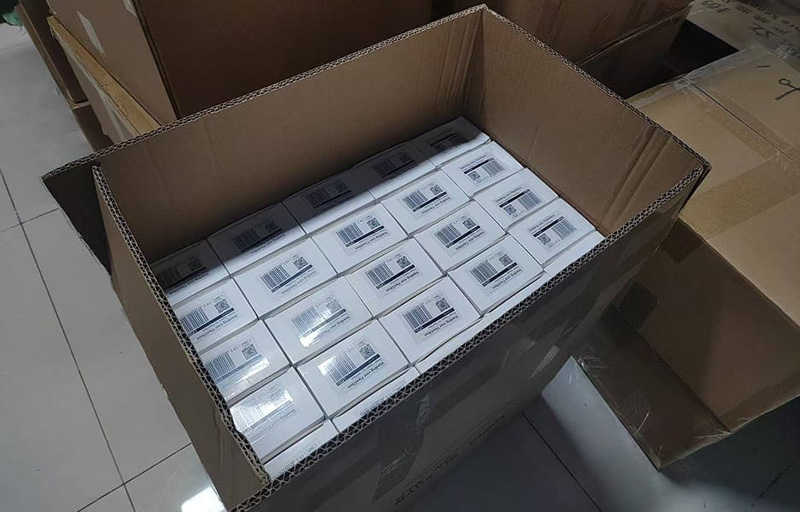
I once shipped a huge order to a distributor who wanted minimalist packaging for direct sales. Another time, I arranged lavish retail boxes with brand images and user instructions. Each approach has its pros and cons. Retail-ready packaging grabs attention on store shelves, while bulk packaging saves cost and reduces waste.
Private Label Stickers and Inserts
I recall how Davide asked for custom inserts explaining case assembly, along with brand stickers for the top of each package. Private labels let customers maintain brand consistency without fully redesigning the box. Some even add QR codes for easy customer support access. This method is flexible for businesses that need quick changes between different product lines.
Ensuring Consistency in Brand Representation
Logos, text, and color palettes must remain consistent from the case itself to the outer box. I often remind my clients that even small shifts in color shade or font style can disrupt brand identity. By coordinating with the design team and verifying each step, we keep the final package cohesive.
I like to think of packaging and labeling as the finishing touch—a neat bow on an already awesome present. Next, let’s take a look at the key factors to weigh before finalizing your custom approach.

Factors to Consider When Choosing a Custom Method
Production Volume and Budget Constraints
I typically ask about order size up front. It guides me on whether 3D printing or injection molding makes more sense. Smaller budgets and volumes favor simpler methods like pad printing or overlays, while bigger orders justify more sophisticated tooling.
Lead Times and Shipping Logistics
Clients often underestimate shipping times. Once, I had an urgent request from a European buyer who forgot to factor in transit and customs clearance. Whether you’re in North America, Europe, or Asia, plan ahead. Otherwise, you risk project delays and inventory shortages.
Quality Control and Standards
I’ve learned that different regions have different certification requirements. For instance, some customers need safety or environmental certifications. It’s important to align with these standards early so you don’t waste time reworking the final product.
Branding Consistency and Market Appeal
It’s tempting to chase trends, but consistent branding can be more valuable than fleeting novelty. I’ve seen clients integrate new design elements without straying from their existing brand identity. The key is to expand, not overhaul. That ensures you don’t confuse loyal customers or sacrifice brand recognition.
I hope these considerations clarify where you might want to focus next. Let’s bring it all together now.

Conclusion
Summarizing Key Takeaways
In my journey, I’ve discovered that customizing Raspberry Pi cases is both a practical and creative endeavor. It starts with branding and functional needs, expands into advanced design methods, and ends with thoughtful packaging and labeling. Throughout it all, balancing cost, speed, and quality is crucial.
Next Steps for Successful Customization Projects
I always suggest taking small, calculated steps: define your brand identity, choose the right customization method, and collaborate with a reliable supplier who can support you throughout the production process. By doing so, you’ll create a Raspberry Pi case that resonates with your audience and meets your project goals, whether you’re a re-branding pro like Davide or a design wizard like lasle.