Skip to content


I once felt stuck trying to make my tech projects affordable and efficient. I feared complicated setups. I discovered Raspberry Pi, and everything changed.
Raspberry Pi powers projects in education, robotics, home automation, web hosting, and more. Its small size and cost make it a favorite for beginners and experts.
I remember feeling thrilled watching a simple sensor project come to life. Now, I want to share that excitement with you.
What Are The Actual Uses For Raspberry Pi?
I used to wonder if Raspberry Pi was just a toy, but then I realized it’s a flexible tool.
People use Raspberry Pi for controlling robots, running small servers, automating homes, and teaching students. It’s a compact yet powerful solution for innovative ideas.
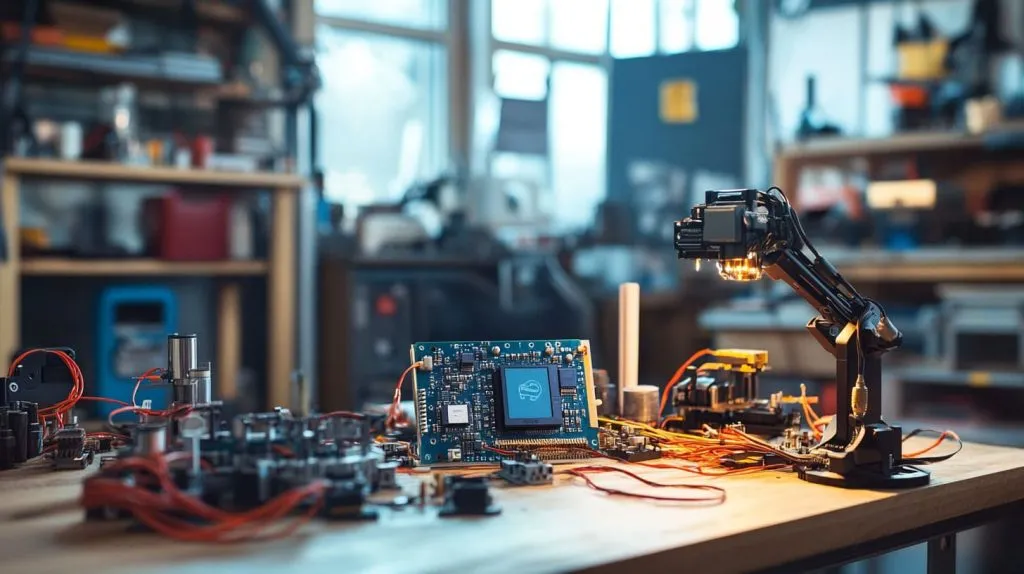
Real-World Applications
I recall setting up a tiny weather station in my backyard. It helped me track temperature and humidity. Schools use it for coding lessons. Businesses use it for quick product prototypes.
| Use Case | Why It’s Great |
|---|---|
| Robotics | Small, easy to integrate |
| Home Automation | Low power, minimal setup |
| Teaching Programming | Affordable, user-friendly environment |
What Is Better, Arduino Or Raspberry Pi?
I’ve debated this many times, especially when starting new projects.
Arduino works best for straightforward sensor tasks. Raspberry Pi has a full operating system for complex software and web-based functions. Both have unique strengths.
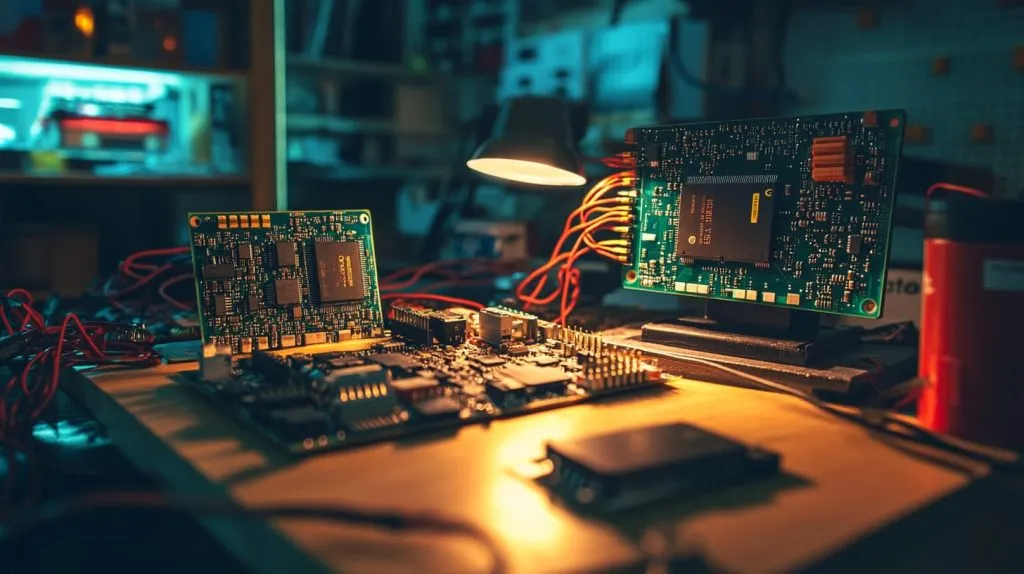
Comparing Strengths
I tried Arduino for an LED lighting system. It was fast to set up but limited in multitasking. Raspberry Pi gave me a desktop-like experience. I loved running Python scripts and a web browser on one tiny board.
Do Professionals Use Raspberry Pi?
I used to doubt if large companies trusted Raspberry Pi. Then I visited a factory.
Yes, professionals rely on Raspberry Pi for prototyping, monitoring servers, and developing proof-of-concepts. It offers reliability and community support.
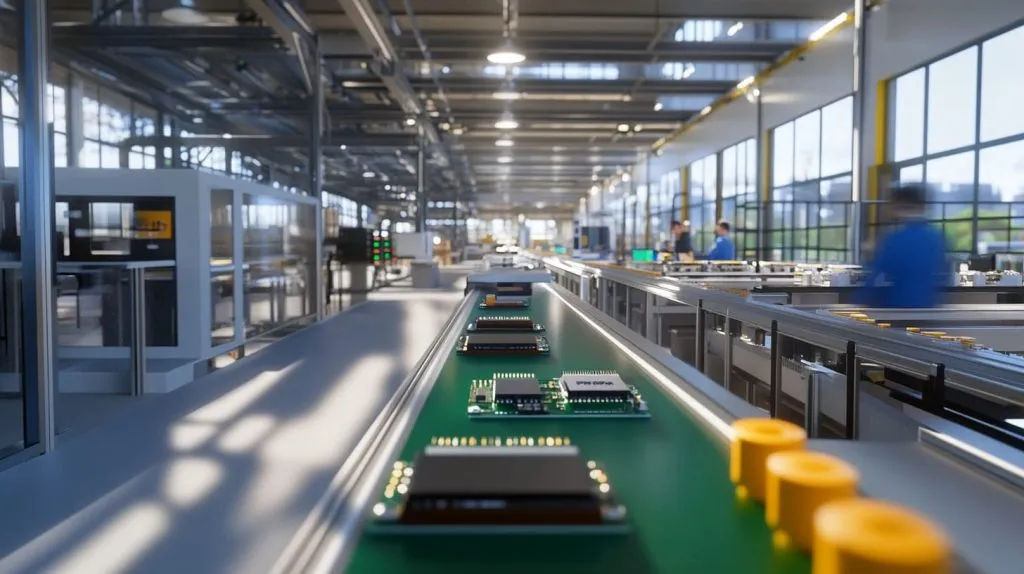
Industry Insights
I watched engineers use Pi boards to test sensor modules in a production line. They said it cut costs and saved time. They swapped different software setups without needing bulky hardware replacements.
How Is Raspberry Pi Utilized In Home Automation Systems?
I remember the spark I felt when I turned off my living room lights with a single command.
Raspberry Pi acts as the brains for controlling smart lights, security cameras, and custom sensors. It creates a central hub to manage multiple devices at home.
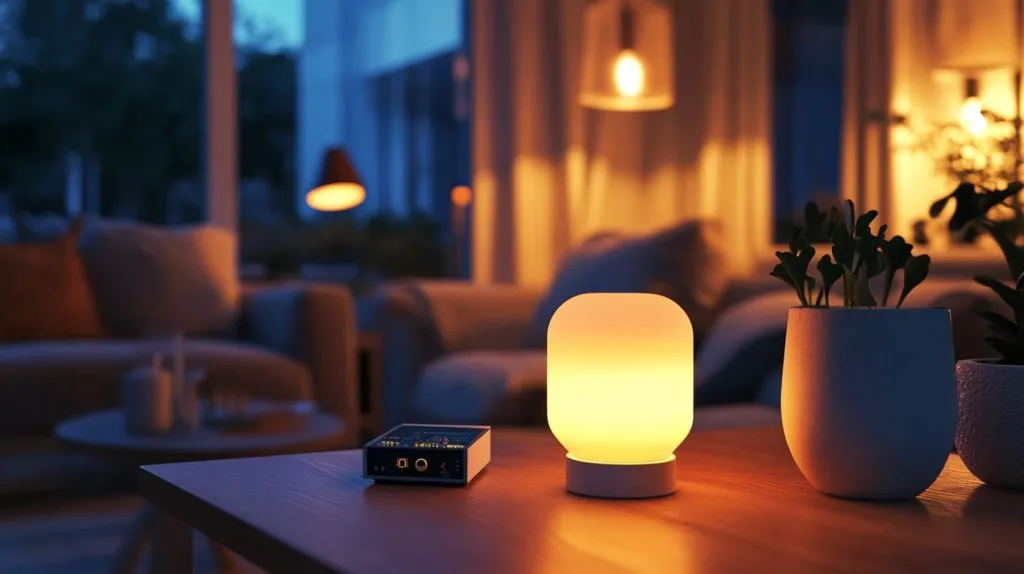
Practical Examples
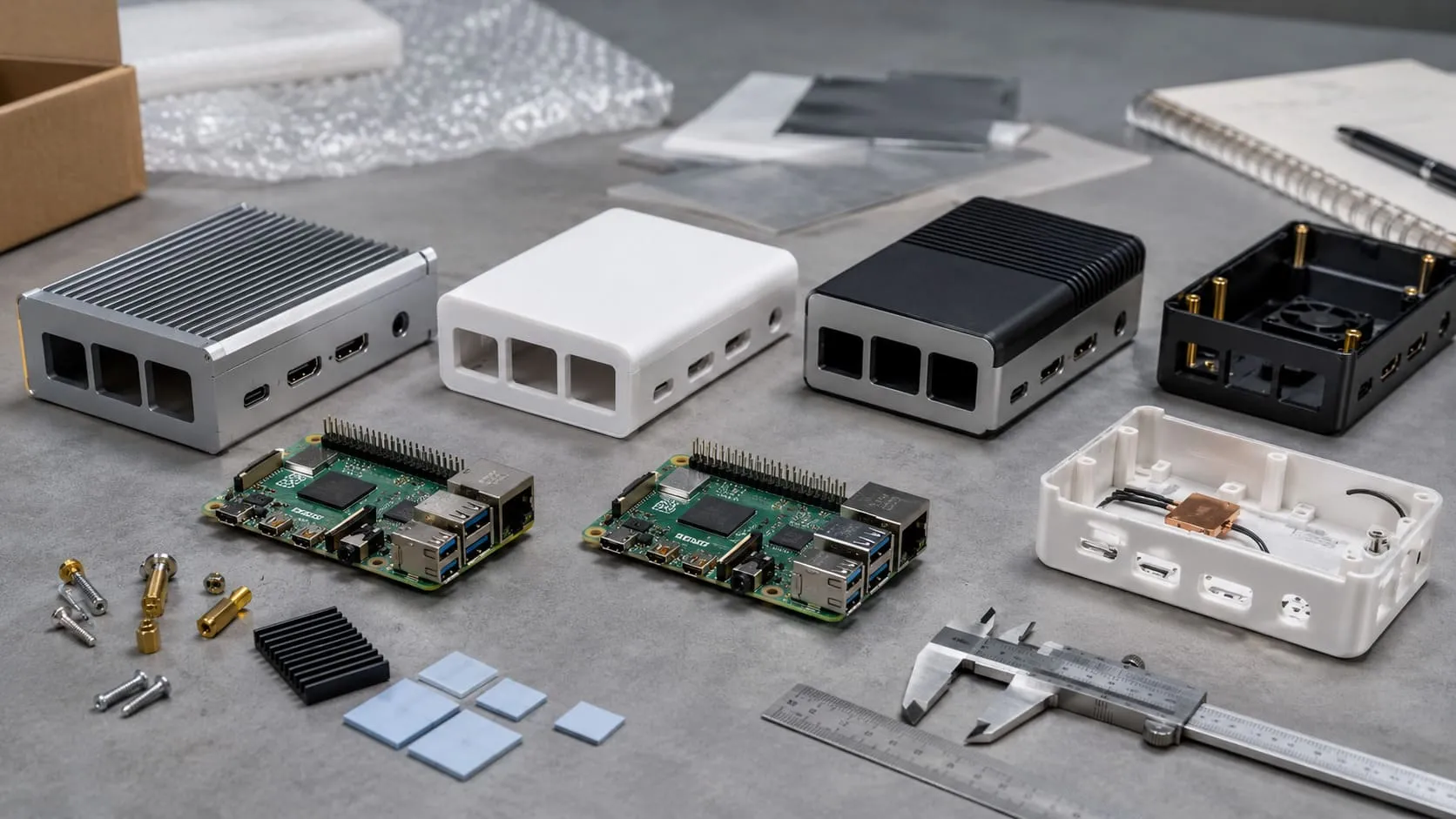
I started small: temperature control for my air conditioner. Then I added door sensors to my setup. The system was so seamless that I considered building custom enclosures to tidy up the wiring.
What Are The Educational Applications Of Raspberry Pi In Teaching Programming?
As a kid, I wished coding could feel less intimidating. That’s what Raspberry Pi brings to the classroom.
Raspberry Pi provides an affordable, hands-on environment for learning Python, Scratch, or electronics. Students see immediate results, which boosts motivation and creativity.

Teaching Benefits
Teachers often mention that students find it thrilling to connect LEDs or sensors and watch code come to life. It’s a tangible way to learn logic, problem-solving, and collaboration.
How Can Raspberry Pi Be Used To Set Up A Personal Web Server?
I wanted to host my blog without monthly bills, so I tried Raspberry Pi.
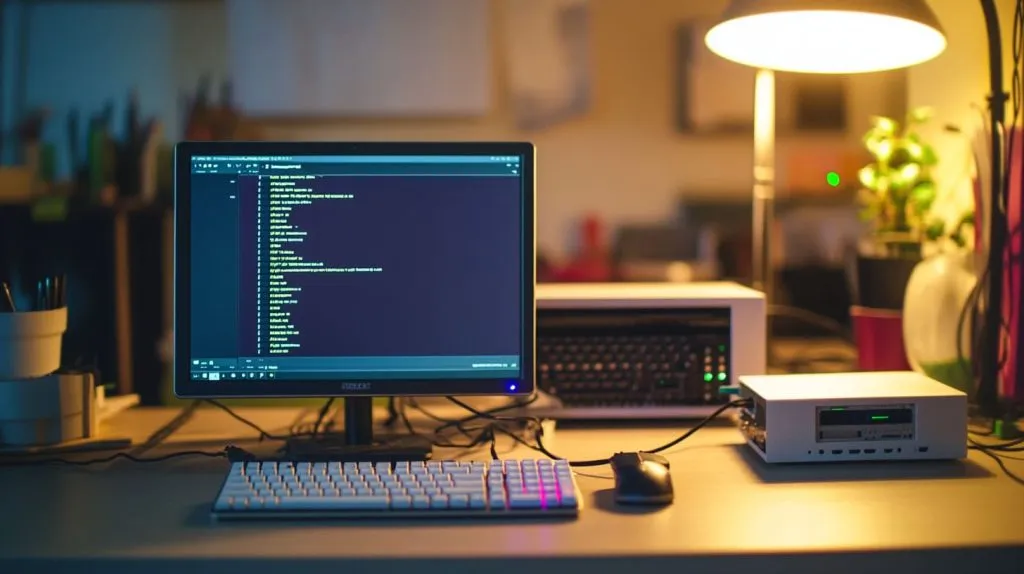
Raspberry Pi can run lightweight servers like Apache or Nginx to host personal sites or small business pages. It’s a budget-friendly way to learn server management.
Getting Started
I installed Apache, configured ports, and tested my pages. Everything ran smoothly. Later, I found a detailed guide to optimize performance for handling more visitors.
What Are Some Innovative Raspberry Pi Projects For Hobbyists?
I love tinkering during my downtime, and Raspberry Pi opens the door to endless creativity.
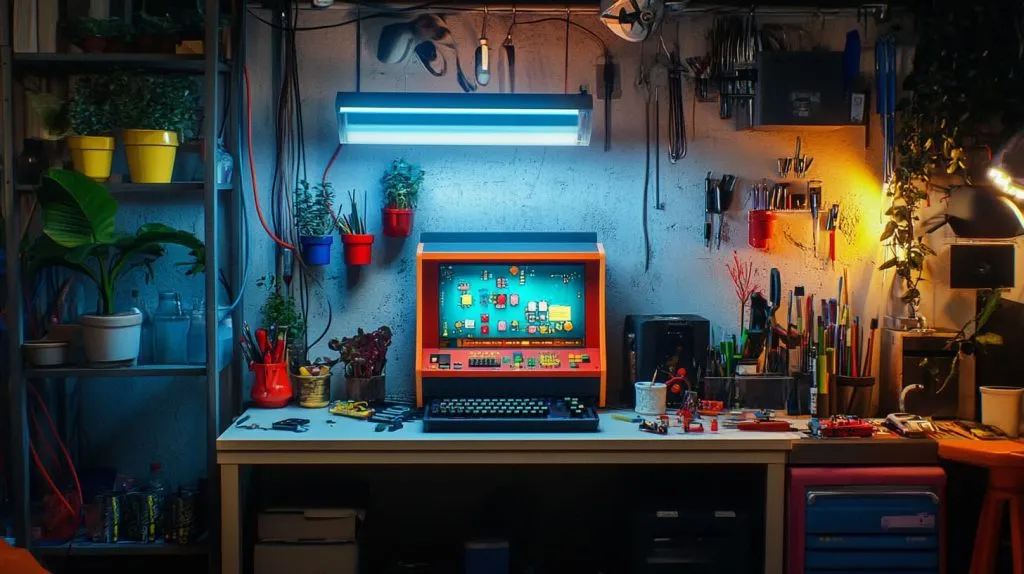
Hobbyists build projects ranging from retro gaming consoles to automated plant-watering systems. It’s a playground for experimentation and learning.
Inspiration
I tried constructing a portable media center that streams music around the house. Another friend built a robot that recognizes objects using a camera module. The possibilities feel limitless once you start exploring.
Conclusion
Raspberry Pi empowers me to turn big ideas into reality without a huge budget.