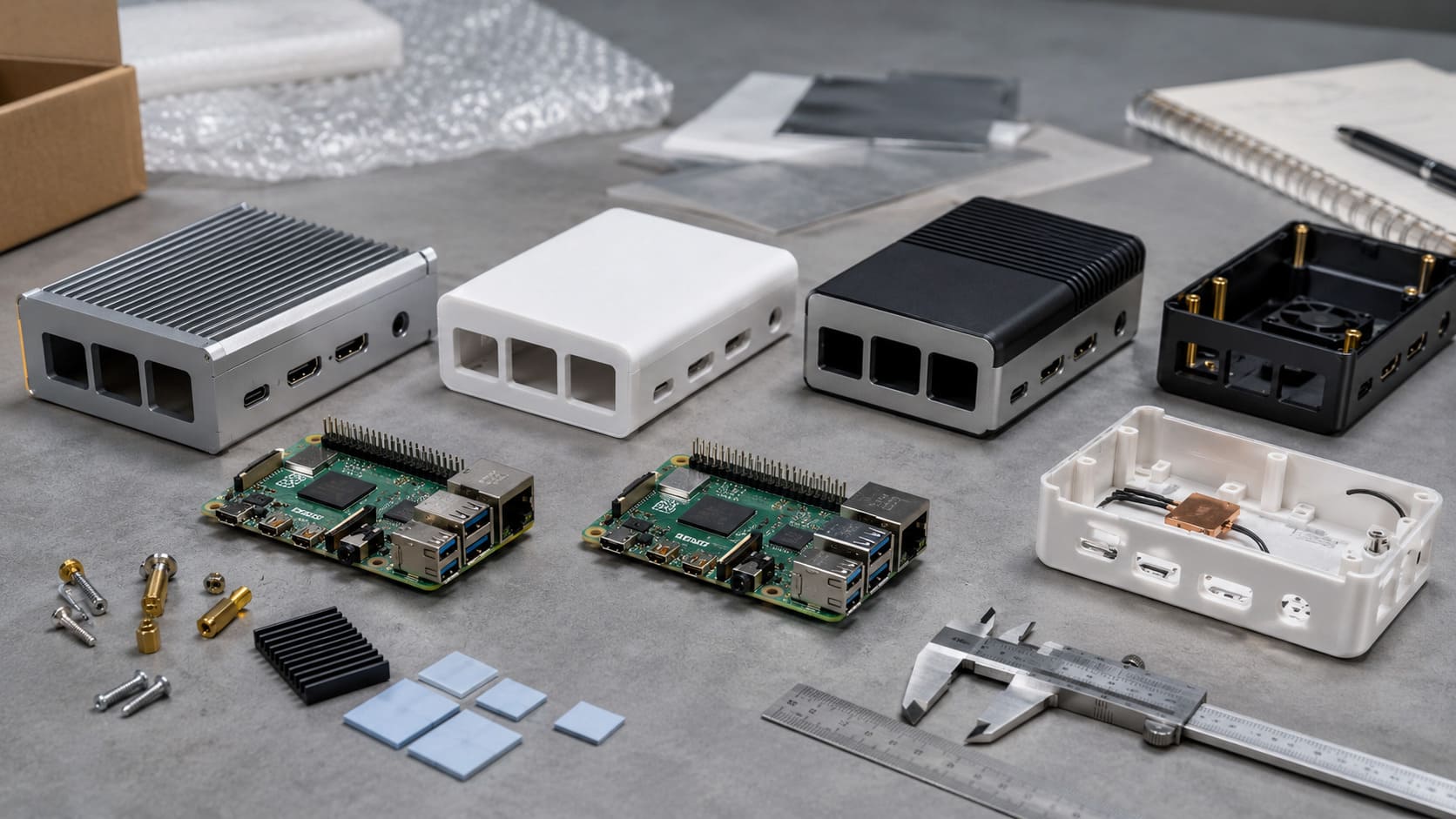
Raspberry Pi has become a household name for DIY enthusiasts and tech lovers alike. It's not just a small, low-cost computer; it’s an incredibly versatile tool that can help you build your own home PC without breaking the bank. With the rise of budget-conscious users looking for creative, cost-effective ways to get their hands on a PC, Raspberry Pi is seeing a surge in popularity for home builds.
What makes Raspberry Pi so special? It offers cost-effectiveness, customization, and a unique hands-on learning experience. Whether you're a beginner or an experienced builder, there's something exciting about creating a machine from scratch—and Raspberry Pi lets you do just that.
Why Choose Raspberry Pi for a Home PC?

Low Cost and Accessibility
One of the biggest reasons Raspberry Pi is an attractive option for building a home PC is its affordable price point. When compared to traditional PCs, Raspberry Pi costs a fraction of the price, making it perfect for those on a budget. Plus, with models like the Raspberry Pi 4 and Raspberry Pi 400, there’s something for every kind of user.
Affordable doesn’t mean you’re compromising on functionality. Raspberry Pi still delivers enough power for everyday computing tasks, all while being easy on the wallet.
Compact and Energy Efficient
Raspberry Pi is small. Really small. In fact, it's so compact that it can fit in your pocket. But don’t let its size fool you—it packs a punch for light tasks like web browsing, media consumption, and even some gaming.
What’s more, this tiny powerhouse sips on energy. With low power consumption, you won’t have to worry about high electricity bills, even if you run it 24/7.
Customization and Flexibility
Here’s where Raspberry Pi truly shines: customization. You can choose everything from the operating system and software to peripherals and accessories. Want a lightweight PC? Done. Need a media center? No problem. Need a workstation that fits your project? It’s all possible with Raspberry Pi.
Beyond just being a computer, Raspberry Pi can do everything from automating your home to being the center of your retro gaming system.
Essential Components for Building a Raspberry Pi Home PC

Raspberry Pi Board
The heart of any Raspberry Pi setup is, of course, the board itself. The Raspberry Pi 4, with its 4GB or 8GB RAM options, gives you more than enough power for your everyday computing needs. If you’re looking for something more compact, the Raspberry Pi 400 has the same power but comes with a built-in keyboard.
Key specs to consider:
- RAM: 2GB, 4GB, or 8GB options
- CPU: Broadcom quad-core ARM Cortex-A72 (1.5 GHz)
- Storage: microSD card, external SSD, or USB drive
Power Supply and Cooling
A good power supply is non-negotiable. You don’t want your Raspberry Pi crashing because of an unstable power source. Pair it with a quality power supply that matches your Pi’s needs.
As for cooling, it’s not just about comfort. Overheating can lead to sluggish performance, so consider adding heatsinks or a fan to keep things cool during long sessions.
Storage Options
For storage, your Raspberry Pi uses a microSD card. But for better performance, consider using an external SSD or USB drive for faster read/write speeds. A high-quality microSD card can also improve your system's speed and overall performance.
Tip: Avoid cheap, low-speed SD cards—they might cause your Raspberry Pi to lag or crash unexpectedly.
Peripherals
What’s a home PC without the right peripherals? You’ll need a keyboard, mouse, and monitor to get started. When choosing a monitor, make sure it has an HDMI port to connect to your Raspberry Pi. And don’t forget speakers or a webcam if you plan on using your Pi for more than just browsing.
Setting Up the Raspberry Pi for PC Use

Installing the Operating System
Setting up your Raspberry Pi is simple. For most users, Raspberry Pi OS is the best choice, but you can opt for alternative Linux distributions if you have a specific need.
- Download the OS image.
- Flash it to your microSD card using software like Etcher.
- Insert the SD card, connect the peripherals, and boot it up!
You can also install extra software for productivity—such as a web browser, office suite, or media players—so you can get right to work.
Connecting Peripherals
Once your Pi is powered on, it’s time to hook up your keyboard, mouse, and monitor. Plug everything into the USB and HDMI ports, and you're all set to start using your Pi just like any other PC.
Configuring Network and Internet Access
To access the internet, you can set up a Wi-Fi connection or use the Ethernet port for a wired connection. Don’t forget to install updates and software packages to get your Raspberry Pi fully operational.
Customizing Your Raspberry Pi Home PC Experience

Installing Productivity Software
Want to get more done with your Raspberry Pi? Install free and open-source software like LibreOffice, GIMP, or VLC to transform your Pi into a productivity powerhouse. You can manage documents, create designs, and even edit videos all from your Pi.
Media Center Setup
Raspberry Pi is an excellent media center! Install software like Kodi or Plex and transform your Pi into an entertainment hub. You can stream music, movies, and TV shows—streaming without the hassle of bulky cables or expensive setups.
Gaming on Raspberry Pi
Did you know that Raspberry Pi can handle retro gaming too? Install retro gaming emulators and relive the classics, from old-school Mario to Sega Genesis. You can also explore game streaming options for a whole new experience.
Troubleshooting Common Issues

Booting Problems
Sometimes, the Pi won’t boot. It could be an issue with the SD card or power supply. If your Pi isn’t booting up, start by checking the SD card for errors or corruption. Make sure it’s properly inserted, and if necessary, reinstall the operating system.
Performance Lags
If your Raspberry Pi starts to lag, there are a few things to check. It could be overheating, a weak power supply, or too many apps running at once. Try using a heatsink, check the power supply, and close unnecessary apps to improve performance.
Connectivity Issues
Sometimes, your Pi might have trouble connecting to Wi-Fi or Ethernet. Ensure your network settings are correct and that the Pi is within range of your router. A simple reboot often fixes connectivity issues.
Conclusion
Building a Raspberry Pi home PC is an affordable, customizable, and fun project that anyone can do. Whether you're creating a simple web-browsing machine, a media center, or even a retro gaming console, the possibilities are endless.
If you’re looking for a way to dive into DIY computing without breaking the bank, Raspberry Pi is the perfect option. So go ahead—start building your home PC today and explore the many possibilities this tiny, powerful tool has to offer!