Skip to content
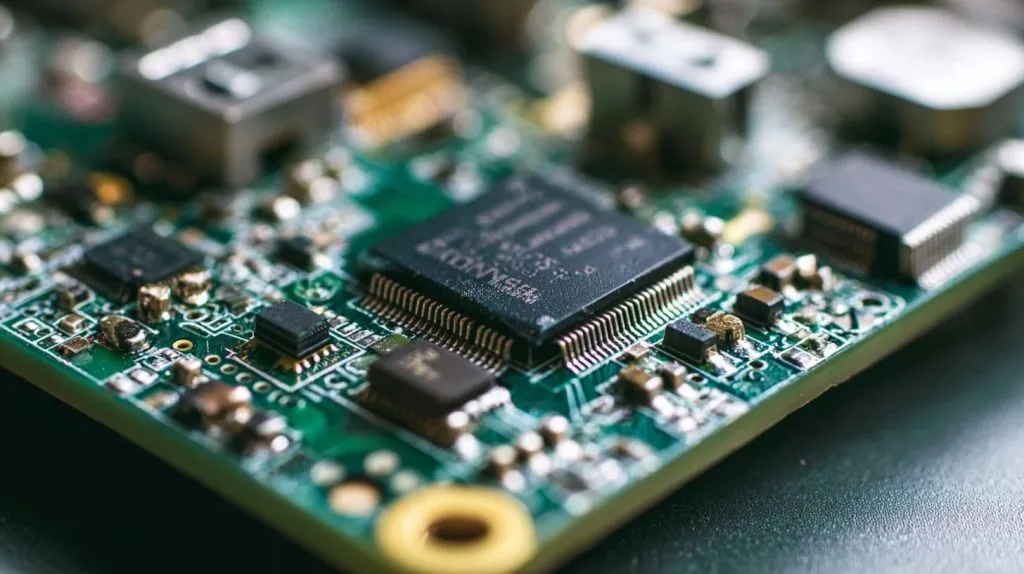
It’s tempting, isn’t it? When your Pi starts lagging or can’t handle that new camera module, you wonder: What if I just swap the CPU?
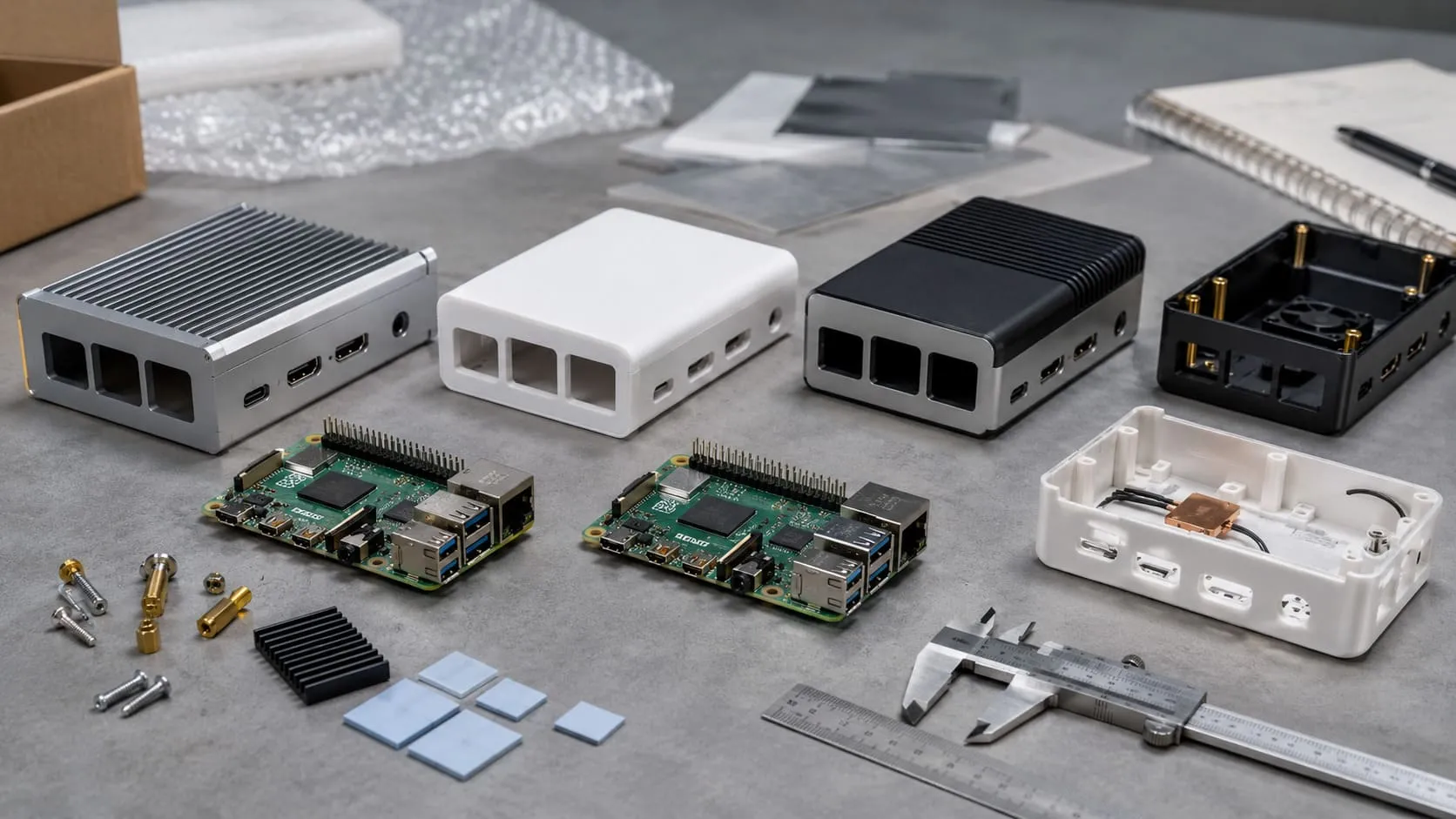
No, you cannot change the CPU of a Raspberry Pi because it’s permanently soldered to the board and integrated as part of the SoC (System on Chip).
I’ve had dozens of customers—especially engineers or re-brand clients like Jacky—ask me if we can “just upgrade the CPU.” But once we break it down, the question becomes less about hardware and more about strategy.
How to make a Raspberry Pi more powerful?
The first time I hit the performance ceiling on a Pi 4, I went straight into Google rabbit holes.
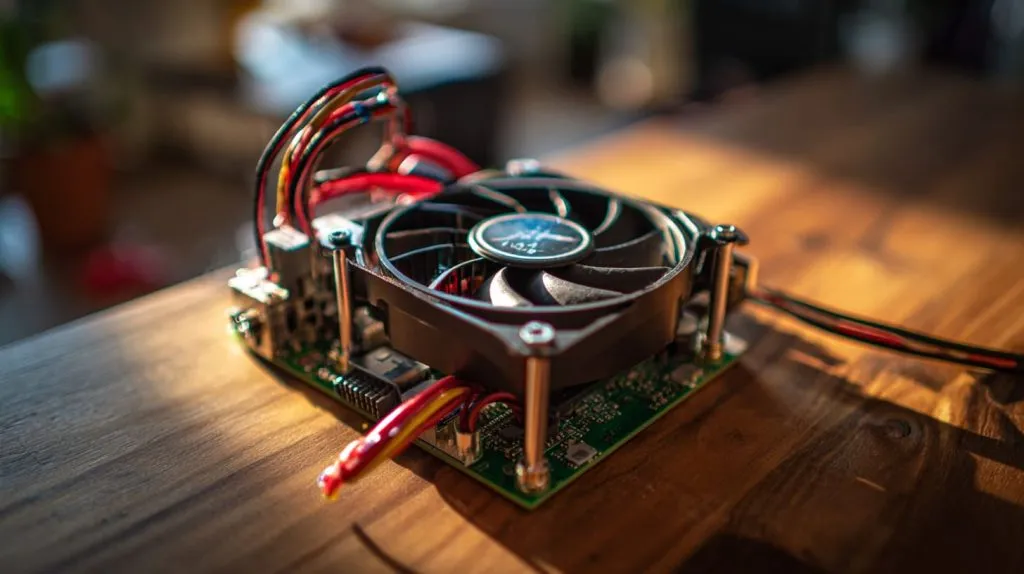
To make a Raspberry Pi more powerful, focus on overclocking, better cooling, optimized OS, or moving to a higher-tier model like Pi 5.
Options That Actually Work
| Method | Description |
|---|---|
| Overclocking | Boosts CPU speed via config settings; needs better cooling. |
| Active cooling | Fans or heatsinks reduce thermal throttling, allowing better performance. |
| Lightweight OS | Using Pi OS Lite or Ubuntu Server frees up RAM and CPU cycles. |
| Upgrade to Pi 5 | The Pi 5 has a better CPU and RAM capacity—true hardware improvement. |
| Use Compute Module | Offers more flexibility and expansion than standard Pi boards. |
Most performance gains come not from replacing parts, but from optimizing around what the Pi already offers.
Can I change my CPU without changing anything else?
This question comes up more than you’d think in tech support calls.
No, replacing the CPU alone is not possible on a Raspberry Pi, as it’s soldered and part of the board’s design.
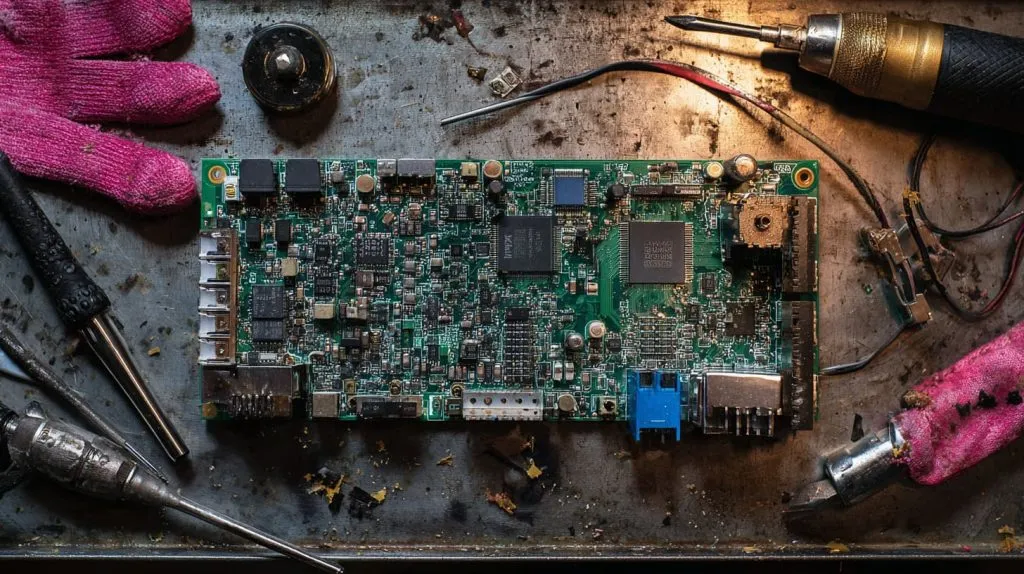
Even if you somehow manage to desolder the chip—spoiler: you won’t without damaging it—there’s no socket, no BIOS support, and no modular firmware.
What CPU is needed for 240 fps?
Let’s just say: this is where Pi fans usually hit a wall.
Achieving 240 fps requires a high-speed CPU with dedicated GPU support—well beyond Raspberry Pi capabilities.
When 240 fps Isn’t for Pi
Frame rate performance relies on:
- Sensor frame support
- CPU-GPU image processing pipeline
- Storage write speed
The Pi 5 with a fast camera and overclocking can maybe hit 120fps in some modes, but 240fps? You’re looking at industrial boards or custom embedded systems.
What will I lose if I change my CPU?
Assuming you could magically do it—what would it cost?
You’d lose board integrity, software compatibility, and almost certainly brick the system.
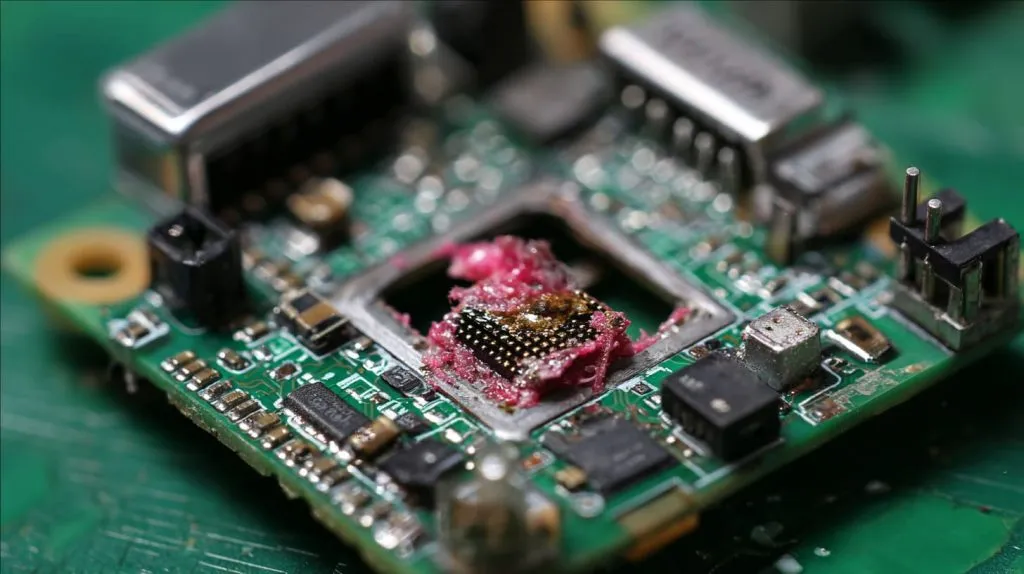
That’s because Pi boards are closed systems. The CPU is deeply tied to power design, GPU, RAM mapping, firmware bootloaders—changing it breaks all that.
Is installing a new CPU just plug and play?
I wish. Jacky once asked if we could just “pop in” a faster chip for his re-branded kits.
No, CPU replacement is not plug and play; Raspberry Pi CPUs are surface-mounted SoCs, not modular parts.
Even in the PC world, plug-and-play upgrades require socketed CPUs, BIOS updates, and thermal considerations. Pi doesn’t work that way.
Why can’t you easily upgrade the CPU or SoC on a Raspberry Pi board?
It’s by design.
The CPU in Raspberry Pi is permanently fused to the board to reduce size, cost, and power complexity.
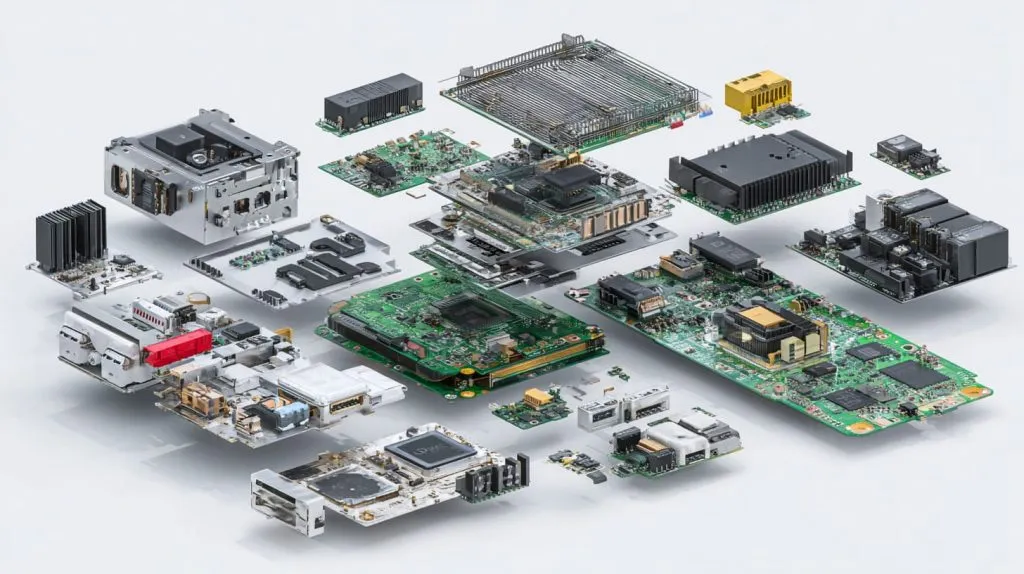
Pi was built as a low-cost educational tool. SoC integration means you get everything in one neat package—CPU, GPU, RAM—all locked in.
What technical obstacles prevent swapping the processor in a Raspberry Pi?
This isn’t just about soldering skills.
You’d face soldering issues, firmware mismatches, driver errors, and board design conflicts.
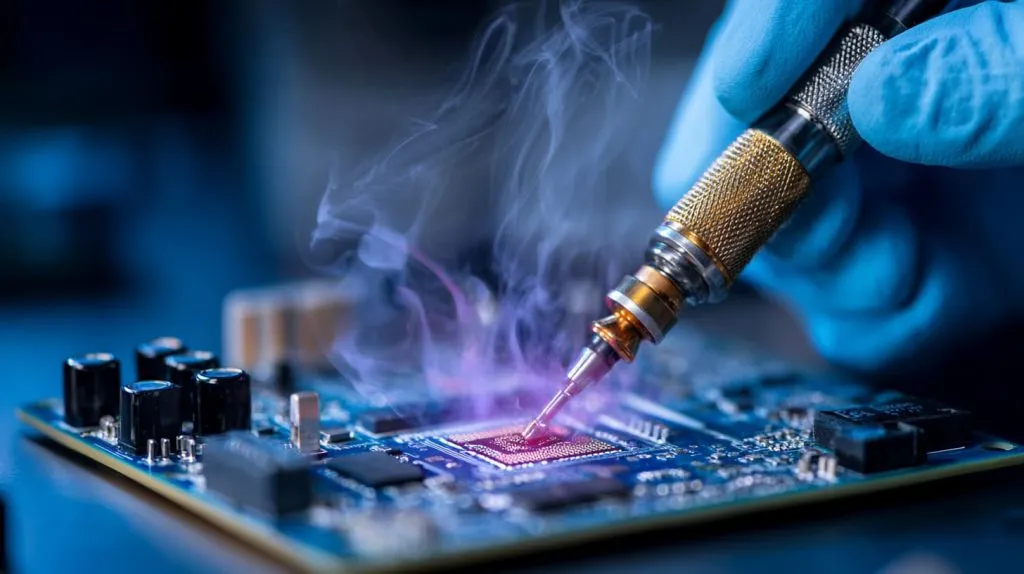
What Goes Wrong Technically
- Ball grid array (BGA) chips are almost impossible to desolder and reattach without factory equipment.
- Bootloader and firmware are mapped to the original SoC.
- Peripheral mapping (USB, camera, display) depends on the integrated chip layout.
- Power regulation circuits are tuned to the original SoC's voltage requirements.
How does the CPU‑SoC integration in Raspberry Pi boards differ from a traditional PC upgrade path?
This is where many newcomers get confused.
Unlike PCs, Raspberry Pi boards use tightly integrated SoCs, leaving no room for modular upgrades.
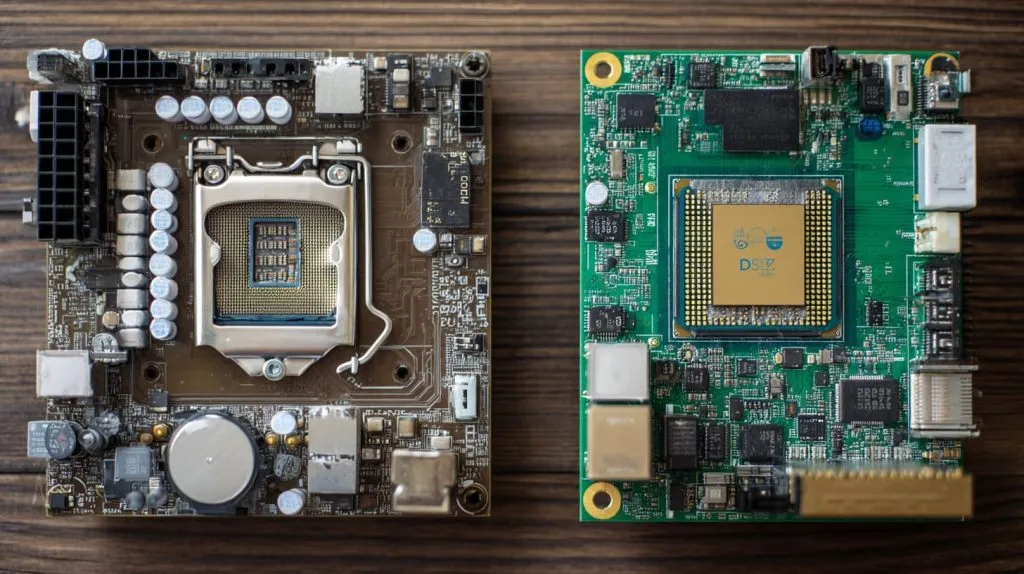
PCs have:
- Socketed CPUs
- Upgradable RAM
- BIOS with broad compatibility
Raspberry Pi boards have:
- Soldered SoCs
- Fixed RAM
- No BIOS, just bootloaders
It’s apples and oranges, really.
If you can’t upgrade the CPU, what are realistic alternatives for improving performance?
This is what I always tell Jacky and Davide.
Upgrade to a newer model, use Compute Module, or optimize software and thermal setup.
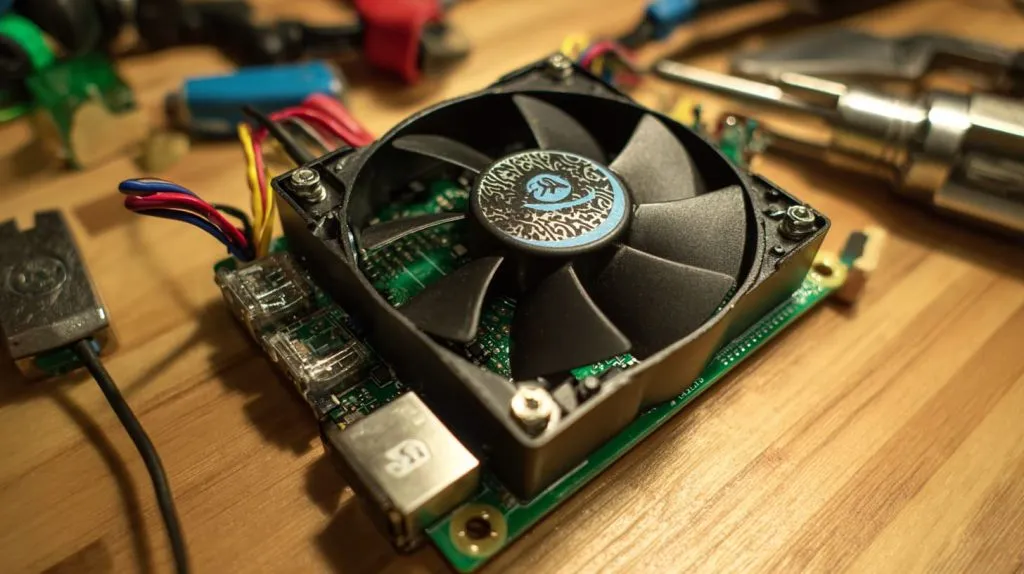
For many re-brand customers, the Pi 5 is more than enough if you pair it with:
- Active cooling
- Fast SD cards or NVMe
- Lightweight OS
- Good power supply
Sometimes we also suggest custom kits using CM4 with eMMC, depending on the use case.
For B2B buyers and custom OEM orders, what does this limitation on CPU replacement imply for sourcing Raspberry Pi‑based kits?
It shapes everything—from design to delivery timelines.
Buyers must lock CPU specs early, and plan the entire project around fixed performance limits.
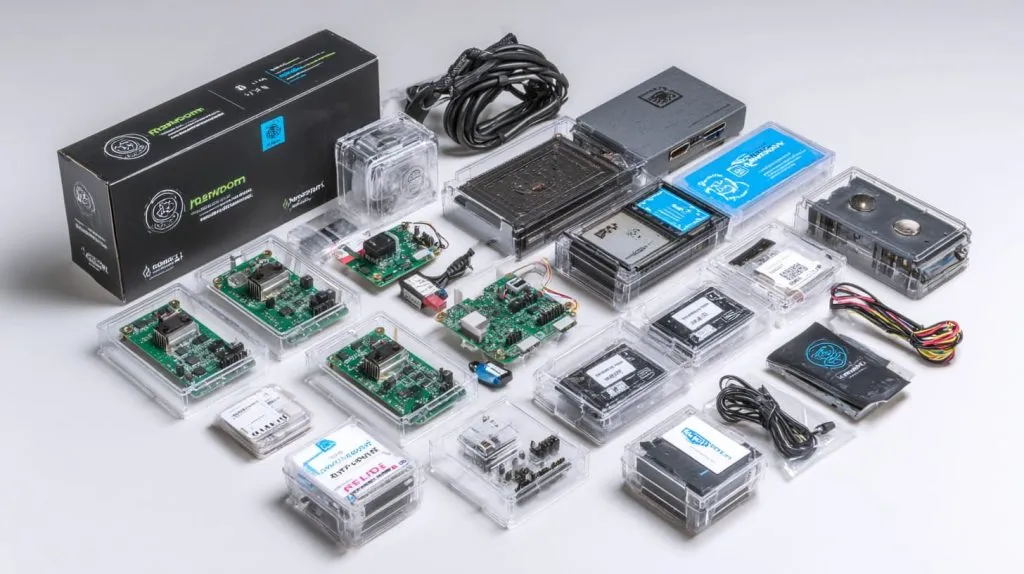
Davide learned this during a tight delivery window. By the time he wanted to switch from Pi 3 to Pi 4, we had to redesign the case, update power specs, and reprint packaging. All because of a CPU change he couldn’t actually make mid-stream.
Could a redesign or custom board (OEM/ODM) be a better route than attempting a CPU swap?
Yes—and that’s where my factory usually steps in.
If your project needs different specs, custom boards or Compute Modules offer more flexibility than Pi swaps.
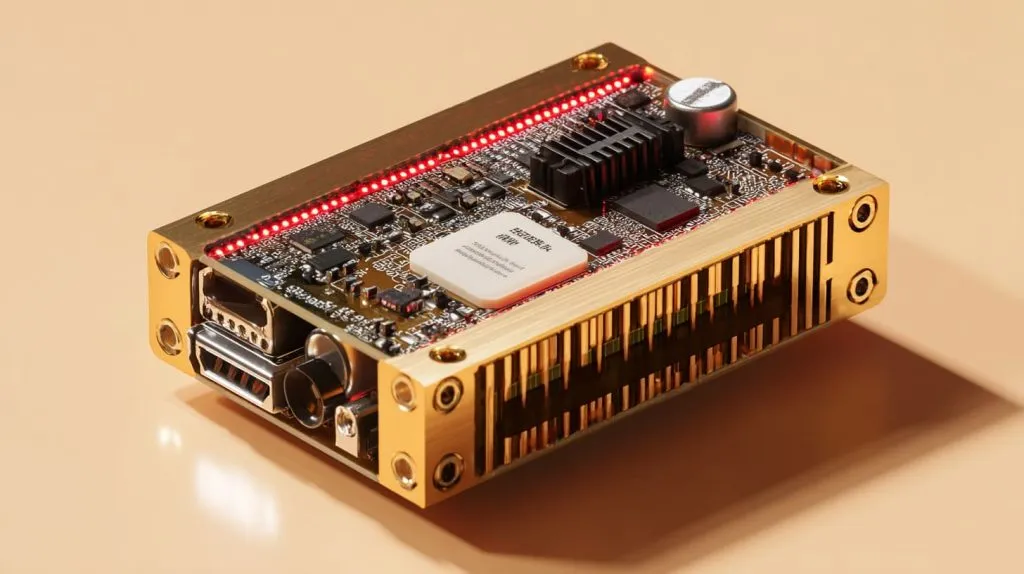
We’ve helped OEM clients redesign cases, add I/O ports, or even re-spec the thermal layout to fit CM4s into their workflows. It takes more planning, but it works.
What should you ask your factory/ supplier when you need higher‑performance Raspberry Pi kits?
Don’t just ask “Can I upgrade the CPU?”
Ask about CM4 compatibility, Pi 5 availability, power budget, and thermal limits for your application.
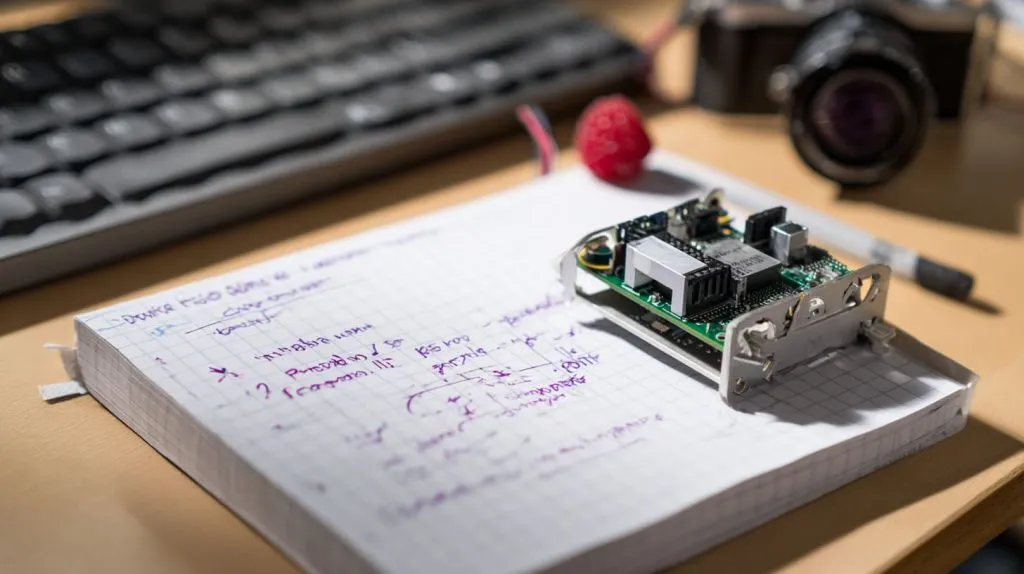
Key Questions to Ask
- Is the board layout compatible with Pi 5?
- Can we support NVMe or faster GPIO protocols?
- What is the peak power draw?
- Will the case need active cooling or ventilation holes?
- Can we change the connector positions?
Having a clear list can save weeks in back-and-forth.
How does this limitation affect aftermarket custom case and accessory providers (like yourself) when marketing “upgradeable” Raspberry Pi kits?
This is where wording gets tricky.
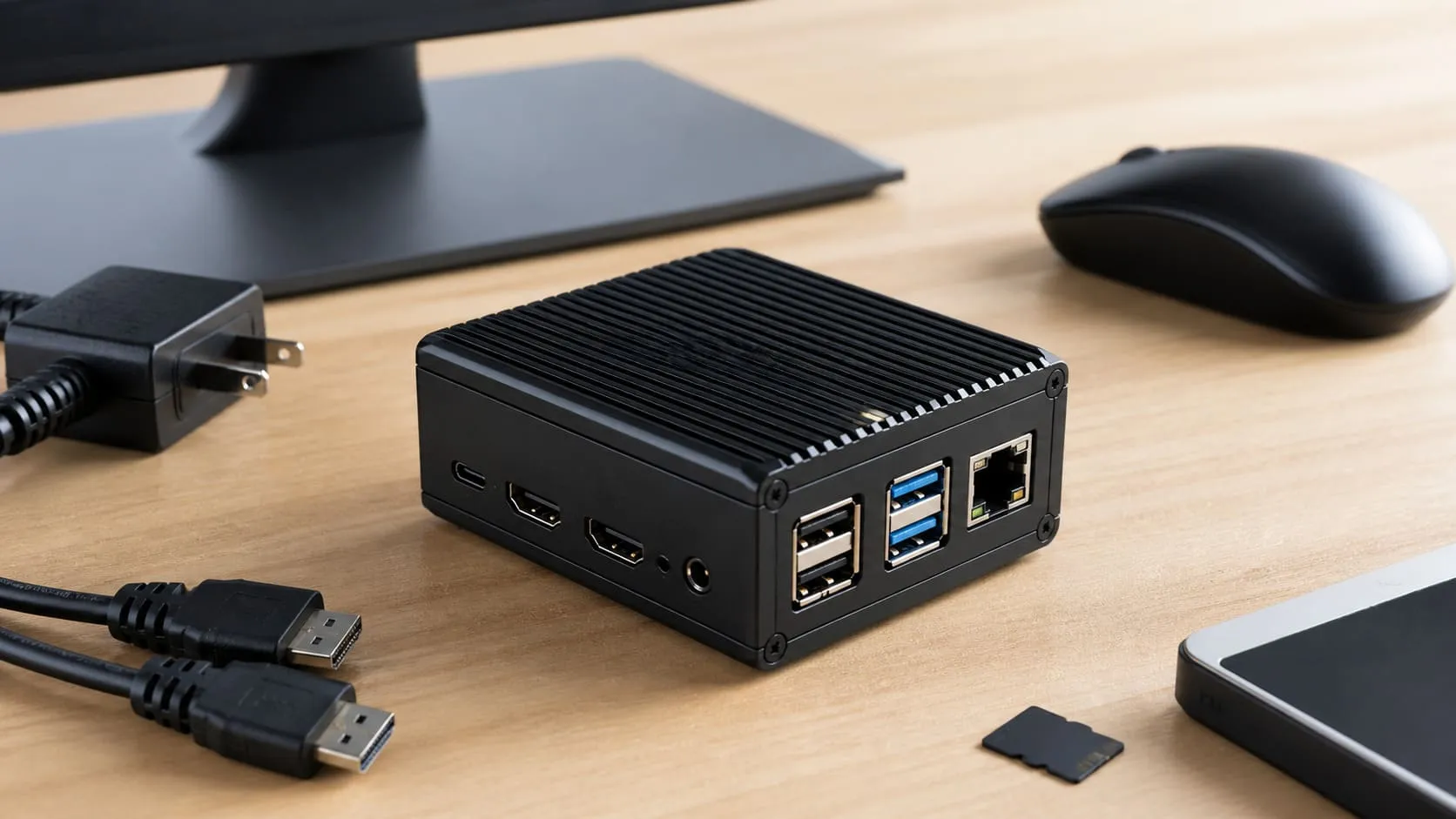
We focus on modular accessories—like storage, cooling, or displays—not CPU upgrades.
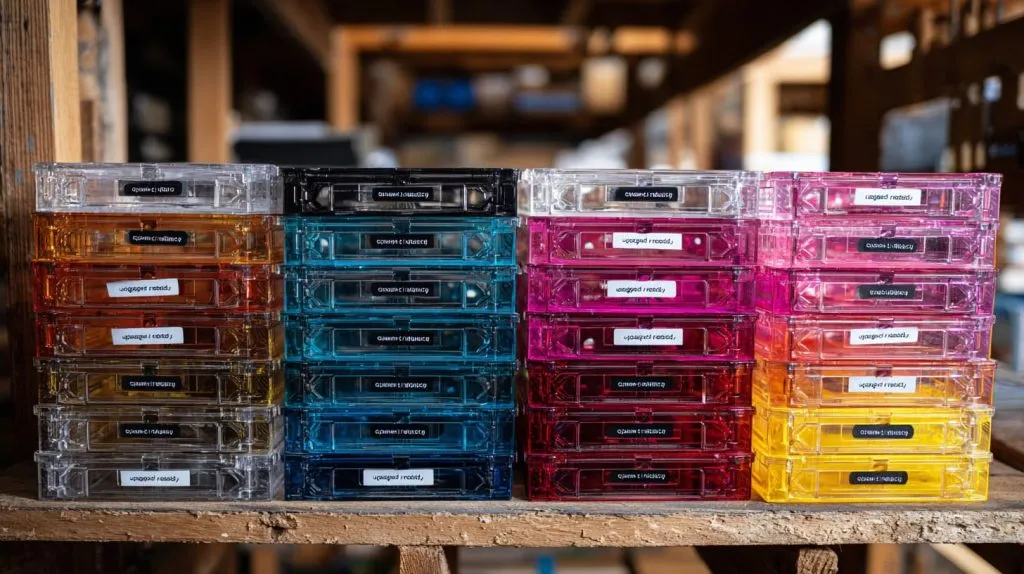
I always tell clients that our cases are “upgrade-ready” in terms of accessories, not CPUs. That’s how we avoid misunderstandings and disappointment later on.
Are there future Raspberry Pi models or variants that support CPU upgradeability, or is that unlikely?
Short answer? Unlikely.
Raspberry Pi prioritizes compact design and cost-efficiency over modularity—CPU upgrades are not part of that roadmap.
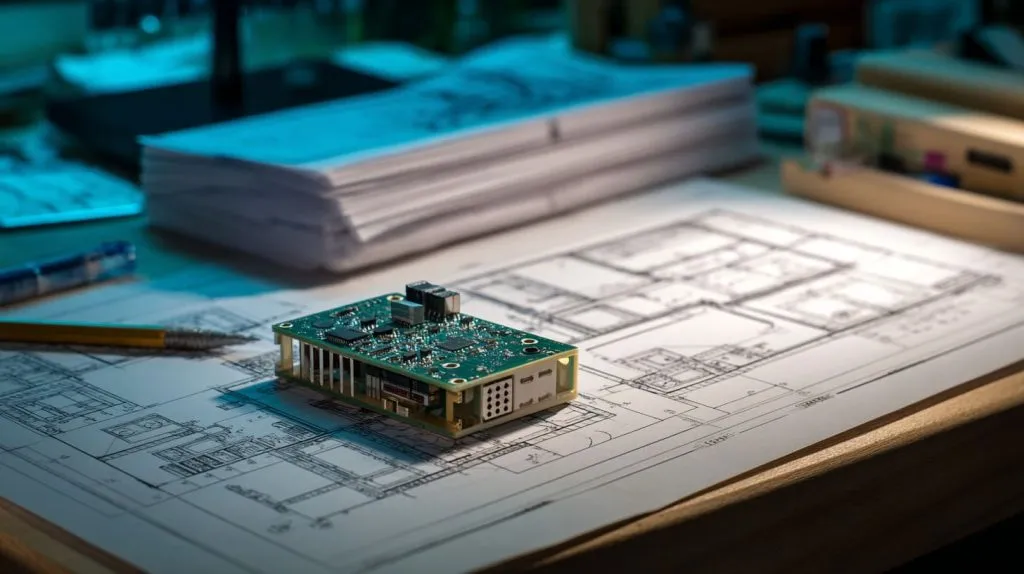
Unless the Foundation changes its strategy completely, we’re looking at fixed-SoC designs for the foreseeable future.
What should you communicate to your re‐brand customers (like Jacky) about realistic performance expectations and upgrade paths for Raspberry Pi‑based products?
Transparency builds trust. Always.
Tell your clients that Raspberry Pi performance is fixed per model, and the best upgrade path is moving to a newer board.
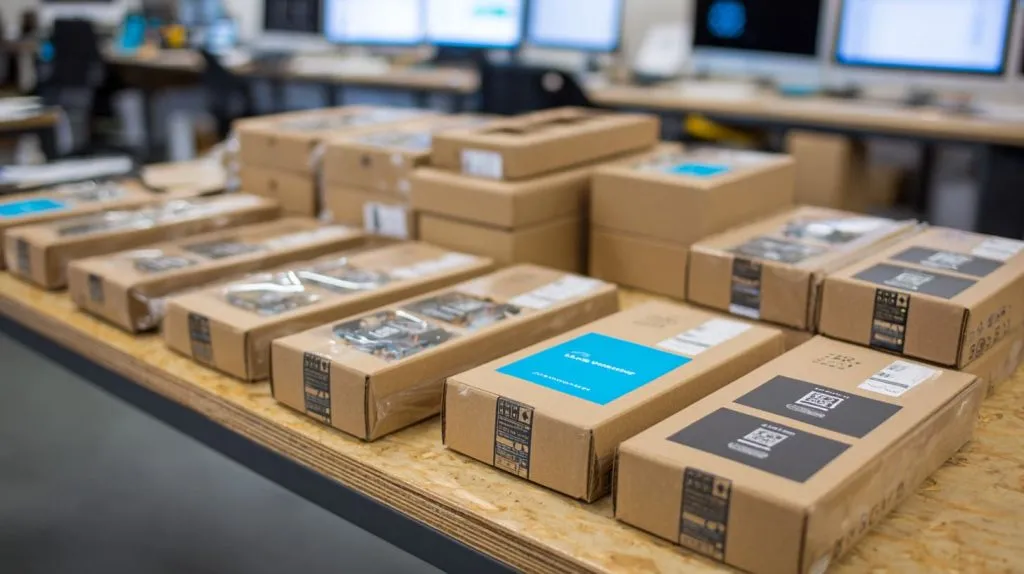
Jacky now includes this in his product listings. He lets Amazon buyers know what the Pi 4 can and can’t do—and offers Pi 5 as a premium option. That clarity has actually improved his reviews.
Conclusion
CPU swaps are a no-go—but smart planning still wins.