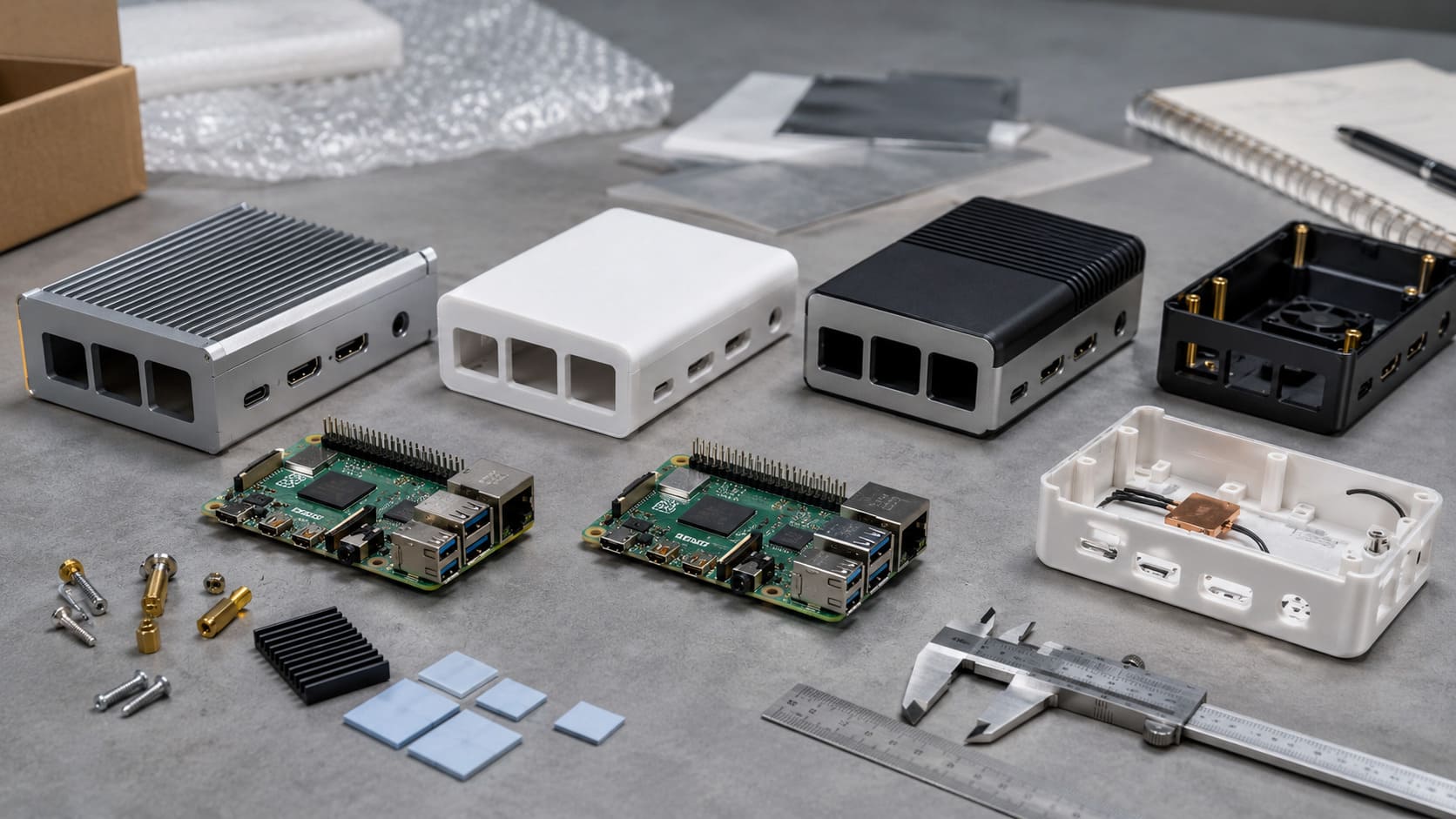
A buyer once asked me a question in a very direct way: “Why do suppliers keep talking about ARM and Raspberry Pi like they are cousins, twins, and competitors at the same time?” I smiled because I had heard that confusion many times before. Not just from beginners. Even from people who already sold Raspberry Pi accessories, built kits, or sourced cases from China.
I think this mix-up happens for a simple reason. Both words often appear in the same sentence. A Raspberry Pi uses an ARM processor. Many developers build ARM-based devices that look nothing like a Raspberry Pi. Then people start blending the two ideas together until the line gets blurry.
I have seen this in real business talks too. A customer like Jacky from Belgium may ask for a custom Raspberry Pi case with his logo. Another customer like Lasle may want a new enclosure for a board that is “ARM-based,” but not actually a Raspberry Pi. If the terms are not clear, the whole project can go in the wrong direction. The wrong case gets quoted. The wrong board size gets discussed. The wrong expectations show up in the sample stage.
That is why I want to slow this down and explain it in a very human way. ARM and Raspberry Pi are related, yes. But they are not the same thing. One is the brain design standard. The other is a complete board product built around that kind of brain.
That sounds simple on paper. In practice, it matters a lot.
Before I get into Raspberry Pi itself, I need to clear up what ARM really is, because this is where the confusion usually starts.
What Is ARM?
When I first started talking with overseas buyers about embedded hardware, I noticed something funny. Many people talked about ARM as if it were a finished product you could hold in your hand. It is not. ARM is not a board. It is not a kit. It is not a mini computer sitting on a desk. ARM is a processor architecture.
That one sentence removes half the confusion already.
ARM as a CPU Architecture
I like to explain ARM in a plain way. ARM is a kind of instruction language for processors. It tells the CPU how to work, how to handle commands, and how to process tasks. It is more about design rules than about a finished device.
A lot of people hear the word “architecture” and tune out. I get it. It can sound dry. But the idea is simple:
- A processor architecture is a design framework
- A physical chip is the real hardware built from that framework
- A board or device is the product that uses that chip
So when I say ARM, I am talking about the architecture behind many processors, not a complete product sold as a Raspberry Pi alternative.
A Simple Way to Think About It
I sometimes compare it like this:
| Term | What it really means |
|---|---|
| ARM | A CPU architecture and design standard |
| ARM chip | A real processor built using ARM design |
| Raspberry Pi | A complete single-board computer using an ARM-based chip |
This is where many blog articles lose readers. They jump too fast into technical terms and forget the reader is just trying to answer a basic question: What exactly am I buying?
That question matters.
How ARM Processors Work
ARM processors are known for using a simpler instruction set. That is why people often connect ARM with low power use and good efficiency. In many cases, that connection is fair.
Why ARM Became So Popular
ARM processors are widely used because they usually offer:
- Good power efficiency
- Lower heat compared with some other platforms
- Strong performance for many embedded tasks
- Flexibility across many products
This is one reason ARM became huge in phones, tablets, smart devices, and compact computing boards. If a product needs to do useful work without wasting power, ARM is often part of the conversation.
But I do not think people should turn this into a myth. ARM does not automatically mean “better” in every situation. It means well suited for many situations. That is different.
A processor choice always depends on the job.
Where ARM Processors Are Used
One reason people get confused is that ARM shows up almost everywhere. It is in products people use every day, but most users never notice it.
Common Places Where ARM Appears
- Smartphones
- Tablets
- IoT devices
- Smart home controllers
- Industrial control systems
- Embedded modules
- Microcontrollers
- Single-board computers
That last item matters here. Raspberry Pi is one of many platforms that use ARM-based processors. It is not the only one.
ARM Is Bigger Than the Raspberry Pi World
This is a key point I wish more buyers understood early:
ARM is an ecosystem much bigger than Raspberry Pi.
A Raspberry Pi lives inside that larger ARM world. The reverse is not true.
Major Companies Using ARM
ARM is used by many major chip and device companies. This is another clue that ARM is not one board brand. It is a much wider technology base.
Here is a simple view:
| Company or Brand | How ARM is used |
|---|---|
| Apple | ARM-based Apple Silicon processors |
| Qualcomm | Snapdragon chips |
| Samsung | Exynos processors |
| MediaTek | Mobile and embedded processors |
| Broadcom | SoCs used in Raspberry Pi boards |
When I explain this to buyers, I often see the same reaction: “Okay, now I get it. ARM is the foundation, not the finished board.”
Exactly.
And once that part becomes clear, Raspberry Pi becomes much easier to understand too.
What Is Raspberry Pi?
Raspberry Pi is something you can actually buy, hold, power on, and build with. That alone makes it very different from ARM.
I have handled many custom case projects for Raspberry Pi boards, and I can say this with confidence: when customers talk about Raspberry Pi, they usually do not mean architecture. They mean a real board, with fixed dimensions, ports, mounting points, and real use cases.
Raspberry Pi as a Single-Board Computer
A Raspberry Pi is a single-board computer, often called an SBC. That means it puts the basic parts of a computer onto one small board.
It is small, but it is still a full platform.
What Makes Raspberry Pi a Real Platform
A Raspberry Pi usually includes:
- A processor
- RAM
- Video output
- USB ports
- Storage support
- Networking
- GPIO pins for hardware projects
This is why I say Raspberry Pi is a product platform, not just a chip idea.
The Raspberry Pi Foundation created it with a strong focus on education and affordable computing. Over time, it moved far beyond classrooms. Now I see it used in retail devices, industrial demos, smart displays, testing systems, and branded kits.
Key Hardware Components of Raspberry Pi
When I quote a custom Raspberry Pi case project, I have to think about the board as real hardware, not theory. Port openings matter. Heat sink space matters. GPIO clearance matters. SD card access matters.
That is the practical side of Raspberry Pi.
Main Parts You Usually See on a Raspberry Pi Board
| Component | What it does |
|---|---|
| ARM-based CPU | Handles computing tasks |
| RAM | Temporary memory for system use |
| Storage support | Usually microSD, sometimes SSD options |
| GPIO header | Connects sensors, relays, displays, and modules |
| USB ports | Connects peripherals |
| HDMI ports | Video output |
| Ethernet / Wi-Fi | Networking |
| Power input | Supplies board power |
This is why Raspberry Pi is so useful for development. It gives people a ready board instead of making them build everything from zero.
Popular Raspberry Pi Models
Not every Raspberry Pi is the same. That detail gets ignored too often.
I have seen customers ask for “Raspberry Pi case” without saying which model. That is risky. A Raspberry Pi 4 case is not always right for a Raspberry Pi 5. A Raspberry Pi Zero project has very different needs from a full-size board.
Common Raspberry Pi Models
- Raspberry Pi 3: still used in many older projects
- Raspberry Pi 4: very common for commercial and DIY use
- Raspberry Pi 5: stronger performance and higher power needs
- Raspberry Pi Zero series: very compact and light
That difference matters in business. It affects:
- enclosure design
- cooling method
- power supply choice
- cable routing
- stock planning
A casual reader may think this is a small detail. It is not. In hardware business, small board differences create big production mistakes.
Typical Applications of Raspberry Pi
Raspberry Pi became popular because it is flexible. I have seen it used in ways that feel clever, practical, and sometimes slightly chaotic.
Common Raspberry Pi Use Cases
- Learning Linux and coding
- DIY electronics projects
- Home automation
- Digital signage
- Prototype devices
- Industrial test units
- Smart monitoring tools
- Retail demo systems
What I like about Raspberry Pi is that it lowers the entry barrier. A person with a good idea can start fast. They do not need to design a full custom board on day one.
That speed is part of its magic.
Still, that same convenience can become a limit in later production stages. And that leads naturally to the next question: why do people keep mixing Raspberry Pi and ARM together in the first place?
Why Do People Confuse ARM and Raspberry Pi?
I do not blame people for this confusion. Honestly, the hardware world often explains itself in a messy way. Tutorials simplify too much. Product pages skip definitions. Engineers assume everyone already knows the difference. Then buyers are left trying to decode a conversation that started halfway through.
ARM Is Inside Raspberry Pi
This is the biggest reason for the confusion.
A Raspberry Pi uses an ARM-based processor. So when someone says, “Raspberry Pi is ARM,” they are not fully wrong. They are just being incomplete.
The Problem With Half-True Explanations
Here is the more accurate version:
- Raspberry Pi contains an ARM-based processor
- Raspberry Pi is not the same thing as ARM
- ARM is one layer inside the Raspberry Pi system
That distinction sounds small, but it changes how people think about product choices.
If someone says, “I need an ARM solution,” that could mean many things:
- a custom embedded board
- an industrial controller
- a mobile device
- a Raspberry Pi
- another SBC like Orange Pi or Banana Pi
If someone says, “I need a Raspberry Pi solution,” that is much more specific.
Similar Usage in Embedded Systems
Both ARM and Raspberry Pi appear often in embedded system discussions. That overlap makes the language messy.
I have seen developers jump between these phrases in the same meeting:
- ARM board
- ARM platform
- Raspberry Pi
- embedded Linux board
- SBC
- development board
To a technical engineer, these may feel easy to separate. To a buyer or brand owner, they can sound almost identical.
Why This Confusion Becomes a Real Business Problem
When wording gets loose, problems show up fast:
| Confused term | What can go wrong |
|---|---|
| “ARM board” | Supplier may quote the wrong product type |
| “Raspberry Pi compatible” | Customer may expect official Raspberry Pi hardware |
| “Custom ARM case” | Case may not fit actual board layout |
| “Embedded system” | Scope may become too broad for accurate pricing |
This is not just a language problem. It becomes a project problem.
Marketing and Simplified Explanations
A lot of online content is written for speed, not accuracy. That is part of the issue too.
Many articles say things like:
- “Raspberry Pi is an ARM computer”
- “ARM and Raspberry Pi are both embedded solutions”
- “Choose ARM or Raspberry Pi”
Those phrases are not completely false, but they flatten the important differences.
Simplicity Can Help, But It Can Also Mislead
I understand why writers do this. Simpler phrasing gets clicks. It feels easier to read. But when the topic is hardware sourcing or product planning, oversimplified language creates bad decisions.
A beginner may think:
- ARM is a Raspberry Pi brand
- Raspberry Pi invented ARM
- all ARM boards work like Raspberry Pi
- software support is the same across all ARM devices
None of those ideas are safe assumptions.
And once the confusion is exposed, the next step becomes much easier: compare them directly.
Key Differences Between ARM and Raspberry Pi
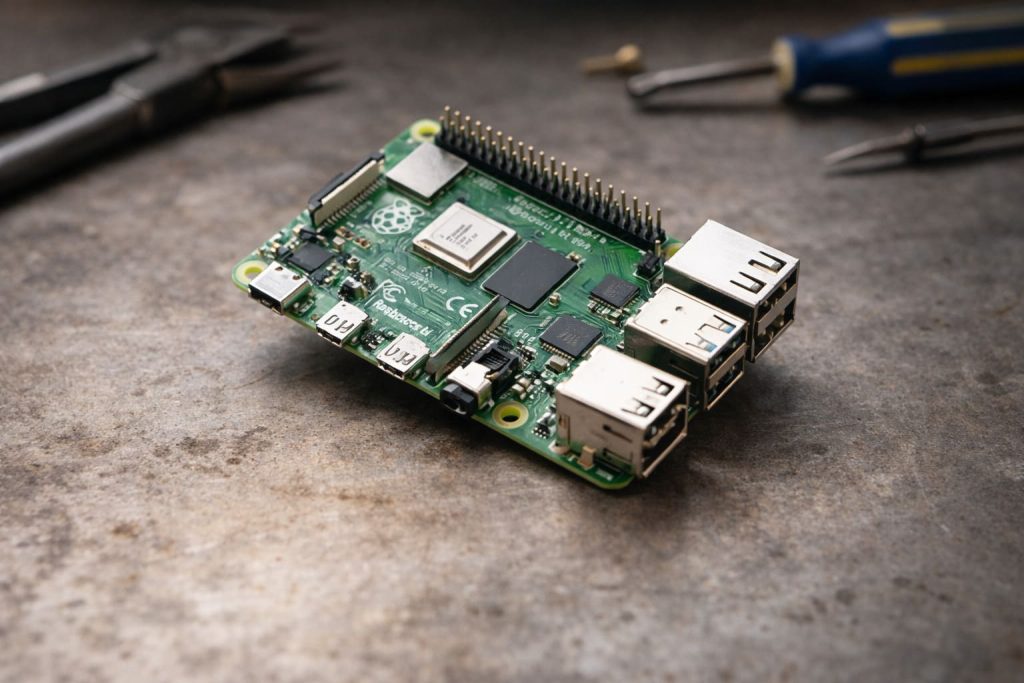
This is the part where I like to get very direct. If a reader remembers only one section from this article, I want it to be this one.
ARM and Raspberry Pi are not competing items in the same category. They sit at different layers.
Architecture vs Hardware Platform
ARM is a processor architecture. Raspberry Pi is a hardware platform built around that kind of architecture.
That is the core difference.
The Fastest Way to Understand It
| Category | ARM | Raspberry Pi |
|---|---|---|
| What it is | CPU architecture | Single-board computer |
| Layer | Design standard | Finished hardware product |
| Physical form | Not a board by itself | Actual board you can buy |
| Use in projects | Chosen as processing architecture | Used as complete computing platform |
When I explain it like this, the fog usually lifts.
Processor vs Device
ARM is about how a processor is designed. Raspberry Pi is an actual device with multiple parts working together.
This is like the difference between talking about an engine design and talking about a full car.
The engine matters a lot. But the car is more than the engine.
Why This Difference Matters in Real Work
If you are:
- writing low-level software
- choosing chip architecture
- planning custom embedded design
then ARM matters at a deeper design level.
If you are:
- testing a quick product idea
- buying ready boards
- sourcing accessories
- building a kit
then Raspberry Pi matters more as a platform.
Licensing Model vs Product Model
This point is often missed, but I think it is very important.
ARM licenses its architecture and core designs to other companies. That means many manufacturers can build products using ARM technology.
Raspberry Pi is a board product line developed and sold as a specific platform.
Simple Comparison
| Question | ARM | Raspberry Pi |
|---|---|---|
| Does it license designs? | Yes | No, it sells finished board products |
| Can many companies build from it? | Yes | Not in the same way |
| Is it one specific product family? | No | Yes |
This is why the ARM world is huge and varied, while Raspberry Pi is much more defined.
Flexibility and Implementation
ARM appears in thousands of products. Raspberry Pi is one implementation within that world.
That does not make Raspberry Pi small in importance. It just makes its role more specific.
ARM Gives Breadth, Raspberry Pi Gives Convenience
I would sum it up like this:
- ARM gives flexibility
- Raspberry Pi gives accessibility
- ARM fits deep custom design
- Raspberry Pi fits fast deployment
Still, Raspberry Pi would not exist in the way we know it without ARM inside it. So the next part is worth looking at closely.
How ARM Powers Raspberry Pi
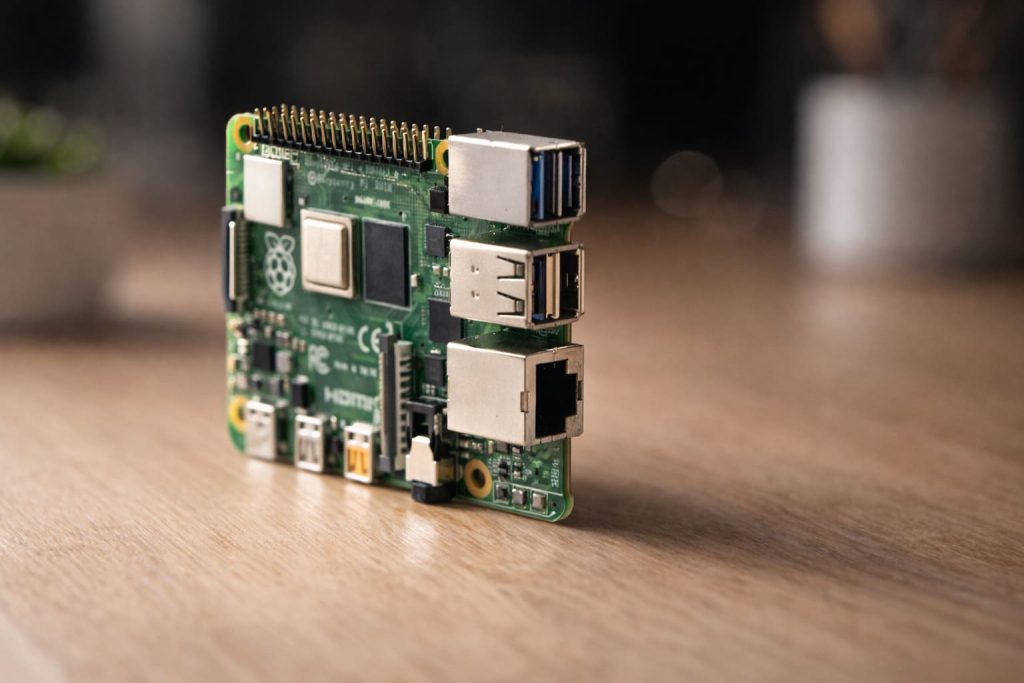
This is where the relationship becomes clearer and more interesting. Raspberry Pi is not separate from ARM. It depends on ARM-based processing. That is why people connect them so often.
Broadcom ARM Processors in Raspberry Pi
Most Raspberry Pi boards use Broadcom SoCs. A SoC is a system on chip. It combines several functions into one compact chip package.
Inside that SoC, ARM cores do the main computing work.
Why the SoC Approach Matters
The board stays compact because the system is integrated. That helps Raspberry Pi offer:
- small board size
- low power use
- lower cost
- simple deployment for many applications
For buyers and case designers, this matters too. A compact board often means cleaner enclosure design, easier cable control, and better cost control.
Example Raspberry Pi CPU Models
Different Raspberry Pi models use different ARM Cortex cores. That is why performance changes from model to model.
Here is a simple overview:
| Raspberry Pi Generation | Example ARM Core |
|---|---|
| Raspberry Pi 3 | Cortex-A53 |
| Raspberry Pi 4 | Cortex-A72 |
| Raspberry Pi 5 | Cortex-A76 |
This is useful because buyers often ask vague questions like, “Does Raspberry Pi use ARM?” Yes, it does. But the exact ARM core matters when performance, heat, and software behavior are part of the discussion.
Performance Characteristics
ARM helps Raspberry Pi balance performance and power use. That is a big reason the board became so popular.
Why This Balance Works Well
Raspberry Pi boards often offer:
- decent computing power
- manageable thermal design
- multi-core support
- good support for embedded Linux use
That said, I think people should avoid romanticizing this too much. Raspberry Pi is strong for many tasks, but it is still a compact board with limits. It is not a magic replacement for every industrial computer or every custom ARM device.
That is why comparison matters. And the cleanest way to compare is side by side.
ARM vs Raspberry Pi: Feature Comparison

Sometimes readers do not want long explanation. They want the clean version. Fair enough. This section gives that quick view, but I still want to add enough context so it does not become another shallow internet summary.
Hardware Scope Comparison
The first difference is scope. ARM is broad. Raspberry Pi is specific.
| Feature | ARM | Raspberry Pi |
|---|---|---|
| Type | CPU architecture | Single board computer |
| Developed by | ARM Ltd. | Raspberry Pi Foundation |
| Hardware Included | CPU design only | Full computing system |
| Usage | Chips in many devices | Standalone development board |
| Customization | Licensed to manufacturers | Fixed board design |
This one table answers a lot already.
Software Ecosystem Comparison
Software is another place where confusion sneaks in.
People sometimes assume that because Raspberry Pi uses ARM, all ARM devices feel the same in software. That is not true.
ARM Software Is Broad, Raspberry Pi Software Is More Focused
ARM-based systems can run many types of software environments, depending on the chip vendor and product design.
Raspberry Pi has its own more familiar software world, especially for hobbyists, schools, and many developers.
| Software Topic | ARM World | Raspberry Pi World |
|---|---|---|
| Operating systems | Many Linux variants, Android, embedded systems | Raspberry Pi OS, Ubuntu, other Linux distros |
| Development style | Can be very custom | Usually more beginner-friendly |
| Driver support | Varies a lot by board and vendor | Often easier within Raspberry Pi ecosystem |
| Community help | Broad but fragmented | Very strong and centralized |
This is a big practical point. A broader ecosystem sounds powerful, and it is, but it often means more complexity too.
A Hard Truth Buyers Should Notice
More flexibility does not always mean less pain.
A custom ARM board can be perfect for mass production. But in the early stage, Raspberry Pi may save weeks of time because the software path is smoother.
That trade-off matters.
And once we see the trade-off clearly, a smarter question appears: when should someone choose an ARM-based path instead of Raspberry Pi?
When Should You Choose ARM-Based Solutions Instead of Raspberry Pi?
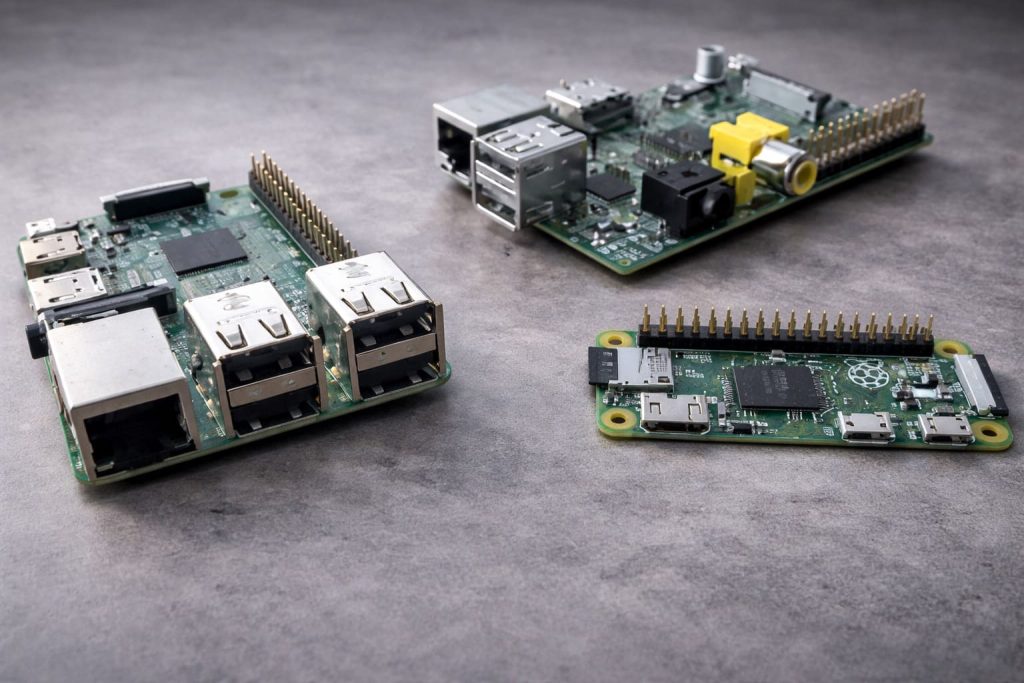
This is where strategy matters more than enthusiasm.
I have seen teams become too attached to Raspberry Pi because it is familiar. I have also seen engineers jump too early into custom ARM hardware because they want full control before the idea is even proven. Both mistakes cost money.
Custom Embedded Product Development
If a project needs a board designed around a very specific job, a custom ARM-based solution often makes more sense than a standard Raspberry Pi.
Signs You May Need a Custom ARM Path
- Unique board shape is required
- Specific interface layout is needed
- Power use must be tightly controlled
- The product must fit a special enclosure
- Long-term hardware control matters
This often happens in ODM work. A customer wants a board inspired by Raspberry Pi size or function, but the final product needs different ports, different features, or a different cost target.
That is not really a Raspberry Pi project anymore. That is a custom embedded project.
High-Volume Manufacturing
This is where custom ARM-based design can become very attractive.
If a company plans large production volume, a custom board may cut cost over time. It can remove unused features, reduce size, improve thermal design, and fit the real product better.
Why High Volume Changes the Math
| Factor | Raspberry Pi | Custom ARM Design |
|---|---|---|
| Upfront engineering cost | Low | High |
| Unit cost at scale | Often higher | Can become lower |
| Design flexibility | Limited | Very high |
| Product control | Moderate | Strong |
This is one of those moments where critical thinking matters. People love “cheap now” decisions. But sometimes the better choice is “better later.”
Performance Optimization
Some products need very specific performance behavior. Maybe they need low idle power. Maybe they need better thermal control. Maybe they need hardware tuned for one application only.
That is where custom ARM-based design has real value.
When Optimization Beats Convenience
I would lean toward a custom ARM solution if the project needs:
- tailored CPU selection
- custom peripheral design
- controlled boot behavior
- strict power profile
- long product lifecycle planning
Raspberry Pi is great for speed. Custom ARM is often better for precision.
Still, speed matters too. In fact, for many readers, speed is everything in the early stage. That is where Raspberry Pi often wins.
When Is Raspberry Pi the Better Choice?
I like Raspberry Pi most when people need movement. Not perfect theory. Not a future dream board. Real movement.
Sometimes the best hardware is the one that gets the project off the table and into the real world.
Rapid Prototyping
Raspberry Pi is a strong choice for rapid prototyping because the board is ready, documented, and widely supported.
I have seen teams spend too much time discussing custom design before testing the idea itself. That is backwards. If the idea is not proven, full customization may just be expensive guessing.
Why Raspberry Pi Helps Early Projects
- Fast to buy
- Fast to test
- Easy to power
- Easy to connect
- Easy to develop on
That is a huge advantage.
Education and Learning
Raspberry Pi still shines in education and skill-building. The learning path is easier for many people because the support community is massive.
Strong Community Is Not a Small Advantage
A board is not just hardware. It is also:
- tutorials
- forums
- accessories
- code samples
- user experience
Raspberry Pi has a strong ecosystem in that sense. A technically stronger board with weak support may still be the worse choice for many users.
Small Production Runs
This point matters a lot for re-brand buyers and small custom businesses.
If someone wants to launch a niche product, a branded kit, or a market test batch, Raspberry Pi can be a very smart base.
Why Small Batch Projects Often Start With Raspberry Pi
| Project need | Why Raspberry Pi helps |
|---|---|
| Fast market test | Ready hardware saves time |
| Low initial risk | No full board redesign needed |
| Accessory ecosystem | Easy to bundle cases, power supplies, cables |
| Branding opportunity | Cases, labels, and packaging can be customized |
This is exactly where customers like Jacky often operate. He may not need a custom motherboard on day one. He may need a branded solution that is fast, stable, and easy to resell.
Then, when the business grows, a deeper custom ARM route can come later.
And that brings up another smart question: what about the many boards that are not Raspberry Pi, but are still ARM-based?
Raspberry Pi vs Other ARM-Based Single Board Computers
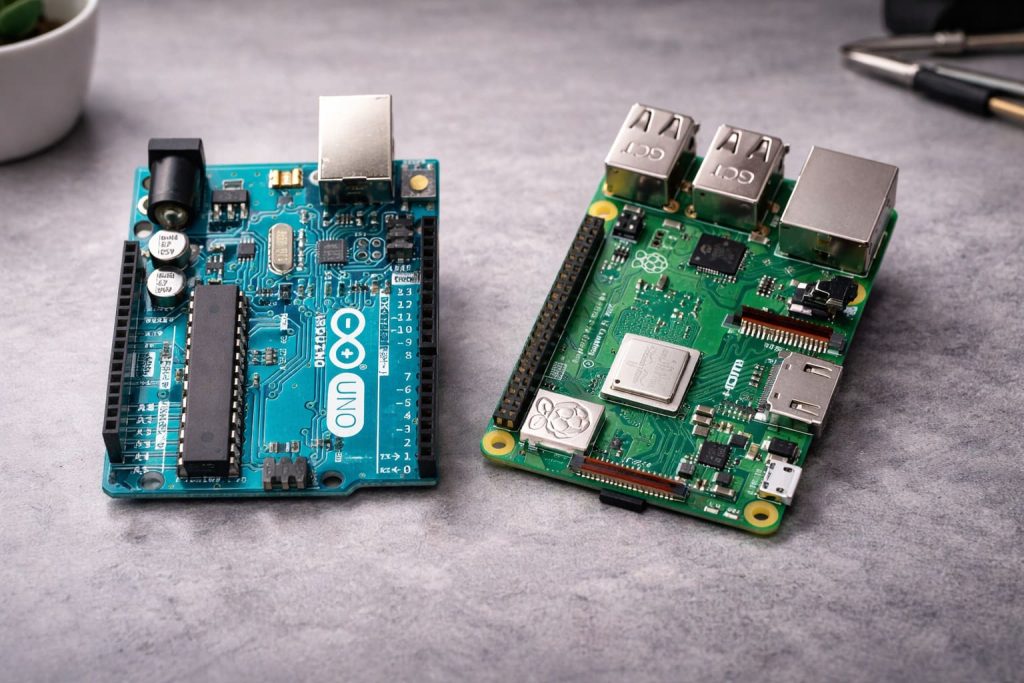
This part matters because some buyers assume the ARM world ends at Raspberry Pi. It does not. There are many ARM-based single board computers on the market.
I deal with this often because MaidaTech also touches projects related to Orange Pi, Banana Pi, and similar boards. The board may change, but many sourcing questions stay the same: fit, cooling, branding, stock, support.
Orange Pi
Orange Pi boards often come up when buyers want lower cost or different hardware options.
Where Orange Pi Gets Attention
- wider hardware variation
- often aggressive pricing
- useful for certain Linux and Android projects
But lower price is not the whole story. Documentation, software maturity, and long-term support matter too. A cheaper board can become expensive if it creates development pain.
Banana Pi
Banana Pi often gets attention in network-related or more specialized applications.
What Makes Banana Pi Different
- some models focus more on networking features
- some variants target more advanced users
- ecosystem can feel less beginner-friendly than Raspberry Pi
I think Banana Pi can be useful, but buyers should not compare only by CPU specs. Real project success depends on support, accessories, and software stability too.
Rock Pi and Other SBC Alternatives
There are other ARM-based boards too, and some offer strong performance.
What Buyers Should Check Before Switching Away From Raspberry Pi
| Factor | Why it matters |
|---|---|
| Software support | Saves time in development |
| Community size | Helps solve real problems faster |
| Board availability | Reduces stock risk |
| Accessory compatibility | Affects total project cost |
| Thermal design | Impacts enclosure planning |
This is where critical thinking really helps. A stronger spec sheet does not always mean a better business choice. I have seen people chase specs and ignore supply stability, case fit, or support quality. That usually ends with frustration.
And when hardware choices move from theory into real products, the discussion becomes even more practical.
How Businesses Use Raspberry Pi and ARM in Real Products
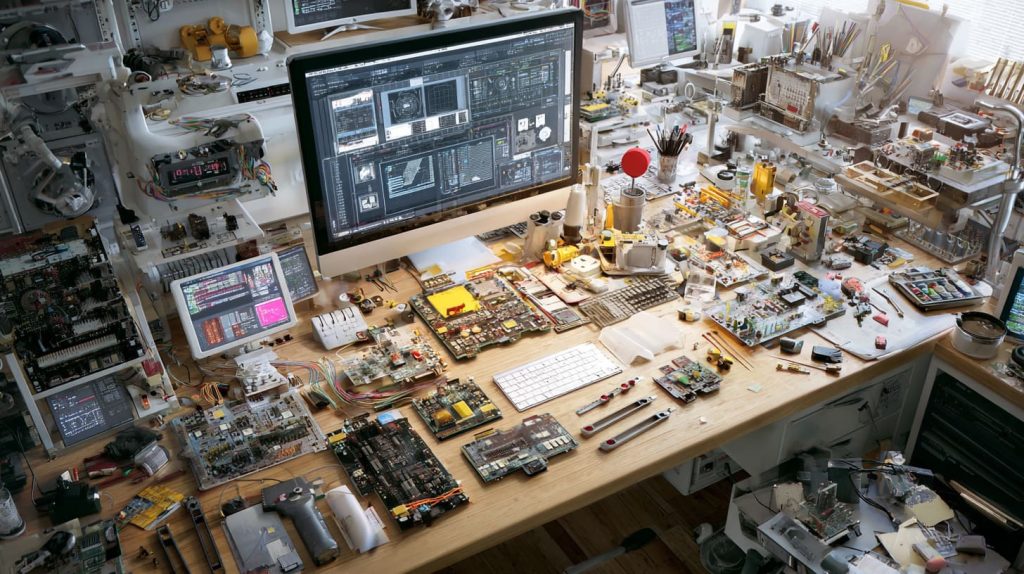
This is my favorite part because it connects the technical topic with real commercial decisions.
I do not live only in theory. I spend a lot of time around custom case projects, branded kits, OEM requests, and buyers trying to balance speed, cost, quality, and control. In that world, ARM and Raspberry Pi are not abstract ideas. They shape real product paths.
OEM and Re-Brand Raspberry Pi Projects
For many buyers, Raspberry Pi is not the final story. It is the core board inside a branded product.
I have seen customers ask for:
- custom aluminum Raspberry Pi cases
- logo engraving on the enclosure
- branded label stickers
- retail-ready packaging
- bundled power supply and cable kits
That is a very practical business model.
Why Re-Brand Buyers Like Raspberry Pi
| Advantage | Why it helps |
|---|---|
| Recognized platform | Easier for end users to trust |
| Accessory ecosystem | Easy to create bundles |
| Fast sourcing | Helps keep sales moving |
| Custom case options | Supports private label strategy |
For a buyer like Jacky, this makes sense. He already knows the local market. He wants quality, stable supply, and private-label flexibility. Raspberry Pi gives him a base platform. We help turn that platform into a finished branded offer.
ODM Embedded System Development
This is where ARM becomes more central.
A customer like Lasle may start with Raspberry Pi as a reference point. Then his project grows. He needs a similar concept, but not the same board. Maybe the port layout must change. Maybe the enclosure size must shrink. Maybe cost needs to drop in volume.
That is when the work shifts from Raspberry Pi product sourcing to ARM-based custom development.
What Often Changes in ODM Projects
- board layout
- connector position
- mounting design
- heat management
- housing structure
- firmware needs
At that point, Raspberry Pi may serve as a stepping stone, not the final solution.
Industrial Applications
I also see ARM and Raspberry Pi show up in industrial uses, though not always in the same way.
Raspberry Pi often appears in:
- proof-of-concept units
- pilot projects
- test systems
- light industrial monitoring
Custom ARM-based systems often appear in:
- dedicated controllers
- long-term embedded devices
- industrial gateways
- optimized edge computing products
The Practical Split
| Use case | Raspberry Pi | Custom ARM solution |
|---|---|---|
| Fast prototype | Very good | Slower start |
| Market test | Very good | Often too early |
| Long-term custom product | Sometimes limited | Often better |
| Tight hardware control | Limited | Strong |
| Brand-specific device design | Possible with accessories | Best with full customization |
That split is important. The better choice depends on where the project is in its life.
And once readers see that, the original question becomes much less confusing.
Conclusion

ARM and Raspberry Pi are connected, but they are not the same thing. ARM is a processor architecture. Raspberry Pi is a complete single-board computer built around ARM-based processing. One sits at the design level. The other sits at the product level.
I think this difference matters much more than people first expect. It affects how a buyer sources hardware. It affects how an engineer plans a product. It affects whether a team should move fast with an existing platform or invest in a custom embedded path.
If I put it in the simplest way, I would say it like this:
- Choose Raspberry Pi when you need speed, simplicity, and a ready ecosystem
- Choose a custom ARM-based path when you need deeper control, product optimization, and scale
For readers like Jacky, this is not just a technical definition. It is a business choice. For buyers like Lasle, it can shape the whole development route. And for suppliers like me, getting this distinction right at the start can save a lot of wasted time, wrong samples, and avoidable confusion.
If you are planning a Raspberry Pi case project, a private-label kit, or an ARM-based custom enclosure, I would always suggest one thing first: get very clear about whether you are talking about a platform or an architecture. That one bit of clarity can make the whole next step easier.
If you want, you can send me your next outline, and I will write the next full blog in the same style.