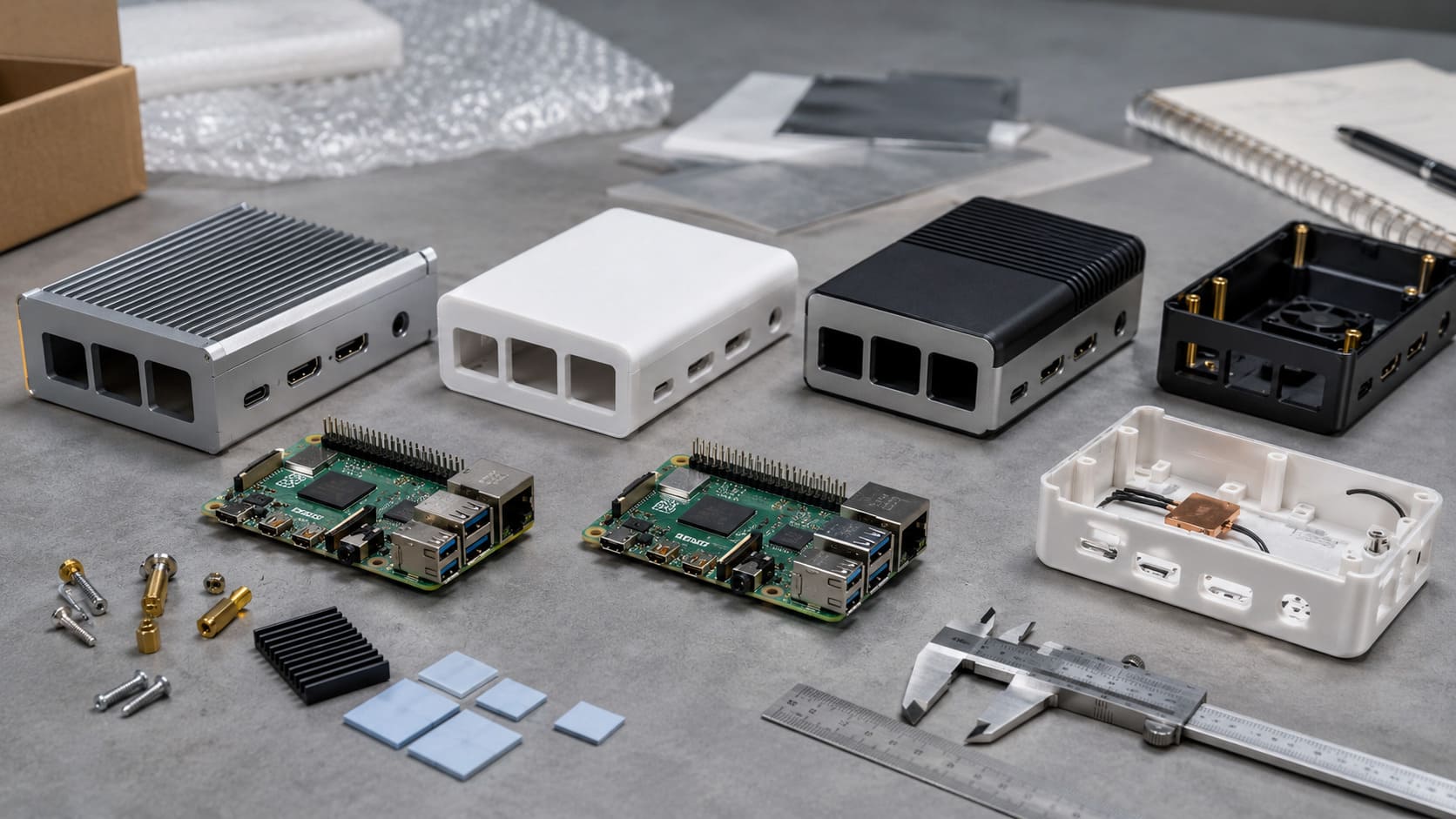
If you're considering a Raspberry Pi for your project or business, you might be wondering how well it will stand the test of time. Let’s break down what makes these little boards tick and how long they last.
Yes, Raspberry Pi boards can offer solid long-term performance, but a few factors like thermal management and usage patterns play a significant role in their longevity.
So, if you're thinking of using a Raspberry Pi for something that needs to last years, or just curious about its lifespan, let’s dive deeper into the specifics.
What is the lifespan of a Raspberry Pi?
The lifespan of a Raspberry Pi isn’t just about how long it works; it’s about how well it holds up under different conditions.
A Raspberry Pi can last anywhere from 5 to 10 years with proper care and use, but it's heavily influenced by environmental factors like heat and power supply.
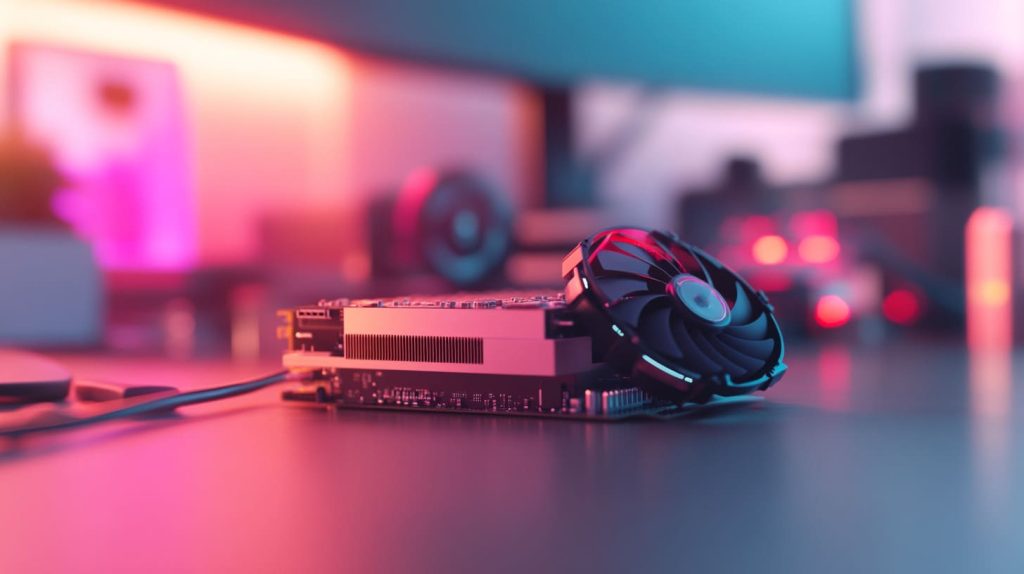
The lifespan of a Raspberry Pi can be quite impressive, but its longevity is influenced by various factors. One of the most important is how you use it. If it’s left running under high load or in extreme environments, it may wear out faster. However, if kept in a cool, well-ventilated space and not overburdened, a Raspberry Pi can easily last 5 to 10 years. For example, I’ve had my Raspberry Pi running for years without a hitch, and it’s still going strong, but I make sure to cool it properly.
How long can a Raspberry Pi run continuously?
The idea of running a Raspberry Pi continuously seems daunting, but it’s a question worth answering if you want it to be a reliable 24/7 companion.
Raspberry Pi can run 24/7 without issues, but thermal management and power stability are crucial for ensuring it doesn't overheat or become unstable.

Running a Raspberry Pi 24/7 can certainly be done, but it’s important to factor in cooling solutions like heatsinks or active cooling. I’ve used my Raspberry Pi boards in continuous projects, and while they run just fine, I make sure to have proper cooling in place. Without it, the board can overheat, leading to instability and potentially short-circuiting its lifespan. Power stability is also key—fluctuations in voltage can cause sudden shutdowns or hardware failure.
How long is Raspberry Pi good for?
"Good for" can mean a lot of different things, but when we talk about the Raspberry Pi, we’re looking at a balance of reliability and durability over time.
The Raspberry Pi is good for a variety of projects, but its usefulness will depend on what you're using it for. It can handle long-term tasks as long as it's configured properly.
If you're using a Raspberry Pi for casual home projects or for things like a media server, it could last many years. For industrial or mission-critical uses, however, it might not always be the best choice due to its lack of industrial-grade components. It’s amazing what the Raspberry Pi can do, but depending on the application, you may need to add things like power backups, better thermal solutions, and even consider more robust alternatives.
What are the weaknesses of Raspberry Pi?
While the Raspberry Pi is an incredible tool, it’s not without its limitations. Let’s look at some of the areas where it might fall short.
Raspberry Pi’s weaknesses include limited processing power, lack of industrial-grade reliability, and sensitivity to environmental factors like heat.

As much as I love my Raspberry Pi, it’s not perfect. One of its biggest weaknesses is its processing power. While it’s great for many hobbyist applications, it falls short when it comes to running heavy computations. Also, it’s not designed for extreme industrial environments. Heat can be a major issue; in fact, the Pi can shut down if it overheats, which is something I’ve encountered during long, intense projects.
Why Raspberry Pi is not used in industry?
You’ve probably wondered why Raspberry Pi isn't used more in industrial applications, considering how powerful and affordable it is. Let’s discuss why.
Raspberry Pi isn’t commonly used in industry because it lacks the robustness, reliability, and support that industrial-grade equipment demands.
The Raspberry Pi has limitations when it comes to industrial use. While it's cost-effective and versatile for personal and small-scale projects, it's not designed to withstand the high demands of industrial environments. For example, industrial setups require systems with long-term reliability, often in extreme temperatures, and with guaranteed support for years. The Raspberry Pi, although impressive, lacks the hardened components and long-term support systems of industrial hardware.
Is there anything better than a Raspberry Pi?
With all of its strengths and limitations, are there alternatives out there that could offer better performance or longer lifespan?
Alternatives like the BeagleBone or Intel NUC may offer better performance and long-term support for specific applications, especially in industrial use.
If you're looking for something more suited to industrial tasks, I’d recommend looking into alternatives like the BeagleBone or Intel NUC. These devices tend to offer more processing power, better reliability in harsh environments, and better long-term support. However, these alternatives come with a higher price tag. If you need something that’s affordable yet functional for simple tasks, the Raspberry Pi will still do wonders.
How does thermal management affect the long-term performance of Raspberry Pi boards?
One of the main contributors to Raspberry Pi's long-term reliability is thermal management. But how does it really affect performance over time?
Thermal management is crucial for maintaining long-term performance. Without proper cooling, Raspberry Pi boards can overheat, leading to thermal throttling or failure.

I've found that cooling solutions are a game-changer for Raspberry Pi longevity. The board generates heat when it’s running, and if that heat isn’t managed, the Pi can slow down due to thermal throttling. In the worst case, it could cause hardware damage. Using a heatsink or a fan can prevent this and help the Pi maintain its optimal performance even during long-term use. Thermal management isn’t just an add-on; it’s essential.
What are the best practices for configuring Raspberry Pi boards for long-term reliability?
So, what can you do to ensure that your Raspberry Pi lasts the long haul? Let’s talk about the best practices.
For long-term reliability, ensure your Raspberry Pi is housed in a well-ventilated space, equipped with a heatsink or fan, and connected to a stable power supply.
I've seen firsthand how simple adjustments can drastically improve Raspberry Pi performance over time. Placing the Pi in a ventilated area is key. Using a heatsink helps dissipate heat, and adding a fan can further ensure the board doesn't overheat. Additionally, using a quality power supply ensures that power fluctuations don't damage the Pi. These steps aren’t difficult, but they can make a big difference in performance and lifespan.
Conclusion
Raspberry Pi boards offer great performance, but long-term reliability depends on how well you manage heat, power, and overall usage. With a little care, your Raspberry Pi could last for years.