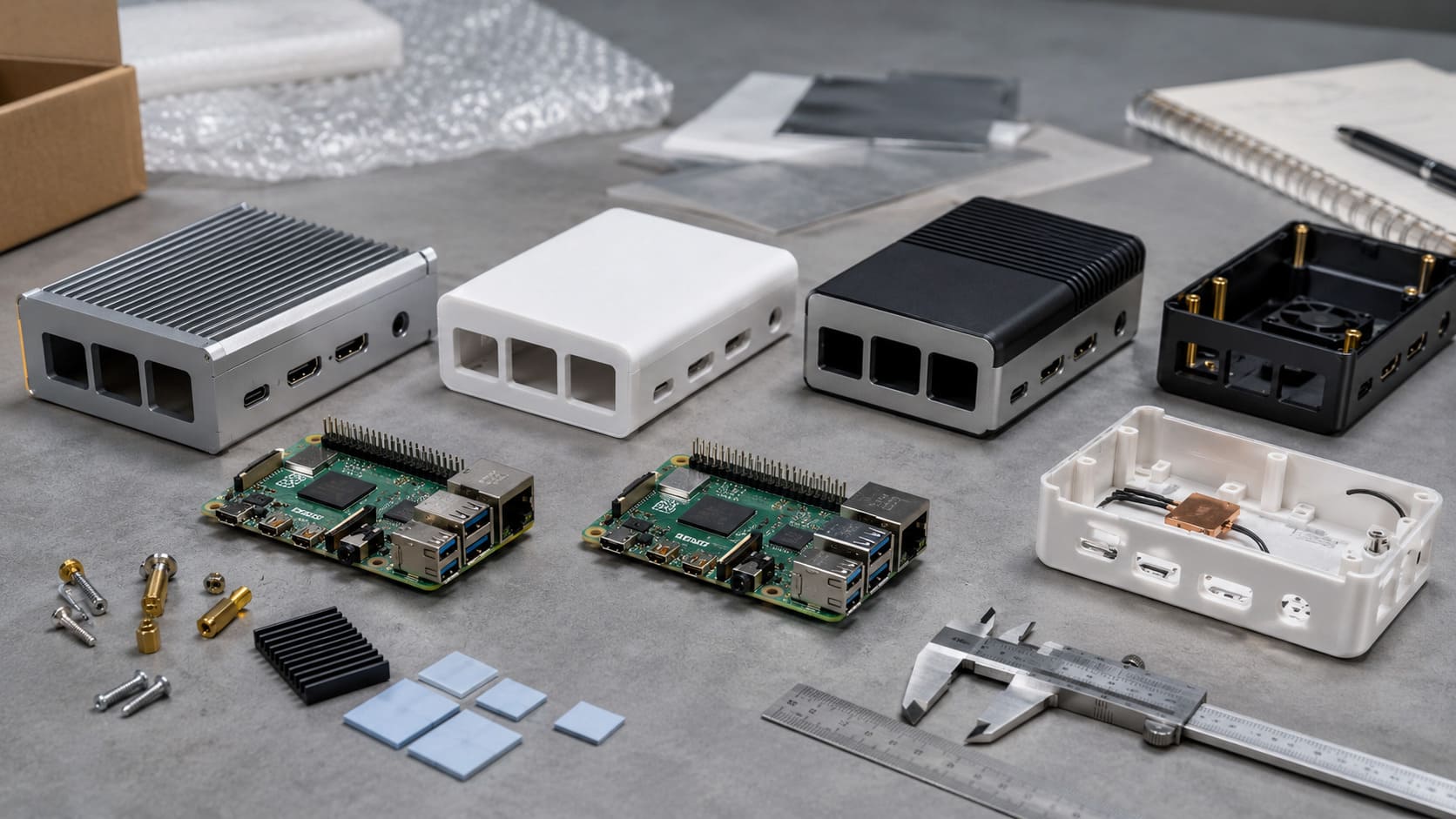
If you're working with a Raspberry Pi, you’ve probably asked yourself this question: "Does my Pi need a fan to cool down?" Let's dive into the answer and see why cooling matters.
The need for a fan on your Raspberry Pi depends on its workload, usage, and temperature. It’s not always necessary, but in some cases, it’s a must for stable performance.
Transition paragraph: Now that we've touched on the basics, let's explore the different cooling options and when they come into play. From passive to active cooling, there are several factors to consider.
How Do I Cool Down My Raspberry Pi?
Cooling your Raspberry Pi might seem like a challenge, but it’s easier than you think. Let’s look at the ways you can keep things running smoothly.
You can cool down your Raspberry Pi by using heatsinks, fans, or a combination of both, depending on how you use it.
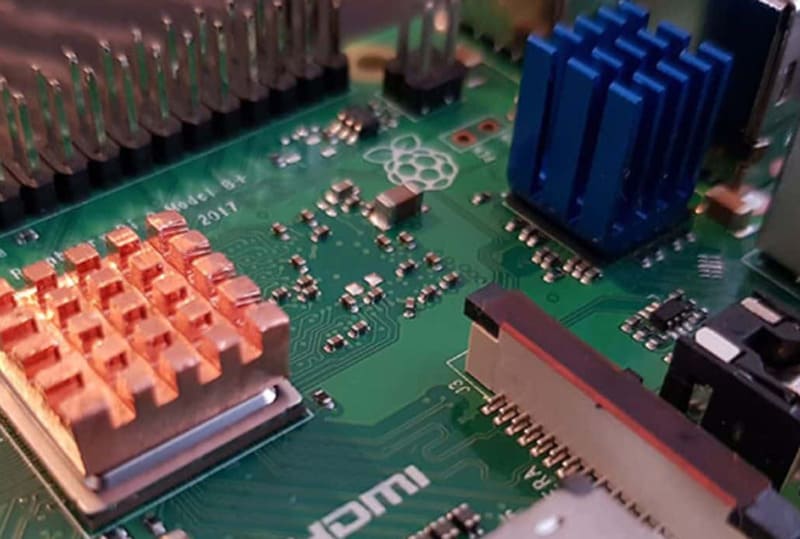
When it comes to Raspberry Pi cooling, there are a few options to explore:
Passive Cooling
Passive cooling methods, like using heatsinks, work by drawing heat away from the components. These are usually good for light use or when you're not pushing the Pi too hard.
Active Cooling
Active cooling involves fans, which actively push air across the components to remove heat. This method is often preferred for more intensive use, especially in cases where the Pi is overclocked or under heavy load.
Combined Cooling
Some setups use both heatsinks and fans to provide the best of both worlds, ensuring your Pi runs at optimal temperatures.
Is a Fan Necessary for Raspberry Pi 4?
The Raspberry Pi 4 is more powerful than its predecessors, so does that mean it needs more cooling? Let’s find out.
While the Raspberry Pi 4 has improved thermal performance, using a fan can help maintain performance during heavy tasks or overclocking.
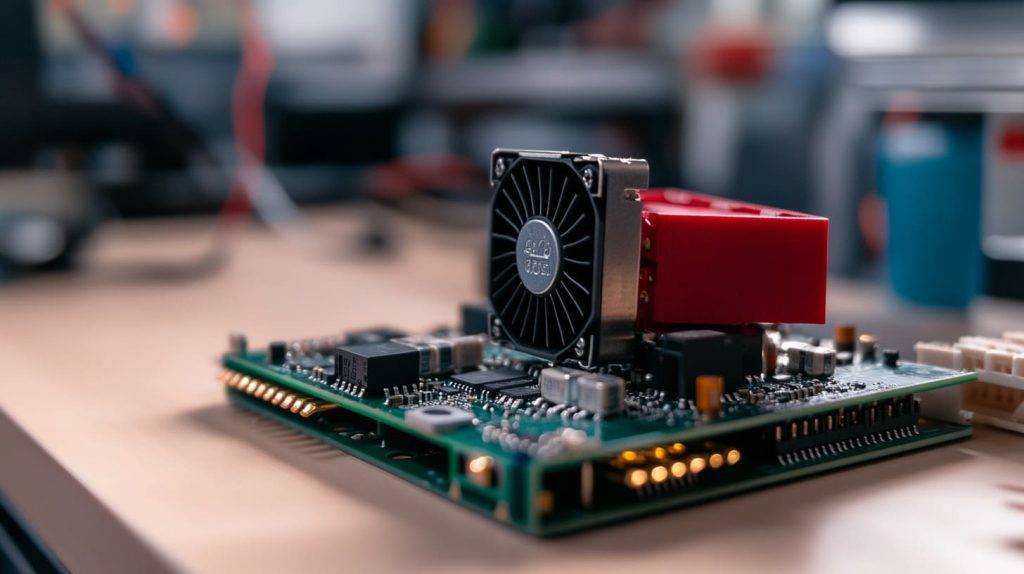
The Raspberry Pi 4 generates more heat than earlier models, particularly when running demanding applications or when overclocked. In such cases, a fan becomes a valuable addition to maintain performance and prevent thermal throttling.
However, if you're using your Pi for basic tasks, a heatsink may suffice. Still, for more demanding applications, such as gaming or running a media server, active cooling with a fan can make a significant difference in performance.
How Does Overclocking Affect Raspberry Pi Cooling Requirements?
Overclocking your Raspberry Pi can be exciting, but it changes the cooling equation. Here’s why.
Overclocking raises the Pi’s temperature significantly, making a fan almost essential for keeping the system stable.
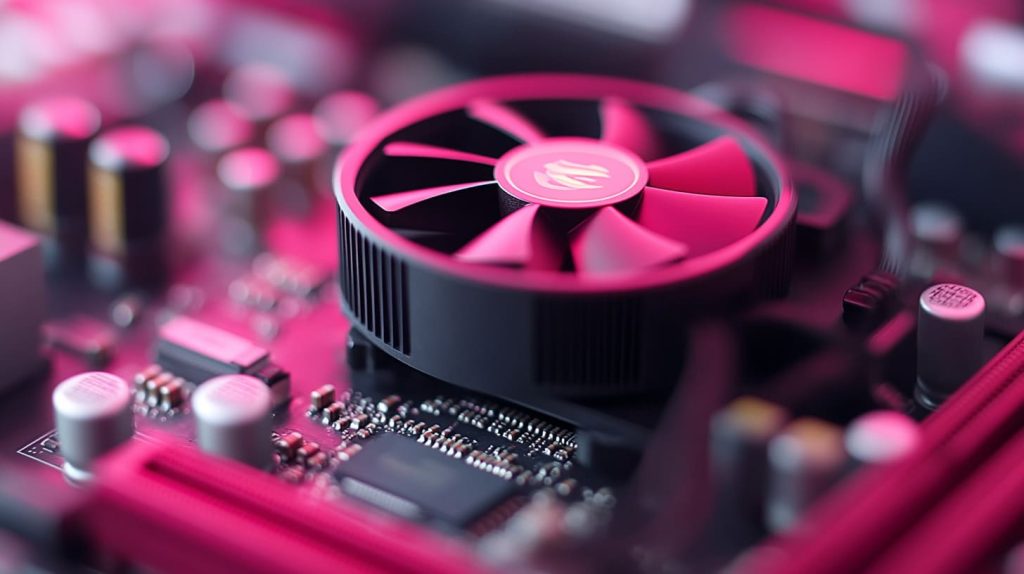
When you overclock your Raspberry Pi, the CPU and GPU run faster, generating more heat. This additional heat can cause the system to slow down or even crash if not properly managed. That's where active cooling with a fan comes in.
A fan ensures that the temperature stays within safe limits, so you can enjoy the full potential of your overclocked Pi without worrying about overheating. Without proper cooling, your Pi might experience thermal throttling, which reduces performance to prevent damage.
What Are the Benefits of Using a Heatsink Versus a Fan for Raspberry Pi Cooling?
Choosing between a heatsink and a fan depends on your setup and what you need from your Pi. Let’s break it down.
A heatsink passively dissipates heat, while a fan actively moves air to cool the components. Each has its advantages, depending on your Pi's usage.
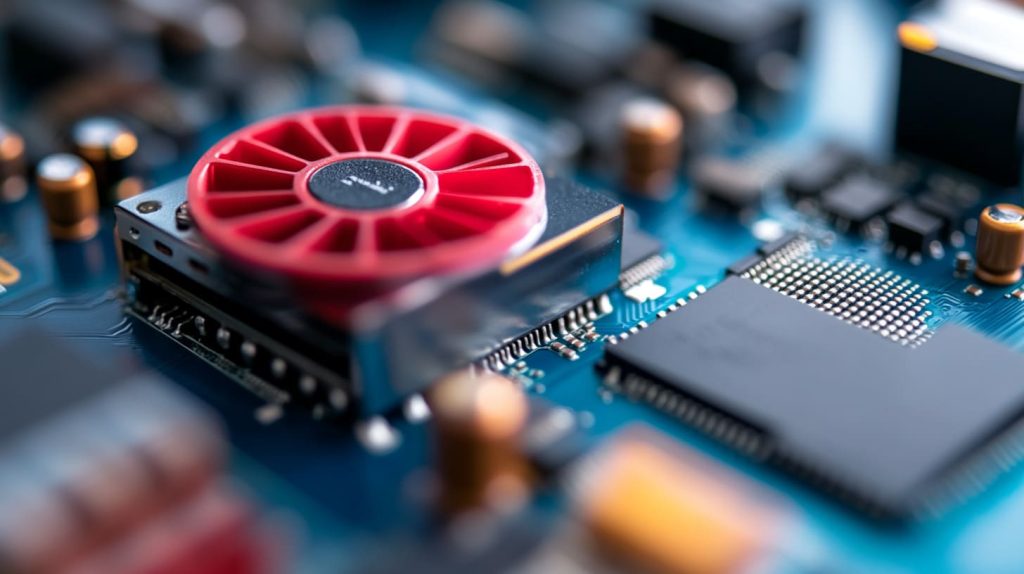
Heatsinks are great for light to moderate use. They are simple, quiet, and don’t require power. However, they don’t actively move air, which can limit their effectiveness under heavy load.
On the other hand, a fan actively cools your Pi, especially under high-performance conditions. It's more effective than a heatsink alone, particularly when overclocking or running resource-intensive applications. Fans also tend to take up more space and require additional power, which could be a factor depending on your setup.
How Can Ambient Temperature Influence the Need for Active Cooling in Raspberry Pi?
The environment in which your Raspberry Pi operates plays a big role in its cooling needs. Let’s see how ambient temperature factors in.
If your Raspberry Pi operates in a warm environment, it may require more active cooling to prevent overheating.

In hotter environments, your Raspberry Pi’s temperature can rise quickly, even during light usage. In such cases, ambient temperature significantly affects cooling requirements. In areas with high temperatures, you might find that passive cooling isn’t enough, and a fan becomes necessary to keep things running smoothly.
If you’re in a region with fluctuating temperatures, it’s a good idea to monitor the Pi’s temperature regularly and adjust your cooling strategy accordingly.
What Are the Signs That My Raspberry Pi Is Overheating?
Overheating can be a silent killer for your Raspberry Pi. Here’s how to spot the signs before it’s too late.
Watch for warning signs like sudden slowdowns, system crashes, or unexpected reboots—these could indicate your Pi is overheating.

The first sign of overheating is often thermal throttling, where the system automatically slows down to avoid damage. You might notice that your Pi is running slower than usual or that certain tasks take longer to complete.
If the Pi shuts down or reboots unexpectedly, this is another clear sign of overheating. Keeping an eye on the Pi's temperature can help you prevent these issues before they lead to long-term damage.
Conclusion
It’s clear that while a fan may not always be necessary, in certain situations—especially when overclocking or under heavy load—it can make all the difference in keeping your Raspberry Pi running smoothly.