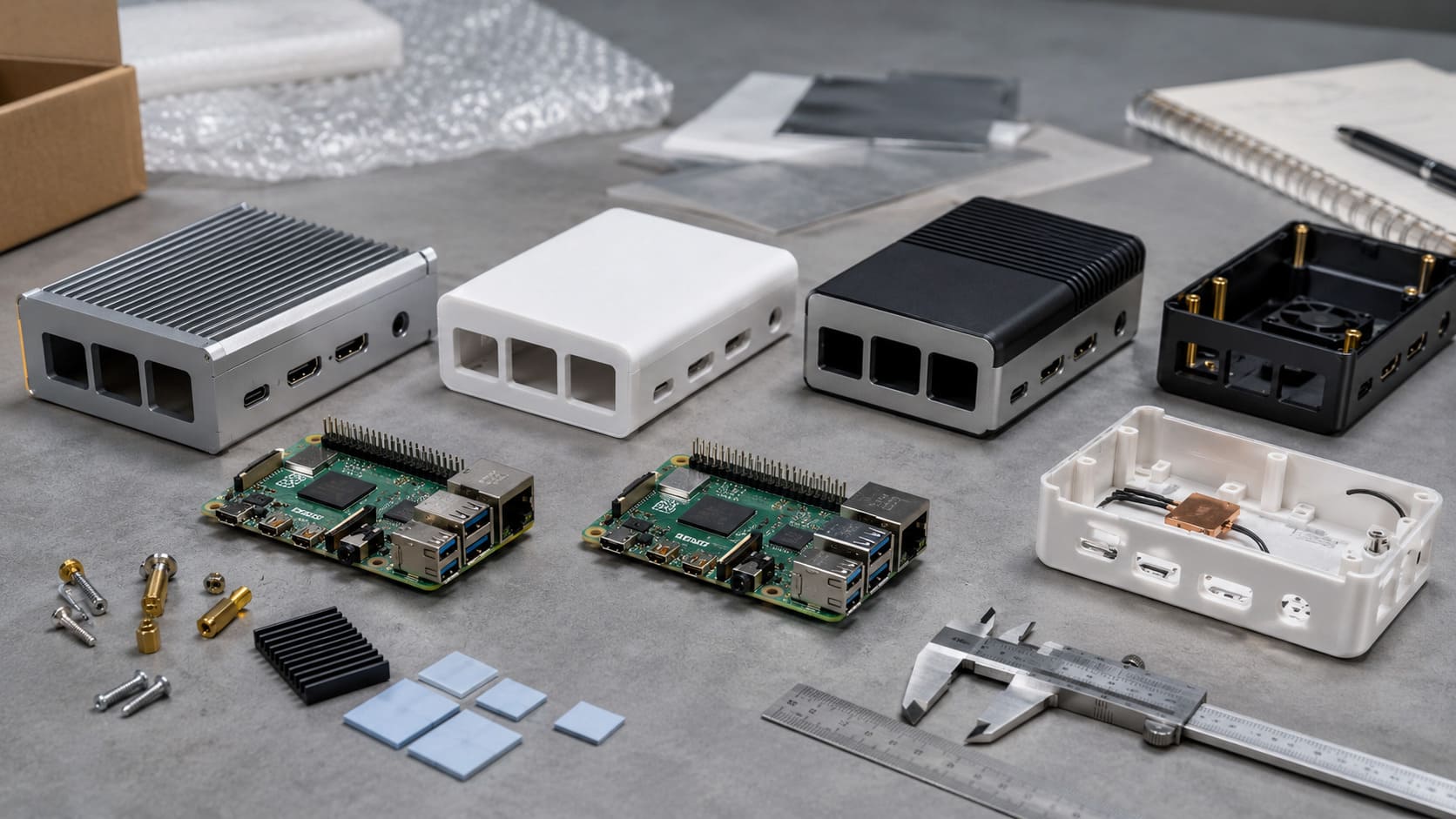
Why custom CNC cases matter in Raspberry Pi projects
I remember when I first ordered a plastic case for a Raspberry Pi 4. It looked good in photos. But it got hot very quickly. Ports were hard to reach. I knew there must be a better way. That's when I started designing CNC cases. They solve many problems plastic can’t.
Who this guide is for: Re-branders, Makers, and ODM clients
If you are like Davide or Johnn—you want something better than stock. You want a case with your logo. You want correct cutouts. You want better cooling. You want factory-level consistency. You want good price. This guide is for you.
Overview of the steps we’ll cover
- What a CNC case is and why it’s worth it
- Best materials and their trade‑offs
- How to design one right (dimensions, logo, ventilation…)
- Prototyping & testing before mass production
- CNC machining process and quality checkpoints
- Branding, cost, and avoiding common mistakes
- Where and how to manufacture well
What is a CNC Case for Raspberry Pi?

Definition and differences vs. injection-molded or 3D-printed cases
A CNC case is cut or milled from solid material—metal or plastic—using computer‑controlled machines. It is different from injection molded (which uses molds) or 3D-printed (layer by layer). CNC gives precision, clean edges, material strength. Injection molding gives smooth surface finishes and mass production, but tooling cost high. 3D printing is flexible and cheap for prototypes, but weaker in strength or finish.
Advantages: precision, heat management, mechanical strength
- Precision: Tight tolerances (holes align, ports match exactly)
- Heat management: Metal CNC cases (especially aluminum) help conduct heat away. Passive cooling works well. For example, some open CNC aluminum cases for Pi 5 reduce temps by 10‑15°C when idle and up to ~40°C under load. :contentReference[oaicite:0]{index=0}
- Mechanical strength: Less warping, more durable, better enclosure for protection
Common applications: industrial, creative, and high‑end retail
- In industrial settings: sensor enclosures, embedded controllers, harsh environments
- Creative: desktop mini PCs, media centers, custom displays
- High‑end retail: products sold via Amazon or boutiques where finish, brand identity, and durability matter
(Story switch) I once showed a CNC‑case sample to a small maker shop in Germany. They touched the edges, inspected finishes, tested port fits. The feel changed their mind. They knew customers see that difference. That moment made me believe CNC cases are more than functional—they communicate quality. It’s time to see how materials factor in.
What Materials Are Best for CNC Raspberry Pi Cases?
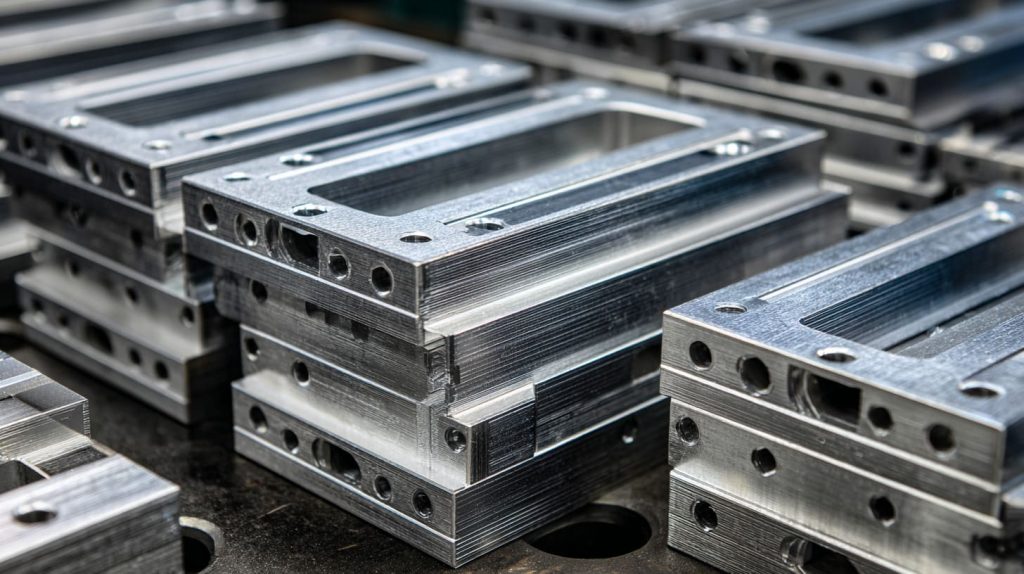
Aluminum vs. Acrylic vs. ABS vs. Polycarbonate
| Material | Strengths | Weaknesses |
|---|---|---|
| Aluminum | Excellent heat conduction; high strength; good finish | Heavier; more expensive; more machining effort |
| Acrylic (PMMA) | Transparent; good polish; lightweight | Less impact resistance; lower thermal stability vs PC; can crack under stress :contentReference[oaicite:1]{index=1} |
| ABS | Cheap; easy to machine; moderate strength | Lower heat resistance; less premium finish; can deform under heat :contentReference[oaicite:2]{index=2} |
| Polycarbonate (PC) | High impact resistance; better heat tolerance; more durable | More costly; harder to cut cleanly; needs careful finishing :contentReference[oaicite:3]{index=3} |
Material impact on heat dissipation, aesthetics, and cost
- Heat dissipation: Metals, especially aluminum, are best. Plastics lag unless very thin or used with thermal pads or inserts.
- Aesthetics: Polished aluminum, anodized surfaces look premium. Transparent acrylic or colored ABS/PC offer visual variety. But plastics may scratch or yellow under UV or thermal stress.
- Cost: Raw material + machining time + finishing cost. Aluminum costs more per kg and takes more machine time. Plastics are cheaper, lighter, faster to machine, but often need post‑processing for good finish.
Sourcing raw materials in bulk: Tips for B2B buyers
- Request quality certificates (alloy grade for aluminum, sheet thickness tolerance)
- Inspect samples first: surface flatness, color consistency, internal stress (for plastics)
- Consider leftover stock: buying large sheets sometimes gives better price, but handling/transport cost matters
- Plan for waste: saw‑offs, rejects; build in a buffer
How to Design a CNC Case for Raspberry Pi

Tools needed: CAD software recommendations (e.g., Fusion 360, SolidWorks)
I use Fusion 360 often. It has good free/personal license tiers, good CNC toolpath capability. SolidWorks is fine but costs more. Even AutoCAD or free Blender (with CNC plugins) can work if you’re careful.
Reference Raspberry Pi dimensions (e.g., Pi 4, Pi 5, CM4)
You must get precise board dimensions: port positions (USB, HDMI, GPIO), screw hole positions, board height components (USB ports, connectors). If you design only for Pi 4 but later a variant (Pi 5, Compute Module), things shift.
Designing port cutouts, screw holes, airflow vents
- Cutouts must have clearance; connectors vary in size.
- Holes for screws must match standard spacing (M2.5, M3, etc.), with tolerance for screw fit.
- Airflow vents: you can use slots, grilles, or open sides. If metal, you can integrate heatsink fins. If enclosed, add thermal pads.
Branding tips: where to place logos, engraving areas
- Engraving: Good for metal; laser or CNC engraving looks clean.
- UV printing or color fill also possible.
- Logo placement: On top face or side, but avoid areas that interfere with wiring or airflow.
ODM considerations: when to modify layouts for project needs
Sometimes client wants extras: extra cutout for camera module, customized mounting for HATs, custom stand-offs. You must adapt layout. Be open to redesign, but keep manufacturability in mind.
Prototyping and Testing Your CNC Case Design

Why prototype first even for B2B orders
A prototype saves bigger headaches. Once you make 1000 cases, wrong port position means thousands of rejects. I always build a prototype. I push connectors in, test fit, test its thermal behavior.
Low‑cost prototyping options: CNC acrylic, soft aluminum
You can try acrylic as first version: fast to cut, cheap, you see basic shape. Soft aluminum works too: thinner stock or lower‑grade aluminum gives you shape, fit, but cost less.
Fitment testing: checking USB, HDMI, GPIO alignment
Bring the actual board. Mount it. Connect all cables. Check front‑to‑back inside the case: clearance, connectors don’t press against case. Even small misalignment kills user experience.
Thermal testing: measuring heat dissipation under load
Use a stress test (CPU, RAM) over some minutes. Monitor temperature with sensors. Compare with and without prototype case. Check hotspots (over regulators, over coil‑areas). This matters especially if you’ll sell to serious users.
CNC Machining Process for Raspberry Pi Cases
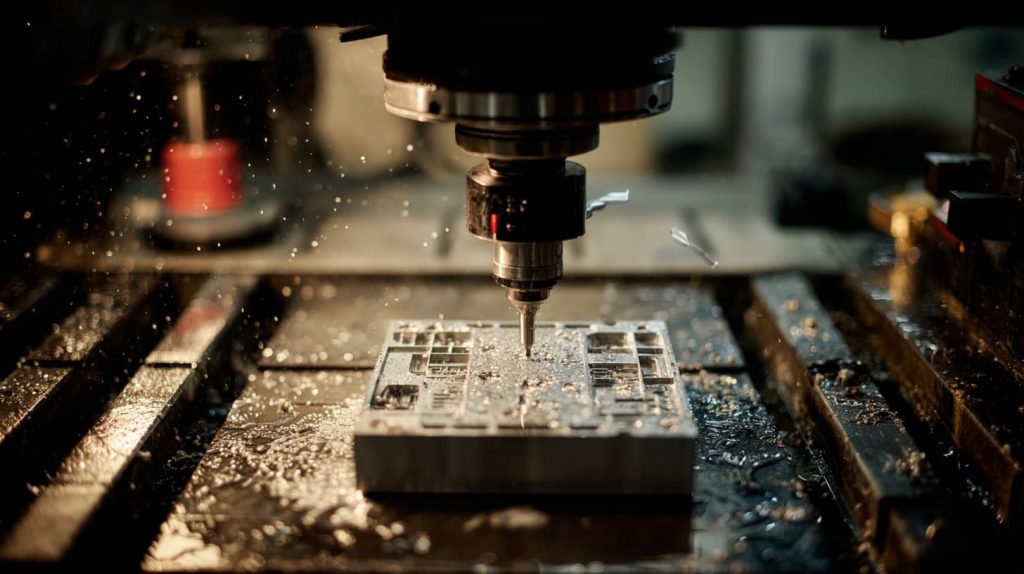
Basic steps: milling, drilling, finishing
- Rough milling: bring the stock block or sheet down to approximate shape.
- Drilling/tapping holes.
- Precision machining for cutouts, fine edges.
- Finishing: deburring, polishing, sanding if needed.
In‑house CNC vs. outsourced: pros and cons for suppliers
In‑house: more control, faster changes, better communication. But high upfront cost (machines, staff).
Outsourced: often cheaper per unit when volume is large. But risk: communication delays, quality issues, shipping time.
Surface finishing options: anodizing, polishing, bead blasting
- Anodizing: for aluminum. Gives color, corrosion resistance.
- Polishing: mirror or semi‑gloss; good for display pieces.
- Bead blasting: more matte, hides minor scratches, gives consistent texture.
Quality control points during production
- Tolerance checks: port holes, board mount holes
- Surface finish inspection: scratches, unevenness, color shade
- Fit test: board and connectors assembled
- Thermal performance if case design includes heatsink or thermal pad
How to Customize CNC Raspberry Pi Cases for Branding

Laser engraving vs. CNC engraving: comparison
- Laser engraving: fast, precise, good for crisp edges; works on metal/plastic; depth more limited.
- CNC engraving: more control over depth and 3D effects; slower; tool wear matters.
Full‑color UV printing options
If you want logos in color, printing with UV inks works. On plastics or coated metals. Be careful: UV print durability under wear or moisture.
Logo sticker placement or packaging customization
Sometimes printing or engraving isn’t enough. Sticker label helps: place area flat, avoid curves or edges. Also packaging: custom box, inserts give impression of quality.
ODM case shape customization: adding cutouts or changing layout
You might want a case with different shape—more venting, different footprint, different mounting style. As an ODM factory, I work with customers to adjust shape, but I check whether new design adds machining cost or makes handling harder.
Cost Considerations for CNC Raspberry Pi Cases
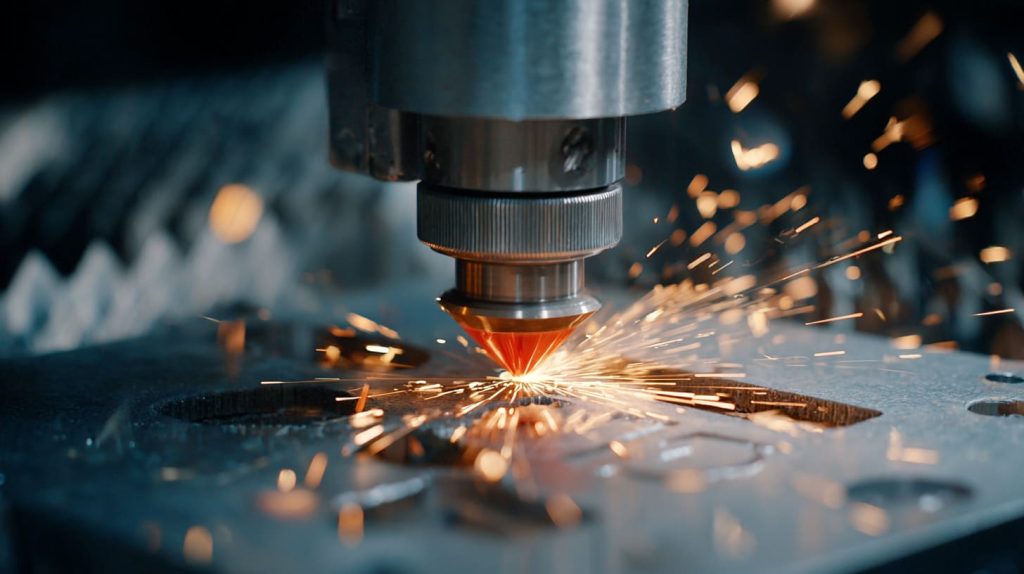
Cost drivers: material, tooling time, engraving complexity
- Material: aluminum costs more than ABS or acrylic.
- Tooling time: complex cuts, deep engraving slow machine down.
- Engraving/logo adds machining steps.
MOQ recommendations for re‑brand or OEM projects
Usually orders under some size cost more per unit. I suggest starting MOQ that balances setup cost and unit cost. For example, 100‑500 units often give better unit cost than 10‑50.
Cost comparison with 3D printing or injection molding
- 3D printing: great for prototypes or low quantity; surface finish and strength lower.
- Injection molding: high upfront tool cost, but low per unit for large volume.
CNC sits in the middle: moderate upfront, good finish, good for moderate volumes.
How to reduce costs without sacrificing quality
- Simplify design (fewer cutouts, simpler geometry)
- Use uniform material thickness
- Batch engraving or laser marking rather than per case custom work
- Use standard finishes rather than exotic ones
Common Mistakes to Avoid in CNC Raspberry Pi Case Projects
Incorrect dimensions or tolerance issues
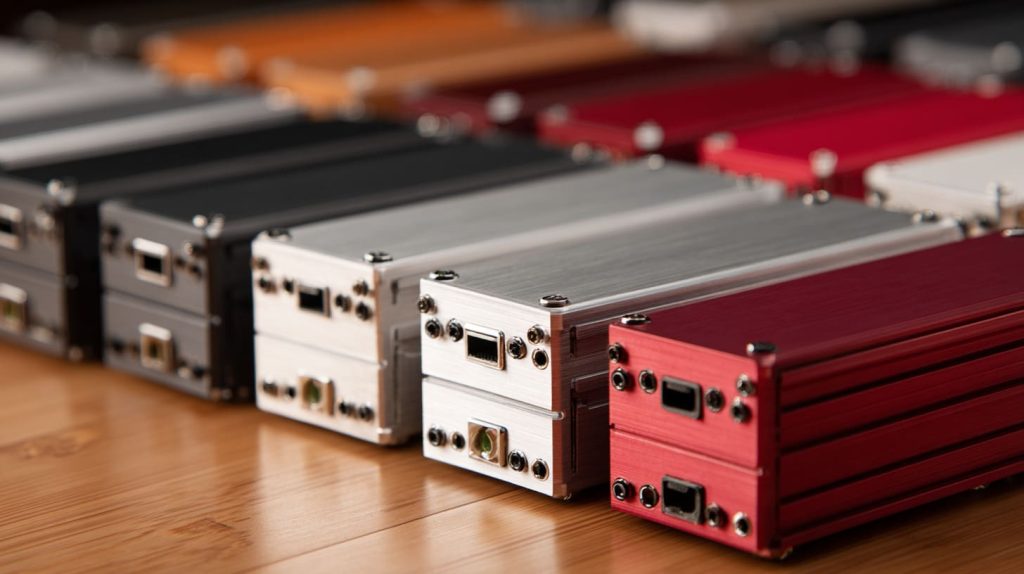
If you mis‑measure hole positions or board height, USB/HDMI ports may misalign. Tolerance matters: even 0.2 mm error can cause bad fit.
Poor thermal planning or lack of ventilation
A sealed metal case without thermal path can trap heat. Or plastic case with no vents will overheat. You must plan vents, or use thermal pads, or use metal contacts.
Unclear logo placement instructions
If client sends logo file but not specifying alignment, size, color or engraving depth, mistakes happen. I once had customer send a low‑res logo; engraving turned fuzzy.
Overdesigning: unnecessary complexity in cuts
Each extra cut adds machining time, cost, more chance of error. Sometimes simple flat faces are better.
Where to Manufacture CNC Raspberry Pi Cases

China vs. Vietnam: Cost, speed, communication
- China: mature supply chain, machine shops, expertise. Lower cost for many materials. But sometimes communication delays, cultural or timezone differences.
- Vietnam: improving rapidly, sometimes cheaper labor cost, but tooling and finishing capability may be less mature.
What to ask suppliers: certifications, lead time, MOQ
Ask: material grade (e.g. 6061 aluminum), certifications (RoHS, ISO), finish options. Ask about lead time: prototyping time, mass‑production time. Ask minimum order quantities.
How to communicate better across time zones
- Clear specs (drawings, dimensions, files)
- Use tools: email + chat apps + photos
- Confirm everything (logo, finish, packaging) before production starts
- Keep buffer times
Vincent’s tip: how MaidaTech solves common client issues
I always send photos of prototypes. I ship test units. I hold stock for popular lines. I offer both engraving and printing. I have a staff member in Europe time zone overlap. That helps resolve questions quickly.
Case Study: Davide and Lasle’s CNC Projects
Davide’s journey: Branding Raspberry Pi 5 aluminum case for Amazon
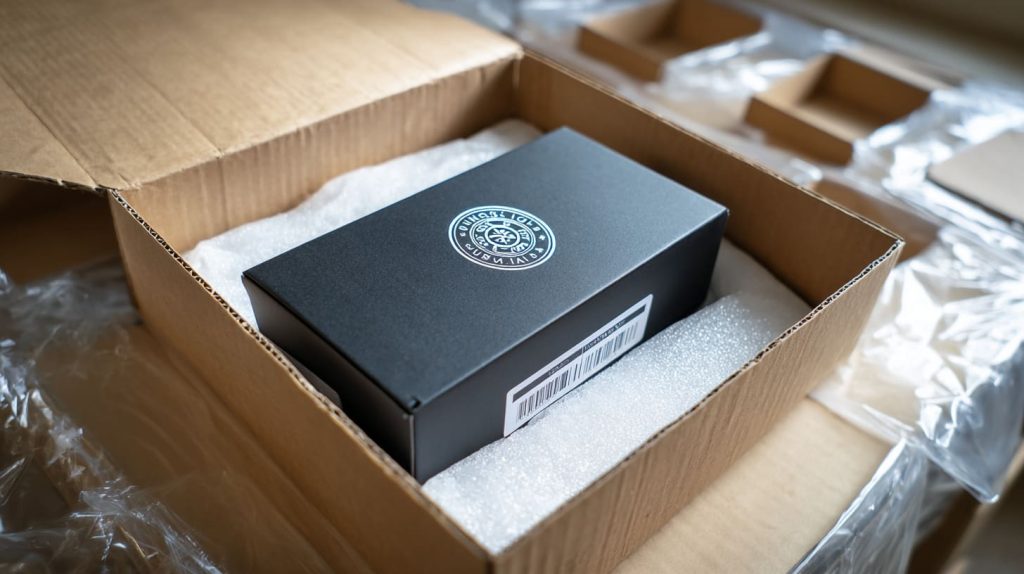
Davide from Belgium contacted me. He wanted a sleek aluminum case for Raspberry Pi 5, with his logo engraved, cutouts accurate, finish matte black. We made a prototype, tested fit, tested thermal performance. Found one cutout (USB‑C) was slightly off by 0.5mm. We adjusted. Final product sold well on Amazon; customers praised feel and finish.
Lasle’s custom CM4 project: redesigning the case for a media center
Lasle in Hungary wanted Compute Module 4 version, plus extra vents, different standoffs, space for fan module later. We worked together in CAD, agreed on shape, finish. Prototyped with softer aluminum, then moved to harder alloy. Lasle’s project timeline was tight; fast prototyping and stock availability helped him deliver on time.
How fast response and custom logo service helped both succeed
For both: I answered logo file questions quickly, sent mockups same day, photos of finish early. The speed built trust. Also, having flexible stock material helped. They avoided delays waiting for raw parts.
Conclusion
Recap of the full process
We saw what CNC cases are and when they beat other methods. We compared materials. We walked through design, prototyping, machining, branding, and cost. We saw how to avoid mistakes. We heard real stories of Davide and Lasle.
When CNC is the right choice over other methods
If you want good thermal performance, strong build, polished look, and moderate volumes, CNC is right. If you need 10,000 identical pieces at lowest per‑unit cost, injection molding may win. For prototypes, maybe 3D printing is fine.
Final advice for re‑branders, distributors, and project buyers
- Be precise in your specs from the start
- Budget for prototyping and QC
- Choose supplier who listens and shows samples
- Think long term: stock, finish, logo, shipment time
If you want, I can send you a checklist template to use with your suppliers. Just say the word.