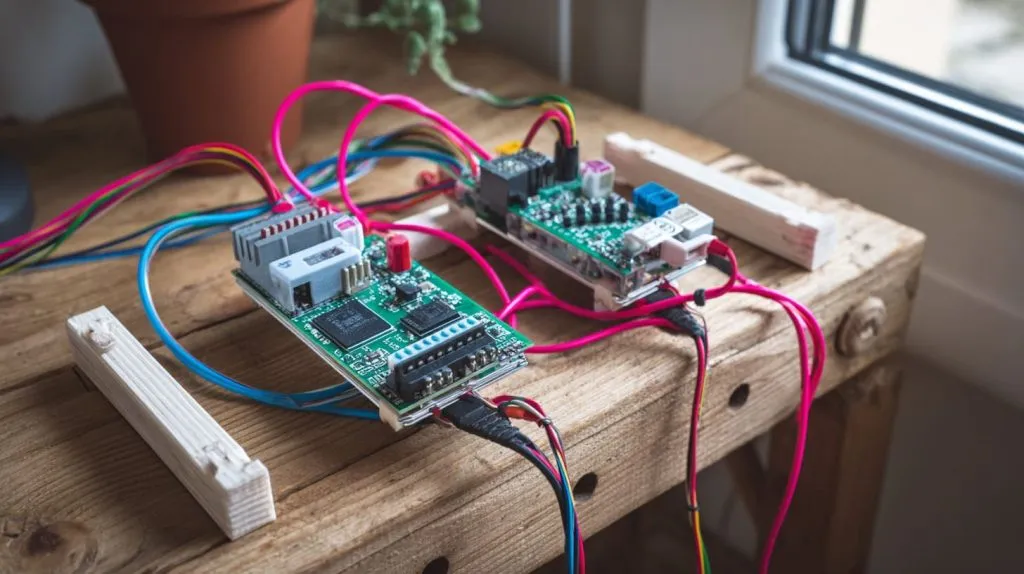
I remember staring at my first prototype and wondering—could this actually become a product I sell?
Yes, you can legally sell devices built with Raspberry Pi or Arduino, but there are a few important rules you need to follow.
It’s not just about building something cool—it’s about turning your idea into something other people will trust, buy, and use. Let’s talk about how to do it the right way.
Can I use Raspberry Pi and Arduino together?
Sometimes one board just isn't enough.
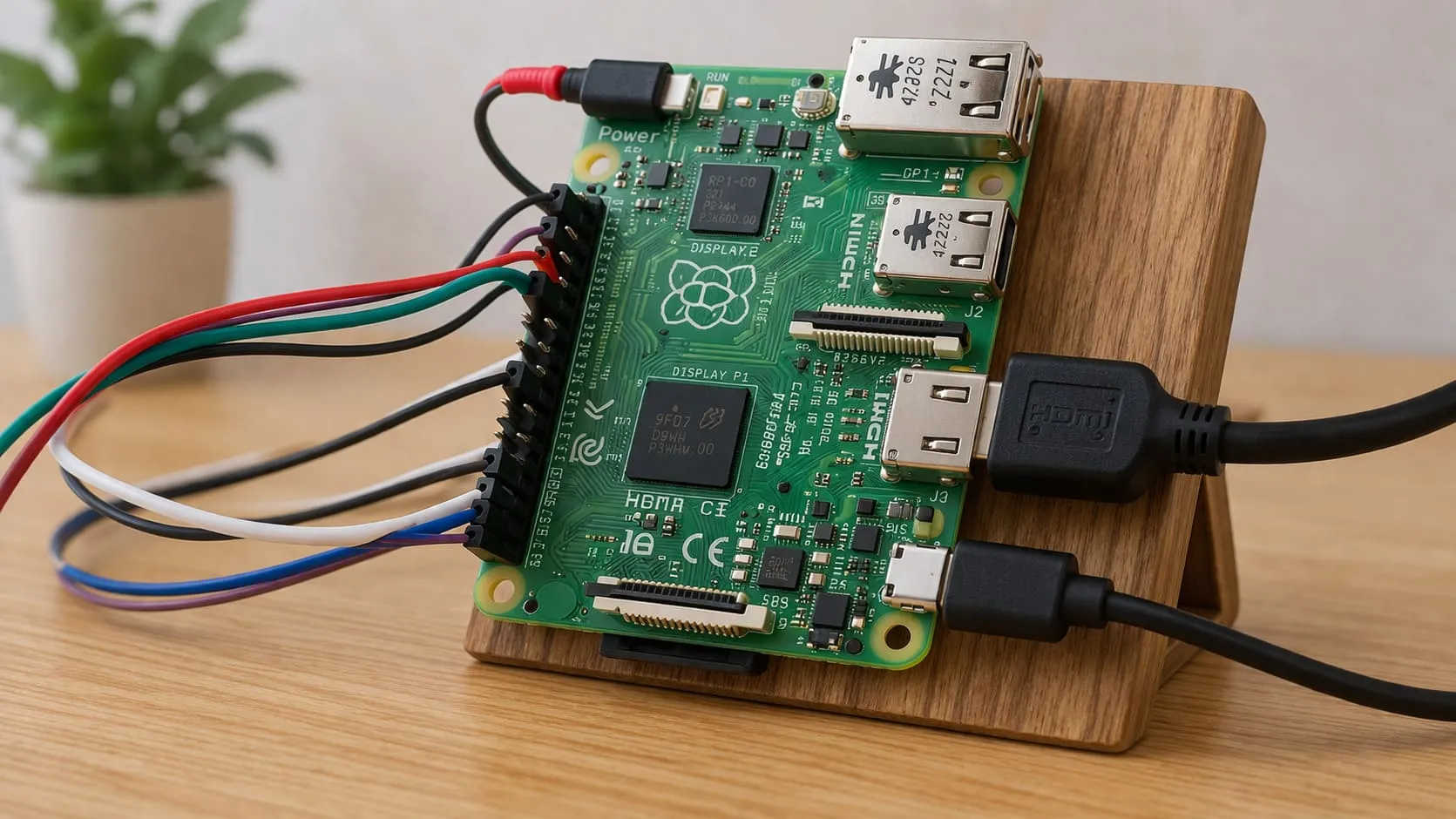
Yes, Raspberry Pi and Arduino can absolutely work together in the same project.
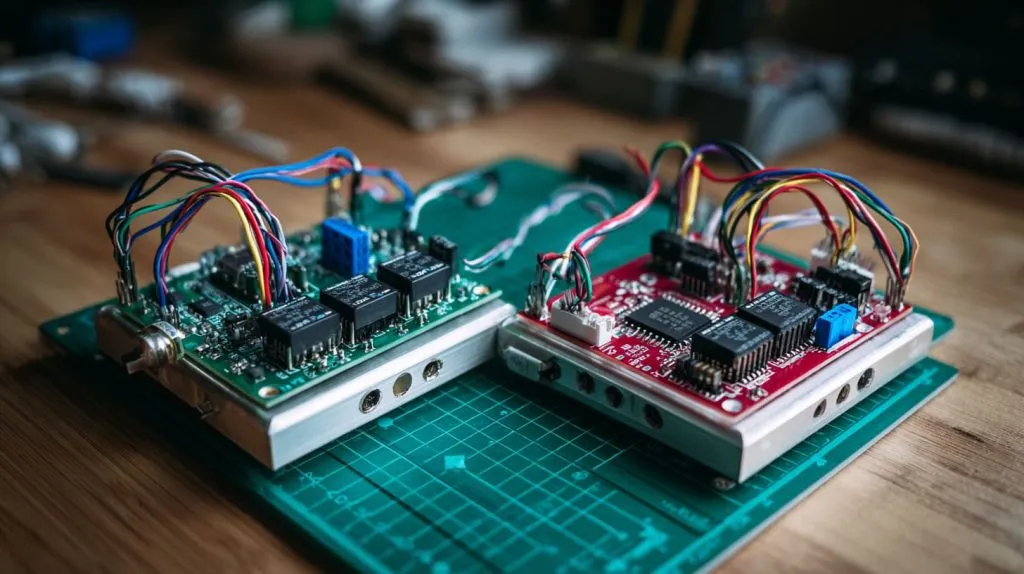
Why combine them?
- Raspberry Pi handles complex tasks like UI, data logging, and networking.
- Arduino shines in real-time control like motor movement or sensor polling.
Here’s a quick comparison:
| Feature | Raspberry Pi | Arduino |
|---|---|---|
| Operating System | Linux (Raspberry Pi OS) | None (bare-metal) |
| Connectivity | WiFi, Ethernet, USB | USB only (usually) |
| Real-Time Capable? | No | Yes |
| Suitable For | Apps, servers | Real-time control |
Many commercial devices pair them using USB or serial connection, leveraging the best of both.
Is it legal to sell open source?
This part confused me early on.
Yes, open-source hardware and software can be sold, as long as you follow the license terms.
What to watch out for?
- Most open-source licenses (like MIT or GPL) allow commercial use.
- But you must give proper credit and share your modifications (if required).
For hardware, many Arduino-compatible boards are sold by third parties legally. The key is: don’t copy trademarks, and don’t pretend it’s official if it’s not.
Do I need certifications to sell a Raspberry Pi or Arduino-based product?
This one hits hard if you're planning to sell globally.
Yes, if you want to sell to the public, certifications like CE, FCC, or RoHS are usually required.
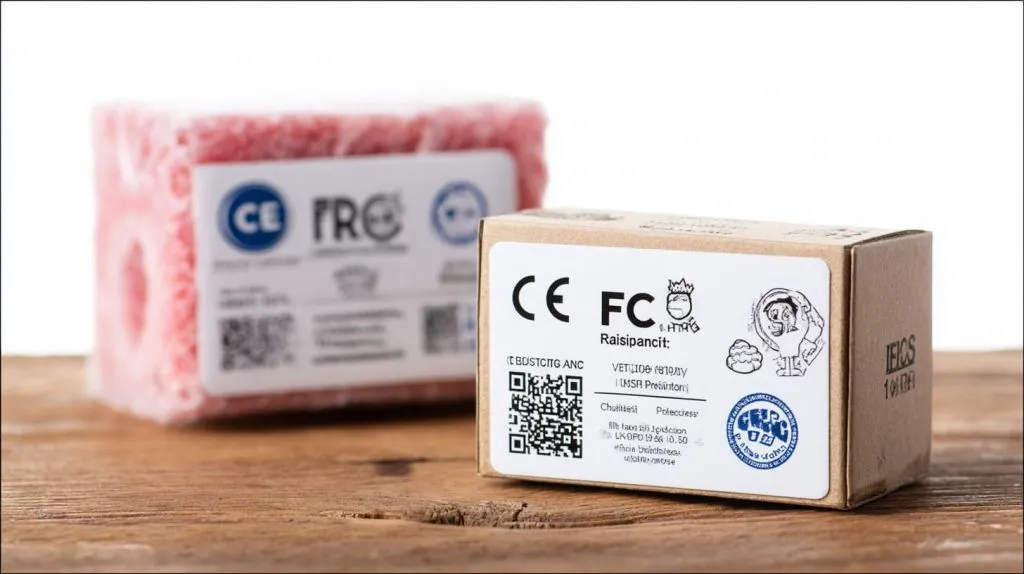
What certifications are essential?
| Market | Certification Required |
|---|---|
| Europe | CE, RoHS |
| USA | FCC |
| Canada | IC |
| Global | Safety/EMC standards |
If you're selling as kits, some requirements ease up. But pre-assembled electronics need compliance.
Can I legally resell Raspberry Pi hardware with my own branding?
Tempting, but tread carefully.
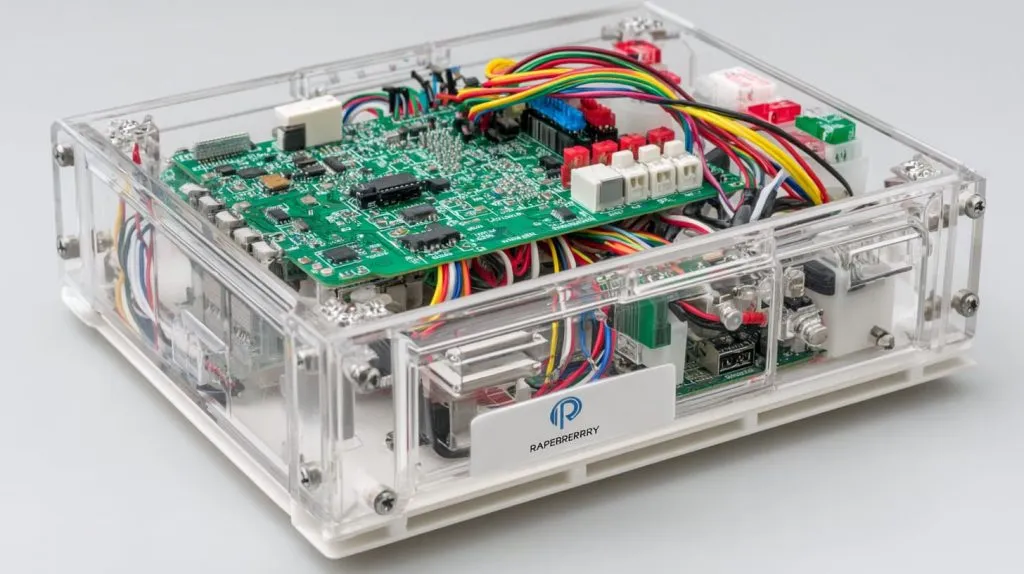
No, you cannot rebrand official Raspberry Pi boards as your own—Raspberry Pi is a trademarked brand.
What’s allowed?
- You CAN sell Raspberry Pi boards as-is, inside your product.
- You CANNOT remove or cover Raspberry Pi logos.
- You CAN build accessories (cases, hats, kits) and brand those freely.
Your best path? Treat Raspberry Pi as a component, not your own invention.
How do I design a custom enclosure for a Raspberry Pi-based commercial device?
This is where your product starts to feel “real.”
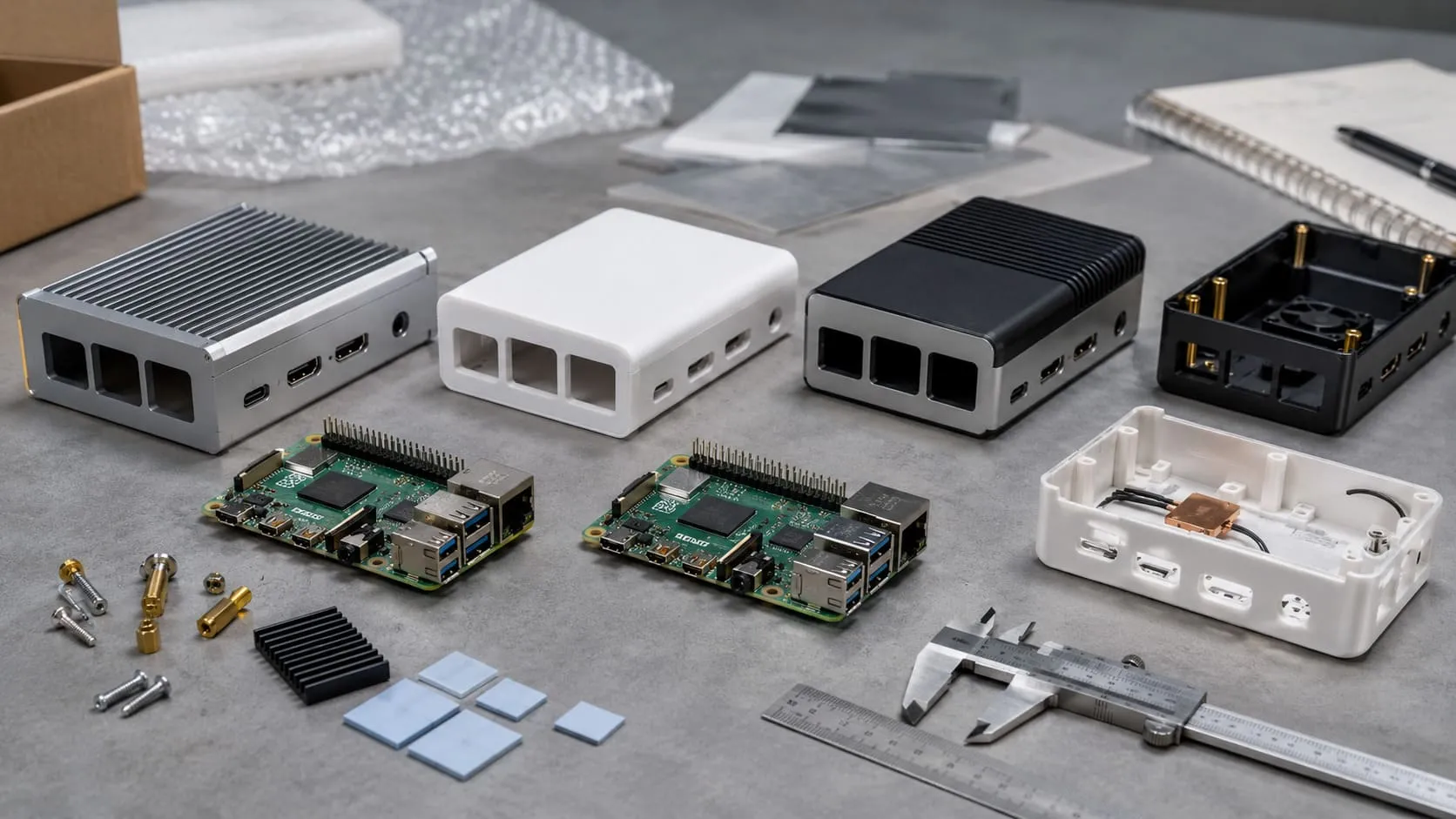
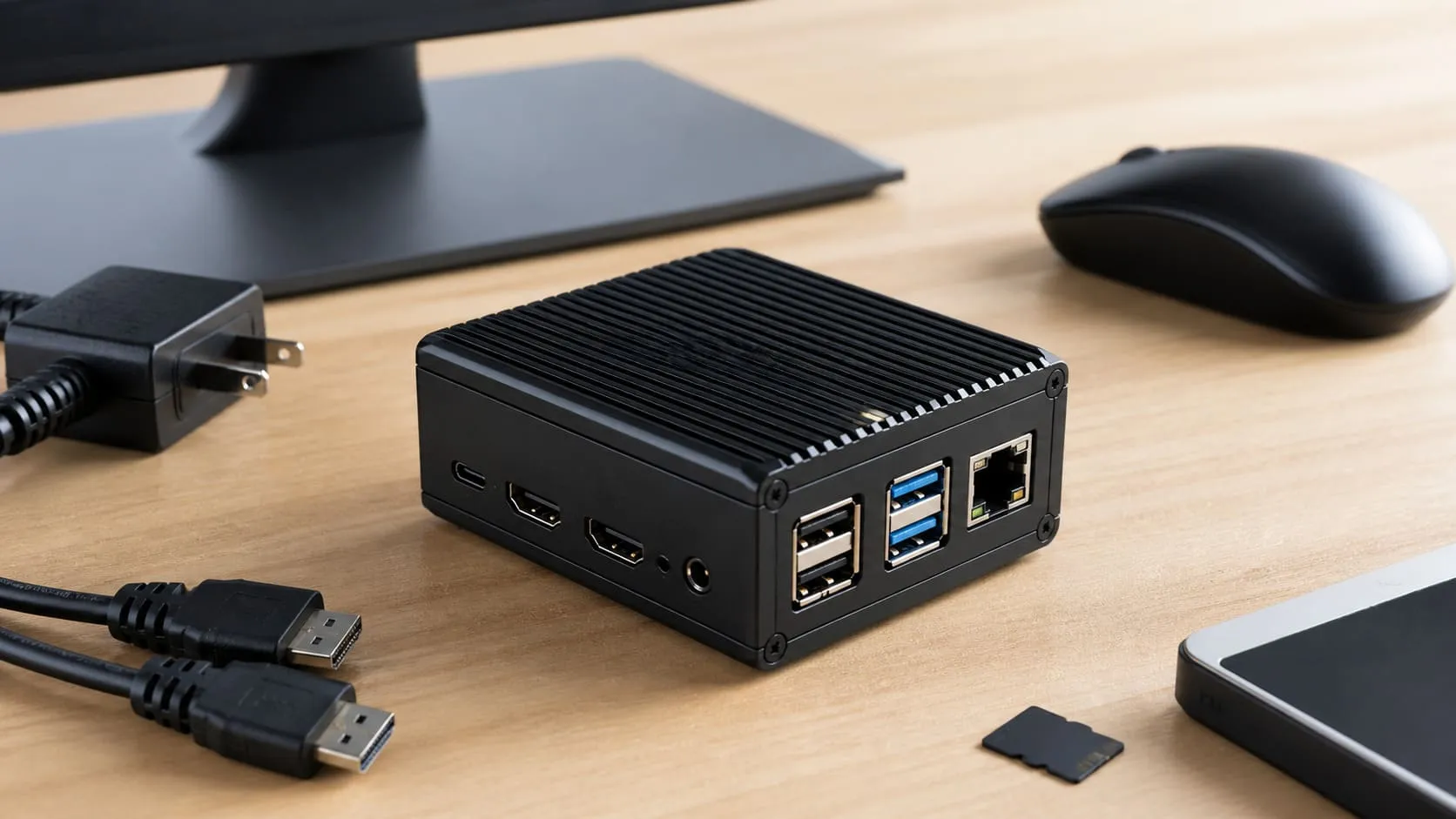
Designing a custom enclosure requires CAD modeling, thermal planning, and GPIO accessibility.

What makes a great enclosure?
- Material: Use ABS, PC, or aluminum for heat dissipation and strength.
- Fit: Leave space for heatsinks, SD cards, and USB ports.
- Branding: Engraved logos, color accents, or molded labels boost retail appeal.
I’ve helped clients like Jacky design clear acrylic and aluminum cases. He sends a sketch, and we handle the rest—from mold to packaging.
What are the best practices for packaging and labeling Raspberry Pi kits for resale?
Packaging is your first handshake with your customer.
Use clean labeling, protection foam or trays, and tamper-evident seals.
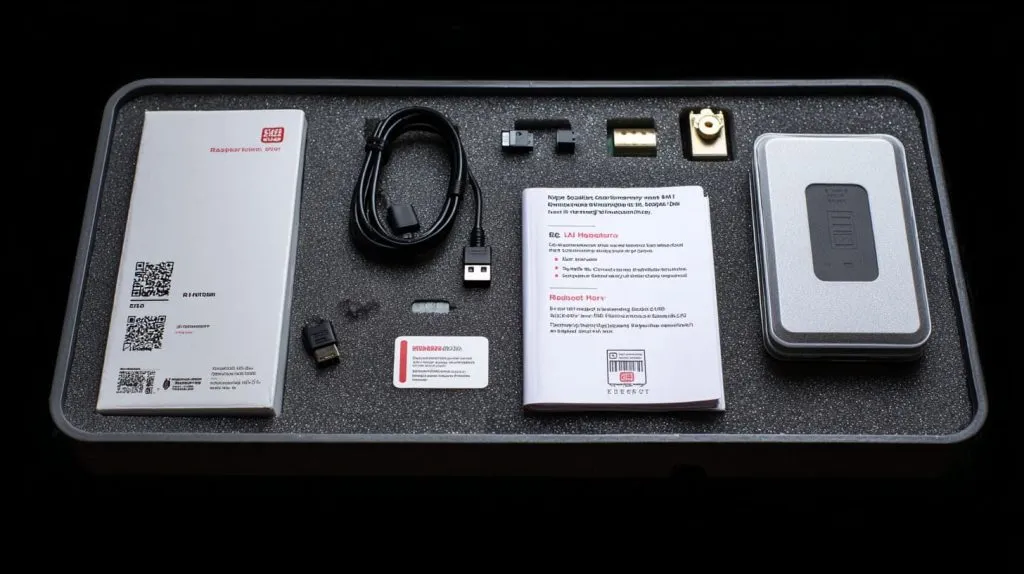
What should your box include?
- Branded sleeve or insert
- User manual with QR support
- Safety disclaimers
- SKU sticker and barcode
Keep it modular—so buyers can quickly identify contents and re-order.
Is it profitable to build and sell DIY electronics with Arduino or Raspberry Pi?
Let’s talk numbers.
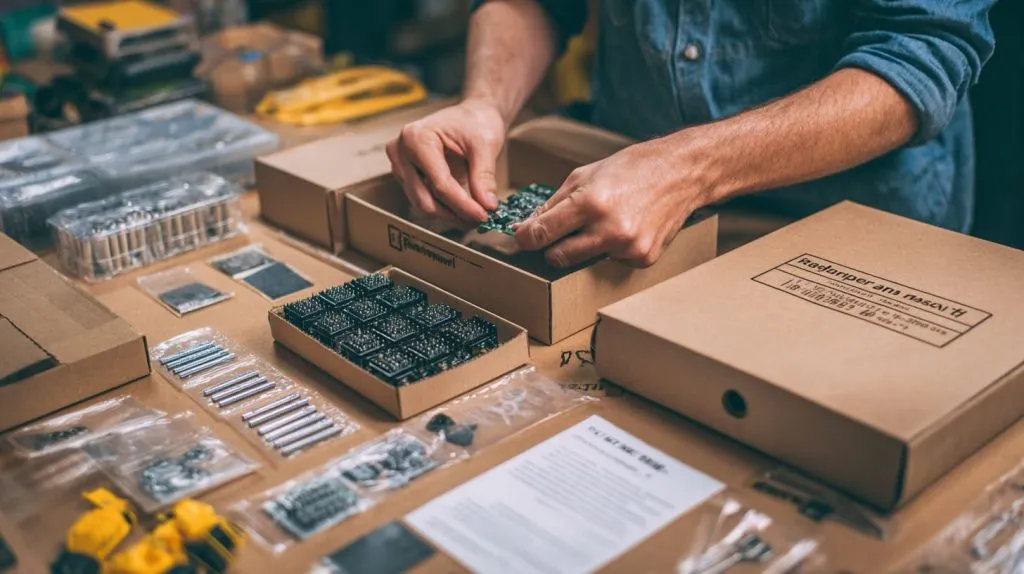
Yes, it can be profitable if you add real value through design, support, or branding.
Where’s the margin?
| Product Type | Profit Potential |
|---|---|
| Branded kits | High |
| Pre-built enclosures | Medium |
| Raw boards only | Low |
I’ve seen makers 5x their cost by selling kits with branded guides and cases. The hardware’s cheap—it’s your wrapping that makes it valuable.
What licenses do I need to sell an IoT product built with Raspberry Pi?
You’ll need more than just a good idea.
Depending on where and how you sell, you may need radio certifications, safety standards, and data compliance policies.
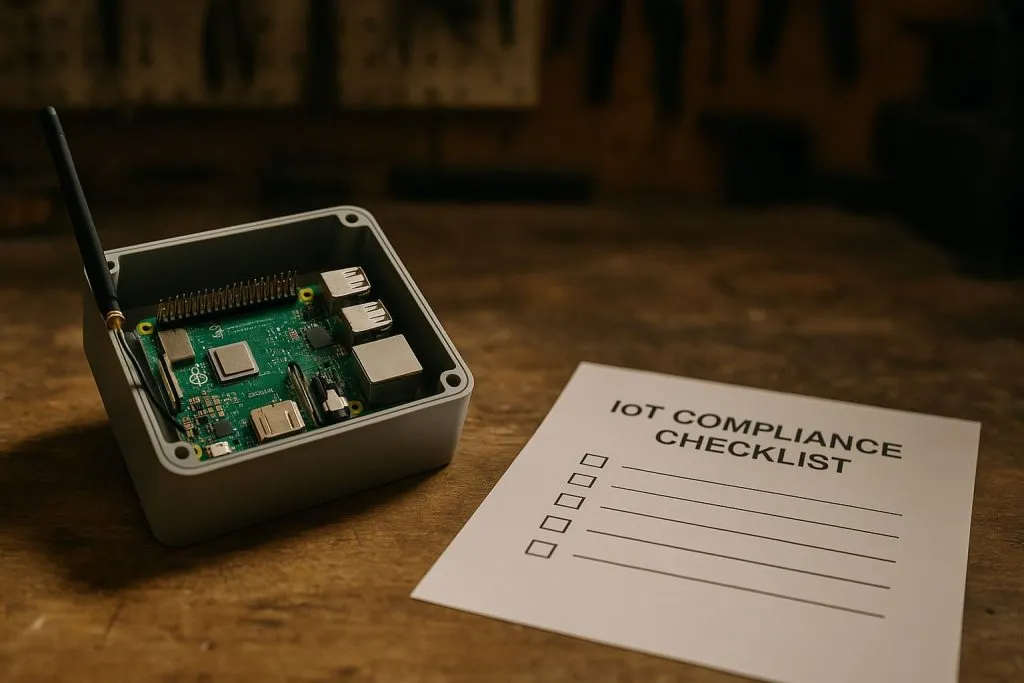
Checklist for IoT sales
- FCC/CE if you have wireless modules
- UL certification for power-related hardware
- GDPR compliance if collecting user data
Each market has its own red tape. It's best to consult with a compliance lab early on.
How do I source Raspberry Pi accessories for my electronics product line?
Finding the right parts can make or break your business.
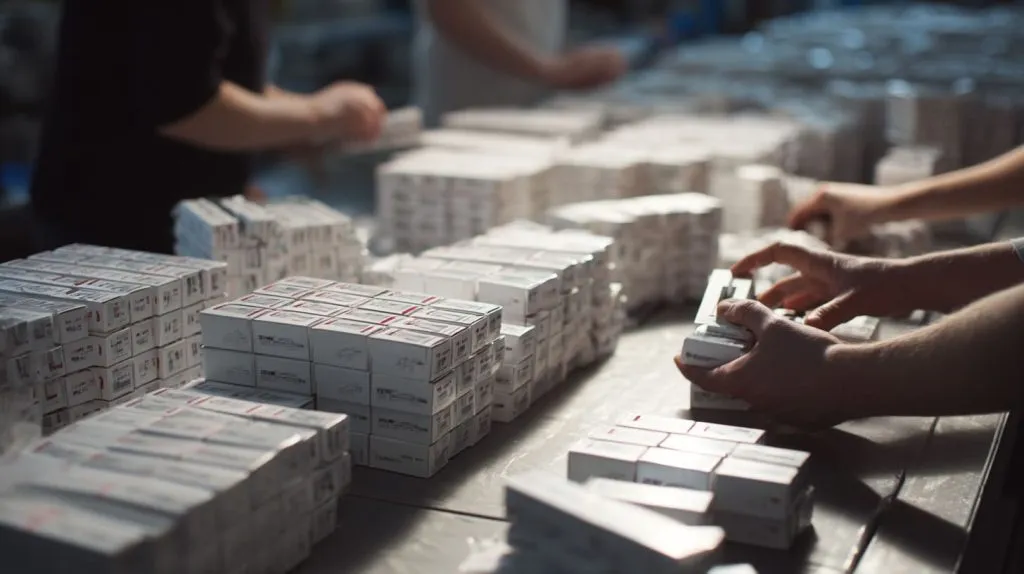
You can source accessories from authorized suppliers or partner with factories like ours for bulk and custom production.
Tips for smooth sourcing
- Always confirm specs: cable length, power rating, GPIO pinout
- Ask for real photos or samples
- Build trust with a supplier that offers logo printing, packaging, and fast delivery
My client Lasle once sourced from five vendors—and ended up with mismatched parts. Since working with us, he streamlined it into one shipment, one box.
What’s the best way to customize Raspberry Pi cases for branding and sales?
This is your visual signature.
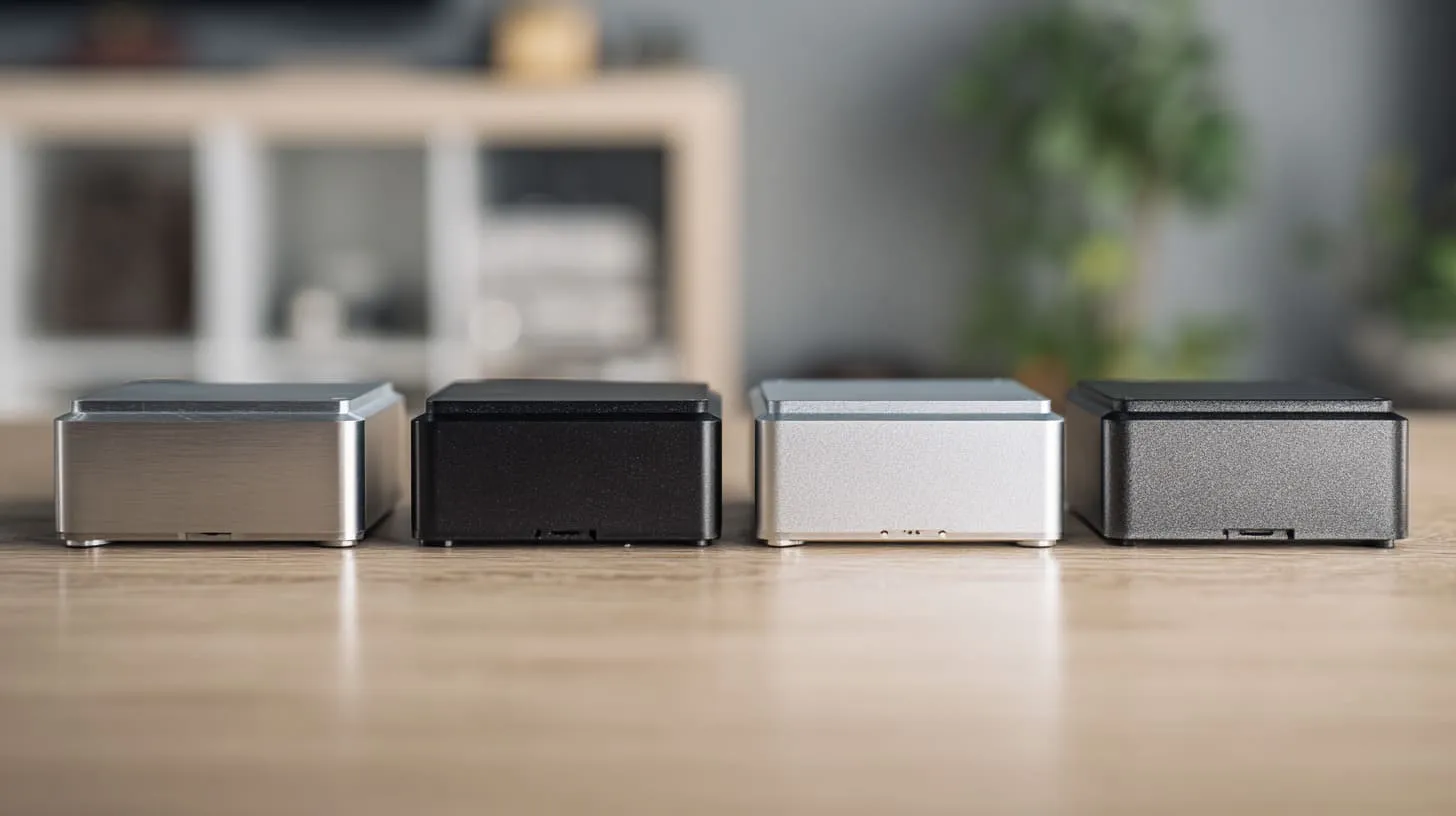
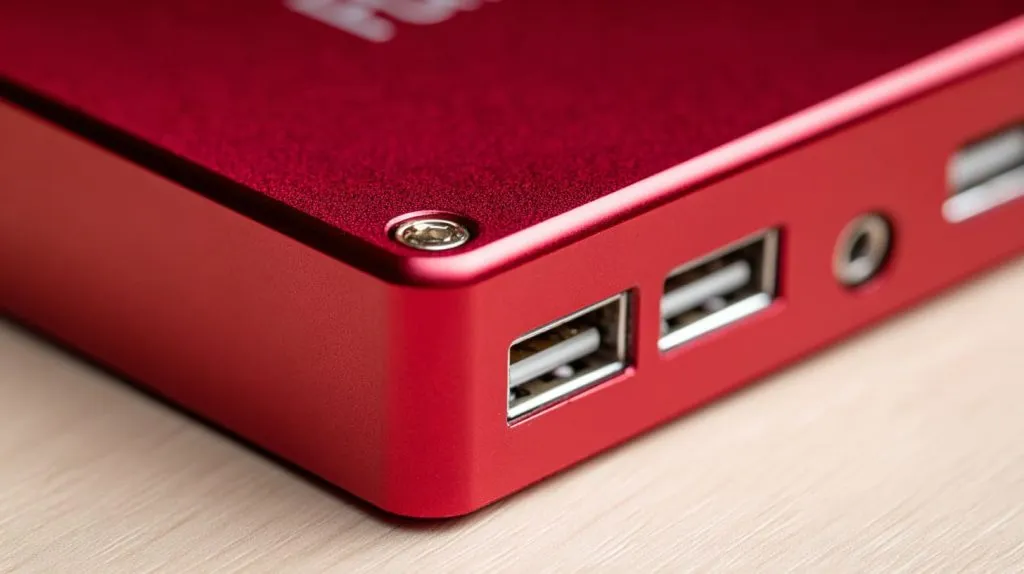
Laser engraving, silk printing, and custom molds are all great ways to brand your Raspberry Pi case.
Branding methods
| Method | Pros | Cons |
|---|---|---|
| Laser engraving | Permanent, precise | Only one color (no fill) |
| Silk screen print | Colorful, eye-catching | May wear over time |
| Custom molding | Fully unique shape | Higher mold cost |
Want it to feel premium? Use matte acrylic, subtle logo, and magnetic lid. Your customer will remember that.
Conclusion
Yes—you can sell Raspberry Pi and Arduino-based devices, legally and profitably, with the right strategy.