Skip to content


Sometimes it's not the specs that matter—it’s how long the little guy keeps running.
A Raspberry Pi can last 7–10 years or more, depending on usage, cooling, and power quality.
I’ve seen Pis live quietly in control cabinets for years—and I’ve also seen them burn out in six months when they were pushed too hard. Let’s talk about what really determines their lifespan.
Can a Raspberry Pi run 24/7?
Some projects never sleep—and neither should the board.
Yes, a Raspberry Pi can run 24/7 for years if it’s cooled properly and powered reliably.

Heat is your biggest enemy
If the Pi runs in a sealed box with no airflow, heat will slowly degrade components like the PMIC or WiFi chip. I once had a Pi 4 inside an aluminum case with no vents—it throttled within an hour. Since then, I always add heatsinks or fans for anything 24/7.
Power supply matters too
Cheap power adapters spike voltage or ripple under load. Over time, that stress adds up. Use a stable 5V 3A supply with good regulation. I always test with a multimeter under real load before deploying.
| Factor | Safe Range | Risk if Ignored |
|---|---|---|
| CPU temperature | Below 70°C | Throttling, long-term damage |
| Voltage stability | 4.75–5.25V | Brownouts, boot issues |
| Humidity | Below 60% (non-cond.) | Corrosion, shorts |
What Raspberry Pi should I buy in 2025?
So many models, so many “Buy Now” buttons—what’s worth your money?
Get a Raspberry Pi 5 if you need power, or Pi 4/3B+ for long-term support with less heat.

If you're building something that’s always on, like a home server, I’d still lean toward a Pi 4 with passive cooling. For one-off projects or short-term uses, even a Pi Zero 2W might do.
Think in terms of lifespan, not just performance
Some newer boards run hotter or use newer chips that haven’t been field-tested long-term. I still trust Pi 3B+ for rugged installs—it’s predictable, stable, and has run in my setups since 2018 without hiccups.
Are Raspberry Pis reusable?
People often treat them like disposable modules—but they’re tougher than that.
Yes, Raspberry Pis are reusable if they haven’t been damaged by power issues or excessive heat.

I’ve re-used one Pi 3B+ in at least four different projects—from a camera rig to an MQTT broker. As long as you shut them down properly and avoid physical stress, they’re good for multiple lifecycles.
How long can a Raspberry Pi stay on?
It’s not about minutes—it’s about months and years.
A Raspberry Pi can stay powered on continuously for months or even years without rebooting.

I’ve seen uptime logs of over 365 days on Reddit—and I’ve personally managed 180-day uptimes on a Pi monitoring solar panels. Just keep the power clean, and give it a break when needed.
What factors affect the lifespan of a Raspberry Pi board?
This isn’t just about the board—it’s about the environment you put it in.
Heat, power quality, and physical environment are the main factors.
Environmental stress adds up
Long exposure to dust, high humidity, or vibration can loosen connectors and corrode traces. I always mount my Pis on vibration-dampening rubber inside project boxes. Learned that lesson after one unit rattled itself to death inside a moving vehicle.
Does Raspberry Pi wear out over time?
Nothing lasts forever, but how gracefully it fades is up to you.
Yes, components like flash storage and regulators can wear out, but not suddenly.

Capacitors age, connectors loosen, and solder joints degrade. It’s slow—but real. After 4–5 years, some Pis start showing quirky behavior. That’s your cue to test or retire them from critical roles.
What are the most common reasons Raspberry Pi fails?
Spoiler alert: it’s usually not the Pi’s fault.
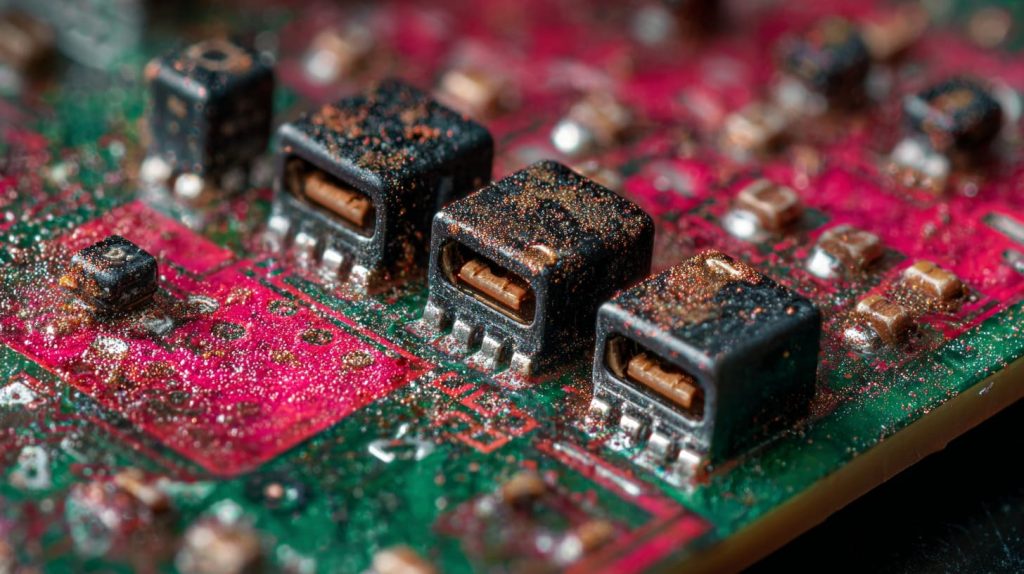
Most failures come from bad power supplies, overheating, or SD card corruption.
| Failure Cause | Description | Solution |
|---|---|---|
| Power surges | Sudden spikes damage PMIC or SoC | Use surge-protected power source |
| SD card failure | Wear from too many writes | Use high-endurance cards |
| Overheating | Constant thermal throttling or degradation | Add heatsinks or fans |
| GPIO abuse | Wiring errors or voltage mismatches | Use level shifters, be cautious |
Is Raspberry Pi suitable for industrial or commercial long-term use?
This question comes up a lot from my clients—especially those deploying dozens of units.
Yes, Raspberry Pi is suitable for long-term use if housed, powered, and cooled properly.

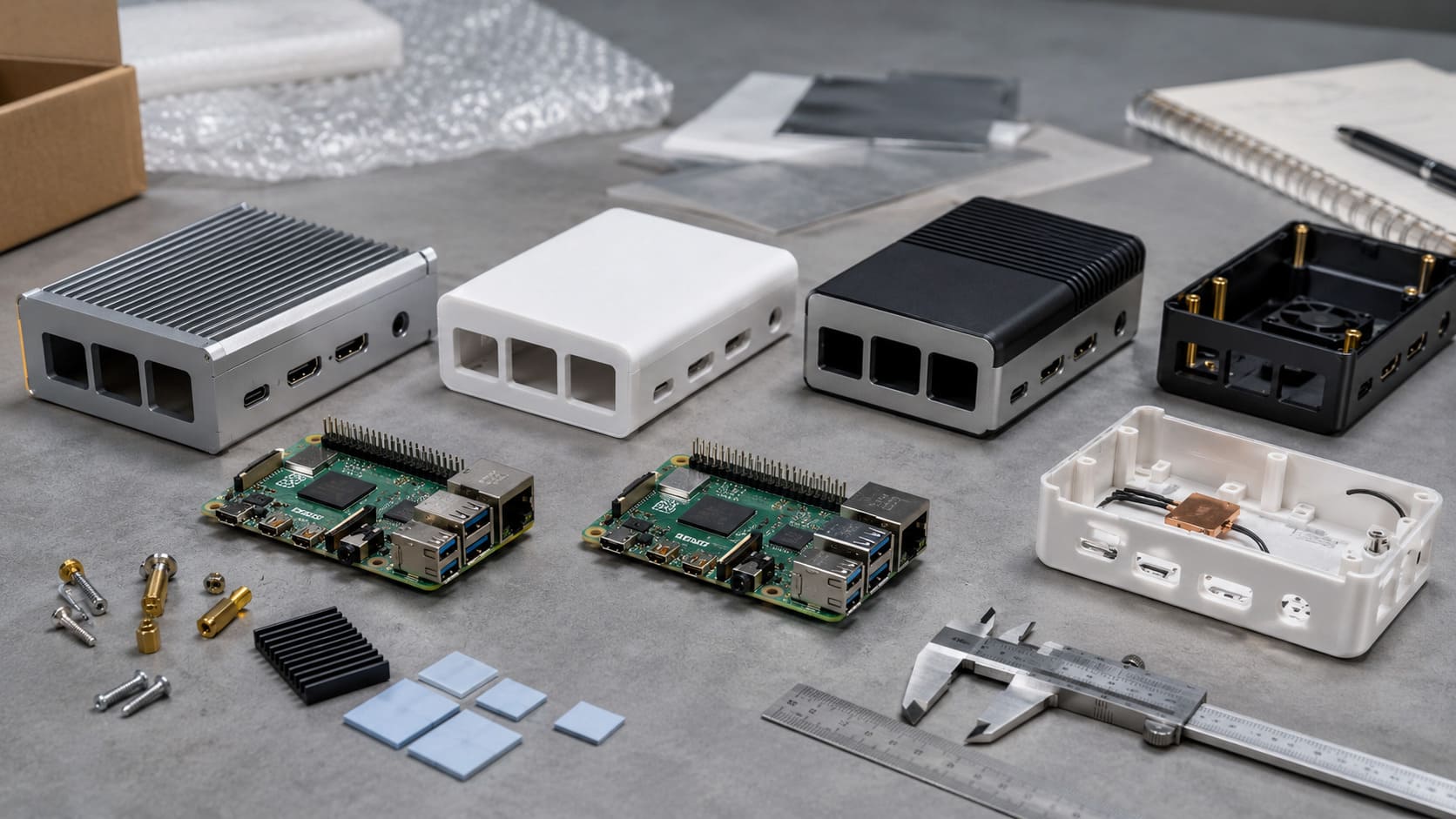
I’ve supplied custom Pi enclosures for commercial use—everything from smart kiosks to factory monitors. If you design for durability, the Pi holds up like a champ.
How to extend the lifespan of a Raspberry Pi device?
A few small habits go a long way.
Use quality power, cooling, SD cards, and enclosures to extend Raspberry Pi’s lifespan.
My go-to checklist
- Heatsink or fan: Even passive cooling drops temps by 10°C
- Industrial SD card: They survive write-heavy loads
- Stable 5V power: Never cheap out on power
- Avoid constant reboots: They stress the filesystem
- Mount safely: No metal touching, no pressure on ports
Does overclocking shorten Raspberry Pi’s life?
Yes, it flies—but burns fuel faster.
Overclocking generates more heat and may shorten lifespan if not cooled properly.
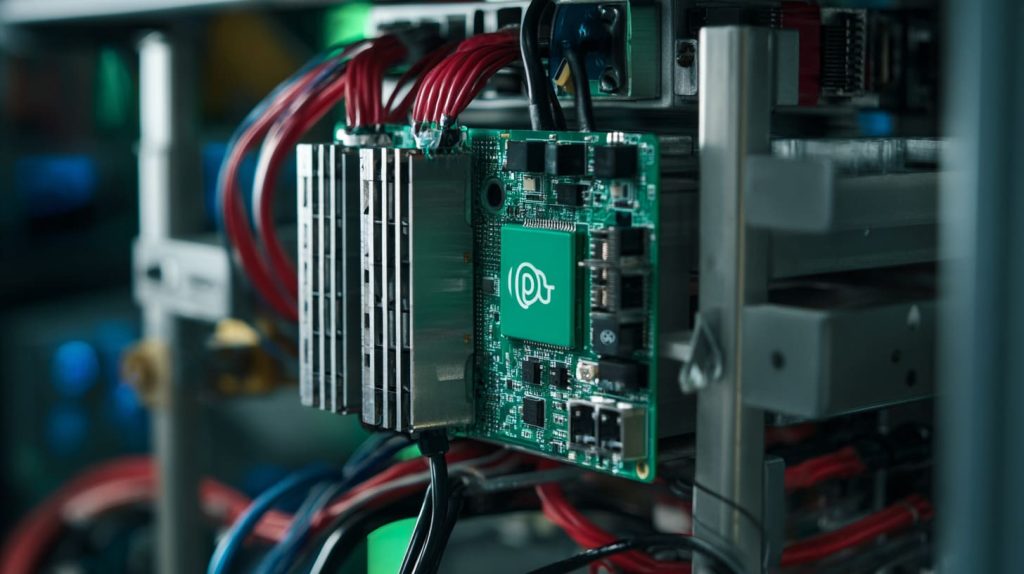
I tried overclocking a Pi 4 to 2.1GHz once—worked great until the case fan died. After 2 months, Wi-Fi started dropping. Lesson learned: if you want speed, invest in cooling.
How long does the SD card in Raspberry Pi last?
This one’s the Achilles' heel for many long-term setups.
Standard SD cards last 6 months to 2 years under heavy writes; high-endurance cards last longer.

Look for cards marked “high endurance” or use external USB storage for write-heavy applications like databases or video recording. I had an SD card die mid-demo once—since then, I always log to USB.
Which Raspberry Pi model lasts the longest under stress?
If I had to pick a “tough guy” among Pis, here’s my vote.
The Raspberry Pi 3B+ tends to last longest under stress due to lower power draw and less heat.
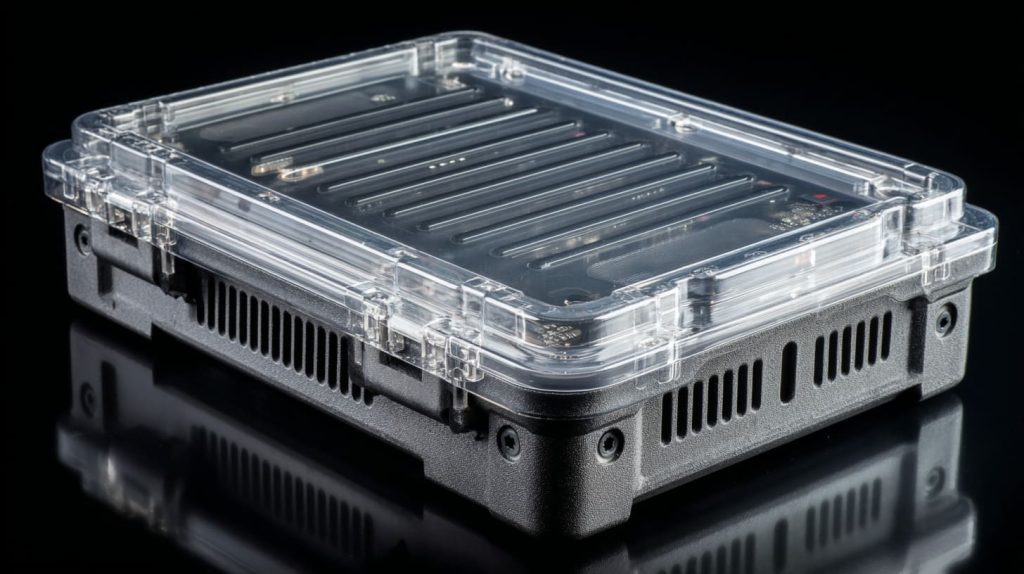
Yes, the Pi 4 or 5 are faster—but they need more cooling and careful power. For passive, enclosed, or remote installs? Pi 3B+ is rock solid.
Conclusion
Raspberry Pi can last for years—with care and common sense.