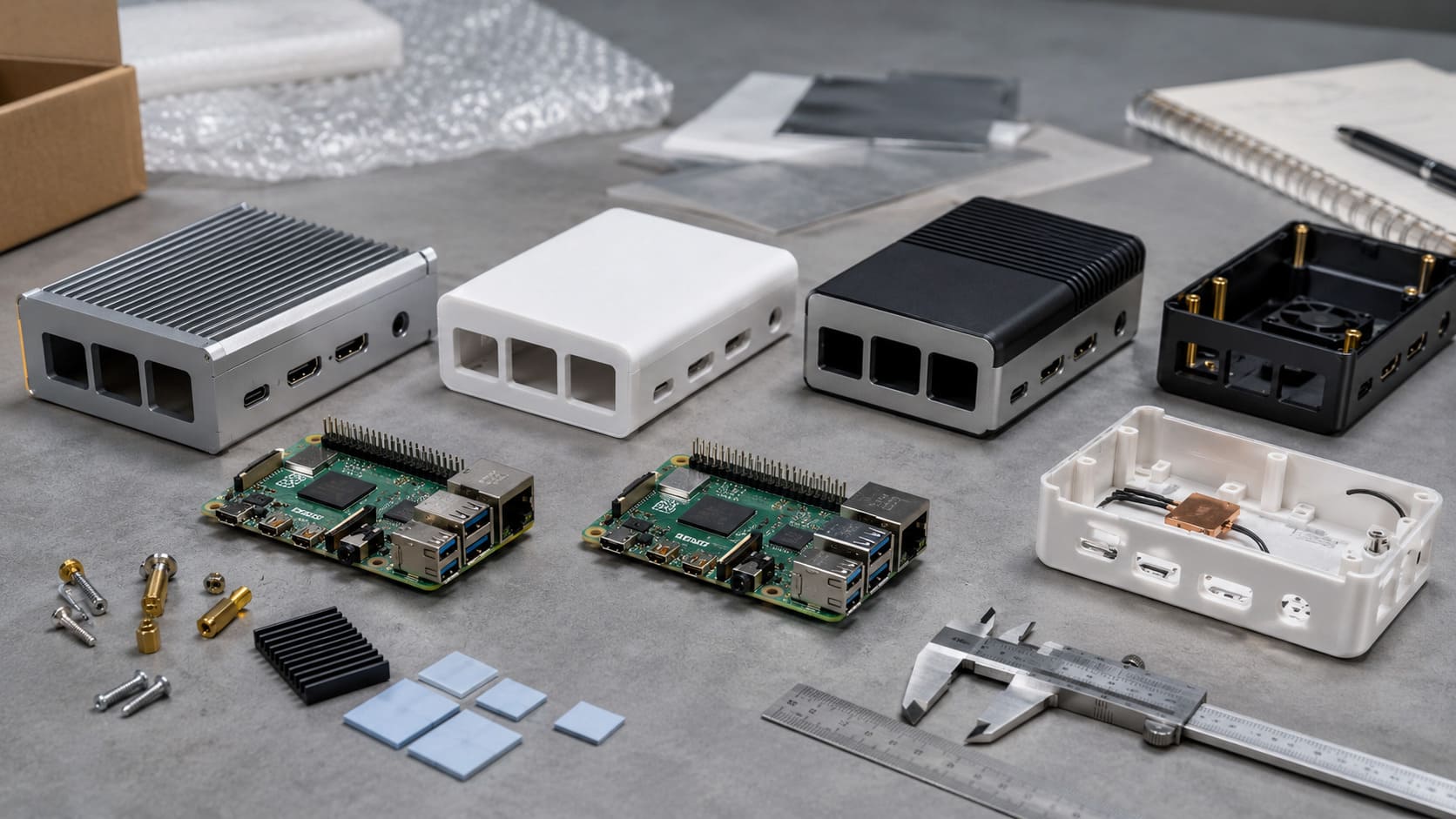
I once saw a Raspberry Pi overheat in a dusty shop. That small issue ruined a clever project. A custom case might be the right solution, so let’s explore the details.
Custom Raspberry Pi cases solve design, protection, and branding needs. They offer unique benefits but also pose extra costs and effort. Weigh your goals before deciding if they suit you.
I remember my first batch of custom orders. Everyone loved the personalized look, but some folks worried about extra expenses. Let me share my thoughts so you can decide if customization is worthwhile.
Should I use a case for Raspberry Pi?
I used to run my Pi without a case, thinking it was fine. Then dust, heat, and accidental bumps caused big headaches, and I learned a tough lesson about device care.
Using a Raspberry Pi case is generally recommended. It shields delicate components from damage, prevents dust buildup, and manages heat. If you want fewer mishaps and longer device life, a sturdy case helps a lot.
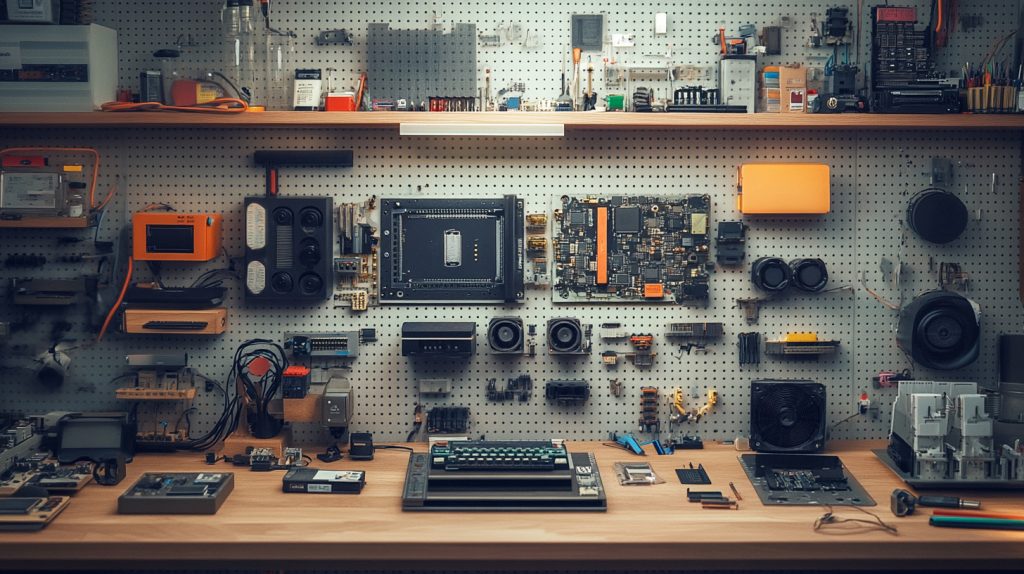
I have a friend named Jacky in Belgium. He initially ran his Pi bare on his desk. Two weeks later, dust collected all around, causing surprise shutdowns. A simple case fixed that quickly.
| Factor | With Case | Without Case |
|---|---|---|
| Protection | Protects board from knocks | Vulnerable to damage |
| Dust Control | Limits dust buildup | Exposed to particles |
| Heat Direction | Often better airflow | Passive cooling only |
| Cost | Additional expense | No extra spending |
What is the best material for Raspberry Pi case?
Some people ask me which material works best. I usually say it depends on your project’s environment and budget, but let’s look at the main options.
Common choices include plastic, aluminum, and acrylic. Each offers different durability, heat conductivity, and looks. For heavy use or constant handling, aluminum works best. For budget-friendly needs, plastic or acrylic can be enough.

I work at MaidaTech in China, and we produce cases in various materials. Plastic is lightweight and affordable. Aluminum feels premium and helps manage heat. Acrylic looks nice for display purposes but can crack if dropped.
- Plastic: Budget-friendly, easy to modify, but not the best for heat
- Aluminum: Strong, great heat dissipation, but higher cost
- Acrylic: Transparent and stylish, but can be fragile
What are the risks of using a Raspberry Pi?
A Raspberry Pi is great, but no tech is perfect. I once had a customer who tried to power the board incorrectly, and we all learned a hard lesson about proper voltage and stable supplies.
Main risks include power supply errors, overheating, and SD card corruption. Mishandling or static can also damage the board. Sticking to reputable power sources and mindful handling can prevent many problems.
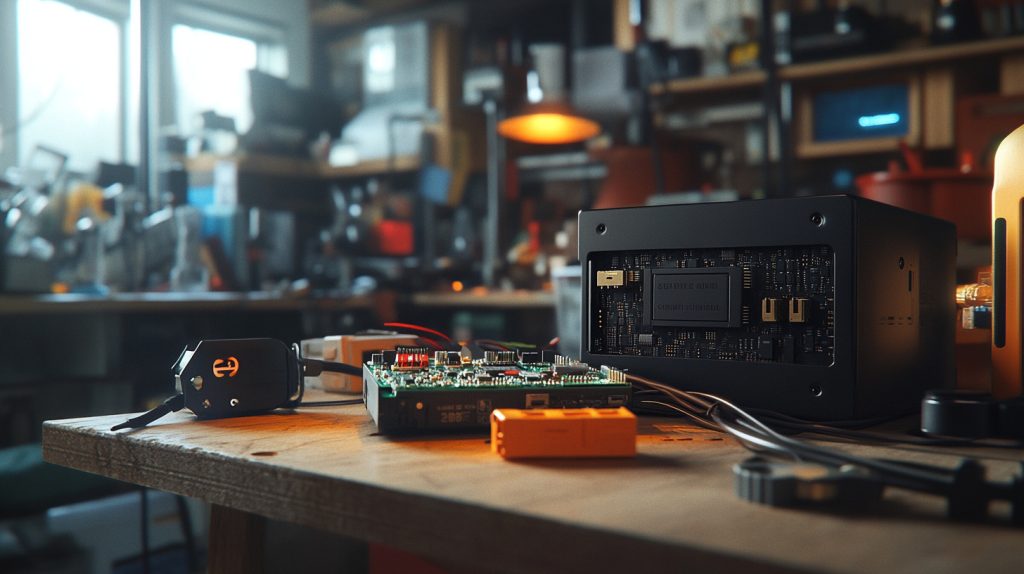
A client named Davide learned that cheap adapters caused frequent reboots. Good power matters. Also, watch out for static electricity when touching the board. Small steps can ensure stable performance.
What is Raspberry Pi weakness?
I sometimes see people treat the Pi like a full-power computer. It’s amazingly versatile, but there are definitely limits you should keep in mind.
The Pi’s biggest weakness is limited processing power compared to desktops, plus reliance on external SD cards for storage. It’s powerful for certain tasks, but it can’t replace a full desktop or server.

I learned this when I ran resource-intensive software on a Pi. It lagged, and I realized it’s built for simpler tasks, like small servers or educational projects. Pushing it too hard usually leads to disappointment.
How do custom Raspberry Pi cases compare to off-the-shelf cases in terms of design, performance, and cost?
One of my favorite parts of customization is getting a unique style. But some folks prefer a standard case. Let’s see how they stack up.
Custom cases offer personalized branding, improved airflow, and a sturdier build. Off-the-shelf cases cost less and are quicker to get. It all depends on how much freedom and performance you want.
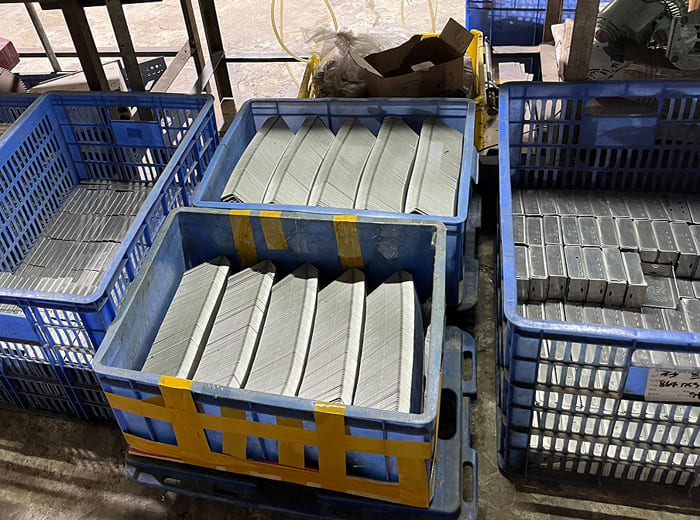
I recall helping a client, Lasle from Hungary, who wanted a redesigned shape for a special project. We provided a custom shape, brand engraving, and better airflow. This wouldn’t be possible with a standard option.
- Custom Cases
- Unique design, special logos
- Higher cost, longer wait
- Off-the-Shelf
- Lower cost, instant availability
- Limited style, less flexibility
What key factors should be considered when selecting a custom Raspberry Pi case for your project?
Every new project has its own goals. Some folks want slick branding. Others need serious cooling. The best approach is to nail down the core features before ordering.
Key factors include material, heat management, branding needs, and budget. Confirm the supplier’s capacity for modifications, like special logo placements or extra port openings, so you don’t face surprises.

I often suggest considering functionality, ports needed, potential fans or heat sinks, and any branding or engraving you want. Some factories handle large orders better than others. Also, remember extra customization might raise costs more than you expect.
Can a custom Raspberry Pi case improve heat dissipation and overall device protection?
I once accidentally touched a hot Pi, and that experience taught me the importance of cooling. Let’s see if a custom enclosure helps with that.
Yes, a well-designed custom case can incorporate vents, fans, or heatsinks to keep temperatures down. Sturdy materials also protect the board from knocks and dust. Function extends beyond simple aesthetics.
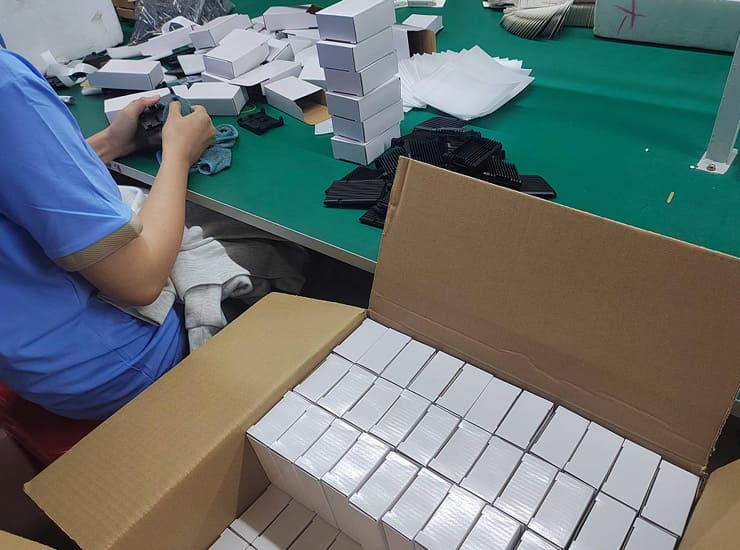
Heat is a hidden culprit. When a Pi overheats, it throttles performance. A custom enclosure with built-in airflow channels or fan slots can solve that. Strong covers also guard against drops, which can happen anytime.
Are custom Raspberry Pi cases a cost-effective choice for both personal projects and commercial applications?
When budgets are tight, people wonder if customization is worth it. From my experience, it really depends on scale and specific requirements.
For personal use, a custom case may be pricier but offers a tailored look. For commercial buyers, large volumes often bring down unit costs significantly, making custom solutions more competitive.
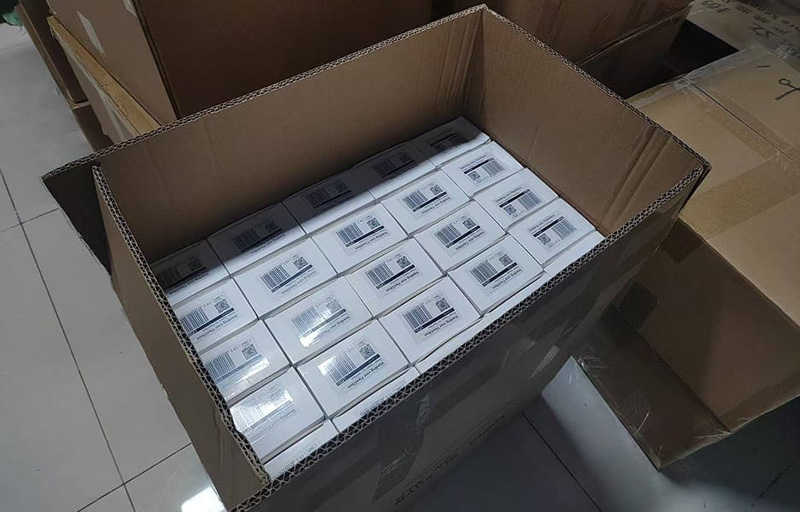
B2B clients who order in bulk see big price drops. This is how many of my customers in North America or Europe stay ahead. For individual hobbyists, though, the cost might be higher, but they love the personal touch.
Conclusion
Custom Raspberry Pi cases provide protection and flexibility if you consider purpose, budget, and style. Compare your options carefully, and decide how much customization matters to you.