Skip to content


Some days, it feels like the entire world is trying to buy the same Raspberry Pi board at the same time. I’ve seen projects slow down, clients message me in frustration, and shelves stay empty longer than anyone expected.
A good alternative to Raspberry Pi is one that balances performance, cost, GPIO flexibility, and software compatibility—boards like Jetson Nano, Orange Pi, and Banana Pi often stand out.
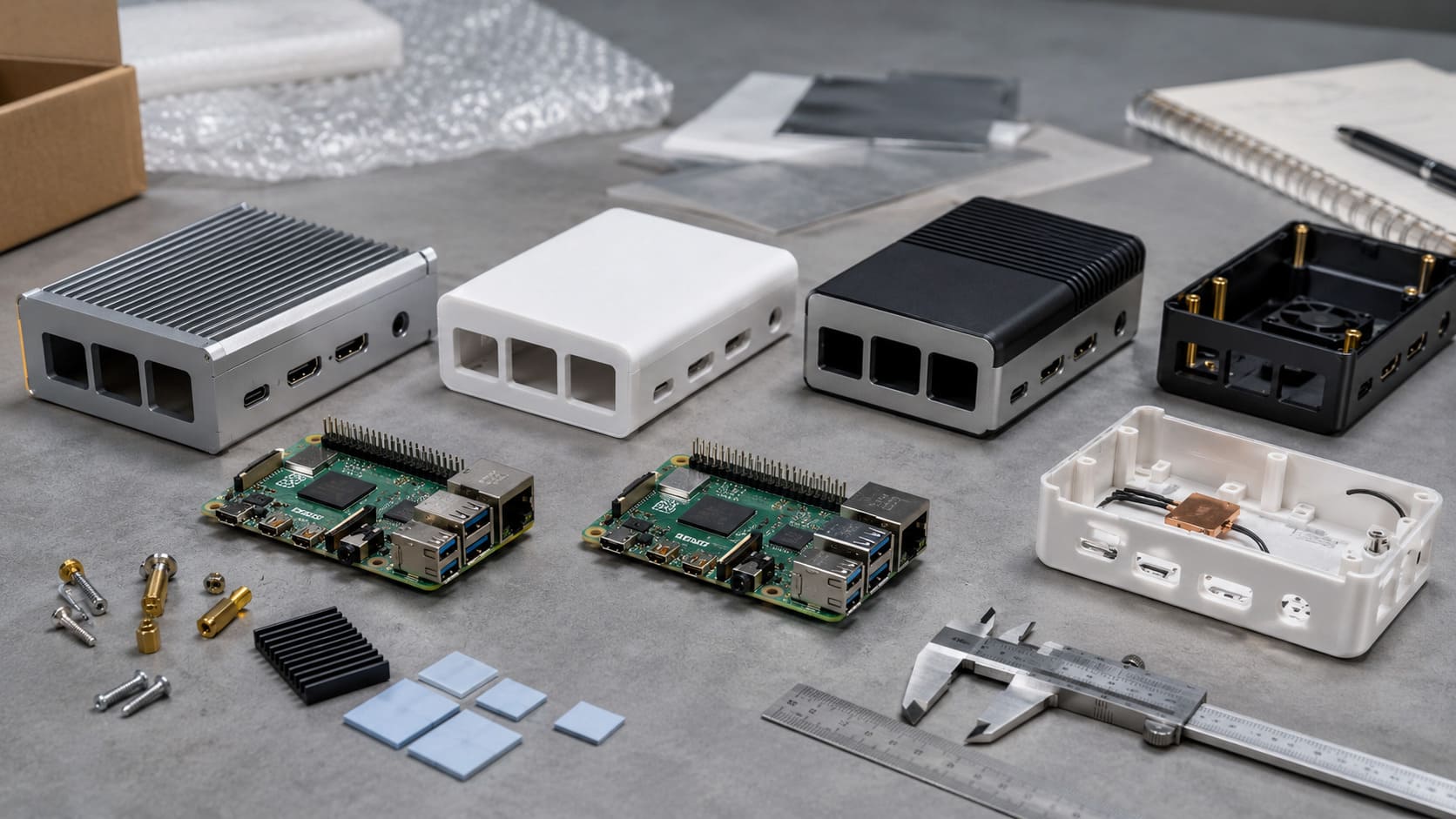
I’ve tested and shipped hundreds of custom Pi cases, but more and more clients are asking: “Do you have options for other boards?” Let’s dive into that question together.
Which is better, ESP32 or Raspberry Pi?
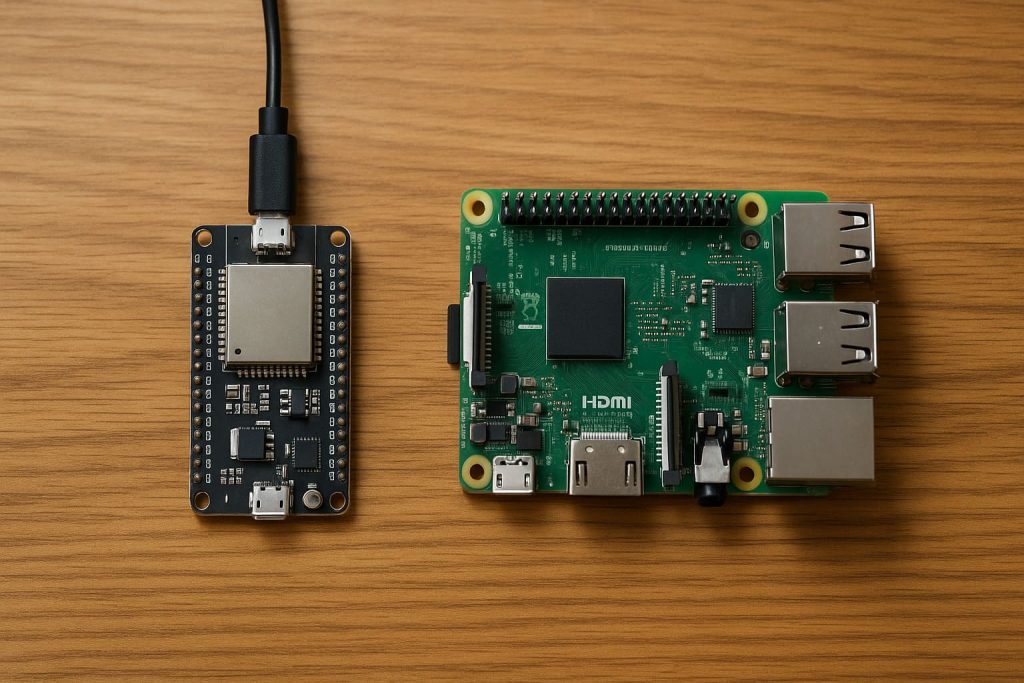
They’re not trying to be each other. But people still compare them.
ESP32 is better for lightweight IoT tasks; Raspberry Pi is better for full operating system applications.
Key Differences
| Feature | ESP32 | Raspberry Pi |
|---|---|---|
| Processing Power | Microcontroller (dual-core) | Full Linux-based computer |
| Price | ~$5–$10 | ~$35–$60+ |
| Use Cases | IoT, sensors, Wi-Fi projects | Desktop, server, coding, media |
The ESP32 is incredibly power-efficient and fast for its size, but it lacks the full OS and desktop experience. I often recommend it when clients only need to send sensor data or control relays.
Is Jetson Nano faster than Raspberry Pi 4?
If you’re doing AI, the difference is massive.
Yes, Jetson Nano has more GPU power and is faster for AI and vision-based tasks than the Raspberry Pi 4.

The first time I ran object detection on Jetson Nano, I couldn’t believe how smooth it was. With Raspberry Pi, it lagged and overheated. But with Jetson, it felt like flipping a performance switch.
When to choose Jetson Nano
- You need GPU acceleration
- You’re building AI or deep learning applications
- You're okay paying more for performance
What is the cheapest alternative to Raspberry Pi Reddit recommends?
People love digging deep on Reddit for budget boards.
Reddit users often suggest ESP32 or Orange Pi Zero as the cheapest alternatives to Raspberry Pi.

Reddit communities favor boards under $20, especially when all you need is basic computing or control functions.
One user even said, “ESP32 runs my hydroponics system for $6—who needs a Pi?”
What is the best budget Pi?
When people say “budget Pi,” they usually mean simple, reliable, and available.
The best budget Pi alternative is Orange Pi Zero 2—it’s affordable and performs well for headless tasks.
It doesn't try to be a full desktop. It just works—great for simple servers, VPN nodes, or home automation hubs.
What are the best Raspberry Pi alternatives for commercial projects?
Most commercial buyers want stability and long-term supply.
Orange Pi, Rock Pi, and Banana Pi offer more supply consistency and customization options than Raspberry Pi.

When I work with B2B clients like Davide, it’s not about flashy specs. It’s about getting 500 units fast—with labels, logos, and packaging. Raspberry Pi isn’t always the easiest for that.
Commercial considerations:
- Stable lead time
- Easy customization (cases, GPIO layout)
- Support from factories or OEMs
Is Orange Pi better than Raspberry Pi for industrial use?
This is where Orange Pi starts to shine.
Yes, Orange Pi is often better for industrial applications due to wide I/O support, lower cost, and flexible power input.

Some of our industrial buyers love Orange Pi because it fits their control boxes and accepts 5V–12V power, which is more flexible for factory environments.
Can Banana Pi replace Raspberry Pi in embedded systems?
Banana Pi is sneaky-good—especially in embedded stuff.
Yes, Banana Pi can replace Raspberry Pi in many embedded systems, offering better I/O and SATA support.
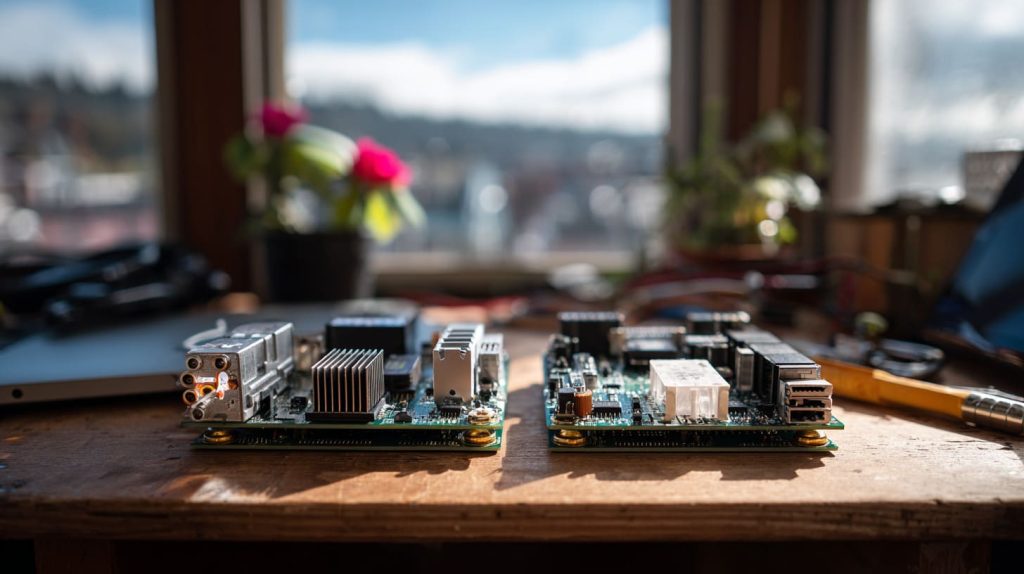
I had a client building a NAS with Banana Pi R2 and it worked beautifully with onboard SATA. It’s not just a clone—it’s a step up for storage-based applications.
Which Raspberry Pi alternative offers the best performance-to-price ratio?
Let’s talk bang for your buck.
Rock Pi 4 offers a strong performance-to-price ratio, with better CPU and RAM options than Raspberry Pi 4 at similar prices.
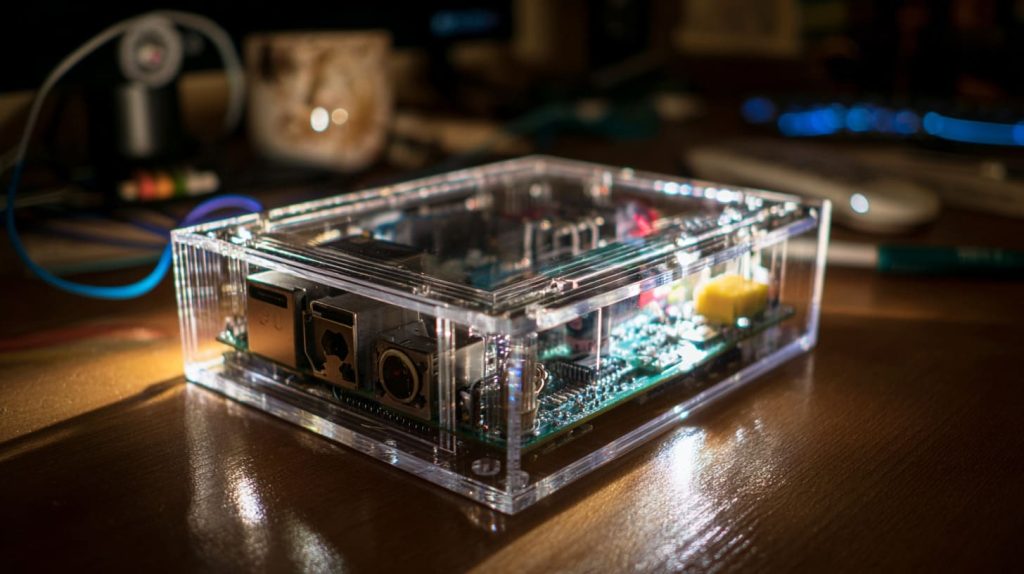
Rock Pi vs Raspberry Pi
| Feature | Rock Pi 4 | Raspberry Pi 4 |
|---|---|---|
| CPU | RK3399 Hexa-core | Broadcom Quad-core |
| RAM | Up to 4GB/8GB LPDDR4 | Up to 8GB LPDDR4 |
| Price | ~$49–$75 | ~$55–$80 |
Rock Pi also supports eMMC and USB 3.0 better, which makes a difference in read/write-heavy applications.
Are there fanless Raspberry Pi alternatives with better thermal control?
Fans are noisy. Sometimes, you just want silence.
Yes, many alternatives like BeagleBone Black or Odroid-C4 offer better passive cooling without fans.
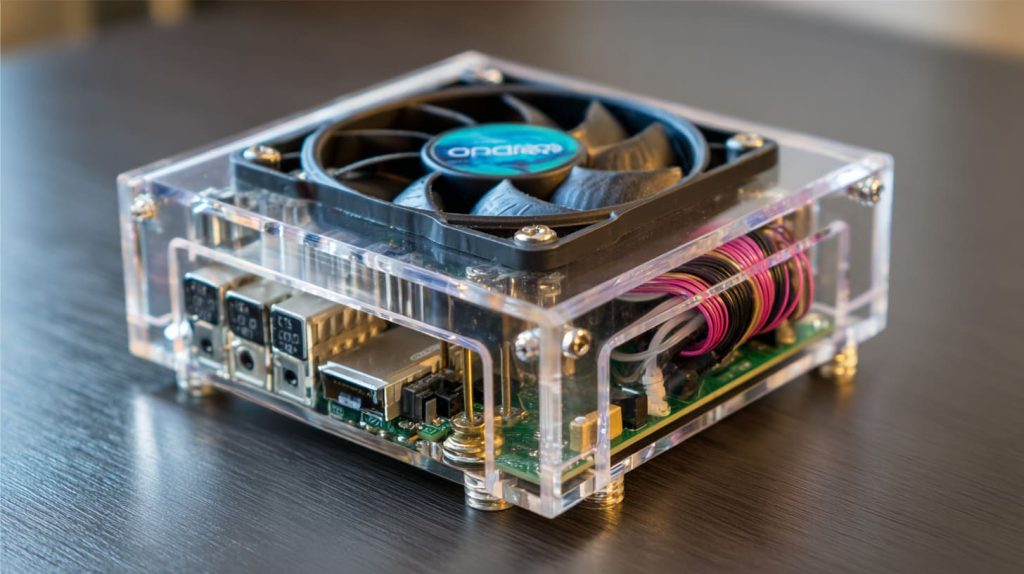
We tested Odroid-C4 in a closed acrylic case. It ran cooler than Pi 4 with a heatsink and fan. That makes it a solid pick for silent media centers or 24/7 tasks.
What’s the most compatible alternative to Raspberry Pi for Ubuntu or Debian OS?
OS compatibility is a dealbreaker for some users.
The most compatible alternative is the Rock Pi or Odroid series—they both run Ubuntu/Debian with good community support.

I’ve set up Rock Pi 4B with Ubuntu 22.04, and 95% of Pi commands worked out of the box. That saves hours of debugging time.
How does NVIDIA Jetson compare to Raspberry Pi for AI projects?
The Pi wasn't built for AI. Jetson was.
Jetson boards offer stronger GPU acceleration and CUDA support, making them much better than Raspberry Pi for AI.
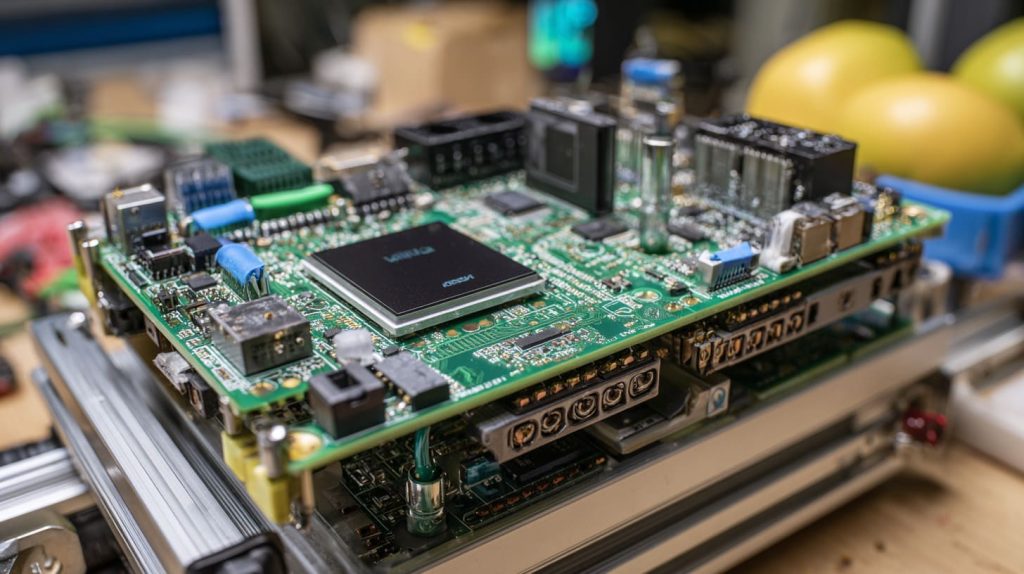
If you're training models, doing real-time object detection, or running computer vision, Jetson is in a different league. One of our ODM clients uses it to power a smart camera system—and Pi just couldn’t keep up.
Why are people switching from Raspberry Pi to Rock Pi or Radxa boards?
Sometimes it's not about performance. It's about availability and ecosystem.
People are switching because Rock Pi and Radxa boards offer similar specs, better availability, and better I/O expansion.

There was a time you couldn’t buy a Pi for less than $100. During that shortage, developers jumped ship. Some didn’t go back—Rock Pi offered more M.2 slots, faster boot times, and worked just fine.
Is there a Raspberry Pi alternative with better GPIO and expansion options?
GPIO matters more than we think—especially for hardware tinkerers.
BeagleBone Black and Banana Pi M2 Zero have better GPIO and expansion flexibility than Raspberry Pi.
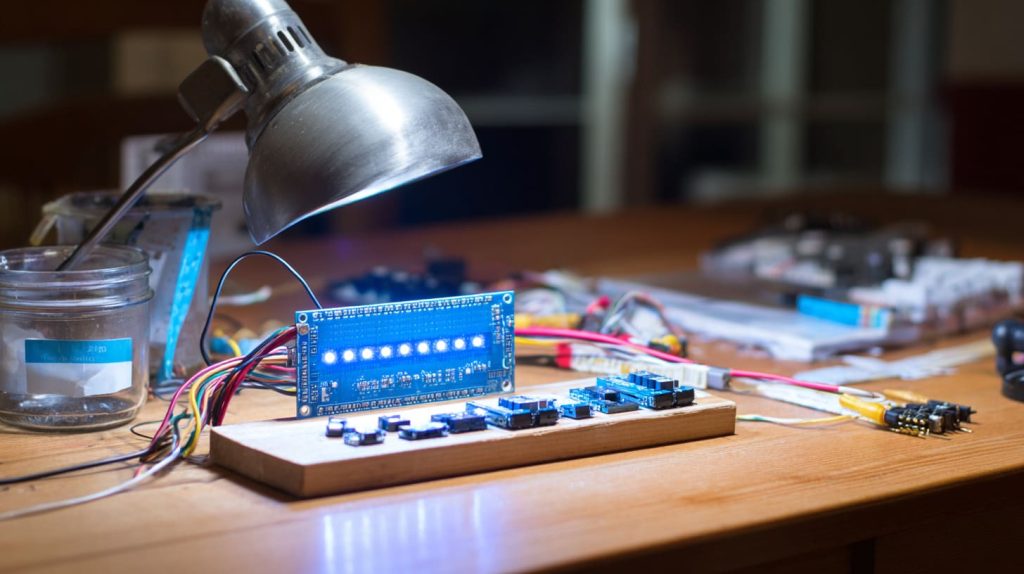
For one of Jacky’s local projects, we used Banana Pi because it had more UART and SPI pins—no HATs needed. That saved money and simplified design.
Conclusion
The best Raspberry Pi alternative depends on your purpose and pace.